
 English
 中文简体
中文简体 русский
 Español
What is Fiberglass Tissue Mat (Veil)?
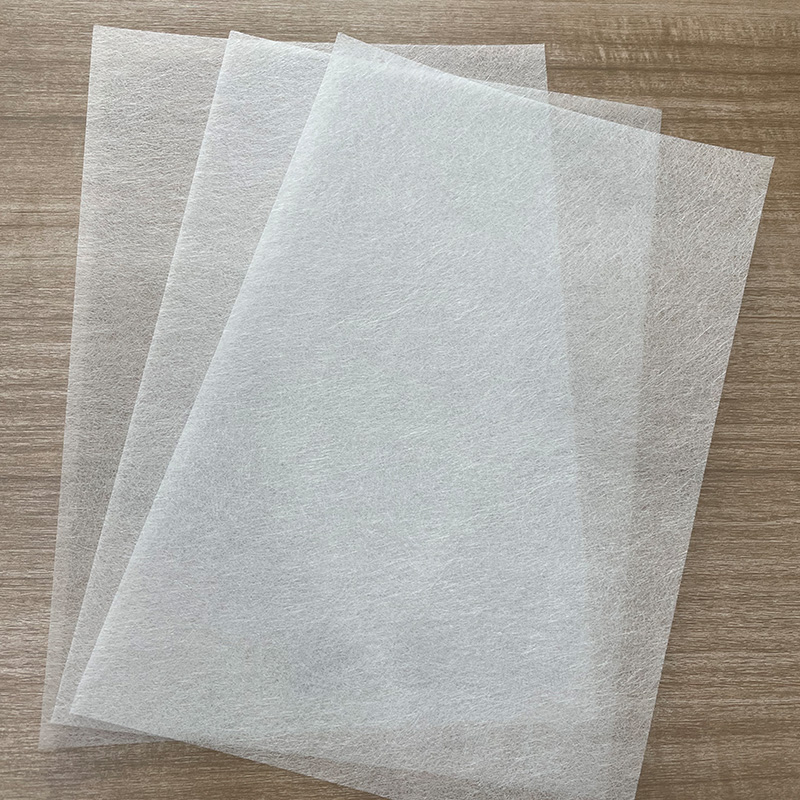
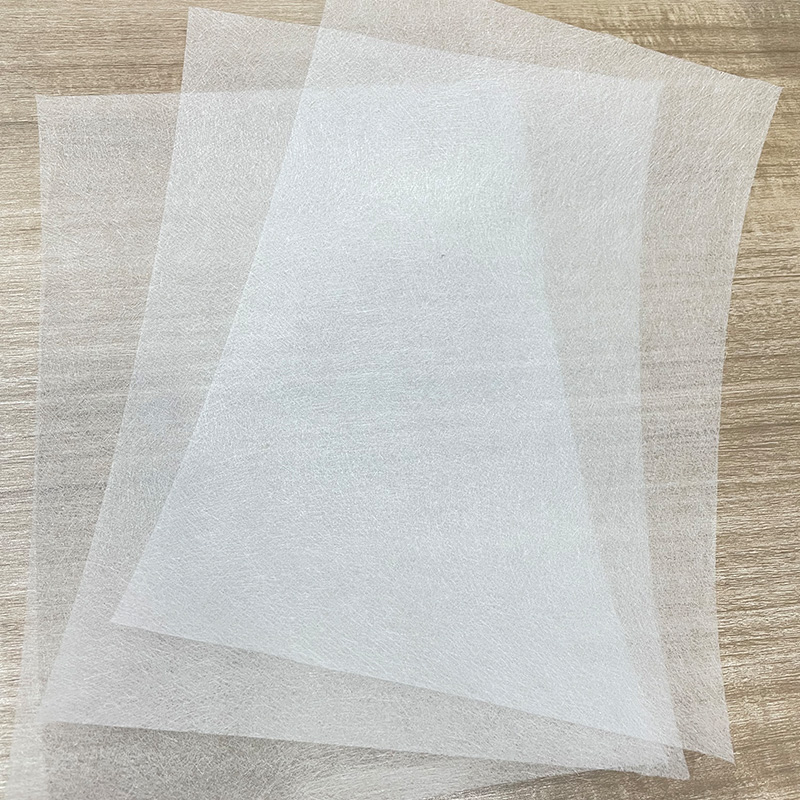
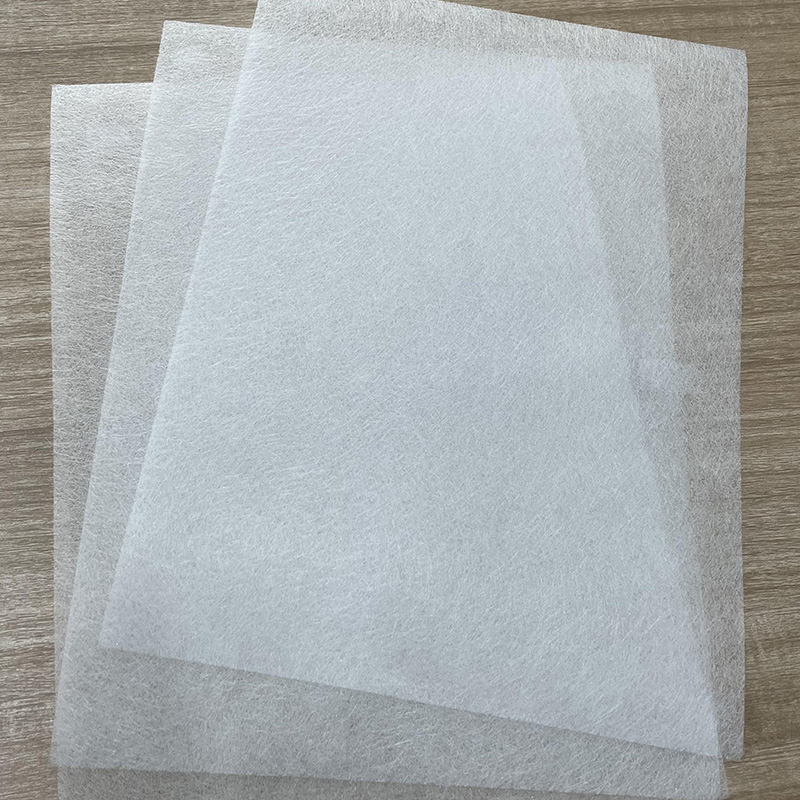
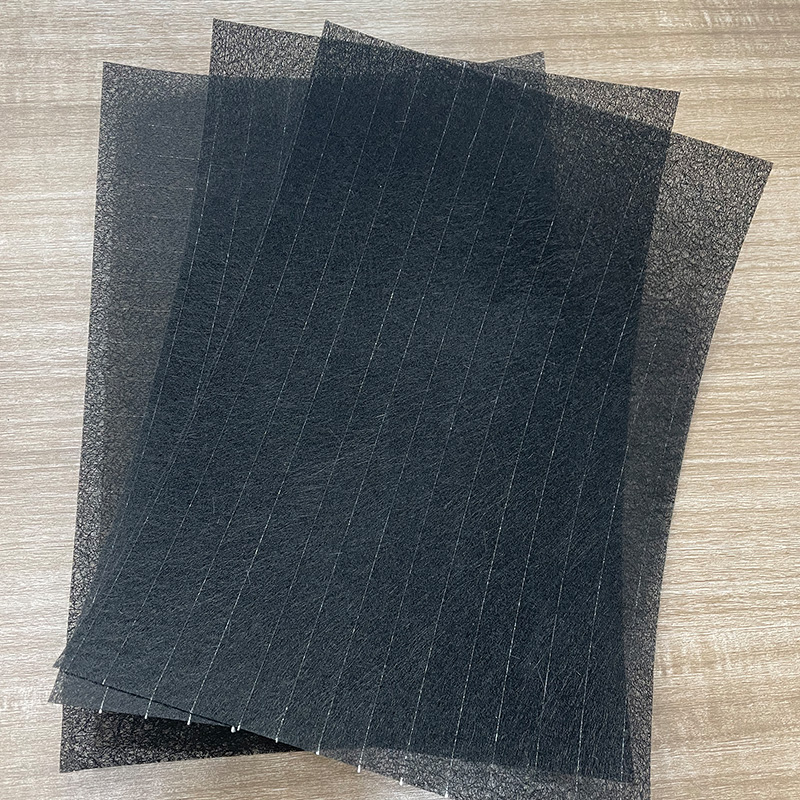
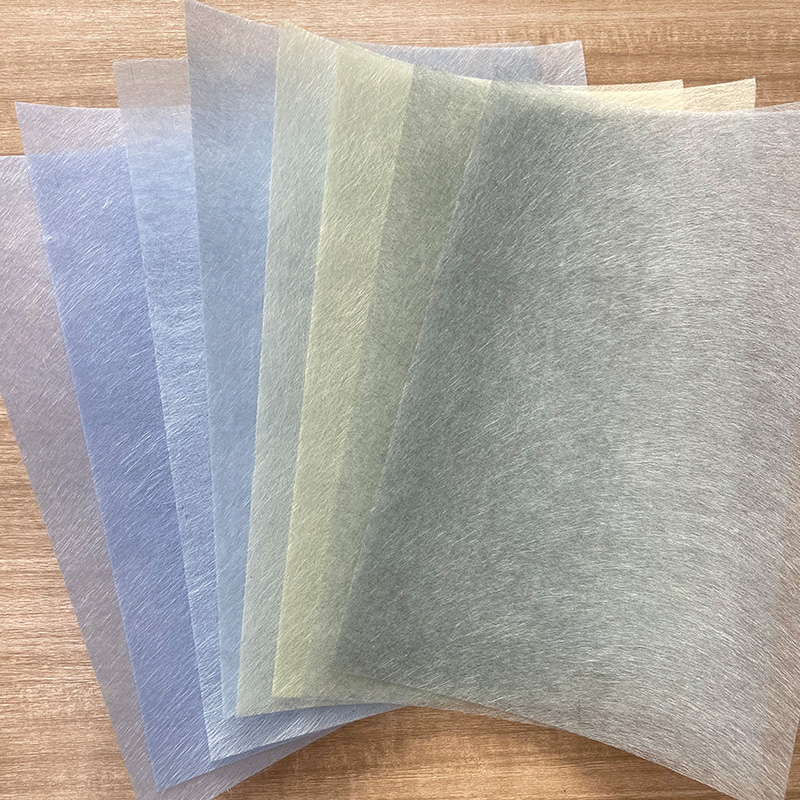
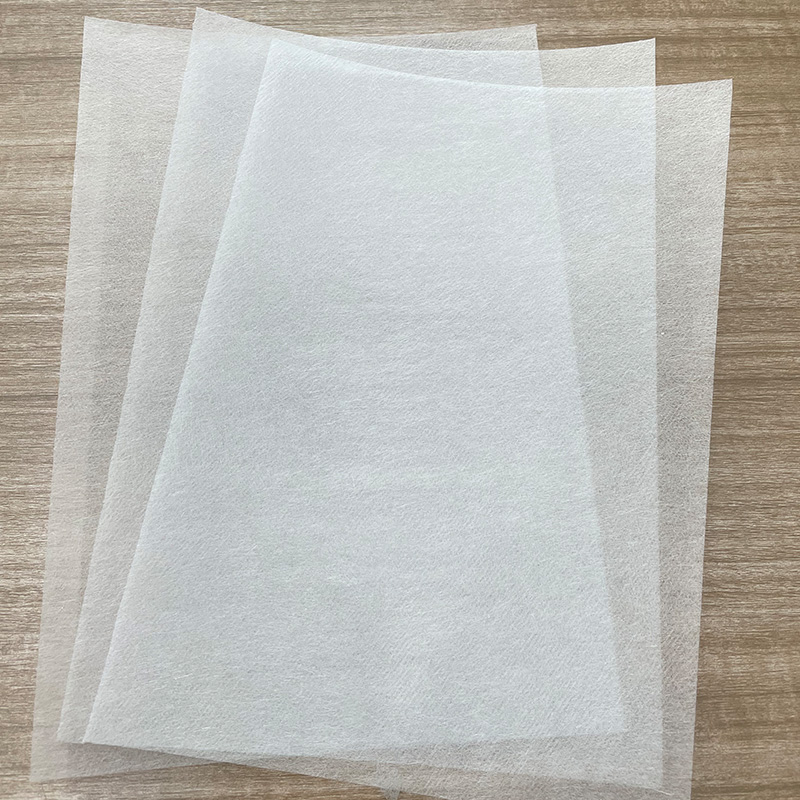
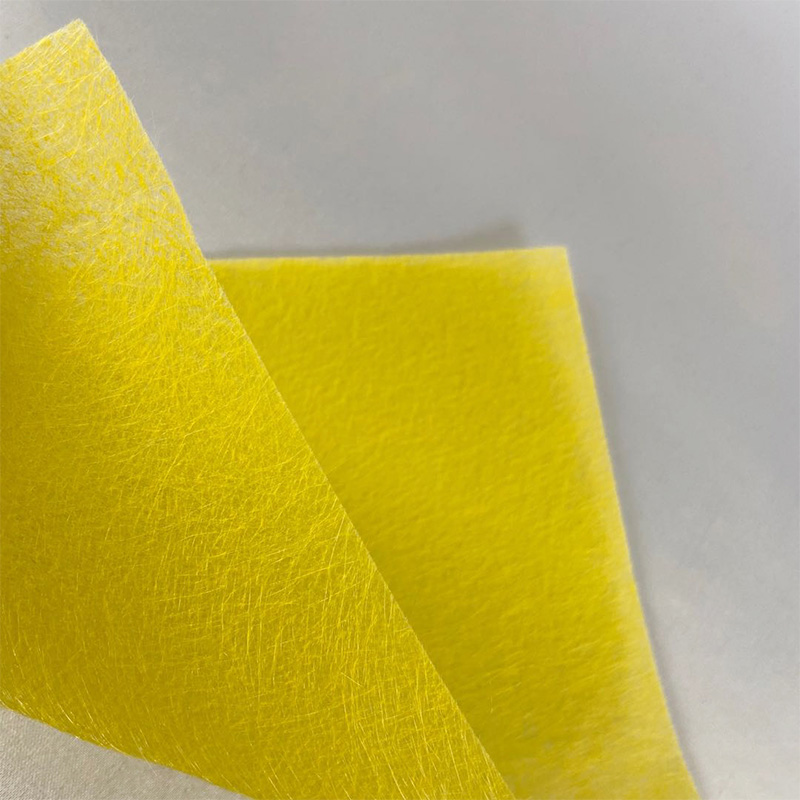
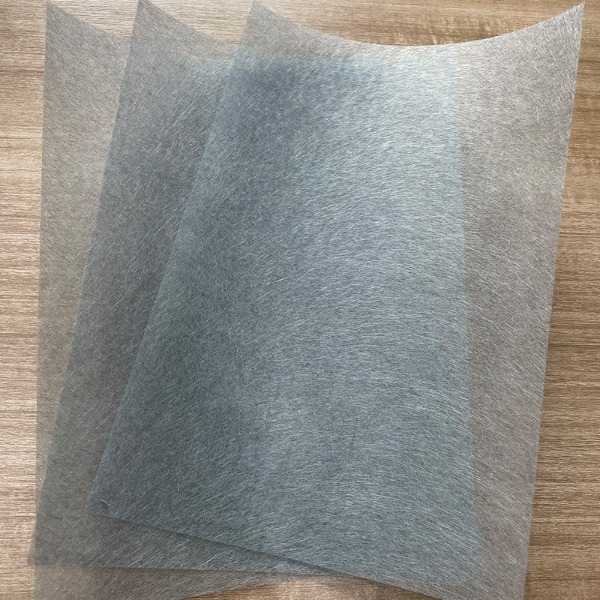
In the composite materials industry, fiberglass tissue mat (veil) represents a critical engineered non-woven fabric that serves as a surface layer in various industrial applications. Unlike conventional fiberglass mat, tissue veil is significantly thinner, typically ranging from 0.5mm to 2mm in thickness, making it ideal for achieving smooth surface finishes and enhanced aesthetic appeal in composite structures.
The material is manufactured through a wet-laid non-woven process using E-glass fibers, where individual glass strands are randomly distributed and bonded together without additional resin systems during production. This construction method ensures uniform fiber distribution, minimal binder residue, and superior dimensional stability. The resulting product provides excellent adhesion properties, allowing seamless integration with composite resins in lamination processes.
Key Characteristics of Fiberglass Tissue Veil
- Ultra-thin construction ranging from 0.5mm to 2mm thickness
- Superior surface smoothness compared to conventional fiberglass mats
- Made from premium E-glass fibers for enhanced durability
- Exceptional resin absorption and wetting characteristics
- No added binders or chemical residues
- Excellent dimensional stability and flatness
Core Features and Performance Advantages
Modern industrial manufacturing demands materials that deliver both performance and reliability. Fiberglass tissue veil excels across multiple critical performance dimensions that directly impact final product quality and durability.
Surface Finish Excellence
The primary advantage of incorporating fiberglass tissue veil into composite structures lies in its ability to deliver superior surface finishes. When applied as the outer layer in lamination processes, the thin, tightly-bonded fiber structure creates an exceptionally smooth, aesthetically pleasing surface that requires minimal post-processing. This characteristic dramatically reduces finishing labor costs and improves product presentation for applications where surface appearance directly influences market competitiveness.
Corrosion Resistance and Durability
Constructed entirely from E-glass fibers, fiberglass veil demonstrates outstanding resistance to chemical attack, moisture penetration, and environmental degradation. The E-glass composition provides superior corrosion resistance compared to alternative fiber types, making it particularly suitable for aggressive chemical environments and outdoor applications. This inherent durability extends the service life of composite structures and reduces maintenance requirements throughout their operational lifespan.
Enhanced Water and Moisture Barrier Properties
The tightly-woven fiber structure of tissue veil creates an effective moisture barrier that significantly enhances the waterproofing and water-resistance characteristics of composite structures. When deployed as a surface layer, the material prevents water ingress into underlying composite layers, thereby protecting reinforcing fibers and resin matrices from moisture-induced degradation, delamination, and premature failure.
Superior Resin Impregnation
Despite its thin profile, fiberglass tissue veil exhibits exceptional resin absorption and wetting characteristics. The open fiber structure allows rapid and complete saturation with composite resins, eliminating air pockets and voids that could compromise structural integrity. This superior wettability ensures complete fiber-resin bonding and contributes to achieving optimal mechanical properties in finished composite products.
Construction Convenience and Handling
The lightweight, flexible nature of tissue veil materials makes them remarkably easy to handle and position during composite manufacturing processes. Unlike heavier mat materials, tissue veil can be applied to complex geometries and contoured surfaces with minimal crinkles or wrinkles. This ease of application accelerates production cycles, reduces labor requirements, and minimizes defect rates associated with material handling.
Diverse Applications Across Industrial Sectors
The versatility of fiberglass tissue mat and veil materials enables deployment across a remarkably broad spectrum of industrial applications. Each sector leverages specific performance characteristics to achieve distinct manufacturing objectives and performance targets.
Fiber Reinforced Polymer (FRP) Composite Manufacturing
In FRP production, tissue veil serves as the critical outer layer in hand lay-up and automated composite molding processes. The material creates the aesthetic surface finish for architectural panels, structural profiles, and decorative composite components. Its superior surface smoothness reduces the need for costly post-molding finishing operations, directly improving manufacturing economics while enhancing product appearance.
Pipe and Tube Lining Systems
For corrosion protection in industrial piping applications, tissue veil functions as the innermost surface layer in pipe lining systems. The material creates a chemically resistant barrier against corrosive fluids and environmental conditions. This application is particularly critical in chemical processing, oil and gas production, and municipal water distribution systems where pipe integrity directly impacts operational safety and environmental compliance.
Waterproofing and Moisture Control
In construction and civil engineering applications, fiberglass tissue veil reinforces waterproofing membranes and composite barriers. The material's moisture-resistance properties and structural integrity enhance the effectiveness of waterproofing systems in building foundations, roof assemblies, and underground structural elements. Engineers specify tissue veil to extend the functional lifespan of waterproofing installations and prevent moisture infiltration that could damage building structures and interior spaces.
Mold and Die Surface Finishing
In advanced composite manufacturing, tissue veil improves mold surface quality and finished part aesthetics. When applied to mold surfaces before lamination, the material creates ultra-smooth contact surfaces that transfer superior finish quality to produced components. This application is essential in aerospace, automotive, and high-performance marine composite manufacturing where surface finish quality directly influences aerodynamic efficiency and aesthetic appeal.
Storage Tank and Vessel Fabrication
For chemical storage tanks, pressure vessels, and industrial containment structures, tissue veil provides critical corrosion protection and structural reinforcement. The material's chemical resistance and durability extend service life in aggressive chemical environments, while its structural contribution enhances overall vessel integrity and safety performance.
Wind Energy and Renewable Power Systems
Wind turbine blade manufacturing extensively utilizes tissue veil materials for surface protection and aesthetic finishing. The material's lightweight characteristics minimize weight penalties while delivering superior surface finishes that reduce aerodynamic drag and improve energy capture efficiency.
Automotive and Transportation Components
High-performance automotive applications employ tissue veil for composite body panels, structural reinforcement, and specialized components. The material's contribution to improved surface finishes and structural performance makes it invaluable in electric vehicle manufacturing and advanced transportation systems.
Technical Specifications and Performance Data
Understanding the technical specifications of fiberglass tissue veil is essential for proper material selection and application planning. The following parameters represent standard specifications available through quality manufacturers, though custom configurations can be developed to meet specific application requirements.
Standard Specification Table
| Parameter | Typical Range | Unit |
|---|---|---|
| Thickness | 0.5 - 2.0 | mm |
| Basis Weight (Grammage) | 30 - 100 | g/m2 |
| Tensile Strength (Machine Direction) | 15 - 35 | N/5cm |
| Tensile Strength (Cross Direction) | 10 - 25 | N/5cm |
| Roll Width Standard | 0.5 - 2.0 (Custom to 2.5) | m |
| Operating Temperature Range | -40 to +80 | °C |
| Fiber Type | E-glass | - |
Material Composition and Structure
Fiberglass tissue veil is manufactured exclusively from high-quality E-glass fibers, which are distributed uniformly throughout a non-woven matrix structure. The material contains no added binders, coatings, or chemical treatments that might interfere with composite resin systems. This pure fiber composition ensures optimal compatibility with all standard composite resins, including polyester, vinyl ester, and epoxy systems.
Custom Configuration Options
- Thickness adjustment from 0.3mm to 3.0mm for specialized applications
- Basis weight customization across extended ranges to meet specific performance requirements
- Roll width configurations up to 3.0m for large-scale manufacturing operations
- Surface treatments and specialty finishes for enhanced functionality
- Controlled fiber orientation options for directional strength characteristics
How to Choose the Right Fiberglass Tissue Veil for Your Application
Selecting appropriate fiberglass tissue veil materials requires systematic evaluation across multiple technical and operational criteria. Following a structured selection process ensures optimal performance, cost-efficiency, and manufacturing reliability.
Step 1: Identify Your Primary Application Context
Begin by clearly defining your intended application. Are you manufacturing architectural composite panels where surface aesthetics dominate? Perhaps you are developing chemical-resistant piping systems, or constructing waterproofing barriers for infrastructure projects. Different applications prioritize different material characteristics, and this determination drives all subsequent selection decisions.
Step 2: Define Surface Finish Requirements
Evaluate the surface quality standards your finished product must achieve. For high-visibility architectural applications, superior surface smoothness may justify selection of ultra-thin tissue veils with exceptional surface transfer characteristics. For structural applications where aesthetics are secondary, more economical tissue configurations may be appropriate while still delivering necessary protection and performance.
Step 3: Assess Chemical and Environmental Exposure Conditions
Document the specific chemical environments, temperature extremes, and environmental conditions your composite structure will encounter during service. E-glass tissue veil excels in most industrial environments, but extreme conditions or specialty chemical exposures may require consultation with technical specialists to confirm material suitability and appropriate thickness specifications.
Step 4: Determine Appropriate Basis Weight and Thickness
Tissue veil thickness selection involves balancing multiple objectives: thinner materials (0.5-1.0mm) provide superior surface finishes with minimal weight addition, while thicker configurations (1.5-2.0mm) contribute greater structural reinforcement and enhanced protective barrier properties. Standard applications typically employ 0.75mm to 1.25mm thickness tissue veil, though custom evaluations may recommend different specifications.
Step 5: Evaluate Manufacturing Process Compatibility
Consider your specific composite manufacturing process. Hand lay-up methods, spray-up applications, resin transfer molding (RTM), and automated fiber placement each have different tissue veil requirements. Ensure your selected material specification aligns with your manufacturing equipment capabilities and process parameters.
Step 6: Review Customization Possibilities and Lead Times
If standard specifications don't perfectly match your requirements, investigate available customization options. Width adjustments, thickness variations, and specialty finishes can often be implemented to perfectly match your manufacturing needs. Consult with manufacturers regarding available options, minimum order quantities, and expected delivery timelines.
Step 7: Validate Cost and Quantity Requirements
Establish your project timeline and volume requirements. Bulk purchasing typically qualifies for significant wholesale pricing benefits, potentially reducing material costs by 15-30 percent depending on order quantities. Evaluate total cost of ownership including material costs, processing efficiency gains, and reduced post-manufacturing finishing requirements.
Why Choose Professional Manufacturing Solutions
Professional fiberglass tissue veil manufacturers bring substantial advantages compared to alternative sourcing approaches. Understanding these value propositions helps justify sourcing decisions and establishes appropriate expectations for material quality, delivery reliability, and technical support.
Direct Source Manufacturing Advantages
Sourcing directly from manufacturing facilities eliminates distribution intermediaries, significantly reducing costs while ensuring authentic material documentation and full traceability. Direct relationships with manufacturers provide access to production specialists who can address specific technical requirements and customize solutions for unique application challenges.
Comprehensive Quality Management Systems
Professional manufacturers maintain rigorous quality control protocols throughout production, testing each production batch against established specifications for thickness uniformity, tensile strength, fiber distribution, and dimensional accuracy. Quality documentation and material certifications provide confidence that specified performance characteristics will be consistently delivered across all supplied materials.
Inventory and Availability Certainty
Established manufacturers maintain strategic inventory levels across standard specifications, enabling rapid order fulfillment and minimizing project delays. Consistent availability of proven-specification materials reduces supply chain uncertainty and enables reliable production planning.
Customization Capabilities and Technical Support
Professional manufacturers possess in-house engineering expertise to evaluate specialized application requirements and develop optimized material specifications. Technical specialists can recommend appropriate thickness, basis weight, and other parameters to precisely match your application needs, potentially identifying performance optimizations and cost-saving opportunities that might be overlooked by less experienced suppliers.
Competitive Wholesale Pricing Structures
Direct manufacturing relationships typically provide superior wholesale pricing compared to intermediary distribution channels. Bulk purchasing arrangements, repeat business discounts, and volume-based incentives create significant cost advantages that improve project economics and competitiveness in price-sensitive markets.
Global Supply and Reliable Logistics
Professional manufacturers ship globally with established logistics relationships, ensuring reliable delivery regardless of your geographic location. Multi-modal shipping options, standardized packaging, and proven export documentation procedures ensure materials arrive in perfect condition and meet all import requirements.
Production Flexibility and Scalability
Professional manufacturers can scale production volumes to match your growth trajectory, transitioning seamlessly from prototype quantities to full-scale commercial production. This scalability enables confident business expansion without supply chain limitations or forced sourcing changes that could disrupt established quality standards.
Frequently Asked Questions About Fiberglass Tissue Veil
Q1: What is the primary difference between fiberglass tissue veil and conventional fiberglass mat?
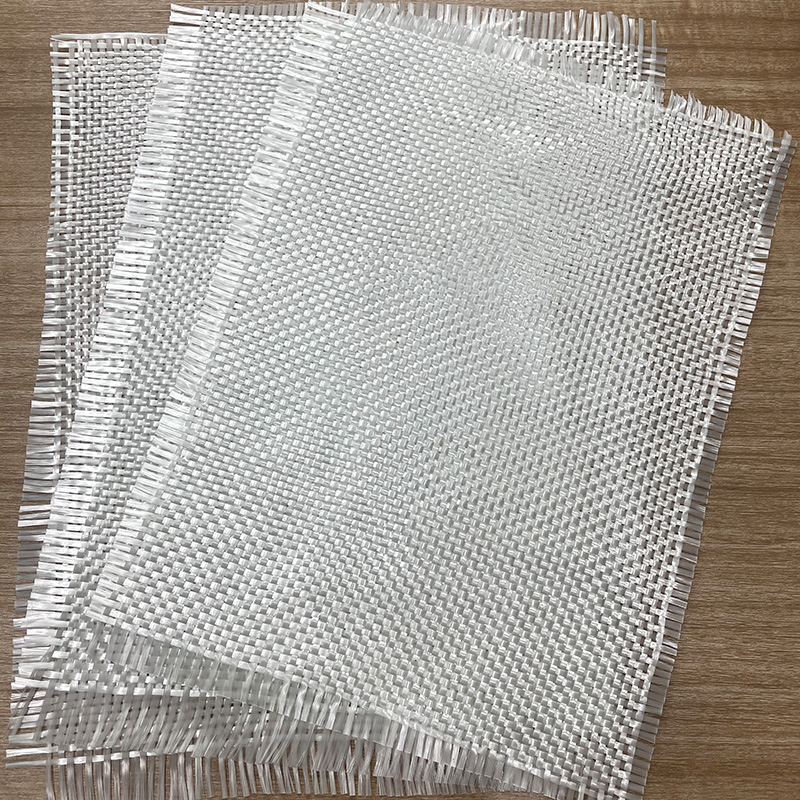
The fundamental distinction lies in construction and intended purpose. Conventional fiberglass mat is relatively thick (typically 1.5mm to 3mm), incorporates binders to stabilize fiber structure, and prioritizes structural reinforcement and bulk properties. Fiberglass tissue veil, conversely, is ultra-thin (0.5mm to 2mm), contains no binders, and prioritizes surface finishing, aesthetic quality, and barrier protection. Tissue veil is specifically engineered as a surface layer to enhance composite aesthetics and durability, while conventional mat functions as structural reinforcement throughout composite cross-sections.
Q2: Is fiberglass tissue veil waterproof and how effective is moisture protection?
While fiberglass tissue veil itself is inherently non-absorptive and exhibits excellent water resistance, it is most accurately described as water-resistant rather than completely waterproof. The material's tightly-bonded fiber structure creates an effective moisture barrier that significantly delays water penetration compared to unsealed composite surfaces. When properly integrated into composite structures and sealed with compatible resins, tissue veil effectively protects underlying fiber layers from moisture ingress and environmental degradation. For applications requiring absolute waterproofing, tissue veil should be combined with epoxy resin systems and supplementary barrier layers appropriate to specific moisture exposure conditions.
Q3: What factors influence the cost of fiberglass tissue veil materials?
Multiple variables affect pricing, including basic material specifications (thickness, basis weight, surface characteristics), order quantity (bulk purchases receive substantial wholesale discounts), fiber quality and source, manufacturing complexity for custom configurations, packaging and logistics costs, and market conditions affecting raw glass fiber pricing. Basis weights ranging from 30-50 g/m2 typically represent the most economical options for standard applications, while specialty configurations command premium pricing. Bulk orders frequently qualify for 15-30 percent cost reductions compared to small-quantity purchases, making volume analysis essential for cost optimization.
Q4: Can manufacturers provide custom size and specification fiberglass tissue veil?
Yes, professional manufacturers routinely customize virtually all material specifications including thickness, basis weight, roll width, and surface characteristics. Custom configurations typically require minimum order quantities (often 500-1000 kg depending on specifications) and longer lead times (4-8 weeks) compared to standard materials. However, customization enables precise matching of material specifications to application requirements, often resulting in superior performance and improved manufacturing economics despite longer delivery timelines.
Q5: What resin systems are compatible with fiberglass tissue veil?
Fiberglass tissue veil maintains complete compatibility with all standard thermoset composite resin systems including polyester, vinyl ester, and epoxy resins. The binder-free fiber composition ensures optimal wetting and impregnation characteristics across all resin chemistry platforms. However, proper surface preparation and selection of resin viscosity appropriate to tissue weight are essential for achieving complete fiber saturation and optimal composite performance. Technical consultation with resin and material suppliers is recommended for specialty applications or combination systems.
Q6: How is fiberglass tissue veil applied during composite manufacturing?
Tissue veil application methods vary based on manufacturing process and composite configuration. In hand lay-up processes, the material is positioned as the outermost layer immediately before final resin application, allowing wet resin to saturate the tissue and bond it to underlying composite layers. In spray-up operations, tissue veil can be applied between resin spray passes to create surface-protected composite sections. For automated processes including resin transfer molding (RTM), tissue veil is typically positioned within the mold prior to resin injection. Proper positioning and resin saturation are essential for achieving optimal performance and preventing air entrapment.
Q7: What is the typical service life of fiberglass tissue veil in various applications?
Service life depends fundamentally on application environment and specific exposure conditions. In protected indoor environments with moderate temperatures and no aggressive chemical exposure, tissue veil-reinforced composites routinely deliver 20-30 years of service life with minimal degradation. In outdoor applications or aggressive chemical environments, service life typically ranges from 10-20 years depending on specific environmental stresses and composite maintenance practices. E-glass fiber composition and proper resin selection significantly extend service life compared to alternative material systems.
Q8: Are there environmental or health considerations associated with fiberglass tissue veil manufacturing and installation?
Fiberglass tissue veil is manufactured through established industrial processes with well-understood environmental impacts. The material is non-toxic, non-flammable, and poses no health hazards under normal handling and use conditions. Standard industrial safety practices including proper ventilation during application and standard personal protective equipment (gloves and eye protection) are appropriate during installation. End-of-life recycling options vary by region, though composite scrap containing tissue veil can often be processed through existing fiberglass recycling infrastructure. Consult local environmental regulations regarding disposal and recycling options for composite waste streams.