
 English
 中文简体
中文简体 русский
 Español
When it comes to roof installation, one of the key materials to consider is roofing tissue, a critical component that can enhance both the durability and the performance of the roof. Roofing tissue, often referred to as fiberglass tissue mat, plays a pivotal role in providing an extra layer of protection, improving the adhesion between roofing layers, and ensuring the overall strength of the roof.
What is Roofing Tissue?
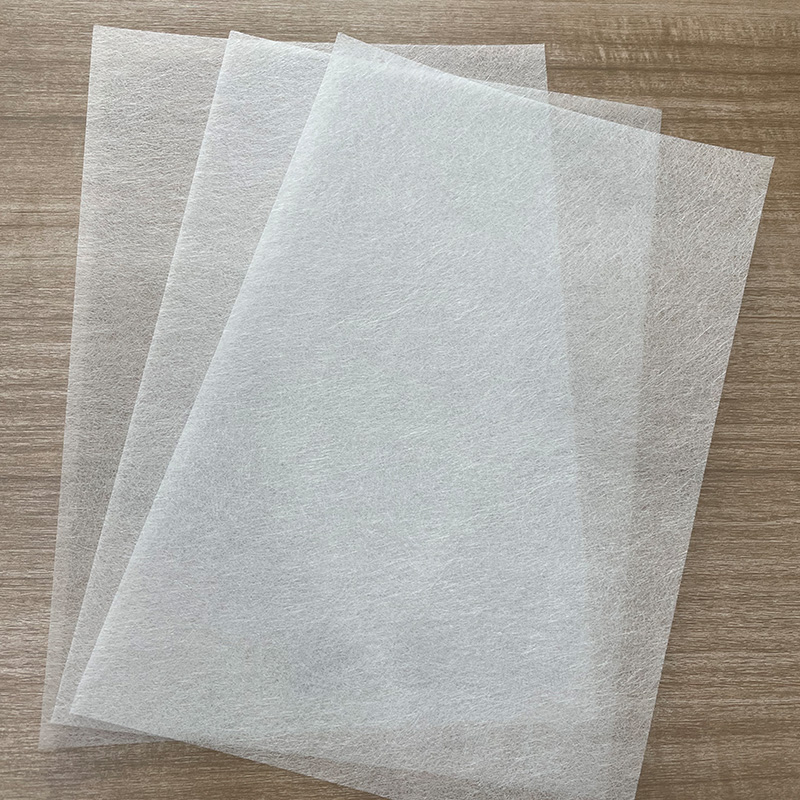
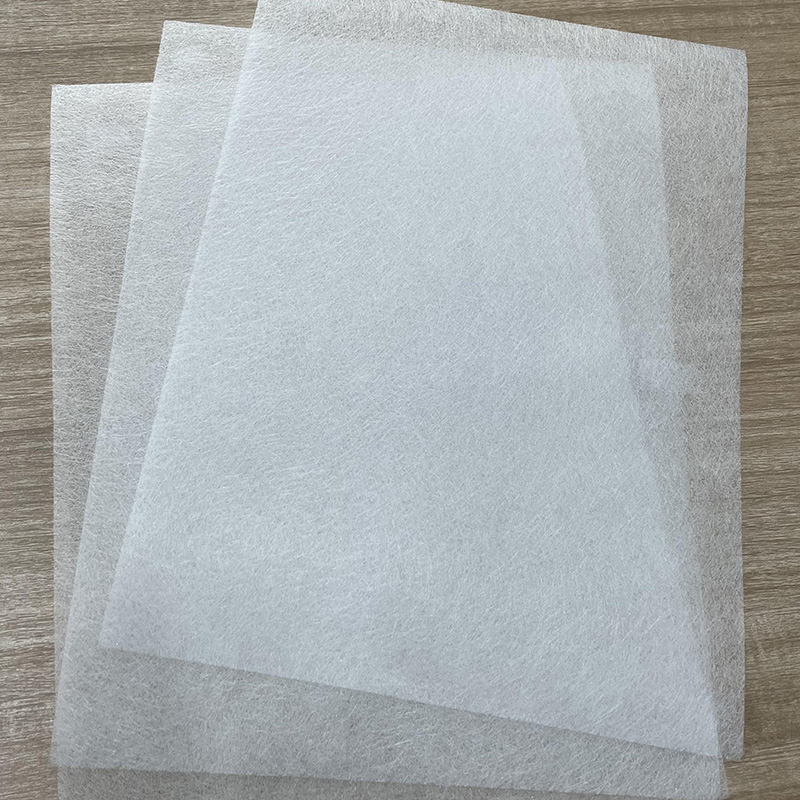
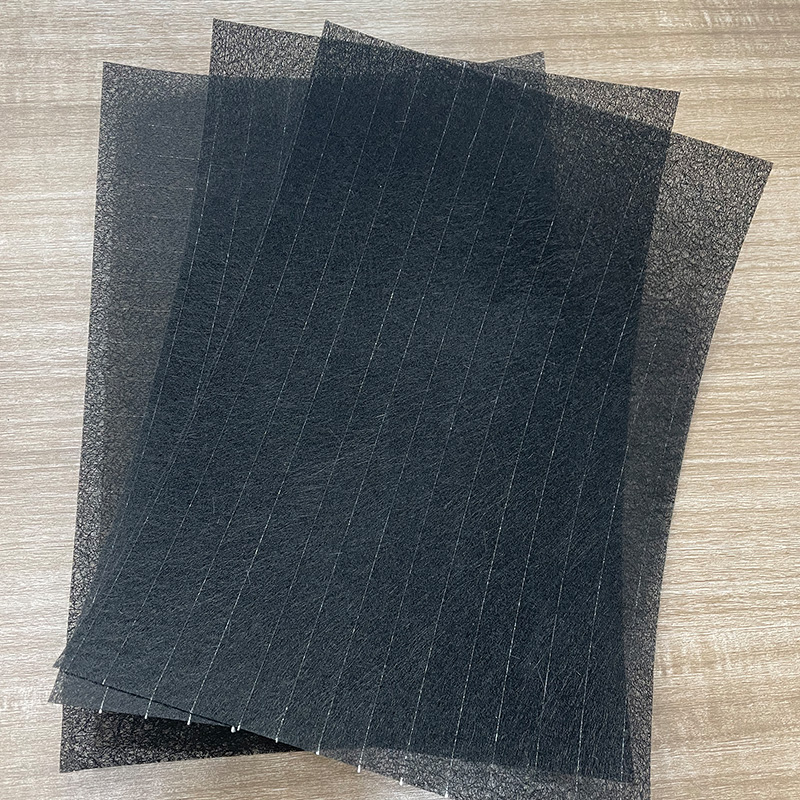
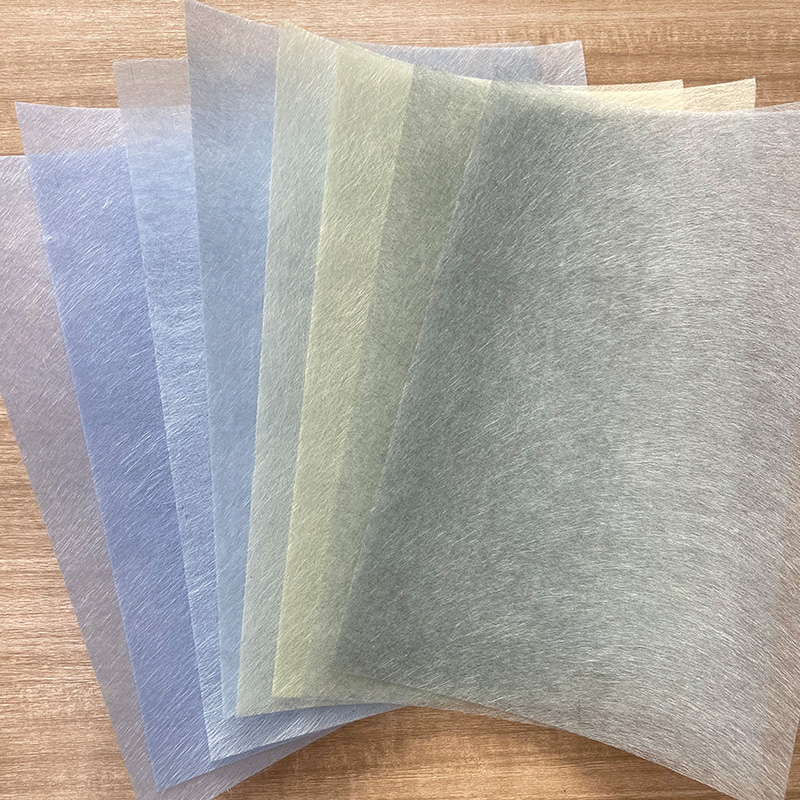
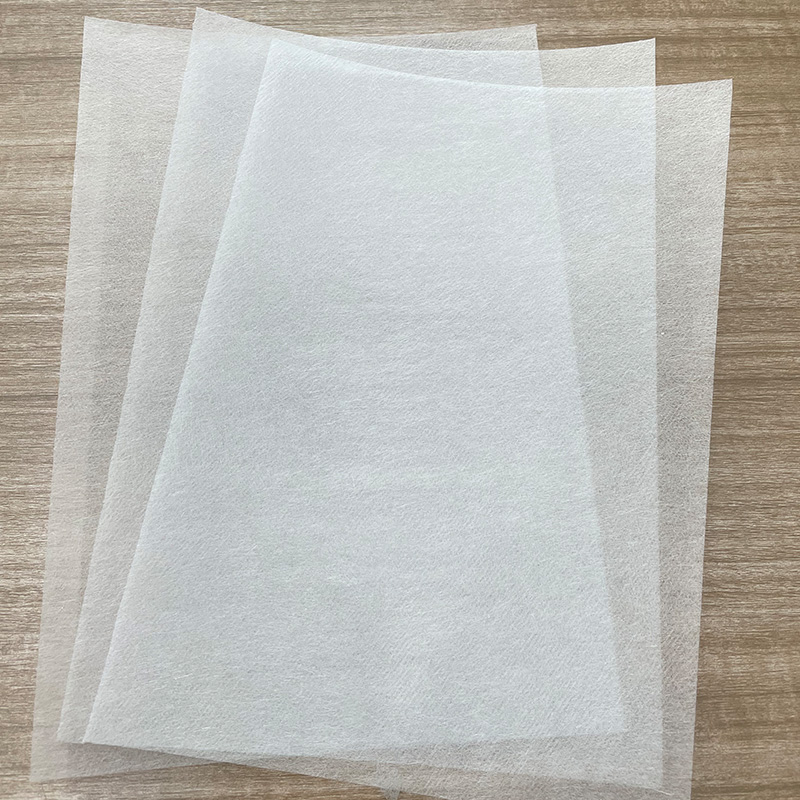
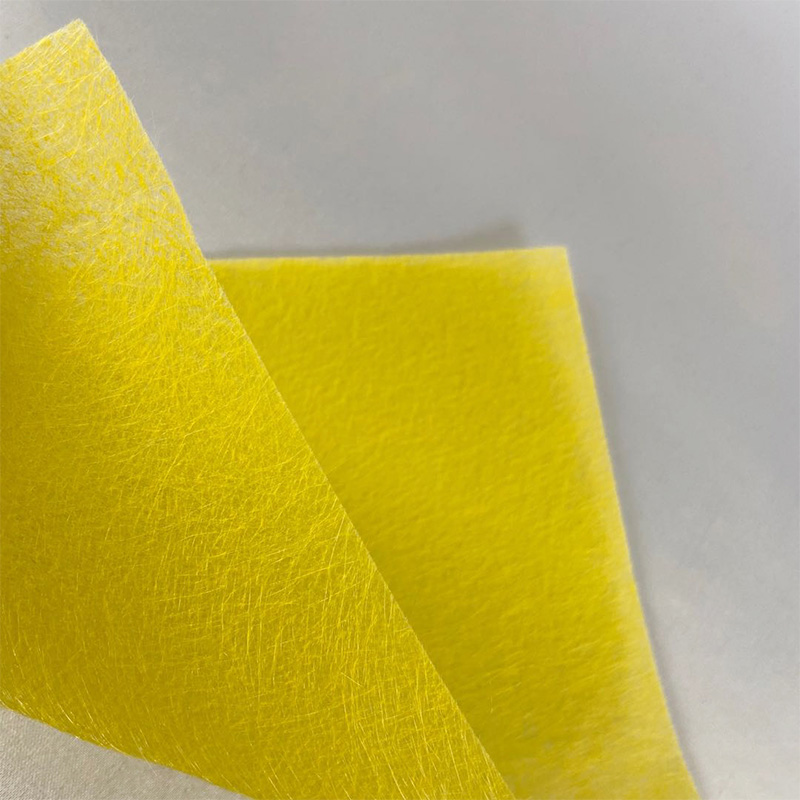
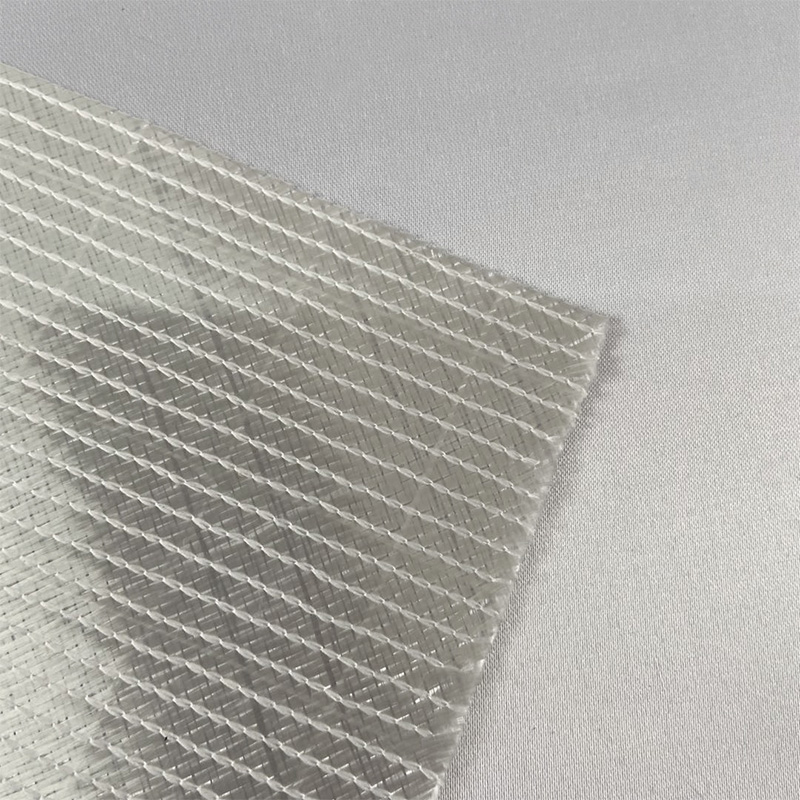
Roofing tissue is a type of matting material made from fiberglass and often used as a reinforcing layer in roofing systems. It is designed to provide support and strength to the overall roofing structure, improve moisture resistance, and ensure that the roof performs well under various weather conditions. The primary function of roofing tissue is to create a barrier that strengthens the roofing system and prevents issues such as leaks or water penetration.
Fiberglass tissue mat, a common variant of roofing tissue, offers even greater strength and durability due to its fiberglass composition. It is used as a substrate or layer in various roofing applications, including commercial and residential roofing projects.
Why is Roofing Tissue Important for Roof Installation?
Moisture Resistance: Roofing tissue acts as a moisture barrier, preventing water infiltration that could cause mold, mildew, and rotting. This is particularly crucial in areas with high humidity or frequent rainfall.
Increased Durability: The material helps in reinforcing the roofing system, making it more resilient to wind, snow, and other weather conditions.
Improved Adhesion: Roofing tissue enhances the adhesion between the roofing layers, ensuring a more secure installation.
Cost-Effectiveness: Roofing tissue is a relatively affordable option when compared to other reinforcing materials, offering long-term savings by reducing the risk of roof damage.
Types of Roofing Tissue
When choosing roofing tissue for your installation, it’s important to understand the different types available. Each type of roofing tissue has its own unique characteristics suited for different applications.
Fiberglass Roofing Tissue
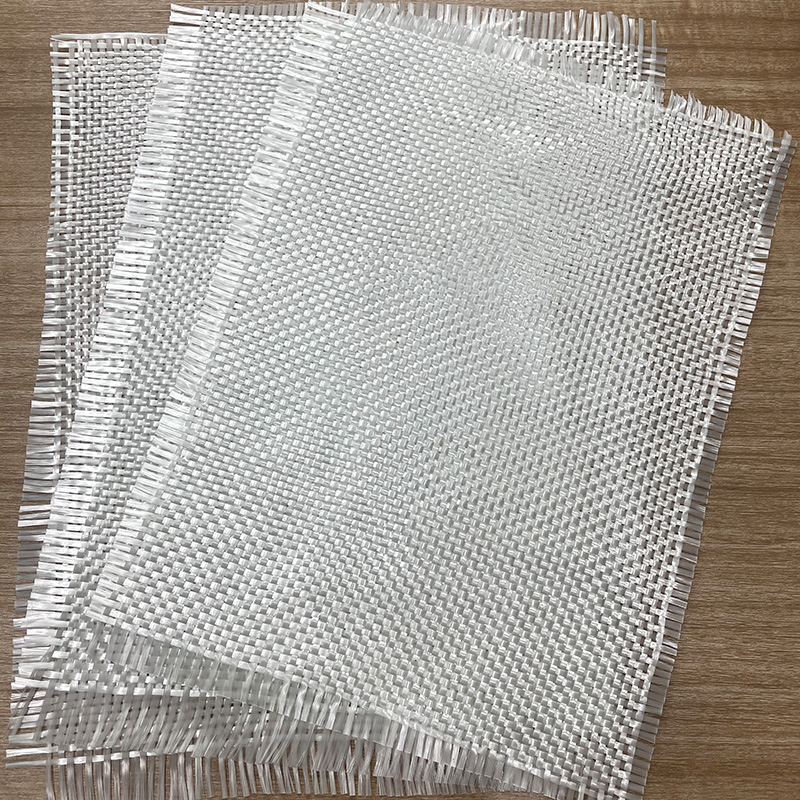
Fiberglass roofing tissue is made from finely woven strands of fiberglass and is one of the popular options for roofing applications. It offers strength and resistance to heat, making it ideal for regions with high temperatures. It is also lightweight and easy to install.
Asphalt-Saturated Roofing Tissue
This type of roofing tissue is saturated with asphalt, making it more resistant to water and moisture. It is often used in areas where water resistance is particularly important, such as flat roofs or regions with frequent rainfall.
Non-Saturated Roofing Tissue
Non-saturated roofing tissue is generally used in situations where the material’s role is more about reinforcement than moisture resistance. This type of roofing tissue can be used in conjunction with other materials to enhance the roof’s strength.
Thermal Insulation Roofing Tissue
Some roofing tissues are designed specifically for thermal insulation, offering extra protection against heat transfer. This can be an important consideration in regions with temperatures, where insulation is necessary for energy efficiency.
Factors to Consider When Choosing the Right Roofing Tissue
Climate and Weather Conditions
The climate of the area where you are installing the roof plays a significant role in choosing the right roofing tissue. For example:
- If you live in a region with high humidity or frequent rainfall, an asphalt-saturated roofing tissue may be ideal to prevent moisture penetration.
- If the area experiences heat, a fiberglass roofing tissue may be a better choice due to its high resistance to temperature fluctuations.
Roof Type and Design
The type of roof being installed will affect the choice of roofing tissue. For example:
- Flat Roofs: Flat roofs often require roofing tissue that offers high moisture resistance, such as asphalt-saturated or non-saturated tissues.
- Pitched Roofs: Pitched roofs may require a lightweight, flexible option such as fiberglass roofing tissue, which can easily conform to the shape of the roof.
Durability Requirements
If the roof is in an area that experiences frequent heavy winds, storms, or other harsh conditions, you’ll want a more durable roofing tissue that offers reinforcement. In such cases, fiberglass roofing tissue is typically the preferred option for its strength and long-lasting nature.
Installation and Maintenance
Ease of installation and maintenance is another important consideration. Some roofing tissues, such as fiberglass matting, are easier to handle and install, while others may require additional tools or expertise. Consider the complexity of installation when making your decision.
Environmental Impact
Many roofing tissues are designed with sustainability in mind, using materials that are recyclable and eco-friendly. If reducing your environmental footprint is a priority, look for roofing tissues that are made from sustainable materials or have a minimal environmental impact.
Benefits of Roofing Tissue
| Benefit | Explanation |
|---|---|
| Water Resistance | Prevents water penetration, reducing the risk of leaks and moisture damage. |
| Increased Durability | Enhances the roof’s resistance to harsh weather conditions, ensuring a longer lifespan. |
| Better Adhesion | Improves the bonding between roofing layers, ensuring a stronger and more stable roof. |
| Thermal Insulation | Provides some level of heat resistance, improving energy efficiency in buildings. |
| Cost-Effective | Offers affordable protection and reinforcement for roofs, reducing long-term maintenance costs. |
How to Install Roofing Tissue
Prepare the Roof Surface: Begin by cleaning and preparing the roof surface to ensure the roofing tissue adheres properly.
Roll Out the Roofing Tissue: Unroll the roofing tissue along the roof’s length, ensuring it is aligned and free of wrinkles or folds.
Apply Adhesive (if needed): In some cases, you may need to apply adhesive or a bonding agent to ensure the roofing tissue sticks securely to the roof.
Cut to Fit: Trim the roofing tissue as needed to ensure it fits around obstacles like vents or chimneys.
Seal the Edges: Once the tissue is applied, seal the edges to prevent moisture infiltration.
Common Mistakes to Avoid When Choosing Roofing Tissue
Choosing the Wrong Material for the Climate: Always consider the weather conditions in your area before selecting roofing tissue. Materials that perform well in one climate may not be suitable for another.
Underestimating the Importance of Quality: Cheap roofing tissue may not offer the durability or resistance needed, resulting in potential repairs or replacements down the line.
Ignoring Installation Complexity: Make sure you’re comfortable with the installation process or hire a professional if needed to avoid installation mistakes.
FAQ
1. What is the primary function of roofing tissue?
Roofing tissue serves as a reinforcement material that enhances the strength and durability of the roof, improving moisture resistance and overall performance.
2. Can roofing tissue be used on all types of roofs?
Yes, roofing tissue can be used on various roof types, but the specific material choice depends on the roof design and climate.
3. How does fiberglass roofing tissue differ from asphalt-saturated tissue?
Fiberglass roofing tissue is more durable and resistant to high temperatures, while asphalt-saturated tissue is primarily designed for enhanced moisture resistance.
4. Is roofing tissue environmentally friendly?
Many roofing tissues are made with eco-friendly materials, and some are fully recyclable, making them a good option for those looking to reduce their environmental impact.
5. How often should roofing tissue be replaced?
Roofing tissue typically lasts as long as the roofing system itself, but regular inspections are necessary to identify potential issues such as wear or damage.
 Previous