
 English
 中文简体
中文简体 русский
 Español
Introduction to Fiberglass Surfacing Veil
Fiberglass surfacing veils, also known as surfacing tissue mats, play a crucial role in the production of composite materials. They offer a variety of benefits, from enhancing surface properties to improving the overall durability of the product. When selecting the right fiberglass surfacing veil, there are several factors to consider, including material properties, manufacturing methods, and the specific needs of the final product.
What is Fiberglass Surfacing Veil?
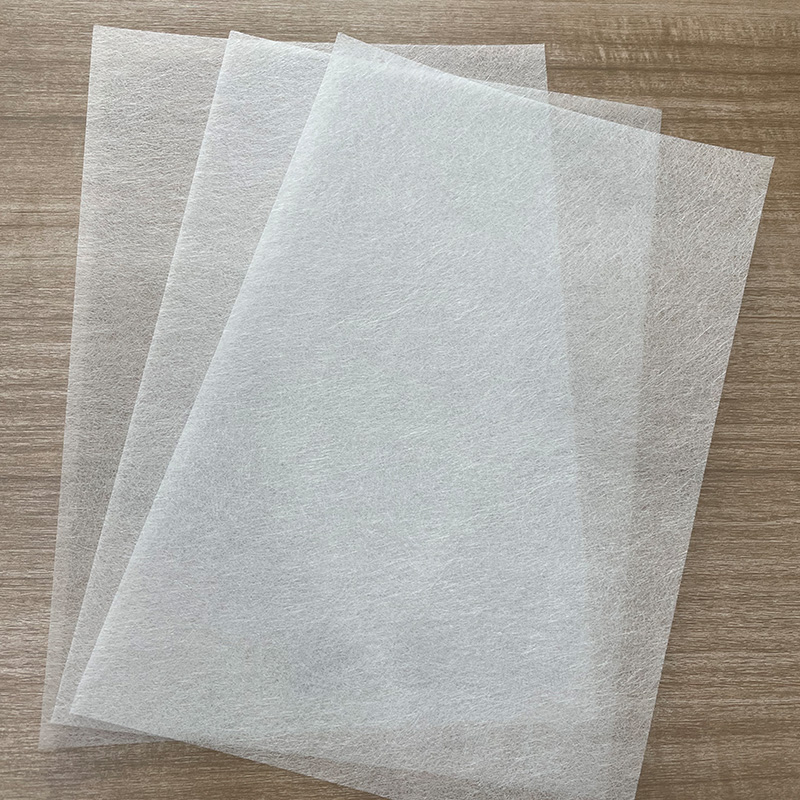
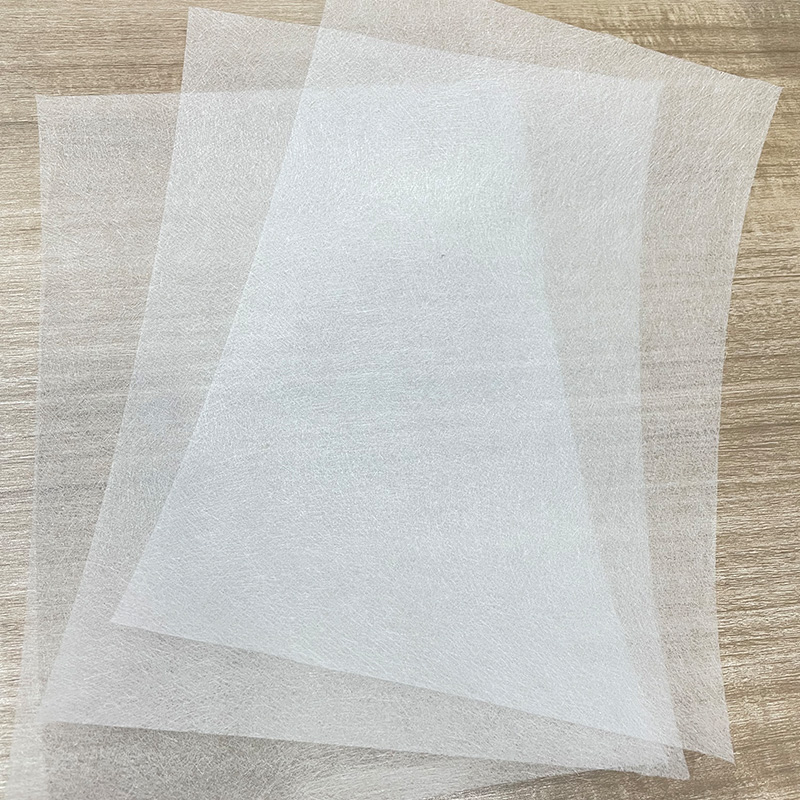
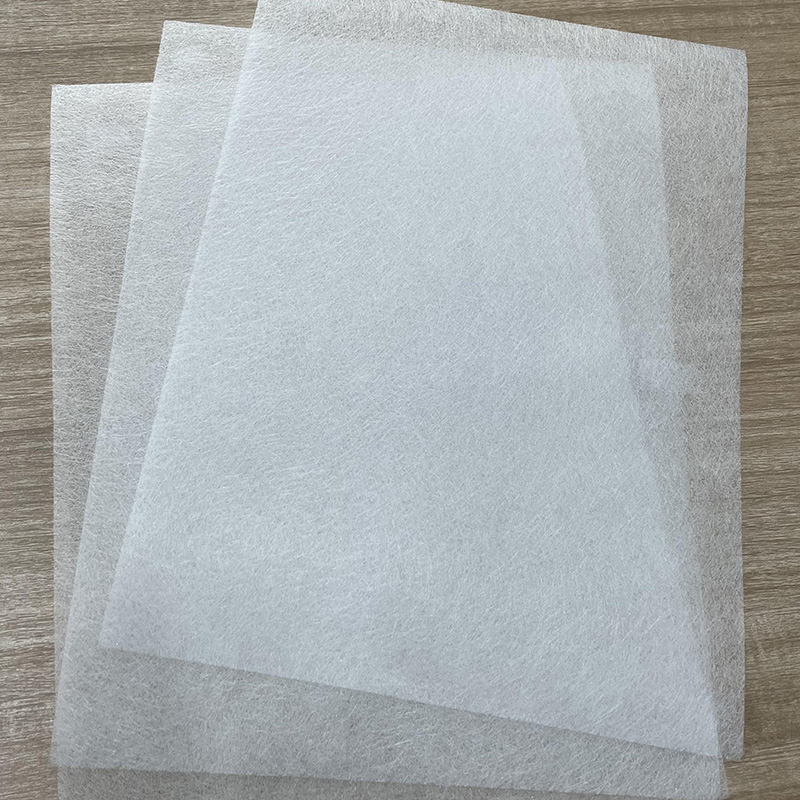
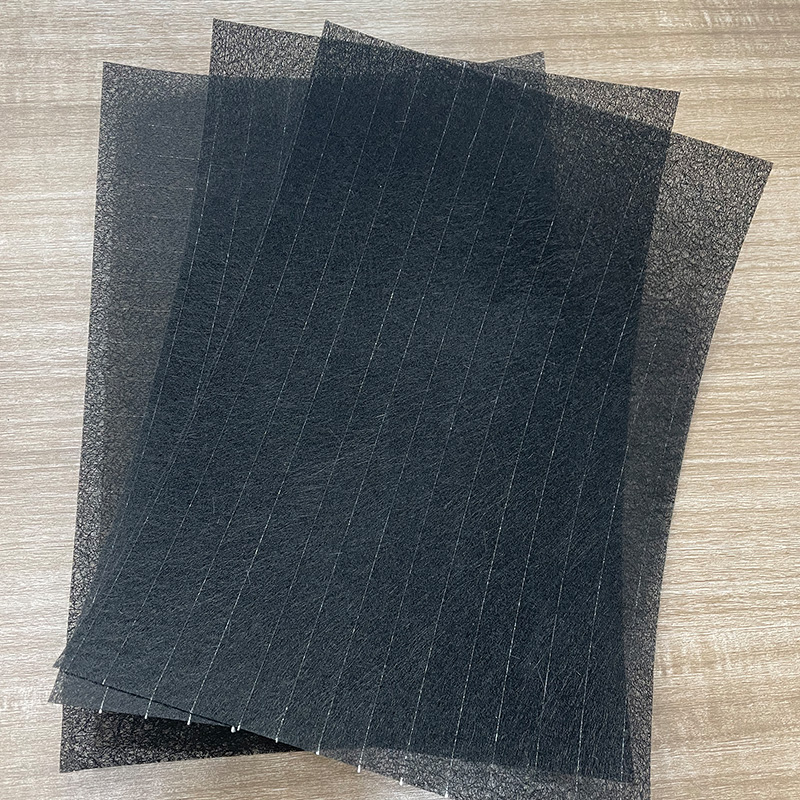
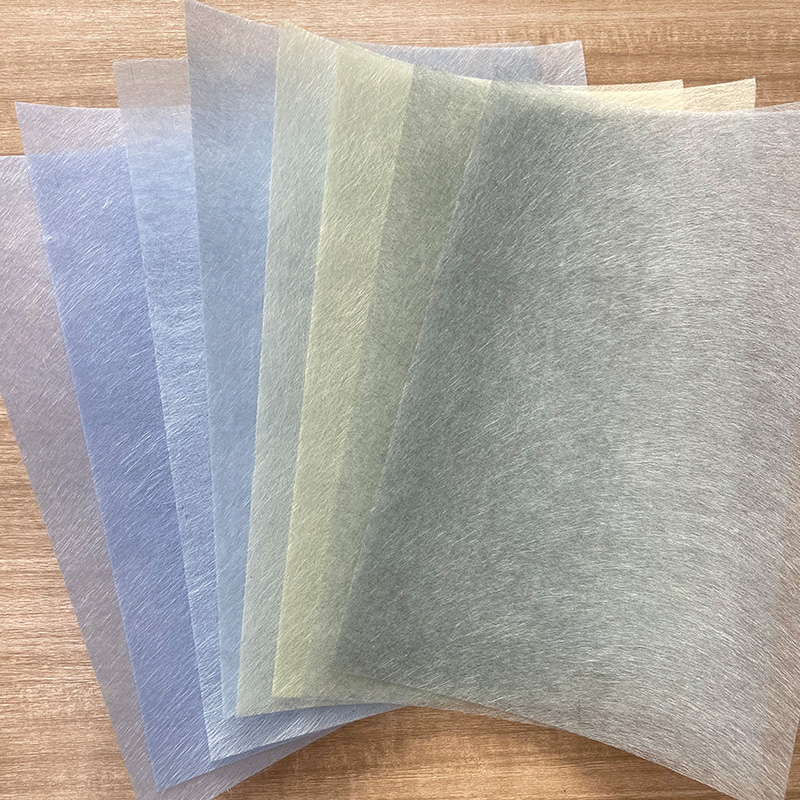
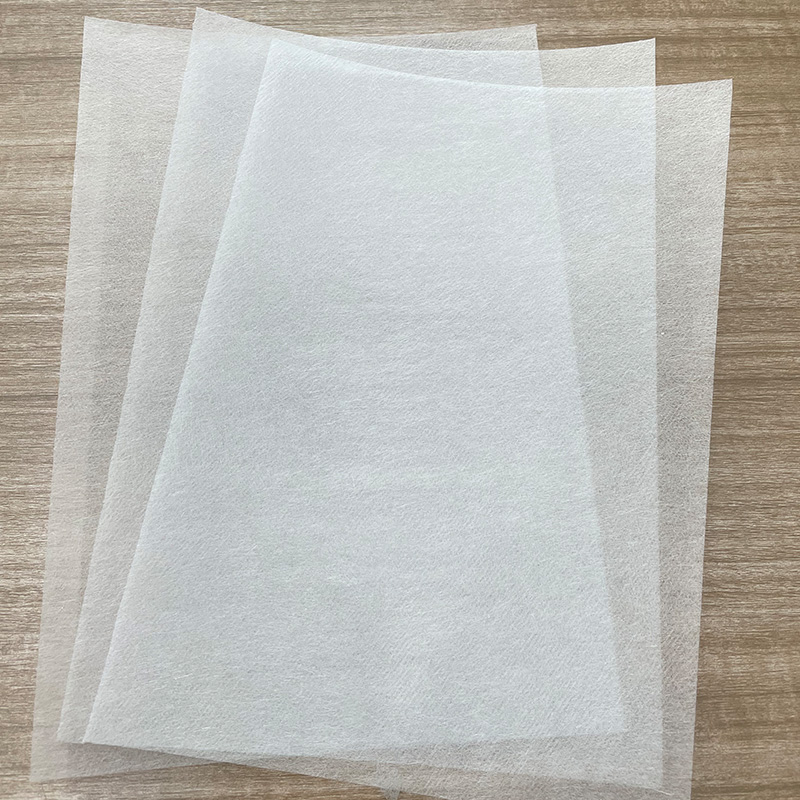
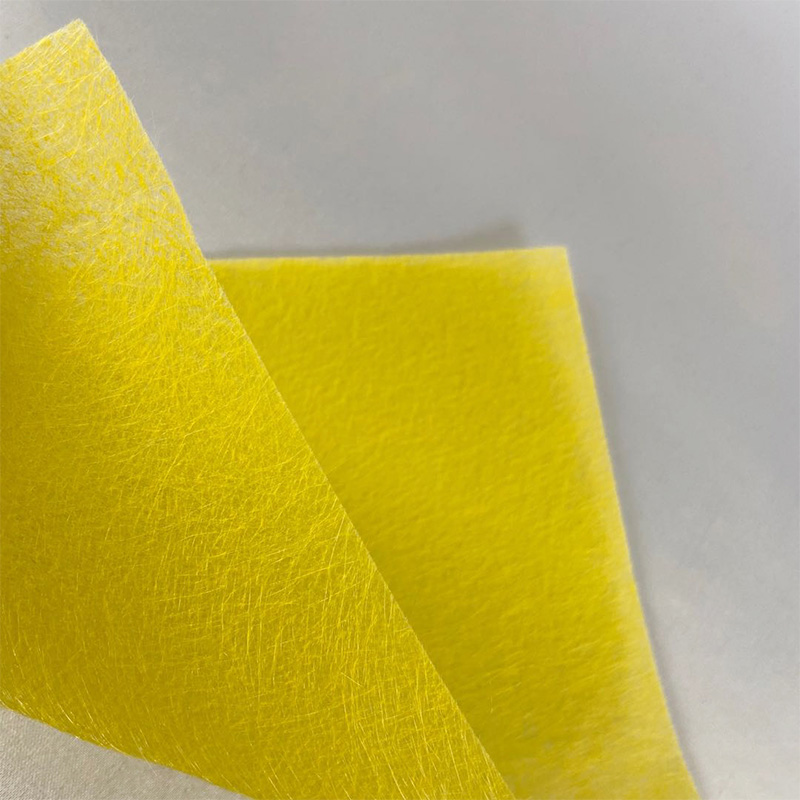
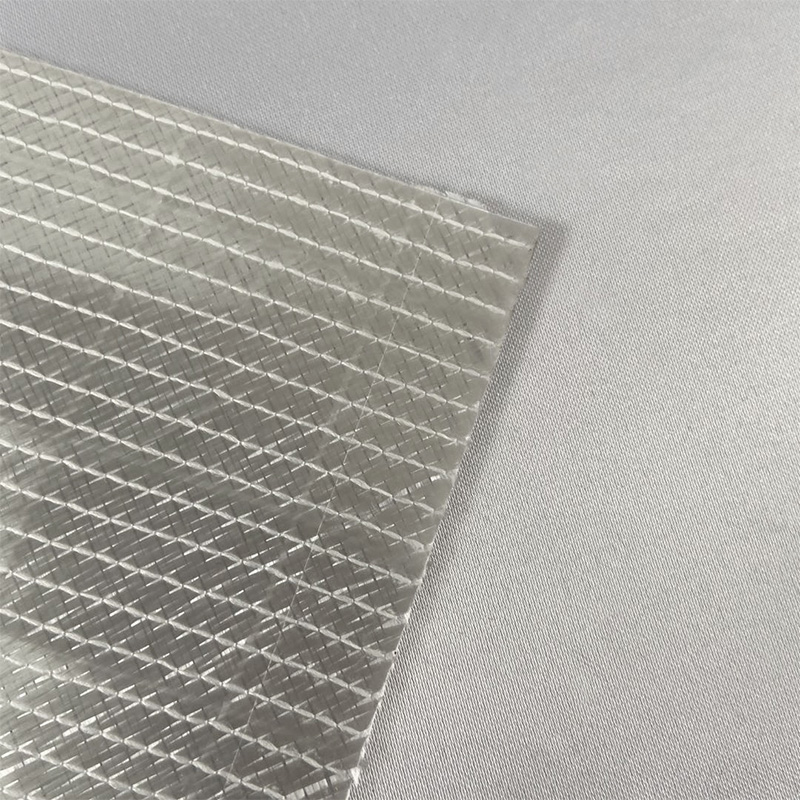
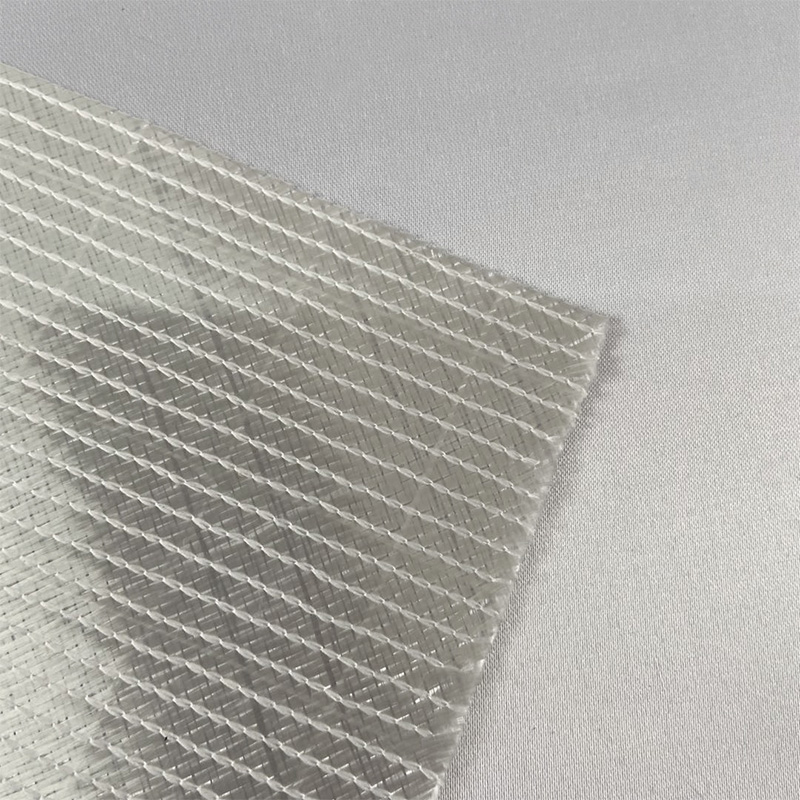
Fiberglass surfacing veil is a non-woven mat made from fine fiberglass filaments. It is typically used to enhance the surface appearance and performance of composite materials, such as fiberglass-reinforced plastic (FRP) or polyester resins. The veil helps in providing a smooth surface, preventing the migration of resins, and improving the overall finish.
Key Factors to Consider When Selecting Fiberglass Surfacing Veil
Material Composition
The primary component of a fiberglass surfacing veil is fiberglass, which offers strength, durability, and resistance to high temperatures and chemicals. The type of fiberglass used (e.g., E-glass, S-glass) can influence the performance characteristics of the surfacing veil.
Weight and Thickness
The weight and thickness of the fiberglass tissue mat directly affect its performance. Thicker veils are typically used for applications requiring higher surface integrity, while thinner veils are chosen for lightweight, high-quality finishes. It is essential to select a surfacing veil with the right thickness to ensure bonding and a smooth surface finish.
Manufacturing Process
Different manufacturers may utilize varying production techniques to create fiberglass surfacing veils. Whether it’s needle punching, air-laid, or other methods, the manufacturing process influences the veil’s performance. It’s important to understand the differences between these methods to choose the one that suits your requirements.
Resin Compatibility
Resin compatibility is an important factor when selecting a fiberglass surfacing veil. The veil must be compatible with the resin system used in the composite material. This ensures that the veil will bond effectively with the resin, offering better surface finishes and overall performance.
Surface Finish and Aesthetics
The quality of the surface finish is critical in many applications. Fiberglass surfacing veils are designed to enhance the smoothness of the composite surface, which is especially important in industries where aesthetics are a primary concern, such as automotive and marine manufacturing.
Chemical and Environmental Resistance
The surfacing veil’s ability to resist environmental factors such as moisture, UV radiation, and temperature fluctuations is essential for long-term durability. Some veils offer enhanced resistance to these elements, making them ideal for applications in harsh environments.
Cost vs. Performance
While selecting the appropriate fiberglass tissue mat, it’s important to balance cost and performance. Higher-end veils may offer performance but come with a higher price tag. Evaluating the specific requirements of the end-use application can help determine the product that provides the necessary performance within a reasonable budget.
Comparison Table: Fiberglass Surfacing Veil Characteristics
| Feature | Standard Fiberglass Surfacing Veil | Premium Fiberglass Surfacing Veil |
|---|---|---|
| Material Type | E-glass | S-glass |
| Thickness | 0.2mm - 0.5mm | 0.5mm - 1.0mm |
| Resin Compatibility | Standard polyester and epoxy | Advanced resin systems |
| Surface Finish | Smooth, but may require sanding | Superior, smooth finish |
| UV Resistance | Low | High |
| Chemical Resistance | Moderate | High |
| Cost | Low | High |
Common Applications of Fiberglass Surfacing Veils
Fiberglass surfacing veils are widely used in many industries, including:
- Automotive: For creating smooth, high-quality finishes on automotive parts.
- Marine: To enhance the surface quality of boats and other marine structures.
- Construction: In the production of durable, weather-resistant materials for construction applications.
- Aerospace: To improve the surface finish of composite materials used in aircraft components.
Conclusion
Selecting the right fiberglass surfacing veil is essential for ensuring that the composite material meets the required performance and aesthetic standards. By considering factors such as material composition, resin compatibility, thickness, and environmental resistance, you can make an informed decision. It’s important to work with reliable fiberglass surfacing veil manufacturers who understand the specific needs of your application and can deliver high-quality products tailored to those requirements.
FAQ
1. What is the difference between fiberglass tissue mat and fiberglass surfacing veil?
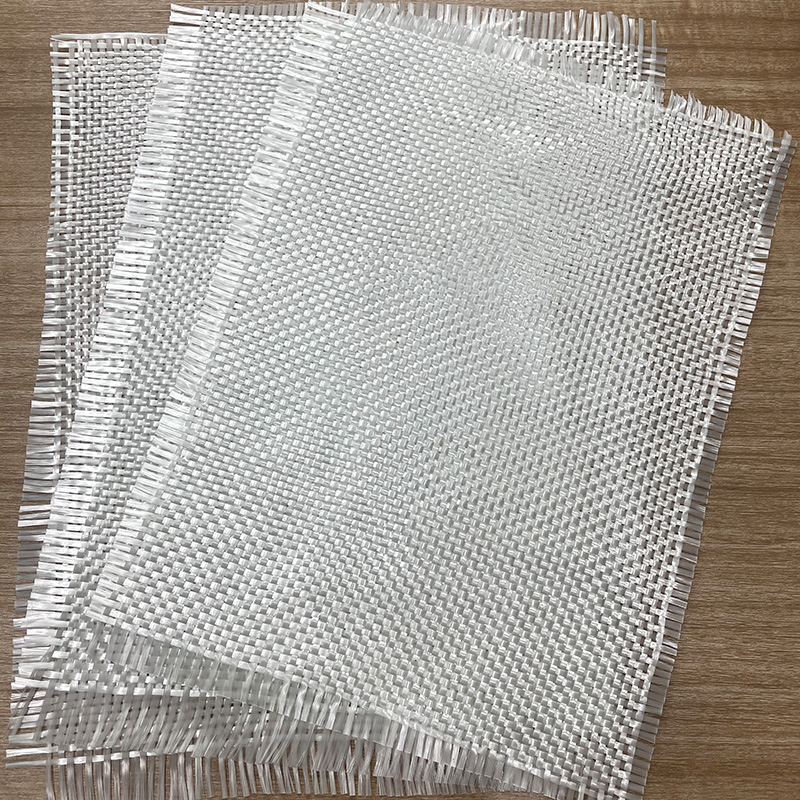
Fiberglass tissue mat is a general-purpose material used for reinforcing composites, while fiberglass surfacing veil is specifically designed to improve the surface finish and prevent resin migration.
2. How do I choose the right thickness for my fiberglass surfacing veil?
The thickness of the surfacing veil should be selected based on the desired surface finish and the mechanical properties of the composite material. Thicker veils provide better surface quality but may affect overall weight.
3. Can fiberglass surfacing veils be used with all types of resins?
Most fiberglass surfacing veils are compatible with polyester and epoxy resins. However, it’s essential to verify compatibility with the specific resin system being used for bonding and performance.
4. Are fiberglass surfacing veils environmentally friendly?
Fiberglass surfacing veils are resistant to environmental factors like moisture, UV radiation, and chemicals. However, their environmental impact depends on the manufacturing process and disposal methods. It’s advisable to consult manufacturers for more details on eco-friendly options.
5. What industries use fiberglass surfacing veils?
Fiberglass surfacing veils are commonly used in the automotive, marine, construction, and aerospace industries to improve surface finishes and durability of composite materials.
 Previous