
 English
 中文简体
中文简体 русский
 Español
Understanding Glass Fiber Cloth: Material Composition and Industrial Significance
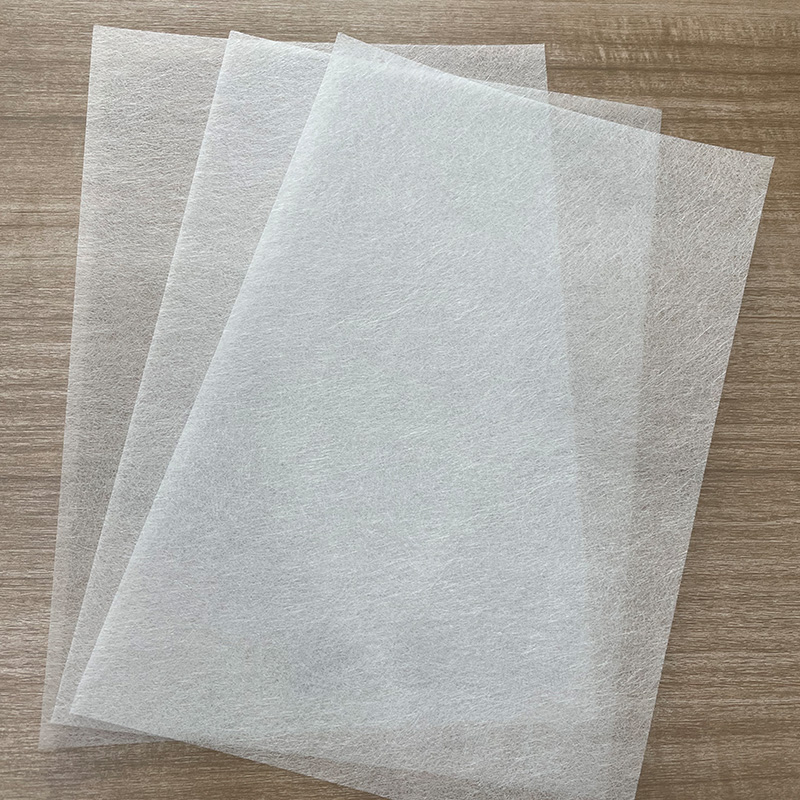
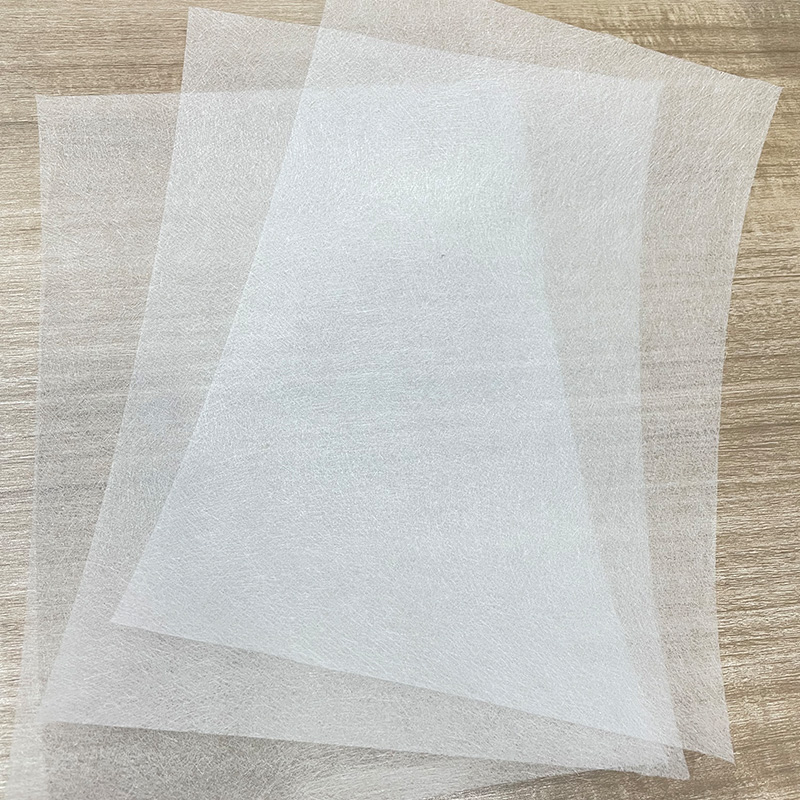
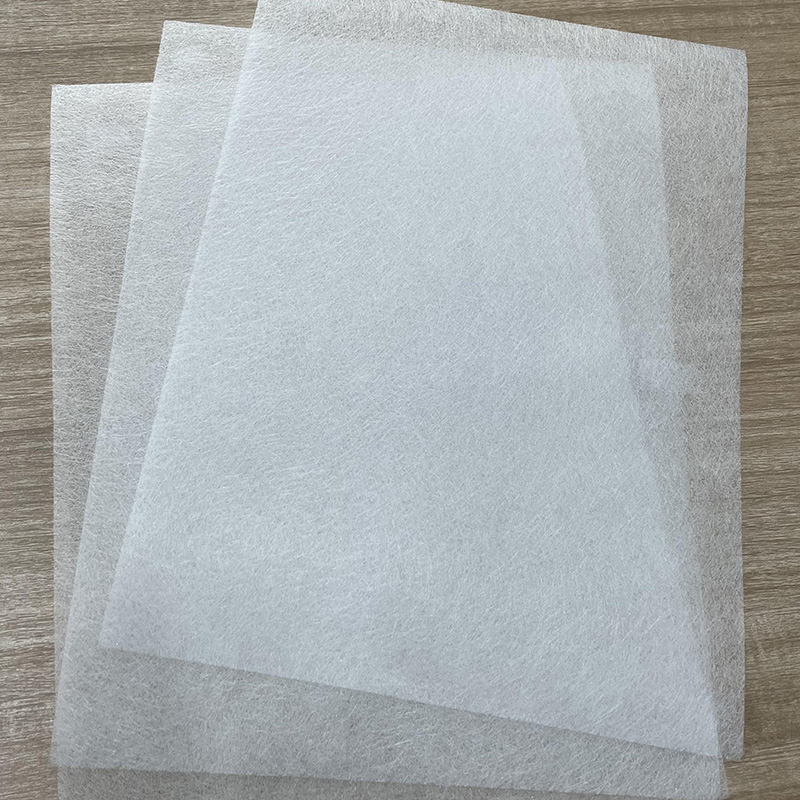
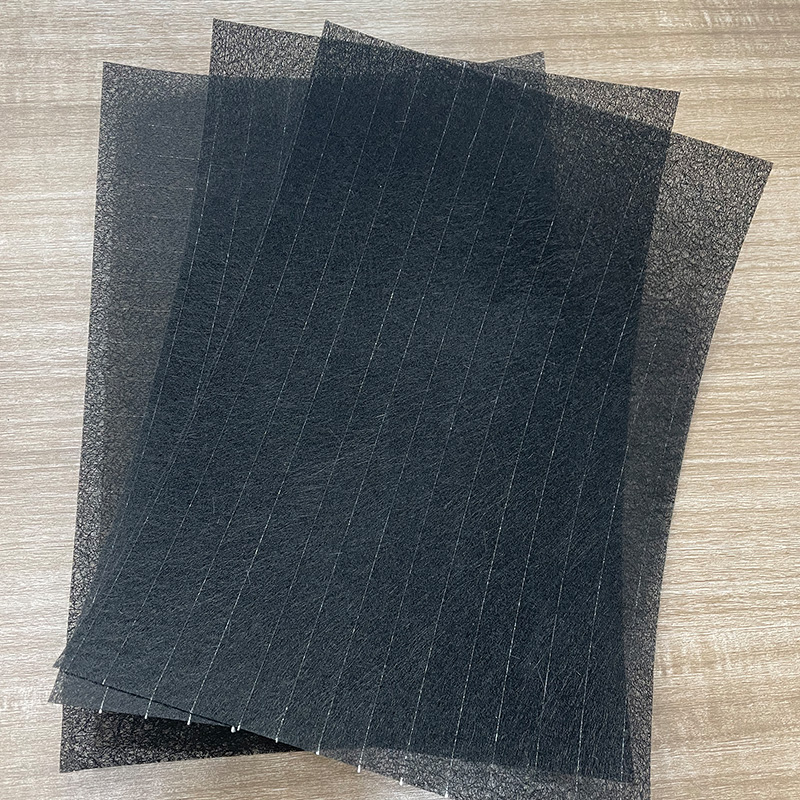
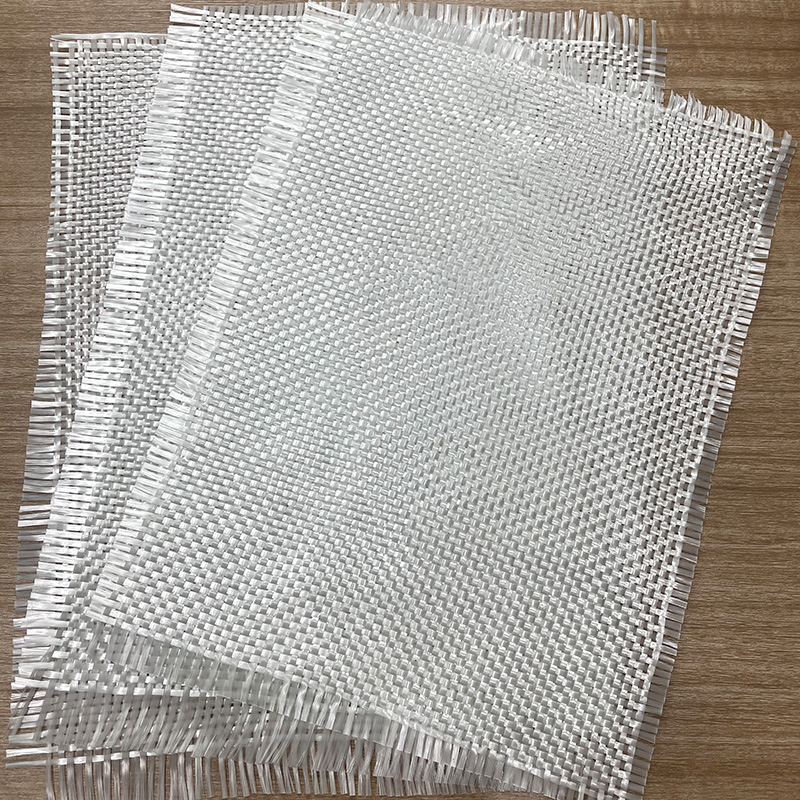
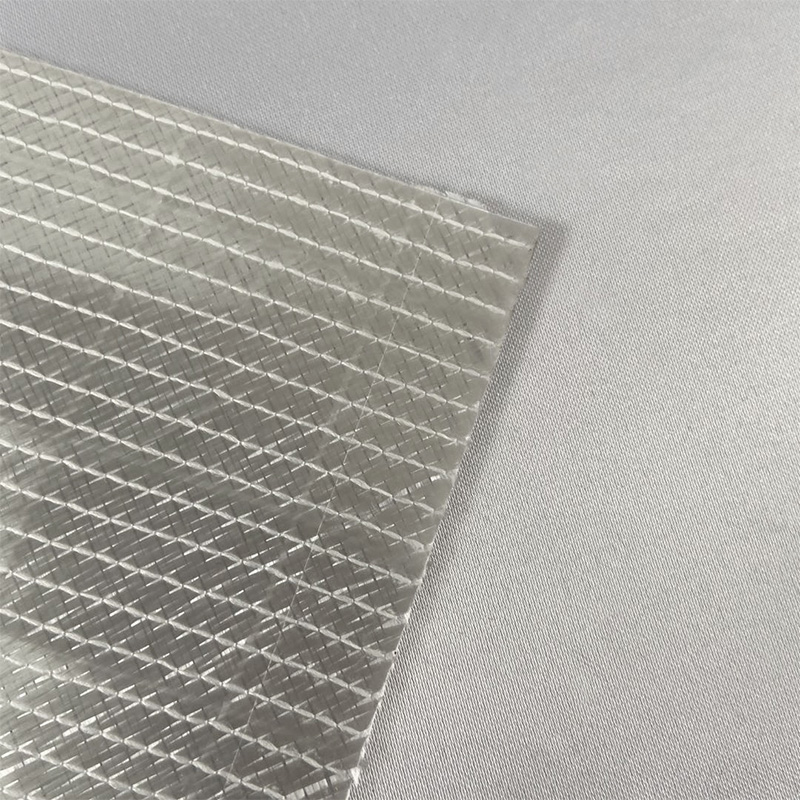
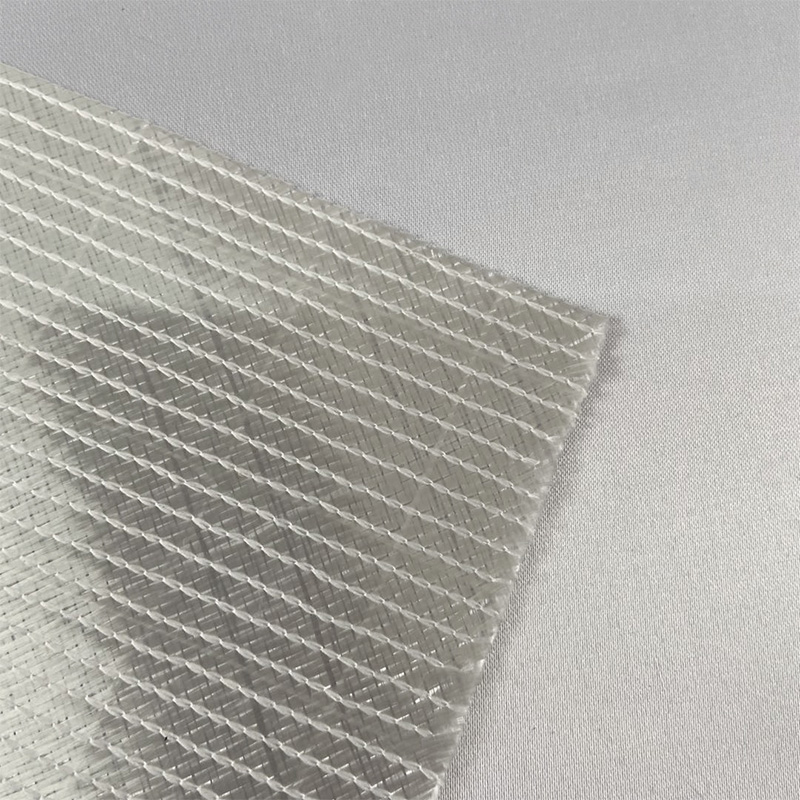
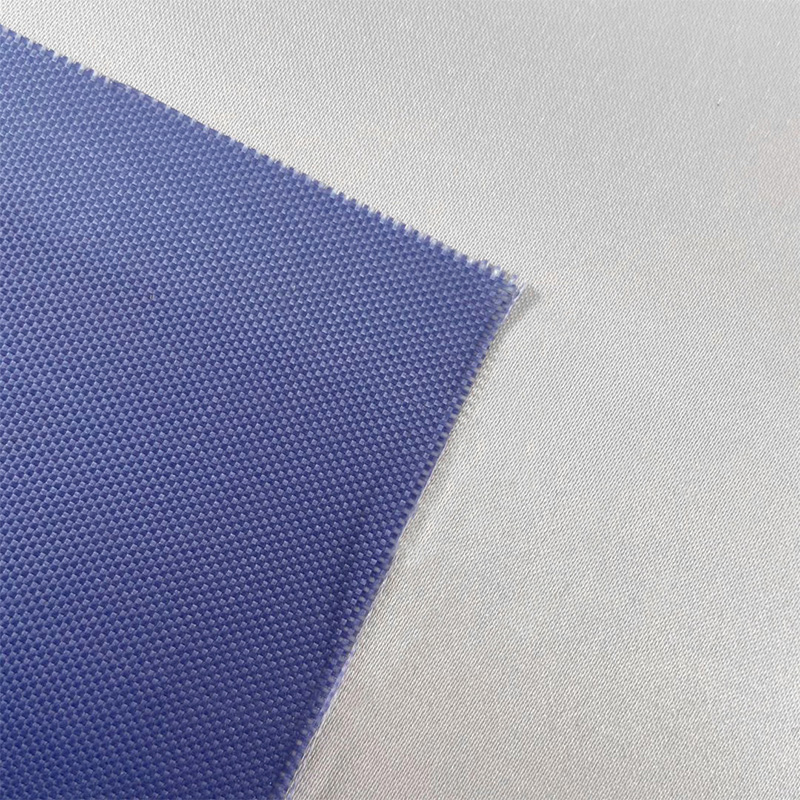
Glass fiber cloth represents a fundamental advancement in industrial textiles, engineered to meet the demanding requirements of modern manufacturing and construction sectors. This specialized fabric is composed of fine glass filaments woven together to create a robust, versatile material with exceptional performance characteristics.
The production of glass fiber cloth involves several critical stages: raw glass materials are heated to extreme temperatures, extruded into fine filaments through precision spinnerets, and then intricately woven into various patterns and densities. Unlike conventional textiles, glass fiber cloth maintains its structural integrity across extreme temperature ranges, making it indispensable for applications requiring reliability and durability.
What distinguishes glass fiber cloth from ordinary textiles is its fundamental material composition. While standard fabrics depend on organic fibers that degrade under heat, chemical exposure, or UV radiation, glass fiber cloth provides permanent resistance to these environmental stressors. This characteristic places it in a specialized category of industrial materials designed for environments where conventional textiles fail.
Key Differences Between Glass Fiber Cloth and Standard Textiles
- Thermal stability: Maintains properties at temperatures exceeding 300 degrees Celsius, while standard fabrics combust or degrade
- Chemical resistance: Unaffected by most industrial solvents, oils, and corrosive substances that would damage conventional textiles
- Dimensional stability: Does not shrink, warp, or lose tensile properties over extended use periods
- Non-flammable nature: Inherently flame-resistant without requiring chemical treatments that diminish breathability
- Electrical properties: Offers excellent insulation characteristics essential for electrical applications
Core Performance Characteristics of Premium Glass Fiber Cloth
Industrial-grade glass fiber cloth delivers multiple performance advantages that address specific manufacturing and engineering challenges. Each characteristic addresses real-world application requirements where material failure creates substantial operational and safety concerns.
Exceptional Heat Resistance Performance
High temperature glass fiber cloth maintains structural integrity across extreme thermal environments. The glass composition allows continuous operation at temperatures between 200 to 350 degrees Celsius, with short-term exposure tolerance reaching 500 degrees Celsius in certain specialized formulations. This thermal stability ensures consistent performance in applications ranging from furnace linings to industrial pipe insulation, where temperature fluctuations would otherwise compromise material integrity.
The thermal resistance derives from the fundamental properties of glass fibers, which do not undergo phase transitions or molecular degradation within typical industrial temperature ranges. This differs fundamentally from polymer-based alternatives that soften, melt, or release toxic fumes when exposed to comparable heat.
Fire Resistance and Flame Retardant Properties
Fire resistant glass fiber cloth provides inherent flame protection without chemical additives. The non-combustible nature of glass fibers means the material will not ignite, propagate flames, or contribute to fire spread regardless of temperature exposure. This fundamental property distinguishes glass fiber cloth from organic textiles treated with surface-level flame retardant coatings that can wear away or degrade over time.
Industrial applications frequently require materials meeting strict fire safety standards. Glass fiber cloth achieves these certifications through inherent material properties rather than surface treatments, ensuring consistent performance throughout the product lifecycle.
Superior Insulation Performance
Thermal insulation capacity makes glass fiber cloth valuable for temperature control applications. The low thermal conductivity combined with air gaps within the woven structure creates effective insulation barriers that minimize heat transfer. This property proves essential in pipeline insulation, equipment wrapping, and building envelope applications where energy efficiency directly impacts operational costs.
Beyond thermal insulation, electrical insulation properties provide critical advantages in power generation, distribution, and industrial electrical equipment. The non-conductive nature of glass fibers protects personnel from electrical hazards while preventing current leakage that could reduce equipment efficiency or create fire risks.
Waterproof and Corrosion Resistance Capabilities
Waterproof glass fiber cloth exhibits inherent resistance to moisture absorption and chemical degradation. Unlike natural fibers that swell when wet or degrade in acidic and alkaline environments, glass fibers remain dimensionally stable and structurally sound across diverse chemical exposures. This characteristic extends material lifespan in coastal environments, chemical processing facilities, and applications involving frequent wash-down procedures.
The corrosion resistance extends to both the fibers themselves and the weaving structure. Even when exposed to saltwater, industrial effluent, or aggressive cleaning chemicals, the material maintains tensile strength and dimensional accuracy essential for performance-critical applications.
High Tensile Strength and Durability
Glass fiber cloth combines high mechanical strength with exceptional durability. The tensile strength allows the material to withstand pulling, tearing, and abrasive forces encountered during installation, operation, and maintenance. Unlike delicate specialty textiles, glass fiber cloth can endure rough handling, mechanical stress, and extended operational cycles without premature failure.
The durability factor proves particularly valuable for applications involving repeated thermal cycling, mechanical vibration, or exposure to multiple environmental stressors simultaneously. This combination of properties ensures extended service life and reduced maintenance requirements compared to alternative materials.
Comprehensive Classification of Glass Fiber Cloth Varieties
The glass fiber cloth market encompasses diverse product variations engineered for specific application requirements. Understanding these classifications enables informed selection of materials optimized for particular operational environments and performance criteria.
Functional Classification by Primary Application
Glass fiber cloth formulations vary based on intended end-use requirements:
- Heat insulation type: Engineered for thermal management applications, featuring lower density weaves that maximize air retention while maintaining structural integrity
- Fireproof type: Optimized for fire protection applications requiring maximum flame resistance and smoke suppression, often featuring tighter weaves for enhanced surface protection
- Waterproof type: Treated or formulated for moisture exclusion applications, maintaining low water absorption rates even during prolonged immersion
- Anti-corrosion type: Enhanced for chemical resistance applications, selected from fiberglass compositions offering superior durability in acidic, alkaline, or solvent-rich environments
Specification Categories: Weight, Thickness, and Mesh Configuration
Physical specifications directly influence material performance and suitability for particular applications. Weight ratings typically range from 100 grams per square meter for lightweight applications to 800+ grams per square meter for heavy-duty industrial use. Thickness varies correspondingly, affecting both insulation capacity and mechanical flexibility.
Mesh size—the spacing between individual threads—ranges from tight weaves with 20+ threads per inch for fine filtration or smooth surface applications to loose weaves with 4-8 threads per inch for maximum air permeability and lightweight construction. The selection of mesh configuration significantly impacts both the material's functional performance and its visual appearance in exposed applications.
Customization Services and Tailored Solutions
Modern manufacturing capabilities enable customization addressing specific operational requirements. Standard customization options include precision sizing to exact dimensional specifications, surface coating applications enhancing particular properties, and branding applications for identification or aesthetic requirements. This flexibility allows end-users to optimize material selection for their specific applications rather than accepting standardized products that may not perfectly match operational needs.
Diverse Industrial Applications for Glass Fiber Cloth
The versatility of glass fiber cloth extends across numerous industrial sectors where material performance directly influences operational efficiency, safety, and longevity. Understanding these applications illustrates why glass fiber cloth represents an essential industrial material.
Industrial Thermal Insulation Systems
Thermal insulation applications represent a primary market for glass fiber cloth, particularly in pipeline systems, equipment insulation, and industrial furnace protection. The material's low thermal conductivity creates effective insulation barriers that reduce heat loss in heating systems or prevent heat gain in refrigeration applications. This functionality directly translates to energy cost reduction, making material investment rapidly recoverable through operational savings. Industrial facilities utilizing glass fiber cloth insulation report energy efficiency improvements ranging from 15 to 30 percent depending on application configuration and maintenance standards.
Building and Construction Fire Protection
Fire protection applications leverage the inherent non-combustibility of glass fiber cloth. Building codes increasingly mandate materials meeting specific fire safety certifications. Glass fiber cloth satisfies these requirements through fundamental material composition rather than surface treatments, ensuring consistent performance over extended periods. Common applications include protective wrapping around structural elements, fire barrier installations, and compartmentalization systems designed to contain fire spread within limited zones.
Electrical and Power Systems Insulation
The electrical insulation sector relies on glass fiber cloth for motor insulation, transformer wrapping, power cable protection, and high-voltage equipment insulation. The non-conductive properties combined with thermal stability make glass fiber cloth ideal for applications where electrical equipment generates substantial heat during operation. This application category includes both utility-scale power generation and industrial electrical distribution systems.
Automotive and Aerospace Component Manufacturing
The automotive and aerospace industries utilize glass fiber cloth in composite manufacturing, exhaust system insulation, and thermal management applications. Lightweight characteristics combined with superior thermal properties address the dual requirements of modern vehicle design: reducing overall weight to improve fuel efficiency while managing thermal stresses from powertrains and aerodynamic friction. Aerospace applications demand even more stringent performance standards, and glass fiber cloth meets these requirements with consistent material quality and reliability.
Marine and Chemical Industry Protection Systems
Harsh maritime environments and chemical processing facilities present extreme challenges for conventional materials. Glass fiber cloth resists saltwater corrosion, chemical degradation, and UV exposure that would rapidly deteriorate alternative materials. Applications include equipment protection, chemical containment systems, and structural wrapping designed to extend asset lifespan in inherently corrosive environments. The material's resistance to both chemical attack and physical degradation makes it economically superior to frequent replacement of less durable alternatives.
Glass Fiber Cloth Wholesale Pricing and Supply Solutions
Understanding price structures and wholesale availability enables organizations to optimize procurement strategies and achieve maximum cost efficiency when sourcing glass fiber cloth for substantial projects.
Price Determinants and Cost Factors
Glass fiber cloth pricing reflects multiple variables influencing production costs, material specifications, and market supply conditions:
- Specification and weight: Higher weight specifications and tighter weaves command premium pricing due to increased material content and manufacturing complexity
- Surface treatment and coatings: Specialized surface treatments enhancing particular properties (waterproofing, enhanced thermal properties) add material and processing costs
- Production technique: Different weaving methods and fiber configurations influence production efficiency and material yields
- Order volume: Bulk purchasing substantially reduces per-unit costs, with volume discounts typically increasing incrementally at established thresholds
- Customization requirements: Custom sizing, specialized packaging, or branding applications introduce additional labor and setup expenses
- Market conditions and material sourcing: Raw material costs, energy prices, and production capacity influence the overall pricing landscape
Wholesale and Bulk Supply Advantages
Procuring glass fiber cloth directly from manufacturing sources rather than through distribution intermediaries provides substantial economic benefits. Direct manufacturer relationships eliminate distributor markups, typically reducing effective costs by 20 to 40 percent depending on order volumes and specifications. Additionally, manufacturers maintain larger inventory buffers and faster production capacity, enabling reliable fulfillment of substantial orders without extended lead times.
Bulk purchasing leverages economies of scale, with per-unit pricing declining progressively as order quantities increase. Many manufacturers offer tiered pricing structures where pricing reductions become more substantial at higher volume levels, allowing organizations to model cost optimization based on their specific supply requirements.
Manufacturing Transparency and Pricing Philosophy
Professional suppliers maintain transparent pricing practices featuring no hidden charges, undisclosed surcharges, or surprise cost additions during fulfillment. Comprehensive quotations specify all material costs, processing fees, packaging expenses, and delivery charges in clear itemization. This transparency enables accurate project budgeting and prevents budget overruns resulting from unexpected cost components.
Quality manufacturers stand behind their materials with comprehensive technical documentation, material testing certifications, and responsive technical support addressing customer questions or concerns. This commitment to transparency and customer support adds substantial value beyond simple material provision, supporting successful project implementation and long-term customer relationships.
Sample Provision and Specification Validation
Reputable suppliers provide complimentary material samples enabling customers to validate material specifications, assess quality firsthand, and confirm suitability for particular applications before committing to bulk orders. This practice reduces procurement risk and prevents expensive supply chain disruptions resulting from material specifications not meeting actual application requirements. Sample provision allows engineering teams to conduct testing, compatibility assessments, and performance validation using actual production materials rather than relying solely on technical specifications.
Quotation Request Process and Next Steps
Organizations requiring glass fiber cloth quotations should prepare basic specification information including required quantities, weight specifications, thickness preferences, and customization requirements. Contact information for quotation requests facilitates rapid response and comprehensive pricing proposals reflecting specific needs. Professional suppliers typically respond to quotation requests within 24 to 48 business hours with detailed proposals including material specifications, pricing breakdowns, delivery timelines, and technical support availability.
Comparative Analysis: Glass Fiber Cloth Performance Overview
Systematic comparison of material properties illustrates why glass fiber cloth outperforms alternative materials across multiple critical performance dimensions:
| Material Property | Glass Fiber Cloth | Organic Textiles | Synthetic Polymers |
|---|---|---|---|
| Max Continuous Temperature | 300-350 degrees C | 80-120 degrees C | 150-200 degrees C |
| Flammability | Non-combustible | Highly flammable | Combustible |
| Chemical Resistance | Excellent | Limited | Moderate |
| Water Absorption | Minimal | High | Moderate |
| Service Life | 15-25 years+ | 1-5 years | 3-8 years |
| Electrical Insulation | Excellent | Poor | Moderate |
Selection Guide: Choosing the Correct Glass Fiber Cloth Specification
Selecting appropriate glass fiber cloth requires systematic evaluation of application requirements across multiple performance dimensions:
Application Environment Assessment
The first evaluation step involves characterizing the operational environment. Questions should address maximum anticipated temperatures, expected chemical exposures, moisture conditions, mechanical stress levels, and required service duration. This environmental characterization guides selection of base material specifications, treatment options, and weight classifications.
Performance Requirement Prioritization
Different applications prioritize different performance characteristics. A furnace lining application prioritizes thermal performance and fire resistance, while a corrosive chemical containment application prioritizes chemical resistance and dimensional stability. Identifying which performance characteristics prove most critical for the specific application enables efficient material selection without over-specifying unnecessary capabilities that unnecessarily increase material costs.
Installation and Maintenance Considerations
Practical installation requirements influence material selection. Applications requiring frequent removal and reinstallation benefit from more flexible weaves, while permanently installed applications can utilize denser, more rigid specifications optimizing thermal or mechanical properties. Maintenance accessibility and expected material lifespan should also influence selection, as applications with difficult access or high replacement costs justify investment in premium specifications offering extended service life.
Technical Support for Selection Decisions
Professional material suppliers provide technical consultation supporting informed material selection. Engineers with extensive application experience can review specific requirements and recommend optimal specifications accounting for factors that may not be immediately obvious during preliminary assessment. This technical support prevents costly specification errors and supports successful project implementation from initial material selection through completion.
Why Select Professional Manufacturing Sources for Glass Fiber Cloth Supply
Sourcing glass fiber cloth directly from experienced manufacturers rather than through distribution channels provides substantial advantages extending beyond simple cost reduction.
Manufacturing Quality Control and Consistency
Dedicated manufacturers maintain rigorous quality control processes ensuring consistent material specifications across production batches. Multiple quality checkpoints verify fiber fineness, weave uniformity, weight accuracy, and dimensional consistency. This quality assurance ensures material batches deliver predictable performance, critical for applications where material variability could compromise operational safety or performance reliability.
Production Flexibility and Customization Capacity
Integrated manufacturing operations provide rapid adaptation to custom specification requests. Rather than maintaining rigid standardized product lines, manufacturers can adjust production parameters to address specific customer requirements including non-standard sizes, specialized finishes, or unusual weight classifications. This flexibility proves particularly valuable for innovative applications or specialized industrial requirements.
Inventory Management and Delivery Reliability
Manufacturers maintain substantially larger inventory buffers and production capacity than distribution intermediaries. This operational structure enables reliable fulfillment of substantial orders without extended lead times. Customers requiring immediate material availability for time-sensitive projects benefit from direct manufacturer relationships offering rapid material provision.
Technical Support and Application Expertise
Factory-integrated technical teams provide specialized expertise addressing application-specific challenges. This support extends beyond material provision to include assistance with installation methodology, troubleshooting performance concerns, and validating material specifications for new applications. This comprehensive support relationship creates long-term partnerships supporting customer success.
Transparent Pricing and Long-term Relationships
Direct manufacturer relationships typically feature transparent pricing, volume discounts reflecting true manufacturing economies, and relationship-based pricing benefits for repeat customers. These economic advantages compound over time, reducing total cost of ownership substantially below distribution channel pricing, particularly for organizations with consistent material requirements.
Frequently Asked Questions Regarding Glass Fiber Cloth
Q1: What is glass fiber cloth used for?
Glass fiber cloth serves diverse industrial applications including thermal insulation in pipes and equipment, fire protection in building systems, electrical insulation in power equipment, component manufacturing in automotive and aerospace industries, and protective systems in marine and chemical processing environments. The specific application determines which material specification provides optimal performance characteristics for the intended use case.
Q2: Is glass fiber cloth heat resistant?
Yes, glass fiber cloth exhibits exceptional heat resistance, maintaining structural integrity at continuous temperatures reaching 300 to 350 degrees Celsius, with short-term exposure tolerance exceeding 500 degrees Celsius in specialized formulations. This heat resistance exceeds that of organic textiles by many multiples and surpasses most synthetic polymer alternatives, making glass fiber cloth ideal for high-temperature industrial applications.
Q3: How strong is glass fiber cloth?
Glass fiber cloth combines high tensile strength with excellent durability. The material withstands substantial pulling and tearing forces while maintaining dimensional stability and structural integrity over extended operational periods. Tensile strength varies based on fiber diameter, weave density, and specific formulation, with professional suppliers providing detailed mechanical property documentation for particular specifications.
Q4: What is the difference between fiberglass cloth and ordinary glass fiber cloth?
Fiberglass cloth and glass fiber cloth represent the same material category, with terminology varying by region and industry preference. Both terms describe fabric woven from glass fibers, with identical fundamental material properties and performance characteristics. No functional distinction exists between the terms; they represent nomenclature variations for identical products.
Q5: How do I select the appropriate glass fiber cloth specification for my application?
Proper specification selection involves systematically evaluating application requirements including anticipated temperature ranges, chemical exposures, mechanical stress levels, moisture conditions, and required service duration. Professional material suppliers provide technical consultation supporting informed selection, often recommending specific specifications based on application requirements and operational experience.
Q6: Does glass fiber cloth require special handling during installation?
While glass fiber cloth does not require exotic handling procedures, certain practical considerations apply. The material remains dimensionally stable and does not degrade during standard handling. Protective equipment including gloves may prove beneficial for worker comfort, as fine glass fibers can create minor skin irritation in sensitive individuals. Installation methods should accommodate the material's properties, with particular attention to securing the material adequately in high-temperature applications.
Q7: What customization options are available for glass fiber cloth?
Standard customization options include precision sizing to exact specifications, application of specialized surface coatings enhancing particular properties, and branding or identification marking. Modern manufacturing capabilities support extensive customization addressing particular application requirements without requiring minimum order quantities that would make custom production economically impractical.
Q8: How long does glass fiber cloth typically remain in service?
Service life varies based on specific application conditions and material specifications, but glass fiber cloth typically remains functional for 15 to 25+ years under normal operating conditions. The extended service life compared to alternative materials results from the inherent durability of glass fibers, which do not degrade through the environmental exposures that would deteriorate organic or synthetic materials.
Q9: Can glass fiber cloth be recycled or disposed of sustainably?
Glass fibers themselves represent recyclable materials, though recycling infrastructure varies by geographic location. Worn or damaged glass fiber cloth can be disposed of through standard industrial waste streams without creating environmental hazards. The non-toxic nature of glass fibers ensures that end-of-life disposal does not present environmental or health concerns associated with organic textiles or chemically treated synthetic materials.
Q10: How can I request a sample or quotation for glass fiber cloth?
Contacting professional manufacturers directly initiates the quotation process. Provide basic information including required quantities, weight specifications, thickness preferences, and any customization requirements. Professional suppliers typically respond within 24 to 48 hours with comprehensive proposals including detailed specifications, pricing, technical documentation, and sample provision options enabling validation before committing to bulk orders.