
 English
 中文简体
中文简体 русский
 Español
Introduction
When it comes to ensuring a durable and energy-efficient roofing system, the use of high-quality materials is paramount. Among the various components that contribute to the overall performance of a roof, roofing tissue plays a critical role. This material, often in the form of fiberglass tissue mats, provides essential benefits related to waterproofing and insulation. Understanding its importance can help homeowners, contractors, and architects make informed decisions about roofing materials.
What is Roofing Tissue?
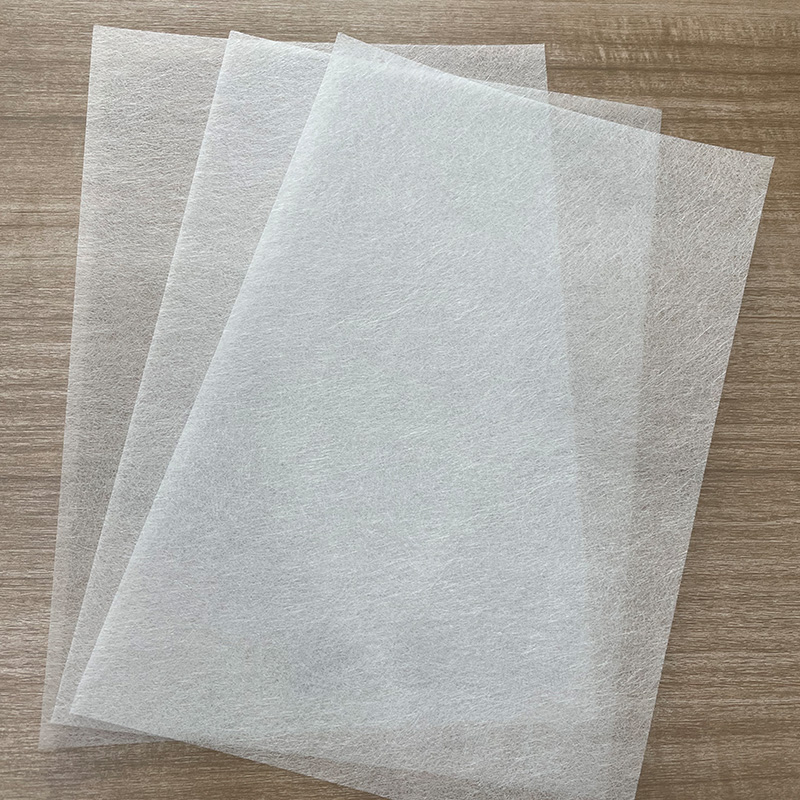
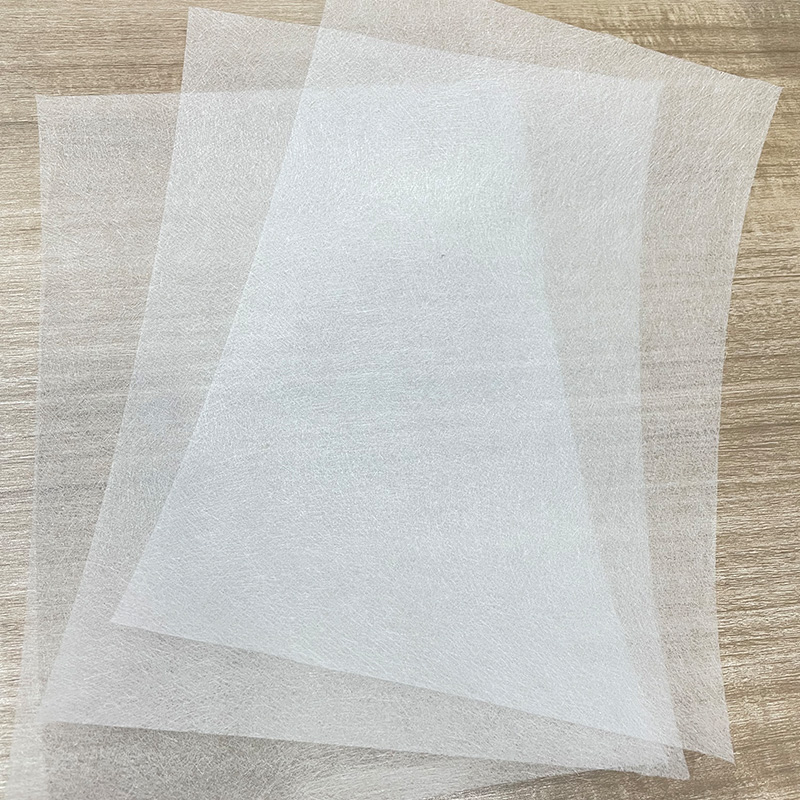
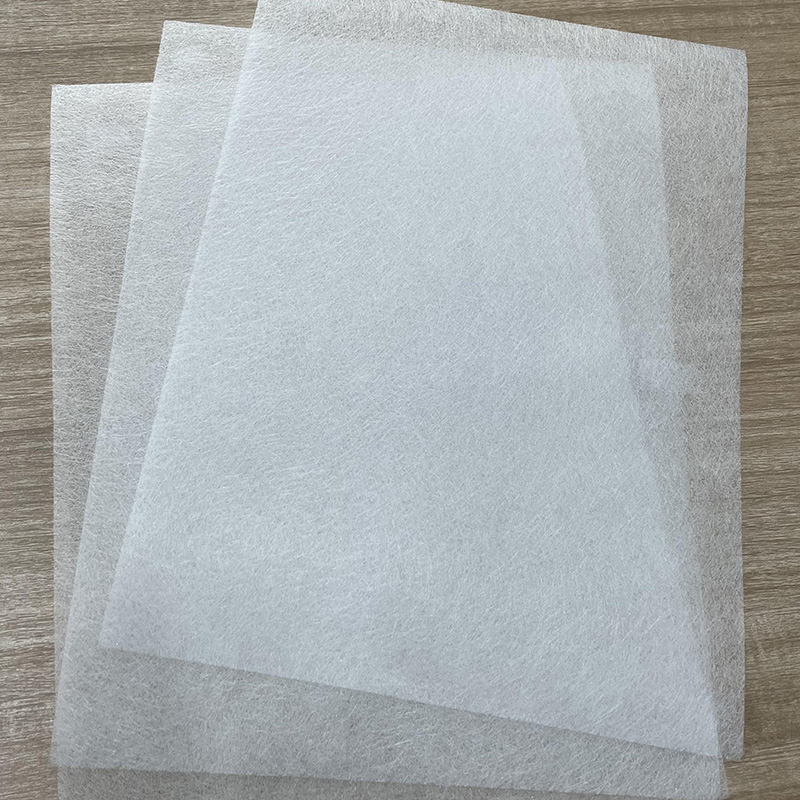
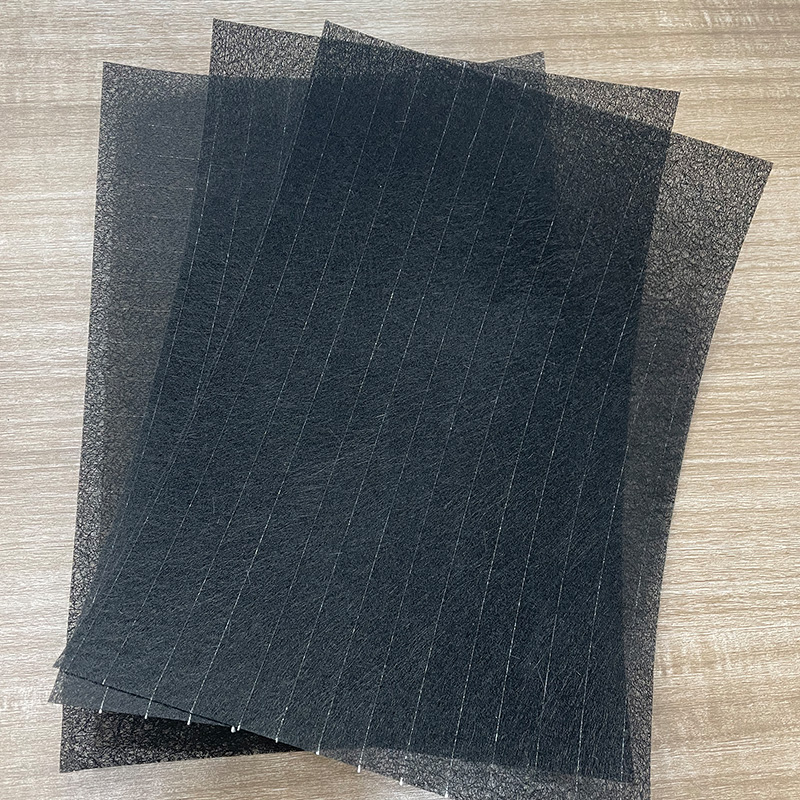
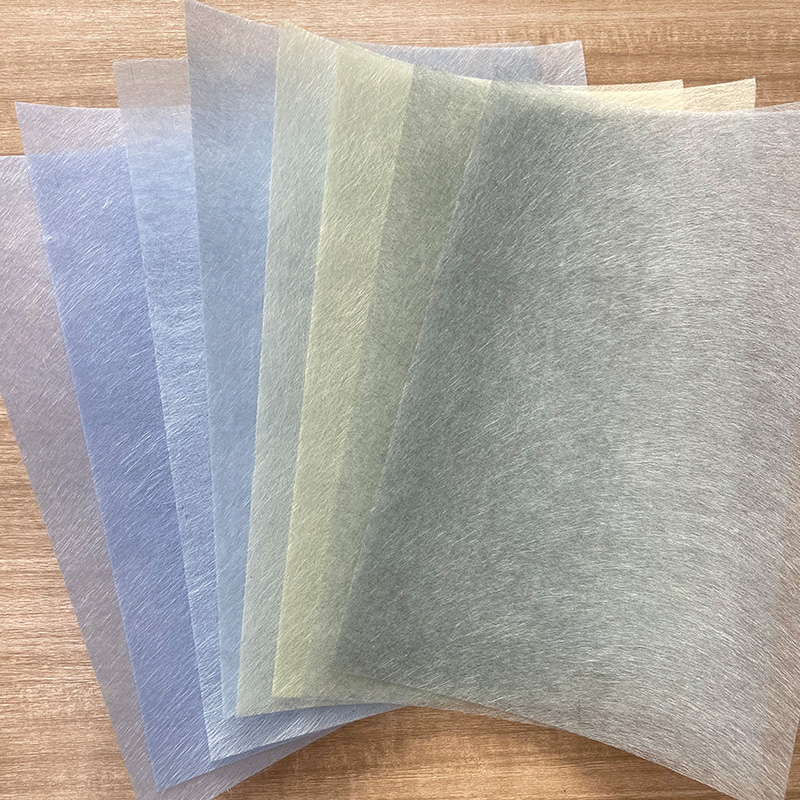
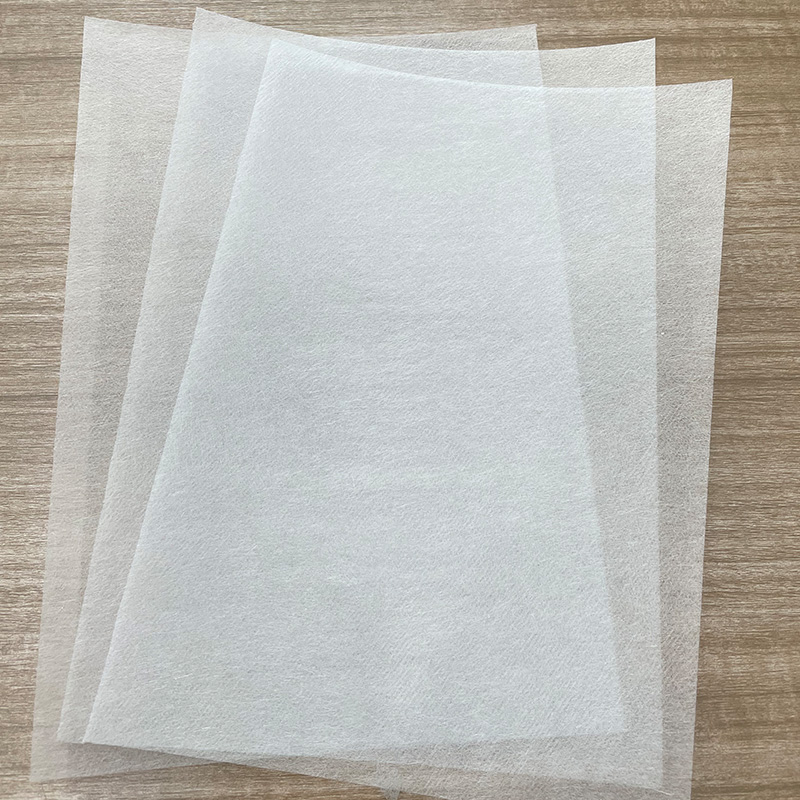
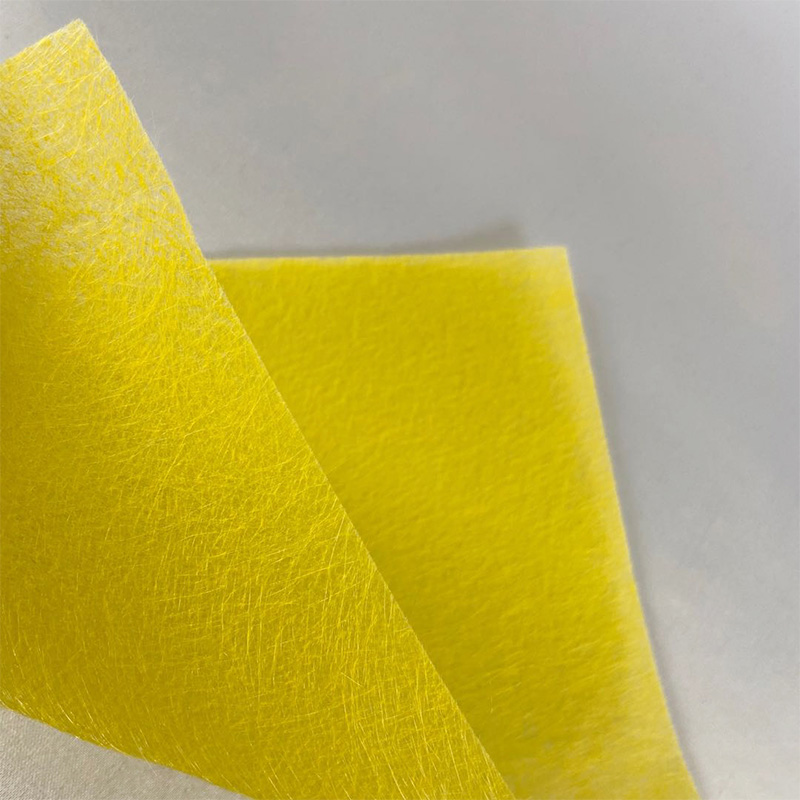
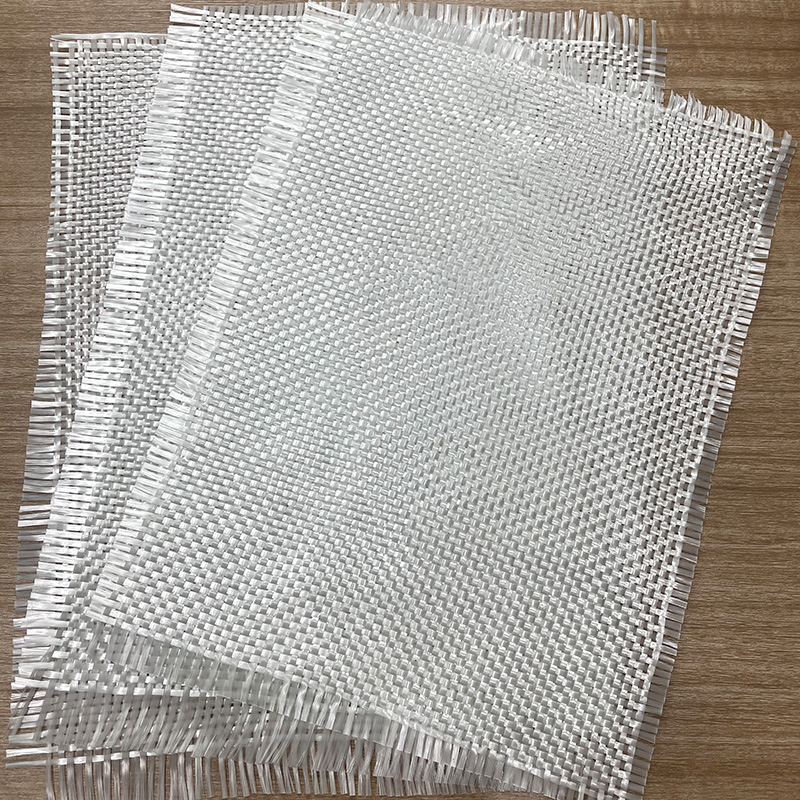
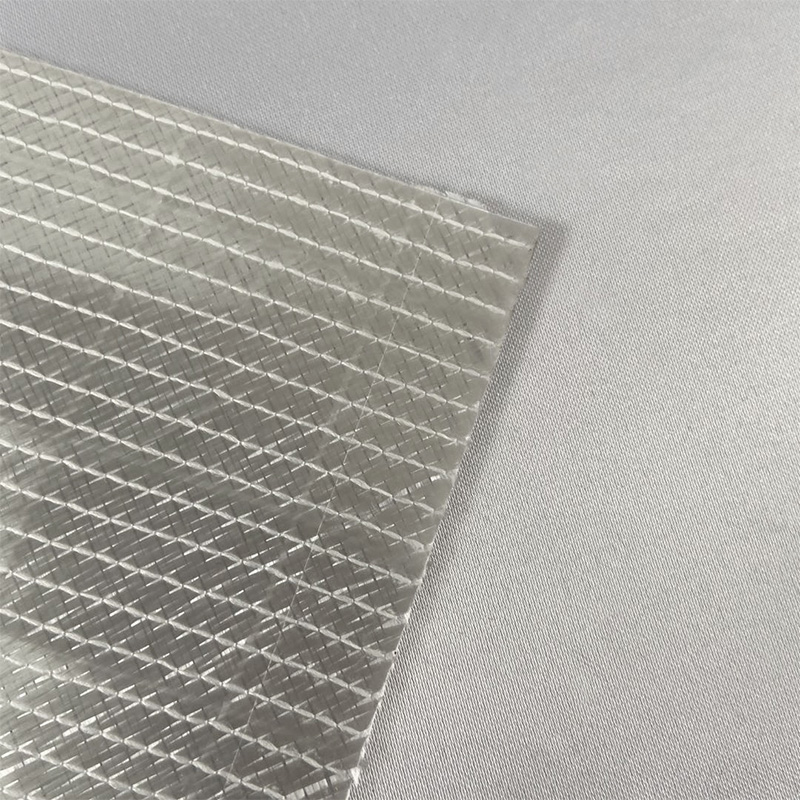
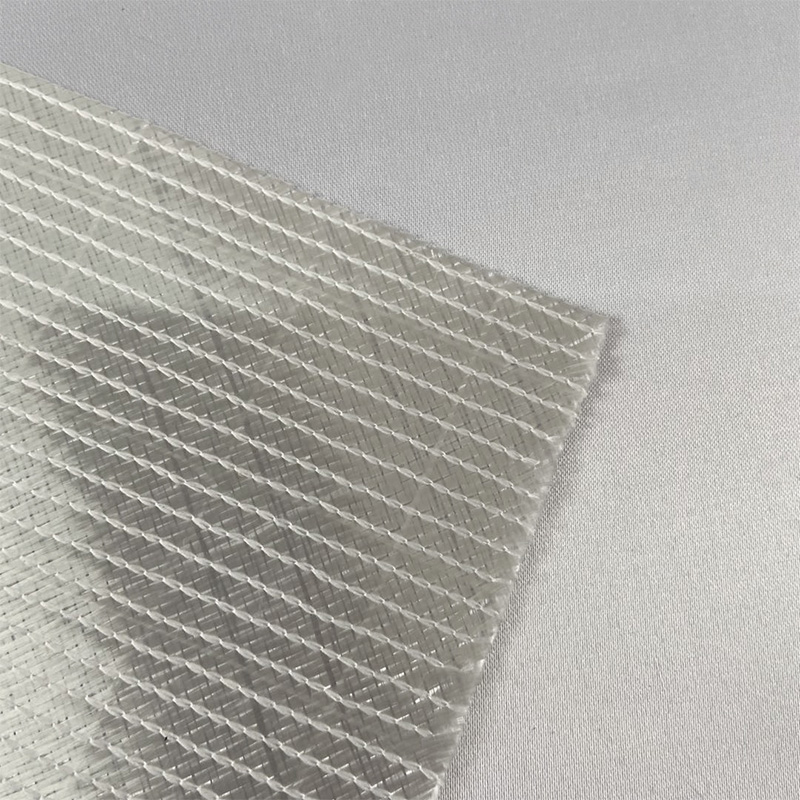
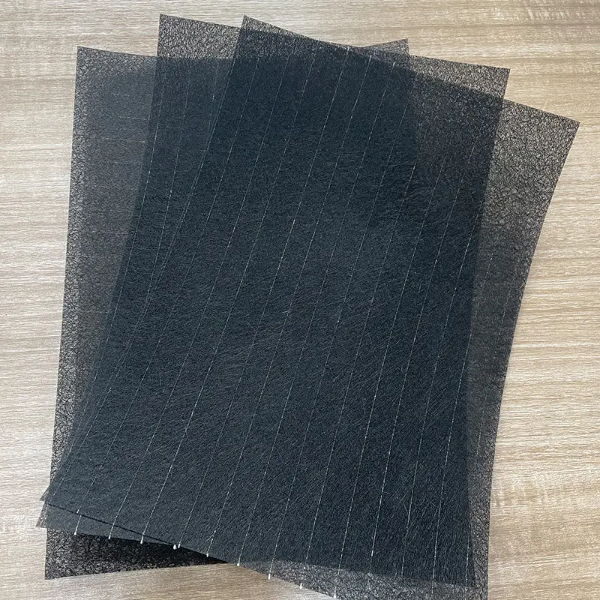
Roofing tissue, often referred to as fiberglass tissue or roofing tissue mat, is a non-woven material typically used in the construction of roofing systems. It is made from fiberglass fibers that are woven or bonded together to form a lightweight, yet highly durable, fabric. This material is primarily used to reinforce roofing membranes, providing strength and flexibility while enhancing the overall waterproofing and insulation capabilities of the roof.
The Importance of Waterproofing in Roofing Systems
Waterproofing is one of the primary functions of roofing tissue. Without a proper waterproofing layer, roofs are susceptible to leaks, mold, and structural damage. Roofing tissue, with its robust fiber composition, serves as an effective barrier against water penetration. By integrating roofing tissue into the roofing system, contractors can ensure that water cannot seep through the surface, thereby preventing water damage to the building’s interior.
In addition to its water-resistant properties, roofing tissue is also known for its resistance to environmental factors such as UV radiation and temperature fluctuations, further contributing to the longevity of the roofing system.
The Role of Roofing Tissue in Insulation
In addition to waterproofing, roofing tissue plays a critical role in improving a building’s thermal insulation. By incorporating roofing tissue mats into roofing assemblies, it helps create an additional layer of thermal protection that reduces heat transfer between the interior and exterior of the building.
Fiberglass tissue mats are particularly effective for insulation due to the natural properties of fiberglass, which is a poor conductor of heat. This quality ensures that roofing tissue helps maintain a comfortable indoor temperature year-round by preventing heat loss during the winter and reducing heat gain during the summer.
Fiberglass Tissue Mats vs. Other Roofing Materials
While there are various materials available for roofing insulation and waterproofing, fiberglass tissue mats offer several advantages over traditional options. Their lightweight nature allows for easier handling and installation, reducing labor costs. Additionally, fiberglass tissue mats provide durability, resisting degradation from moisture and temperature changes better than many other materials.
Fiberglass tissue mats are also highly flexible, enabling them to conform to various roof shapes and structures. This versatility makes them an ideal choice for both new construction projects and roof repairs, where customization and adaptability are important factors.
Benefits of Using Roofing Tissue
Enhanced Waterproofing
Roofing tissue acts as a reliable barrier against moisture, preventing leaks and water infiltration. By adding an extra layer of protection, it contributes significantly to the waterproofing of the roof system, ensuring long-term performance and reliability.
Improved Insulation
The inclusion of roofing tissue in the roof assembly enhances thermal insulation, which improves energy efficiency. With reduced heat loss and gain, buildings can maintain a more stable indoor climate, ultimately lowering energy consumption and heating/cooling costs.
Durability and Longevity
One of the key reasons for choosing fiberglass roofing tissue is its durability. Resistant to environmental stressors such as UV rays and temperatures, roofing tissue provides long-lasting protection. It helps maintain the integrity of the roofing system, ensuring that it withstands wear and tear over time.
Easy Installation
Roofing tissue mats are lightweight and flexible, which makes them easier to install than many other roofing materials. This ease of installation helps reduce labor costs and time spent on roofing projects, making them a cost-effective option for both commercial and residential properties.
How Roofing Tissue Enhances Roofing System Efficiency
Roofing tissue not only contributes to waterproofing and insulation but also enhances the overall performance of the roofing system. When properly applied, roofing tissue can help distribute weight more evenly across the roof structure, preventing sagging or other structural issues. Moreover, it can improve the adhesion of roofing membranes and coatings, ensuring a tight and secure fit that improves the roof’s overall resistance to environmental stressors.
Common Applications of Roofing Tissue
Roofing tissue is commonly used in various types of roofing systems, including:
-
Flat Roofs: Roofing tissue is often used in flat roof construction due to its ability to provide an additional layer of protection against water penetration and heat transfer.
-
Pitched Roofs: For sloped or pitched roofs, roofing tissue can enhance insulation and provide added waterproofing protection.
-
Repair Work: Roofing tissue is also used in repair work, especially when addressing areas with compromised waterproofing or insulation performance.
How to Install Roofing Tissue for Maximum Effectiveness
Proper installation of roofing tissue is essential to ensure its full effectiveness in waterproofing and insulation. The tissue should be applied over the roofing deck and under the primary roofing material, such as shingles or membrane. It is important to follow manufacturer instructions for proper layering, sealing, and overlapping to ensure complete protection and performance.
Environmental Impact of Roofing Tissue
As sustainability becomes an increasingly important consideration in construction, it’s worth noting that roofing tissue, particularly fiberglass mats, can be an environmentally friendly option. Fiberglass is a non-toxic material, and many roofing tissue products are manufactured with minimal environmental impact. Additionally, fiberglass tissue mats are highly durable and long-lasting, reducing the need for frequent repairs or replacements, which can contribute to waste reduction.
Conclusion
Roofing tissue is an essential component in modern roofing systems, offering significant benefits in terms of waterproofing and insulation. Whether in residential, commercial, or industrial applications, fiberglass tissue mats provide a reliable and cost-effective solution for enhancing the performance, longevity, and energy efficiency of roofs. With its ability to resist moisture, UV radiation, and temperature extremes, roofing tissue is an indispensable material for creating durable and energy-efficient buildings.
FAQ
1. What is roofing tissue made of?
Roofing tissue is typically made from fiberglass fibers that are woven or bonded together to form a lightweight, durable fabric.
2. How does roofing tissue contribute to energy efficiency?
Roofing tissue improves insulation by reducing heat transfer, helping maintain a stable indoor temperature and reducing energy costs.
3. Can roofing tissue be used for both flat and pitched roofs?
Yes, roofing tissue is versatile and can be used for both flat and pitched roofs to enhance waterproofing and insulation.
4. How long does roofing tissue last?
Roofing tissue is highly durable and can last for many years, resisting moisture, UV radiation, and temperature changes.
5. Is roofing tissue environmentally friendly?
Yes, roofing tissue made from fiberglass is considered an environmentally friendly option due to its long lifespan and minimal environmental impact during production.
 Previous