
 English
 中文简体
中文简体 русский
 Español
Introduction
Carbon fiber cloth is renowned for its lightweight, high-strength properties, making it a prime choice for industries requiring durable and efficient materials. As carbon fiber continues to gain popularity across various manufacturing sectors—from aerospace to automotive and even consumer goods—the need for effective handling, processing, and usage of carbon fiber cloth has become paramount.
Understanding Carbon Fiber Cloth
What is Carbon Fiber Cloth?
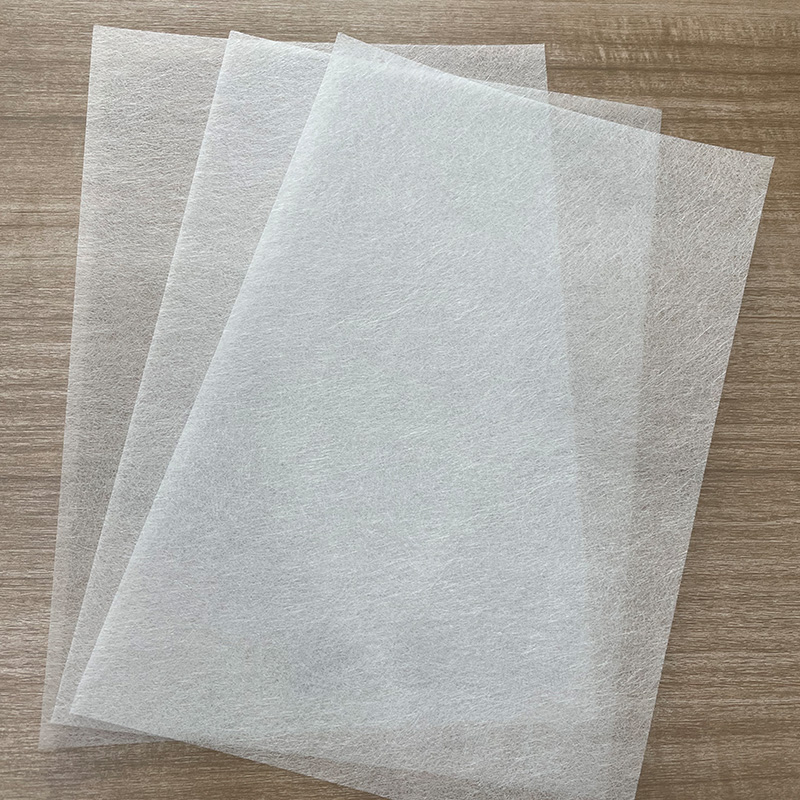
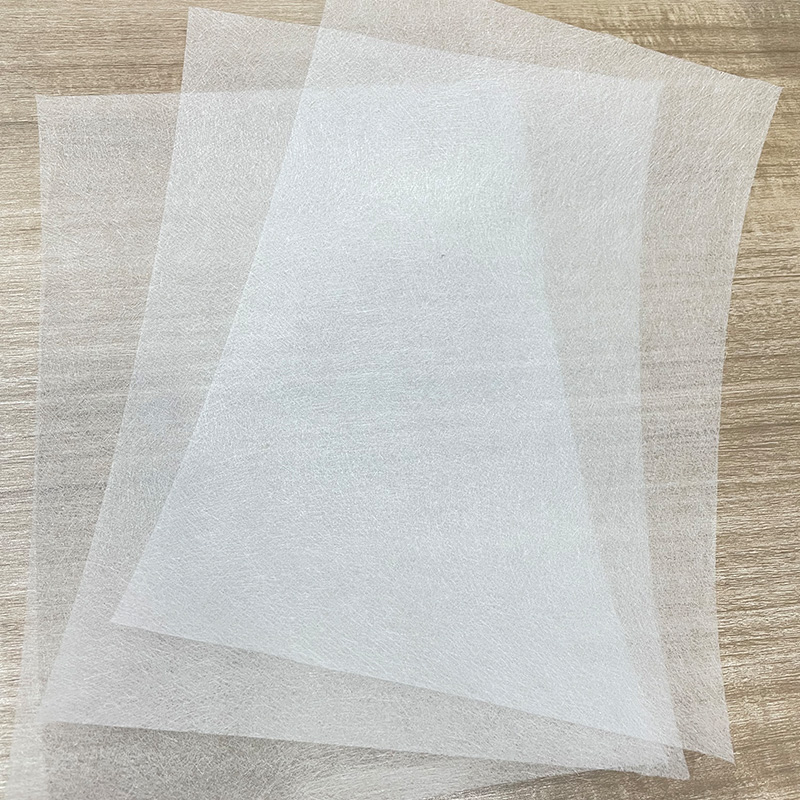
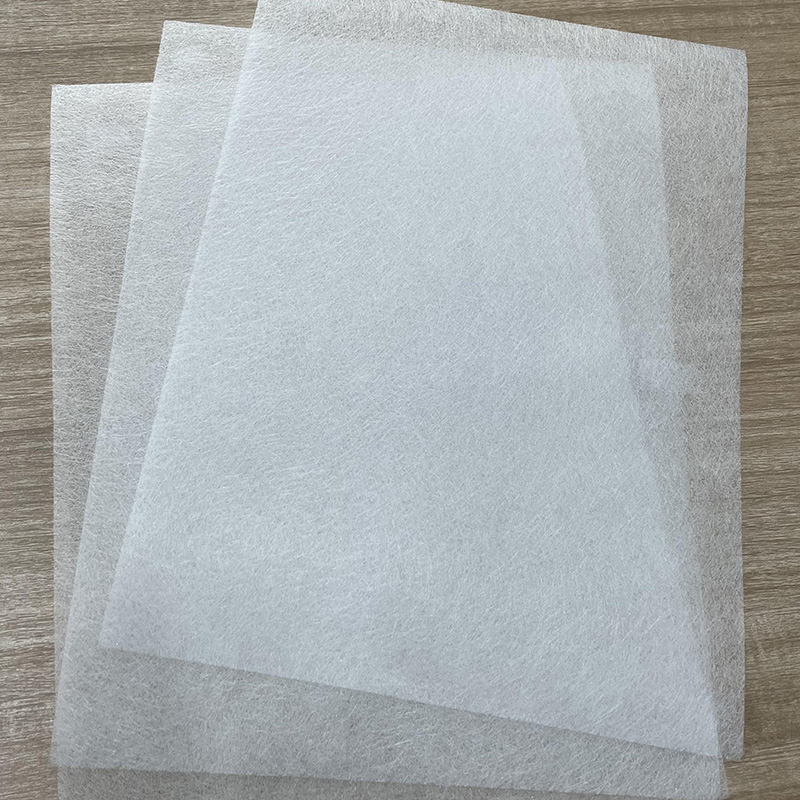
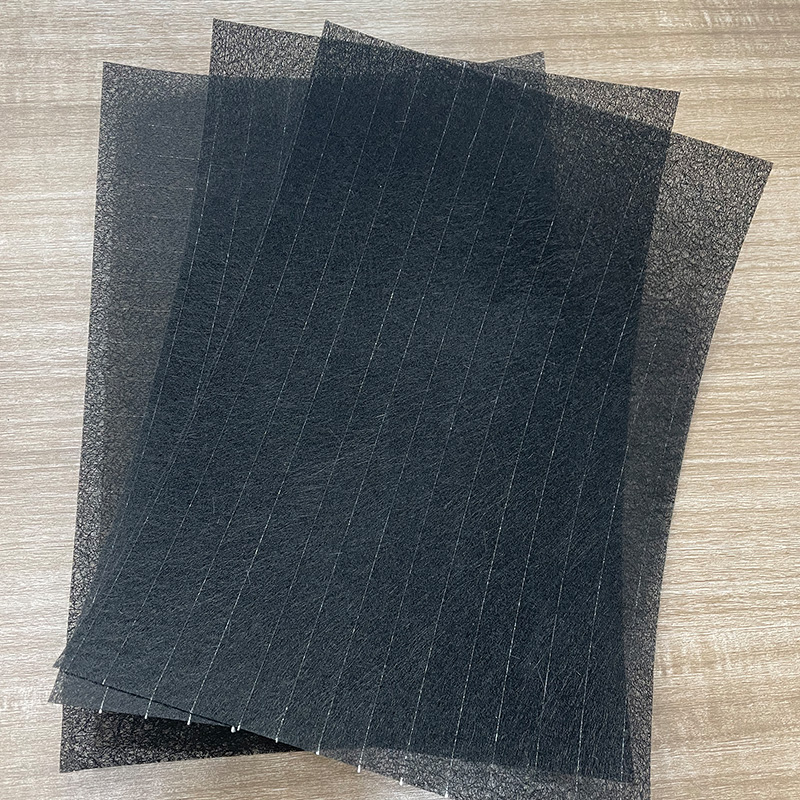
Carbon fiber cloth is made from woven fibers of carbon, forming a lightweight and high-strength textile material. It boasts extraordinary energy absorption and stiffness, which makes it a valuable material for enhancing the structural integrity of various components, especially under stress and shear conditions.
Due to its high strength-to-weight ratio, carbon fiber cloth is often used in manufacturing components for aerospace, automotive, sporting goods, and construction industries. The material’s applications range from structural reinforcements to electromagnetic shielding and armor materials.
Cutting Techniques for Carbon Fiber Cloth
Carbon fiber cloth can be challenging to cut due to its strong fibers. Using the correct cutting methods ensures precision and prevents the material from fraying or losing its structural integrity.
Recommended Tools for Cutting:
- Scissors: Specialized scissors designed for carbon fiber cloth are ideal for smaller cuts. These scissors have reinforced blades to handle the tough material.
- Rotary Cutters: A rotary cutter is useful for cutting larger sheets of carbon fiber cloth, providing smooth edges without fraying.
- CNC Cutting Machines: For complex designs and high-precision cuts, CNC machines are a reliable choice. They can automate the cutting process with a high degree of accuracy.
Cutting Techniques:
- Score and Snap Method: For straight cuts, a scoring blade can be used to make a shallow incision along the desired line, then snapping the cloth along the score. This technique prevents the fibers from being excessively stressed.
- Shearing Method: When cutting with scissors, always use a shearing action rather than squeezing to ensure a cleaner cut and less fiber disturbance.
Handling and Storing Carbon Fiber Cloth
Storage: Proper storage of carbon fiber cloth is essential to maintain its quality and prevent damage. The fabric should be kept in a dry, cool environment to avoid degradation from moisture and heat. Carbon fiber cloth is sensitive to UV light, so it should be stored in a dark place to prevent fiber breakdown.
Handling Tips:
- Avoid Stressing the Cloth: Carbon fiber cloth is extremely stiff and, when bent or stretched, can lose its mechanical properties. Always handle with care to avoid creating permanent folds.
- Wear Gloves: Oils from your hands can interfere with the bonding process. Wearing gloves ensures that the cloth remains free of contamination during the manufacturing process.
Weaving and Layering Carbon Fiber Cloth
When working with carbon fiber cloth, it’s crucial to understand the significance of the weave pattern and the layers of fabric.
Weave Patterns:
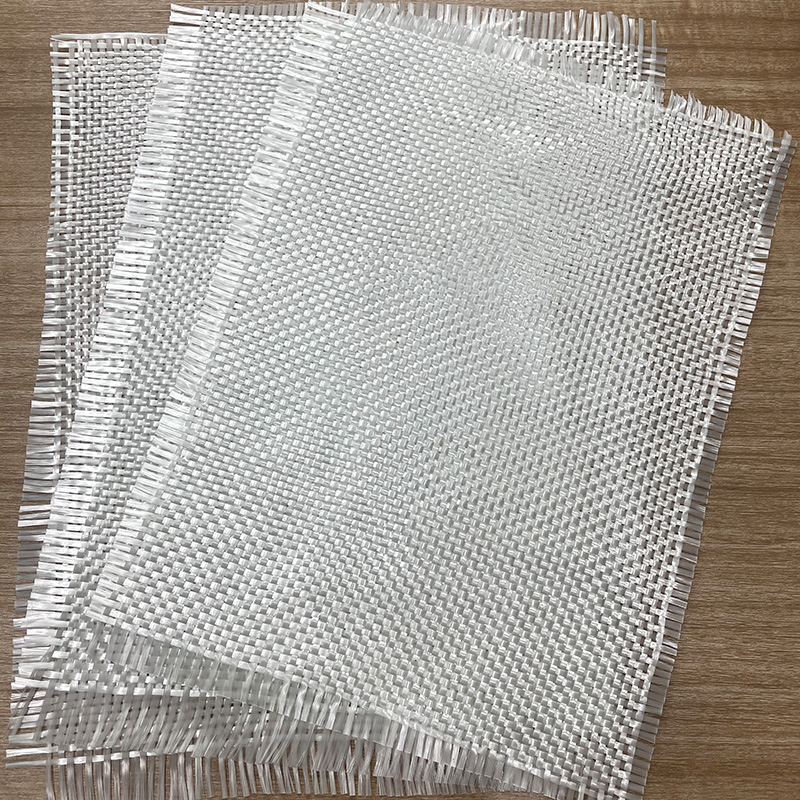
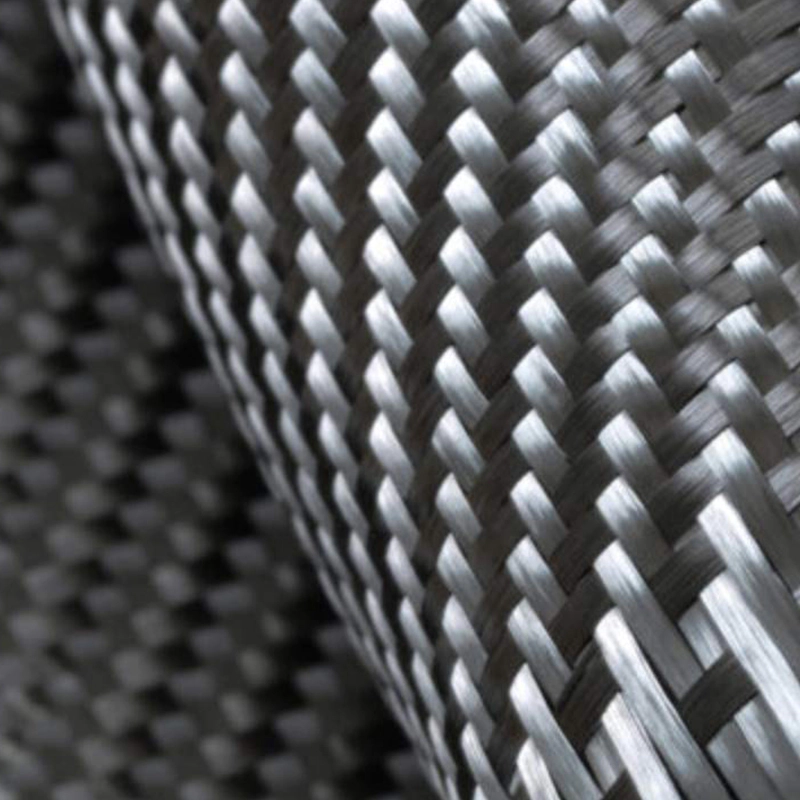
- Plain Weave: This is the common weave pattern, where fibers are woven over and under each other. It’s easy to handle and ideal for general-purpose applications.
- Twill Weave: Twill weave provides a more flexible fabric with a distinctive diagonal pattern. It is used when enhanced conformability is needed, such as in parts with complex shapes.
Layering Carbon Fiber Cloth:
- Optimized Layering: The strength of a composite material depends on the number of layers used and their orientation. In many applications, alternating layers of carbon fiber cloth are used to create a balanced structure. The direction of the fibers in each layer can be adjusted to enhance performance in specific directions (e.g., adding 0°, 45°, or 90° layers for enhanced strength under specific stresses).
Tips for Layering:
- Align Layers Precisely: Ensure each layer of cloth is aligned properly, as even a slight misalignment can compromise the strength and functionality of the final product.
- Avoid Overlapping: While multiple layers are often required for greater strength, avoid excessive overlap, as it can result in unnecessary weight and difficulty in bonding.
Bonding and Curing Carbon Fiber Cloth
After cutting and layering, carbon fiber cloth needs to be bonded to a resin system to create a composite material. The resin impregnates the fibers, giving the final product its strength and durability.
Best Resin Systems:
- Epoxy Resins: Epoxy is the commonly used resin for bonding carbon fiber cloth. It offers high strength, adhesion, and resistance to heat and chemicals.
- Vinyl Ester Resins: While less common than epoxy, vinyl ester resins provide good resistance to corrosion and are suitable for certain specialized applications.
Curing Process:
- Room Temperature Curing: Some resins cure effectively at room temperature, making them easier to handle. However, the curing process might take several hours.
- Heat Curing: For faster curing, heat can be applied to the resin and carbon fiber composite. This is commonly done in an oven or using a heat blanket.
- Vacuum Bagging: To remove air bubbles and improve the resin-to-fiber ratio, vacuum bagging is often used in the bonding process. This technique ensures a more uniform distribution of resin throughout the carbon fiber cloth.
Safety Precautions When Working with Carbon Fiber Cloth
Carbon fiber dust can be hazardous to health if inhaled. Therefore, safety measures should always be followed.
Safety Gear:
- Respirators: Always wear a dust mask or respirator when cutting or sanding carbon fiber to avoid inhaling fine particles.
- Protective Gloves: Carbon fiber particles can irritate the skin, so gloves should be worn to protect against abrasion and skin irritation.
Work Environment:
- Ensure proper ventilation in your workspace to reduce the concentration of airborne carbon fiber particles.
- Use a wet sanding method or a vacuum system to capture dust when cutting or grinding carbon fiber cloth.
Conclusion
Working with carbon fiber cloth requires precision and careful attention to detail to fully utilize its exceptional properties. From cutting and handling to bonding and curing, each step plays a crucial role in ensuring that the final product meets the desired standards of strength, flexibility, and durability. By employing the techniques and following proper safety measures, manufacturers can harness the full potential of carbon fiber cloth to create lightweight, high-strength products that excel in a wide range of industries.
FAQ
1. What is the difference between plain weave and twill weave carbon fiber cloth?
- Plain weave offers basic strength and ease of handling, while twill weave is more flexible and better suited for complex shapes.
2. Can carbon fiber cloth be used in temperatures?
- Yes, carbon fiber cloth can withstand temperatures when properly bonded with suitable resins.
3. How do you prevent carbon fiber dust from contaminating your workspace?
- Use wet sanding techniques and vacuum systems to minimize airborne dust. Always ensure proper ventilation.
4. Is carbon fiber cloth suitable for use in automotive manufacturing?
- Yes, carbon fiber cloth is widely used in automotive applications for its lightweight and high-strength properties.
5. What is the recommended thickness for layering carbon fiber cloth?
- The thickness depends on the application, but a typical structure may use multiple layers ranging from 0.5mm to 3mm per layer.
 Previous