
 English
 中文简体
中文简体 русский
 Español
Roofing systems are essential in providing protection to buildings from harsh weather conditions, ensuring safety and energy efficiency. The durability of a roofing system largely depends on the materials used and their ability to withstand external forces such as moisture, wind, and UV radiation. Roofing tissue, also known as fiberglass tissue mat, plays a crucial role in improving the overall lifespan and strength of roofing systems.
What Is Roofing Tissue?
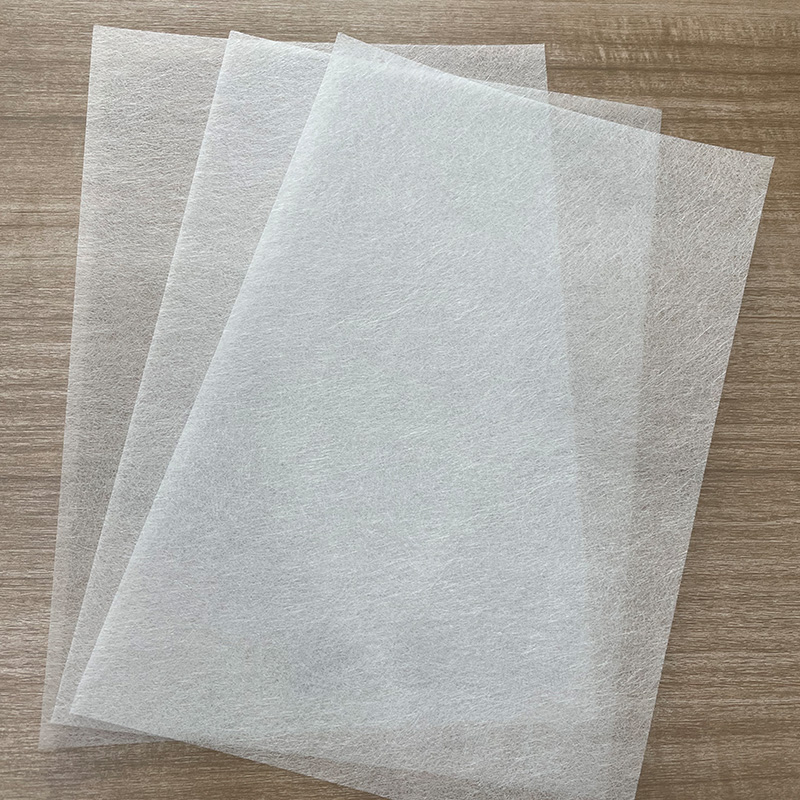
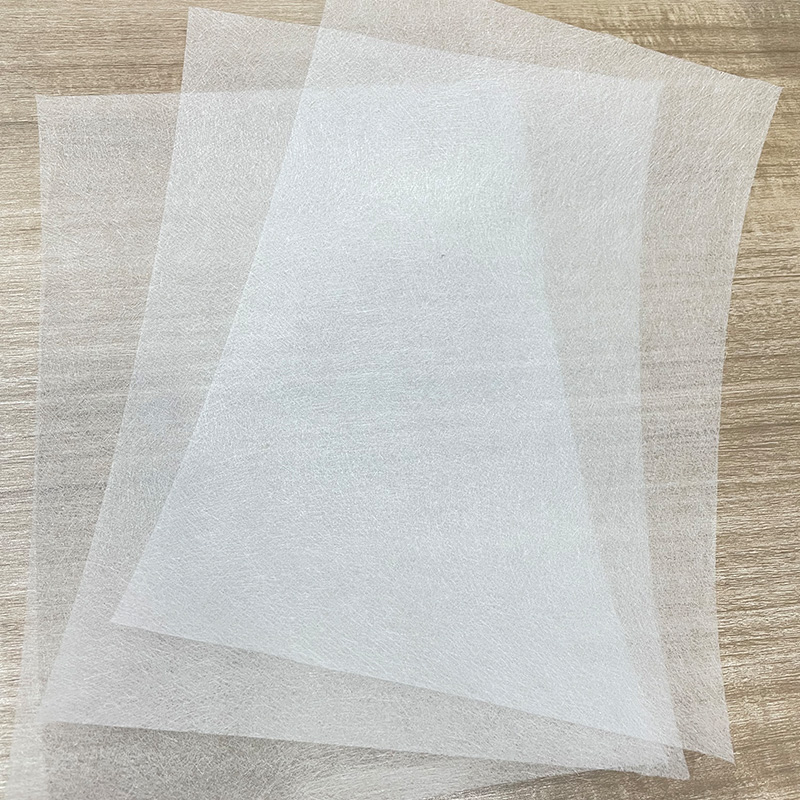
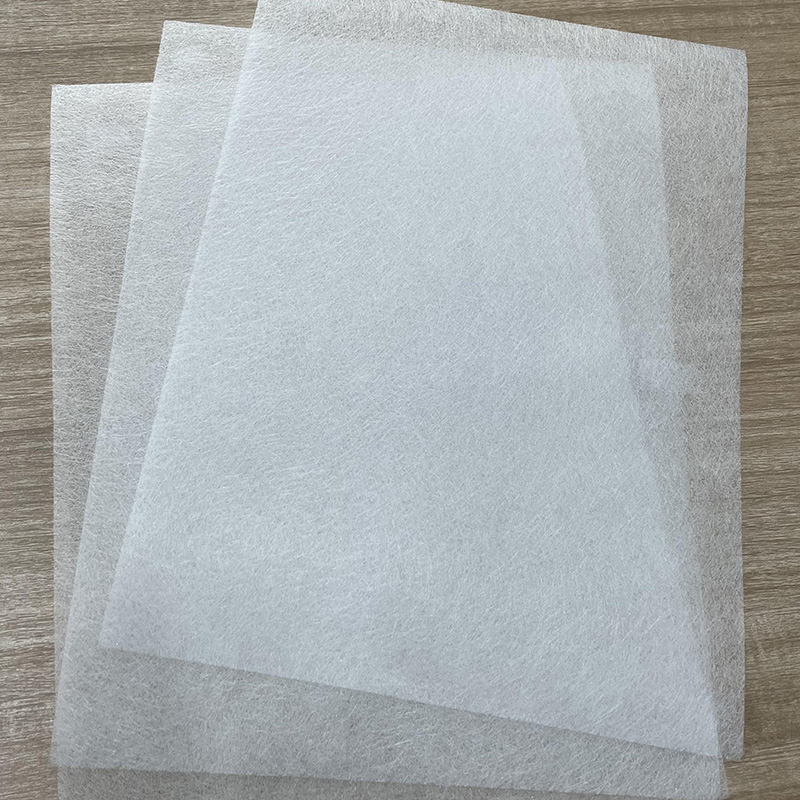
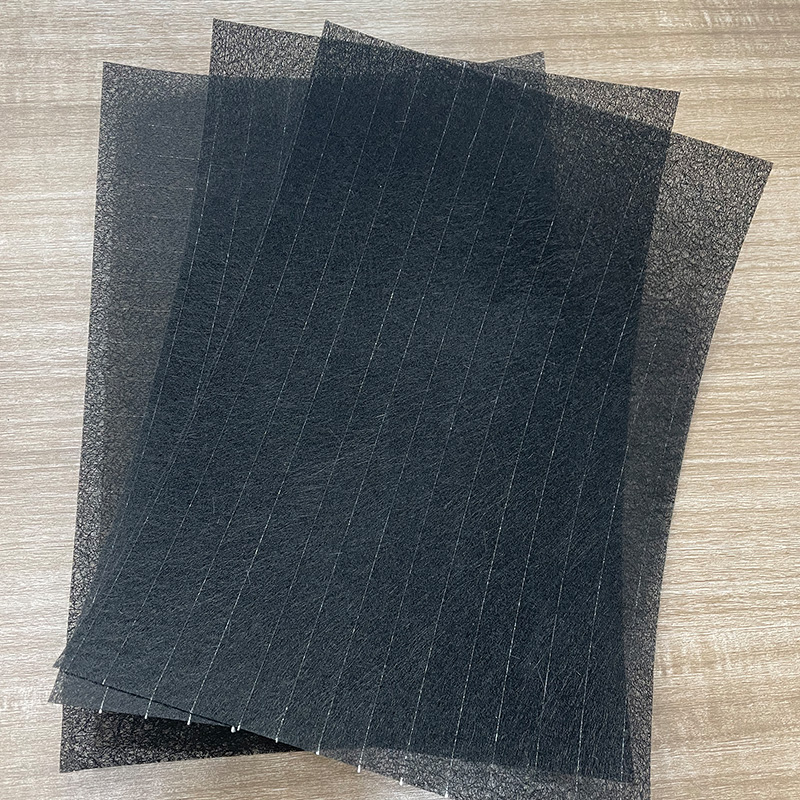
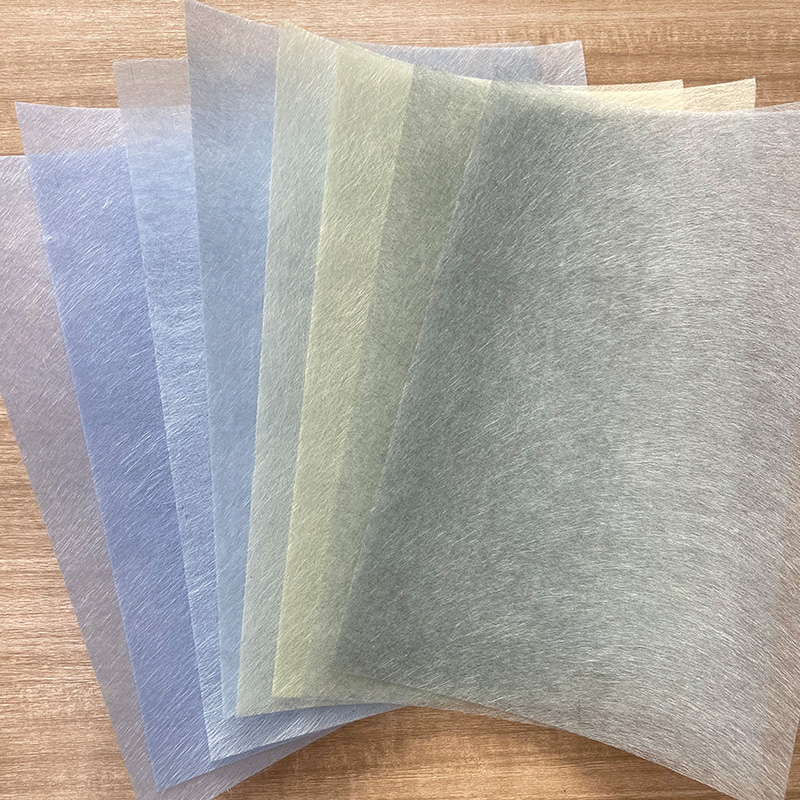
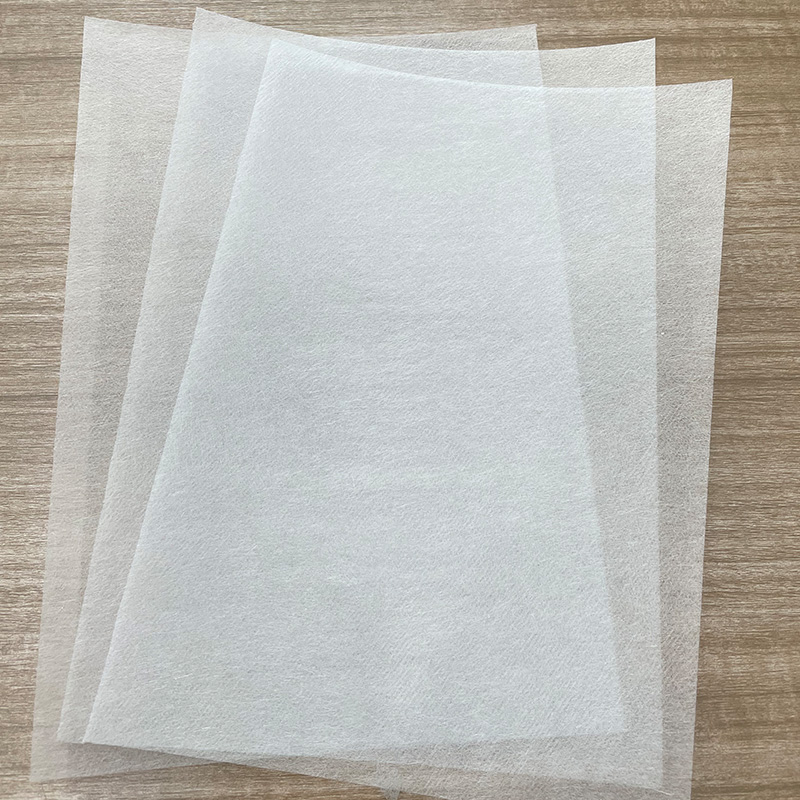
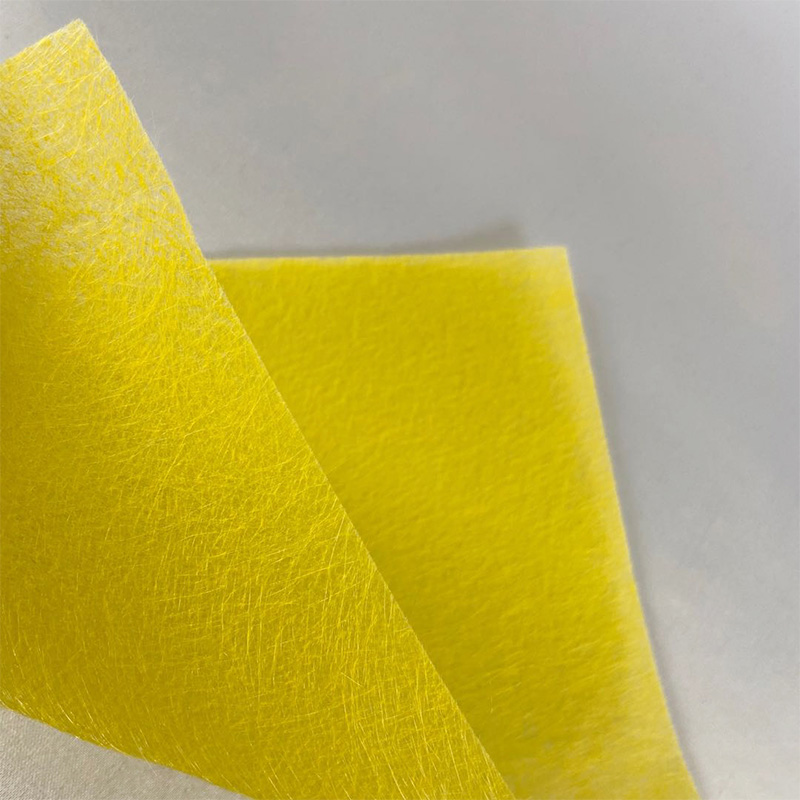
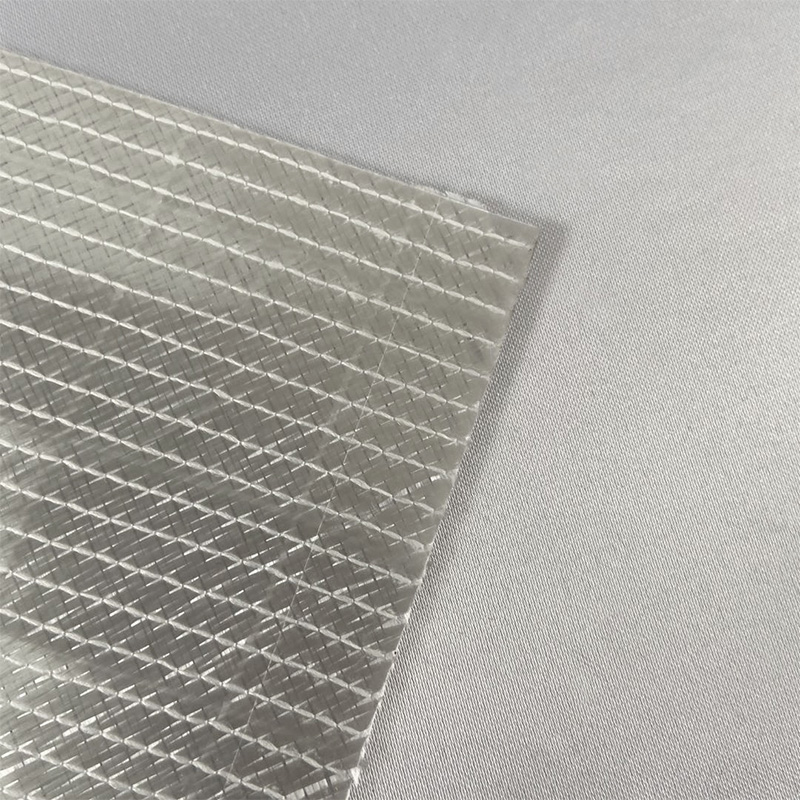
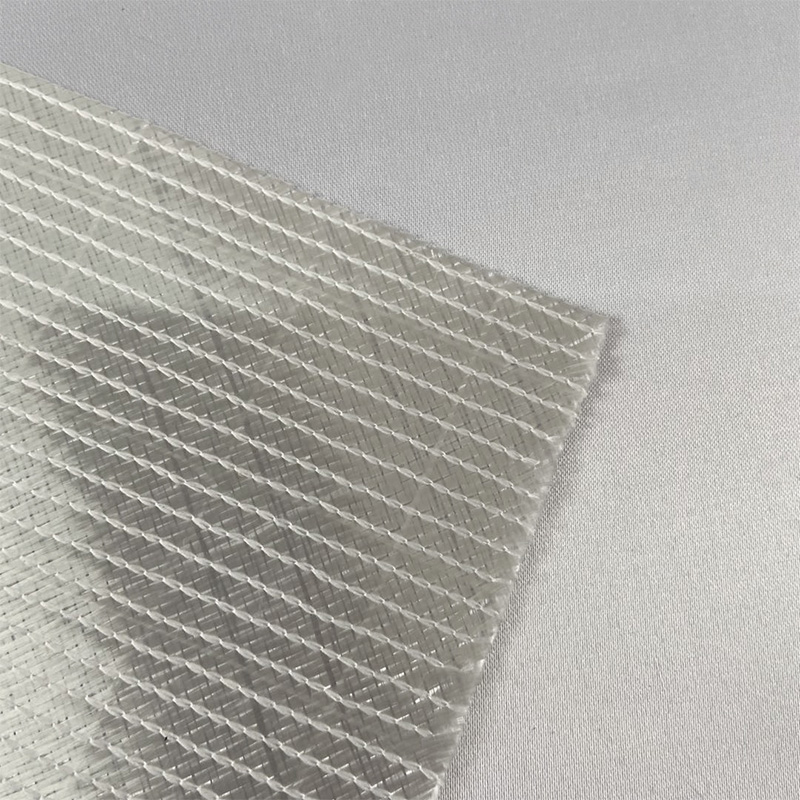
Roofing tissue is a thin, flexible mat made from fiberglass or polyester fibers, often used in roofing applications as a reinforcement layer. It is designed to add strength and support to roofing membranes and coatings, ensuring that the roofing system remains intact for a longer period of time. Roofing tissue serves as a reinforcing fabric that increases the tensile strength and overall integrity of the roofing system.
One of the common types of roofing tissue is fiberglass tissue mat. This material is known for its strength, resistance to moisture, and insulation properties. Roofing tissue can be used in various types of roofing systems, including bituminous membranes, single-ply systems, and roofing coatings, to provide enhanced durability and long-lasting performance.
Composition of Roofing Tissue
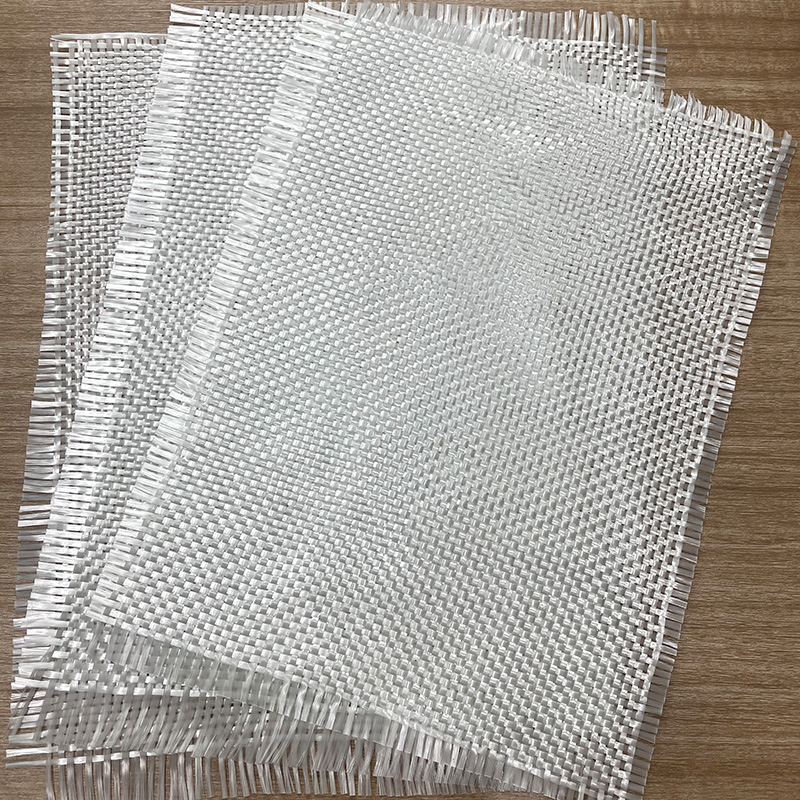
Roofing tissue is typically made from fiberglass or polyester fibers, which are woven or bonded together to form a uniform mat. The composition of roofing tissue varies depending on the intended use and performance requirements. Common materials used in roofing tissue include:
-
Fiberglass: Fiberglass roofing tissue mats are made from woven or non-woven fiberglass filaments. Fiberglass is highly durable, resistant to high temperatures, and has water-resistant properties. It helps improve the strength and longevity of the roofing system, especially in areas with weather conditions.
-
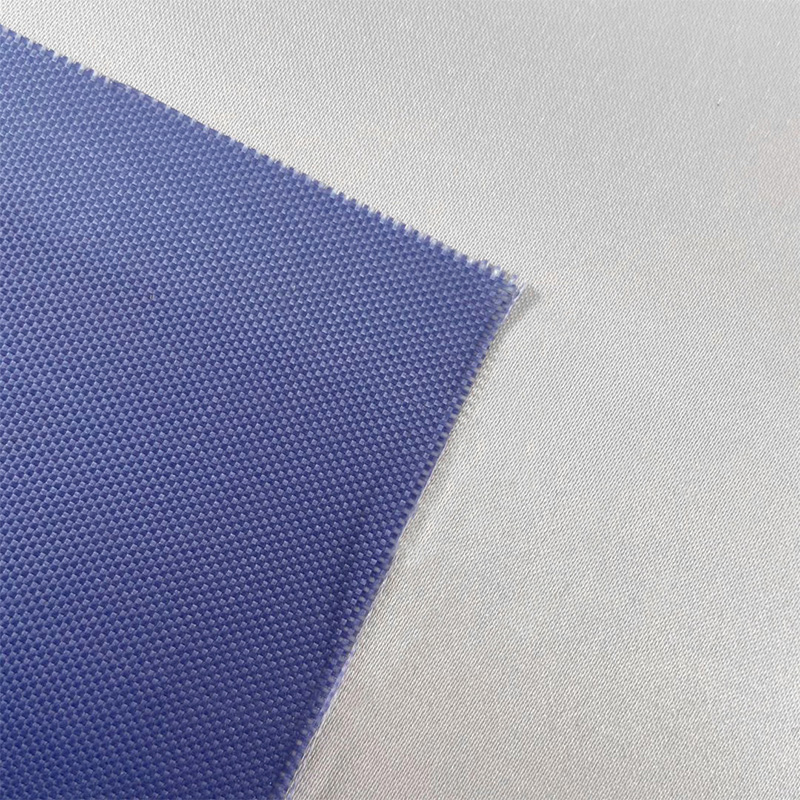
Polyester: Polyester-based roofing tissue is commonly used in roofing applications where flexibility and resistance to environmental factors are essential. Polyester tissue mats provide enhanced adhesion properties, making them ideal for roofing systems that require additional reinforcement.
-
Resins: Resins are often used in combination with fiberglass or polyester fibers to enhance bonding properties and improve the overall durability of the roofing tissue. The resin acts as a binding agent, ensuring that the mat remains intact even under challenging conditions.
How Roofing Tissue Enhances Durability
Roofing tissue contributes to the durability of roofing systems in several ways:
Improved Tensile Strength
Roofing tissue, especially fiberglass tissue mats, enhances the tensile strength of the roofing system. The fibers in the tissue provide structural support, preventing the roofing membrane from cracking or tearing under stress. This reinforcement is particularly beneficial in high-wind areas or regions with temperature fluctuations.
Moisture Resistance
One of the primary benefits of roofing tissue is its moisture-resistant properties. Roofing tissue acts as a barrier against water infiltration, preventing moisture from seeping into the roofing structure. This is particularly important in areas prone to heavy rainfall or humidity. The moisture resistance of roofing tissue helps to prevent mold, mildew, and other water-related issues that could compromise the integrity of the roof.
UV Resistance
Roofing tissue also provides protection against ultraviolet (UV) radiation. Prolonged exposure to UV rays can cause roofing materials to deteriorate, resulting in cracking, fading, and overall degradation. Roofing tissue, particularly fiberglass-based tissue mats, helps protect roofing systems from UV damage by acting as a shield that reflects and absorbs harmful rays.
Temperature Insulation
In addition to providing structural reinforcement, roofing tissue can also contribute to the insulation of the roofing system. The fibers in the tissue provide an additional layer of thermal protection, helping to maintain a stable indoor temperature. This can result in energy savings, as the roof will be better equipped to resist heat transfer during hot weather and retain warmth during colder months.
Enhanced Adhesion
Roofing tissue improves the adhesion between different layers of the roofing system. Whether used in conjunction with bitumen, asphalt, or other roofing materials, roofing tissue creates a strong bond that ensures the layers remain intact over time. This increased adhesion helps to prevent delamination, a common issue in roofing systems that can leaks and structural weakness.
Applications of Roofing Tissue
Roofing tissue is used in a variety of roofing applications to enhance the durability and performance of the system. Some common uses include:
-
Reinforcement of Roofing Membranes: Roofing tissue is often incorporated into bituminous membranes or single-ply roofing systems to provide additional strength and resistance to external forces. The tissue serves as a reinforcing layer that increases the overall lifespan of the roofing system.
-
Roof Coatings: In roof coatings, roofing tissue acts as a reinforcement layer that improves the flexibility and durability of the coating. It ensures that the coating adheres better to the roof surface and provides long-term protection against weathering and UV damage.
-
Flat Roofing Systems: Roofing tissue is often used in flat roofing systems to provide added protection against moisture infiltration and to improve the overall strength of the roof. The tissue can be used in combination with other materials like asphalt or bitumen to create a seamless, watertight roofing surface.
-
Cold Applied Roofing Systems: Roofing tissue can also be used in cold-applied roofing systems, where no heat is required for installation. The tissue helps to improve the bonding properties of cold-applied adhesives and ensures the roofing system remains intact and durable.
Comparison of Roofing Tissue Types
| Material | Strength | Moisture Resistance | UV Resistance | Flexibility | Common Use |
|---|---|---|---|---|---|
| Fiberglass Tissue | High | Excellent | Excellent | Moderate | Bituminous membranes, roofing coatings |
| Polyester Tissue | Moderate | Good | Moderate | High | Cold applied systems, single-ply roofing |
| Combined Fiberglass and Resin | Very High | Excellent | Excellent | Moderate | Flat roofing systems, roof coatings |
FAQ
1. What is roofing tissue made of?
Roofing tissue is typically made of fiberglass or polyester fibers, which are woven or bonded together to form a uniform mat. These materials provide enhanced strength, moisture resistance, and UV protection.
2. How does roofing tissue improve roof durability?
Roofing tissue improves durability by providing structural reinforcement, moisture resistance, UV protection, temperature insulation, and enhanced adhesion between roofing layers.
3. Can roofing tissue be used in all types of roofing systems?
Yes, roofing tissue can be used in various roofing systems, including bituminous membranes, single-ply roofing systems, roof coatings, and cold-applied systems. Its versatility makes it suitable for a wide range of applications.
4. How long does roofing tissue last?
The lifespan of roofing tissue depends on various factors, including the type of roofing system, environmental conditions, and maintenance. However, roofing tissue is designed to provide long-lasting protection, with many systems lasting 20-30 years or more with proper care.
5. Is roofing tissue environmentally friendly?
Many roofing tissue products are made from sustainable materials such as fiberglass, which is recyclable. Additionally, roofing tissue contributes to the longevity of the roofing system, reducing the need for frequent repairs or replacements, which can have a positive environmental impact.
Conclusion
Roofing tissue is an essential component in improving the durability and performance of roofing systems. By providing reinforcement, moisture resistance, UV protection, and thermal insulation, roofing tissue helps extend the lifespan of roofs, reduce maintenance costs, and ensure the overall safety and energy efficiency of buildings. Whether used in bituminous membranes, single-ply systems, or cold-applied roofing applications, roofing tissue offers significant benefits that enhance the resilience of roofing systems in the face of environmental challenges.
 Previous