
 English
 中文简体
中文简体 русский
 Español
Introduction
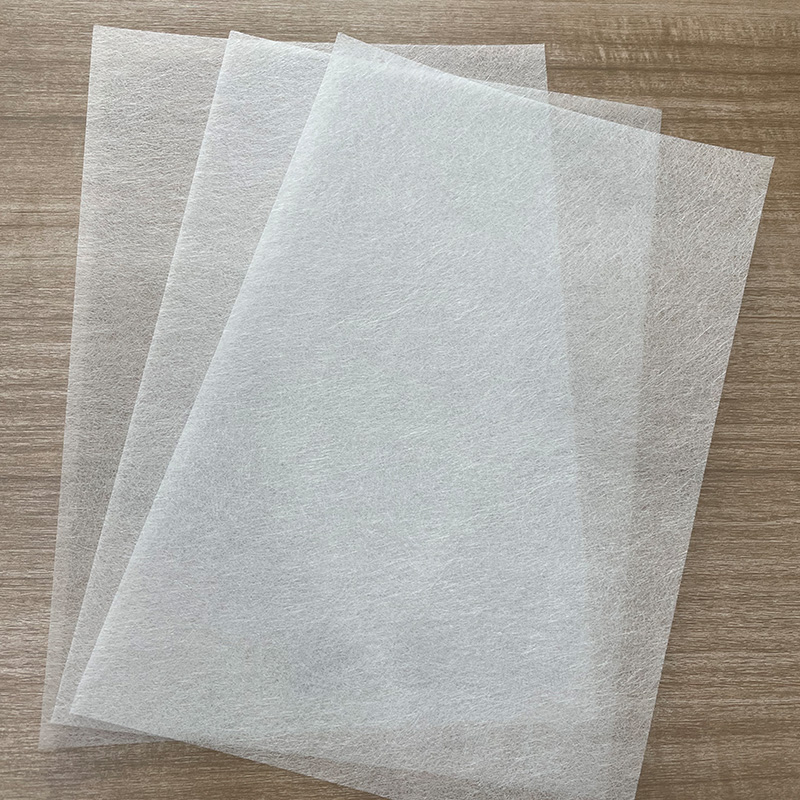
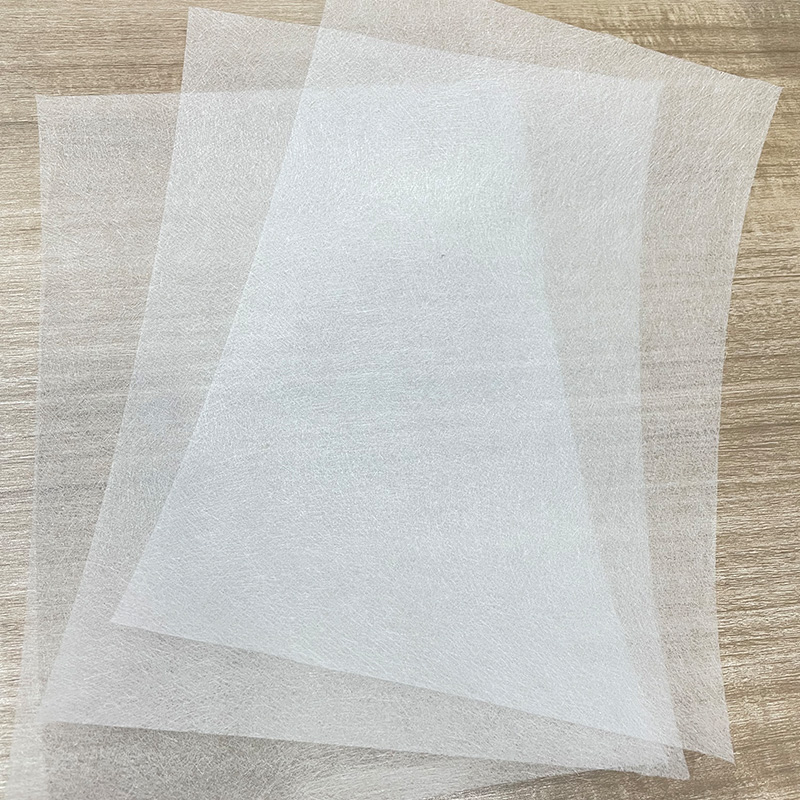
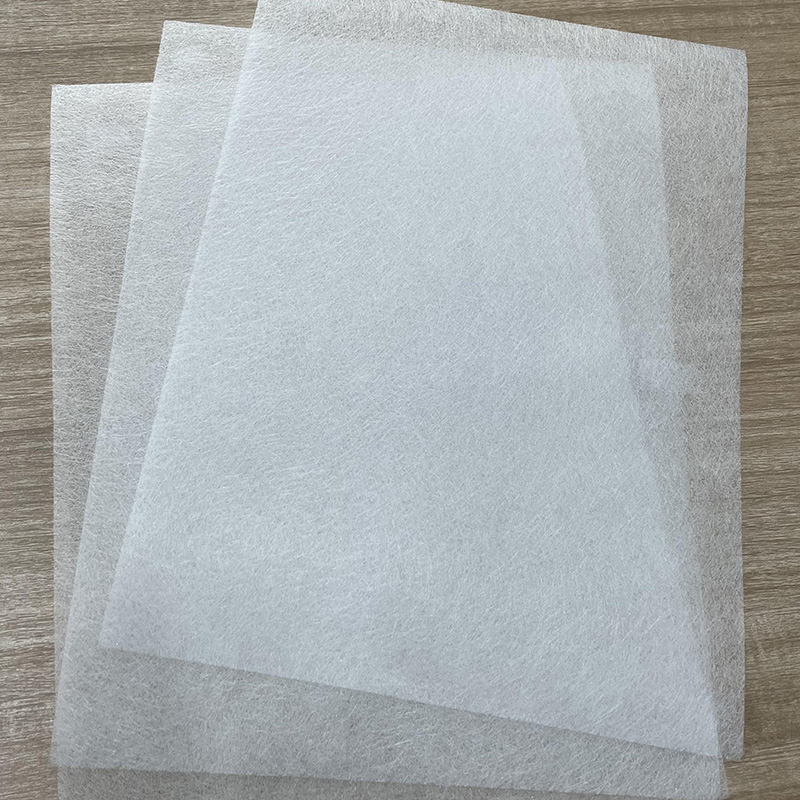
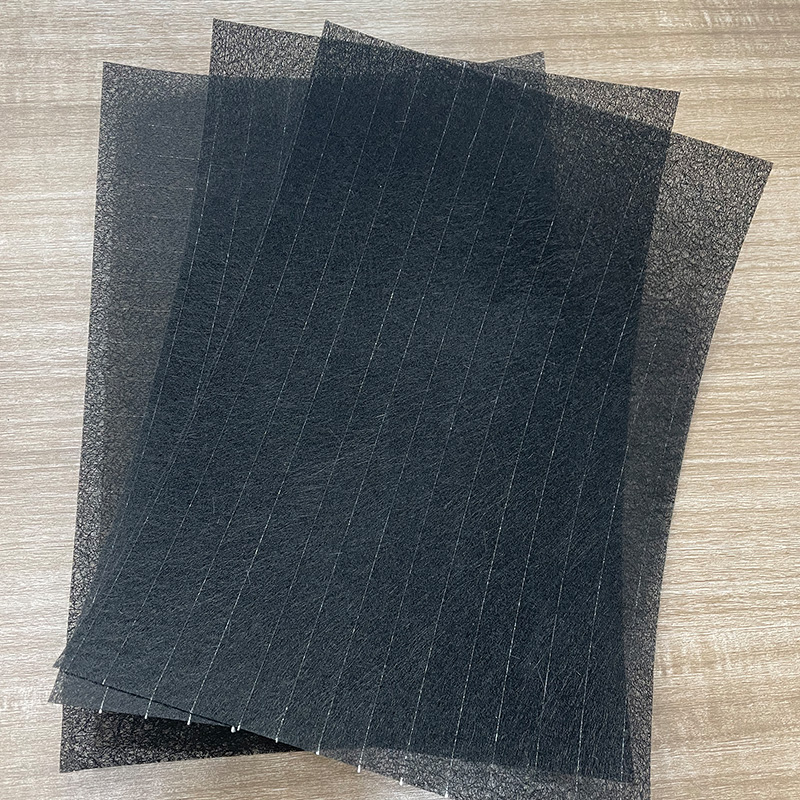
Carbon fiber cloth is quickly becoming one of the sought-after materials across various industries due to its unique properties. Made from interwoven carbon fibers, it combines lightweight and high-strength characteristics that allow it to stand up to conditions.
What is Carbon Fiber Cloth?
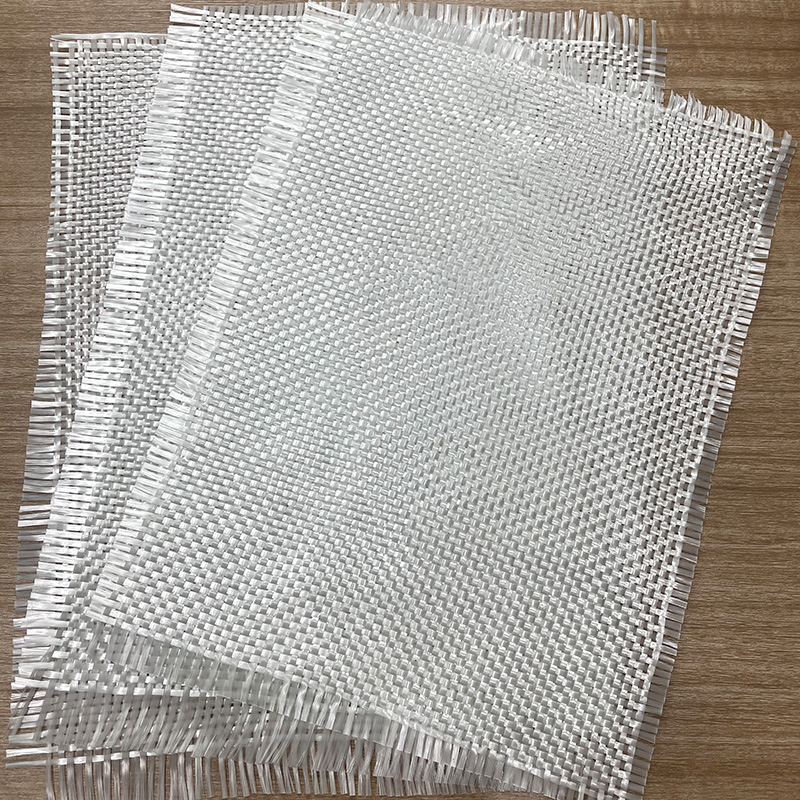
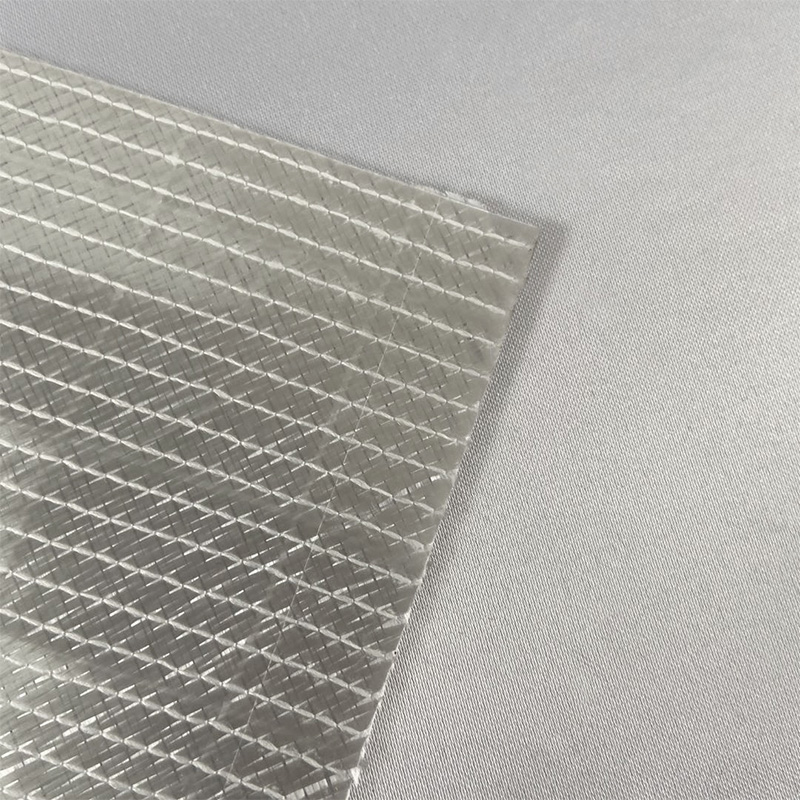
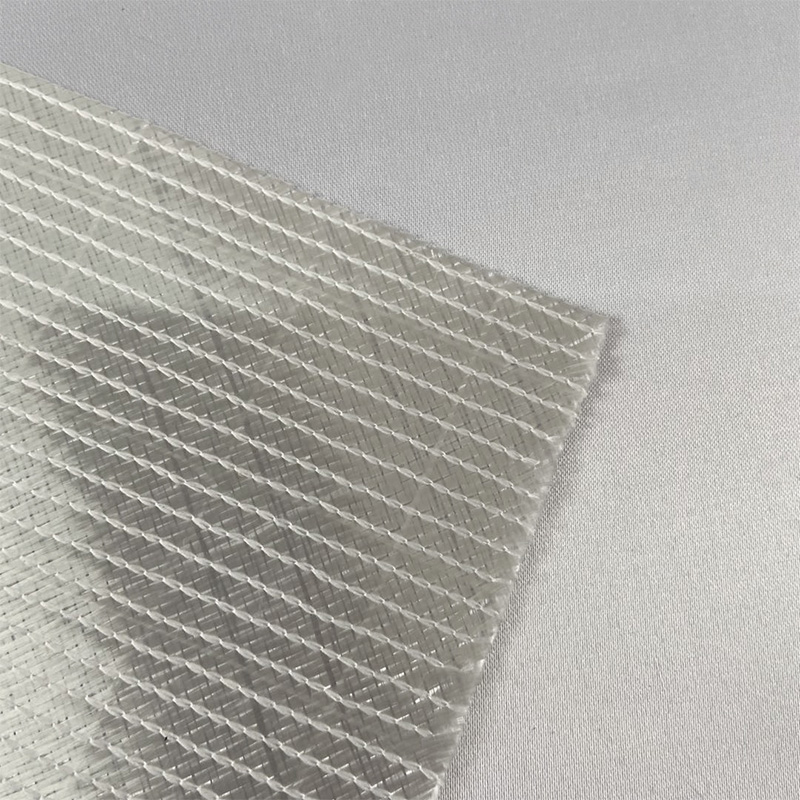
Carbon fiber cloth is a fabric made from carbon fibers, which are thin strands of carbon atoms bonded together in a crystalline structure. These fibers are woven into a fabric that is both light and incredibly strong. The material’s high stiffness and energy resistance make it ideal for a wide range of applications, including aerospace, automotive, construction, and protective equipment.
Properties of Carbon Fiber Cloth
The inherent properties that make carbon fiber cloth durable in conditions include:
High Strength-to-Weight Ratio: Carbon fiber cloth is much stronger than steel yet weighs a fraction of it, making it ideal for applications where both strength and lightness are critical.
Thermal Resistance: Carbon fibers can withstand high temperatures, often tolerating heat up to 300°C (572°F) and beyond, depending on the resin system used. This thermal stability makes it a prime choice for environments exposed to heat, such as aerospace components and fire-resistant applications.
Chemical Resistance: Carbon fiber cloth is resistant to corrosion from chemicals, including acids and salts, making it highly suitable for use in harsh chemical environments.
Electrical Conductivity: Unlike many materials, carbon fiber cloth exhibits electrical conductivity, which can be beneficial in specific applications, such as electromagnetic shielding and high-voltage environments.
Durability in Extreme Environmental Conditions
To evaluate the durability of carbon fiber cloth in conditions, we will break down its performance in various environments:
High Temperatures
Under heat, carbon fiber cloth retains its integrity and strength. Unlike fabrics, it does not degrade or lose its structural properties when exposed to high temperatures. This makes it a choice for applications in engines, turbine blades, and other high-temperature environments.
Temperature Performance of Carbon Fiber Cloth
| Temperature Range | Performance | Application |
|---|---|---|
| 200°C (392°F) | Excellent resistance to heat | Aerospace, Automotive |
| 250°C (482°F) | Moderate resistance to heat | Industrial Components |
| 300°C (572°F) | High performance | Military, High-performance equipment |
High and Low Pressure
In high-pressure environments like deep-sea exploration or space applications, carbon fiber cloth has proven to withstand these conditions without compromising structural integrity. The material maintains its shape and strength, making it ideal for use in pressure vessels and protective gear.
UV Exposure
Long-term exposure to UV radiation can degrade many materials, but carbon fiber cloth resists UV degradation. With proper resin treatment, it can be exposed to direct sunlight without significant wear, which makes it ideal for outdoor uses such as construction and sporting goods.
UV Exposure Resistance of Carbon Fiber Cloth
| UV Exposure Duration | Performance | Application |
|---|---|---|
| 6 months | No significant degradation | Sports equipment, Outdoor furniture |
| 12 months | Slight wear on resin surface | Automotive parts |
| 18 months | Minor changes in fabric texture | Building materials |
Impact Resistance
Carbon fiber cloth is also highly resistant to impact, withstanding mechanical stresses like blows, sudden impacts, and shocks. This is particularly useful in industries where protection against impact is critical, such as in armor materials, helmets, and structural reinforcements.
Impact Resistance of Carbon Fiber Cloth
| Impact Type | Resistance Level | Typical Application |
|---|---|---|
| Low impact | High | Protective gear, Automotive |
| Moderate impact | Moderate | Aircraft components, Sporting goods |
| High impact | Low, with potential damage | Protective barriers |
Corrosion Resistance
One of the notable properties of carbon fiber cloth is its resistance to corrosion. Unlike metals, which can rust over time, carbon fiber cloth does not corrode in the presence of water, salt, or other corrosive agents. This property ensures longevity in marine and industrial environments.
Corrosion Resistance of Carbon Fiber Cloth
| Corrosive Agent | Resistance Level | Use Case |
|---|---|---|
| Saltwater | Excellent | Marine applications |
| Acidic substances | Moderate | Chemical industry |
| Base solutions | Excellent | Aerospace and automotive |
Applications of Carbon Fiber Cloth in Extreme Conditions
Aerospace Industry: Carbon fiber cloth is used to construct parts that must endure temperatures and pressures, including wings, fuselages, and engine components.
Automotive Industry: High-performance vehicles, particularly those designed for racing, make use of carbon fiber cloth in body panels, chassis, and internal components to reduce weight without sacrificing strength.
Military and Defense: Carbon fiber is used in armor materials, protective clothing, and advanced military applications where durability and resistance to heat, pressure, and impact are essential.
Sports and Recreation: Carbon fiber cloth is also used in sporting goods such as bicycles, golf clubs, and tennis rackets due to its light weight and high strength.
Conclusion
Carbon fiber cloth is an exceptional material that offers unparalleled durability in conditions. Its high strength-to-weight ratio, thermal and chemical resistance, impact durability, and long-term performance under UV exposure and high pressures make it a versatile choice for industries ranging from aerospace to automotive and defense.
FAQ
1. How long can carbon fiber cloth withstand temperatures?
- Carbon fiber cloth can withstand temperatures up to 300°C (572°F) with appropriate resin systems.
2. Can carbon fiber cloth be used in underwater applications?
- Yes, carbon fiber cloth is highly resistant to water and corrosion, making it suitable for underwater use.
3. Is carbon fiber cloth resistant to impact?
- Yes, carbon fiber cloth has resistance to low to moderate impacts, which is why it is used in protective gear and automotive components.
4. How does UV exposure affect carbon fiber cloth?
- Carbon fiber cloth resists UV degradation and can be used outdoors with minimal wear, especially with UV-resistant coatings.
5. What are the applications for carbon fiber cloth in conditions?
- The applications include aerospace, automotive, military defense, and high-performance sports equipment due to its strength, lightweight nature, and resistance to harsh conditions.
 Previous