
 English
 中文简体
中文简体 русский
 Español
Why Wall Surfaces Matter More Than Most Buyers Assume
Most buyers in the building materials sector treat wall coverings as a finishing category. The assumption is simple: insulation boards and HVAC systems do the heavy lifting for energy efficiency, while wall coverings only need to look acceptable and resist minor damage. That assumption is incomplete, and it leads to missed opportunities in both thermal performance and long-term cost control.
Building physics research and patent literature on radiant heating and cooling systems have shown that the mean radiant temperature of interior surfaces carries weight comparable to air temperature when occupants judge thermal comfort. A wall that feels cold in winter or warm in summer forces occupants to adjust thermostats, extend HVAC runtime, or accept discomfort. In commercial and institutional buildings, that behavior translates directly into energy consumption that no insulation upgrade alone can fully eliminate.
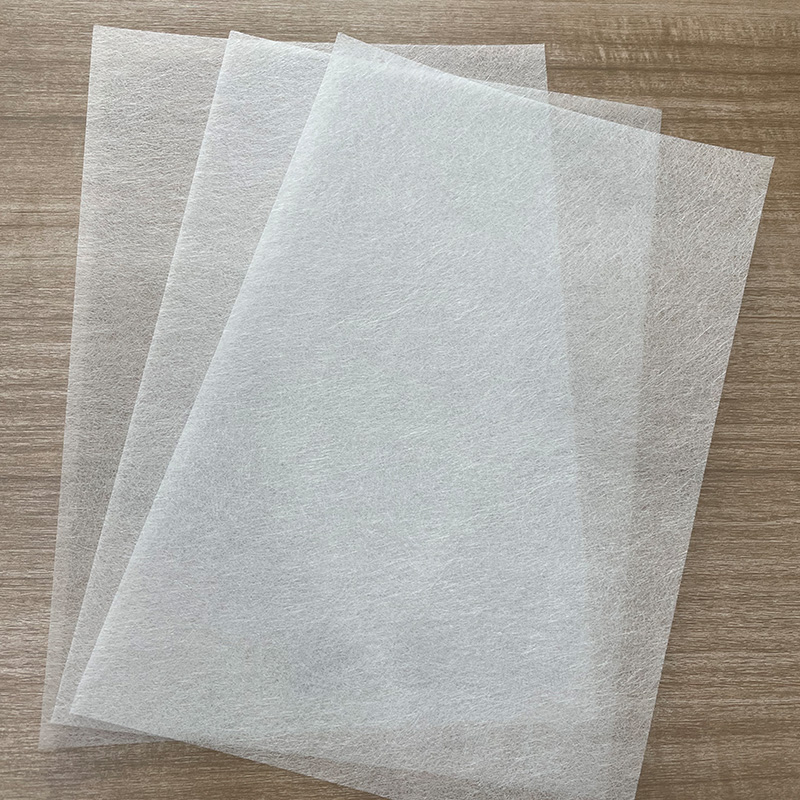
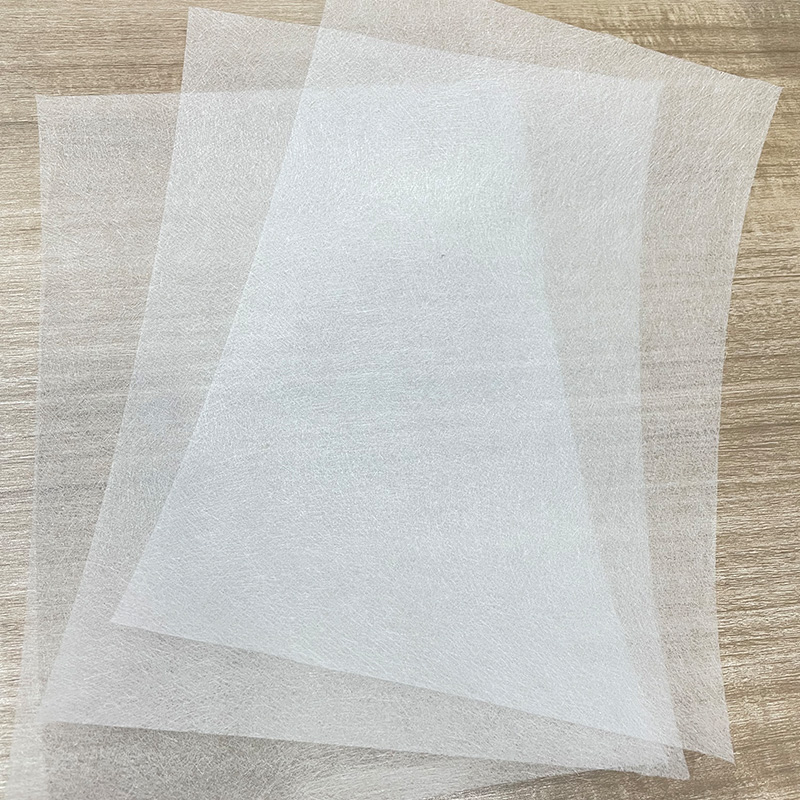
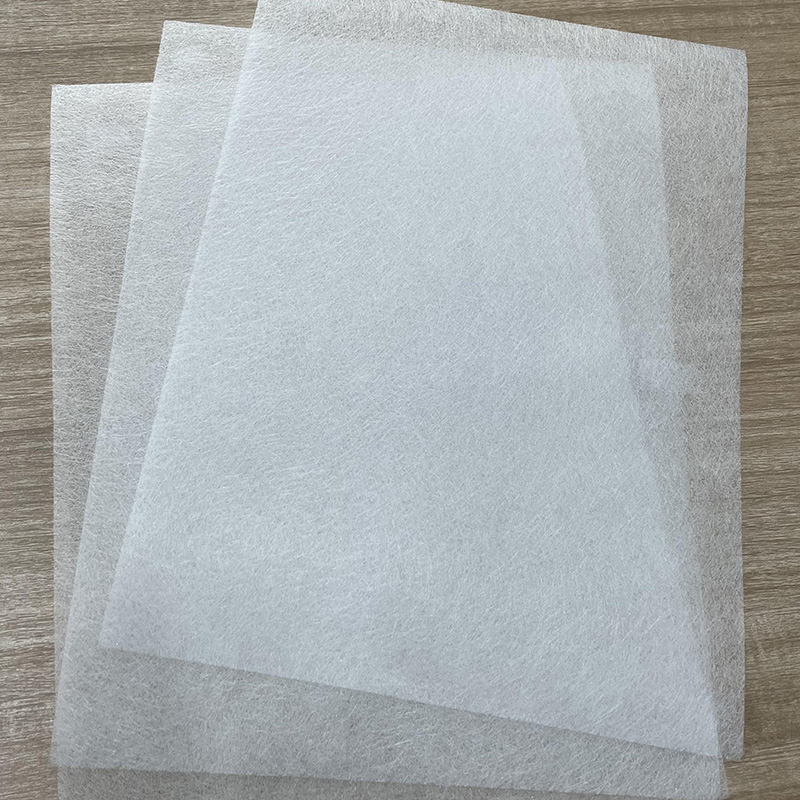
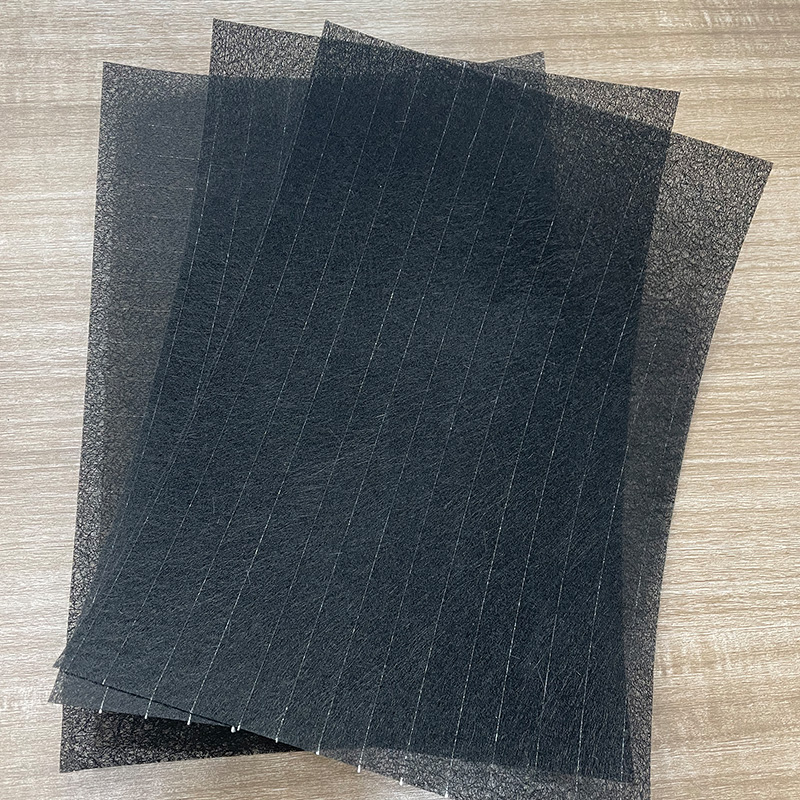
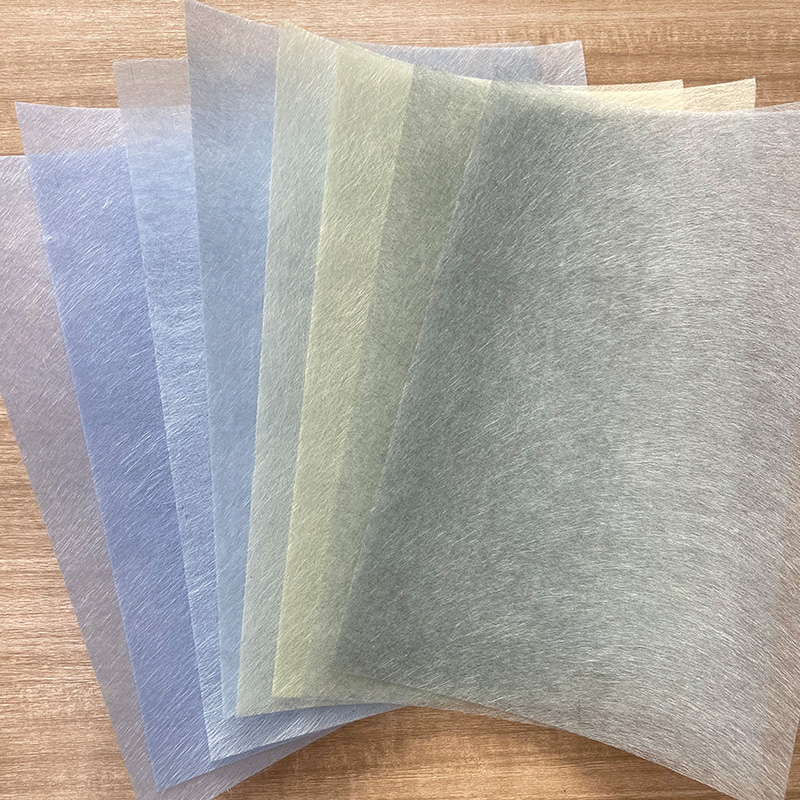
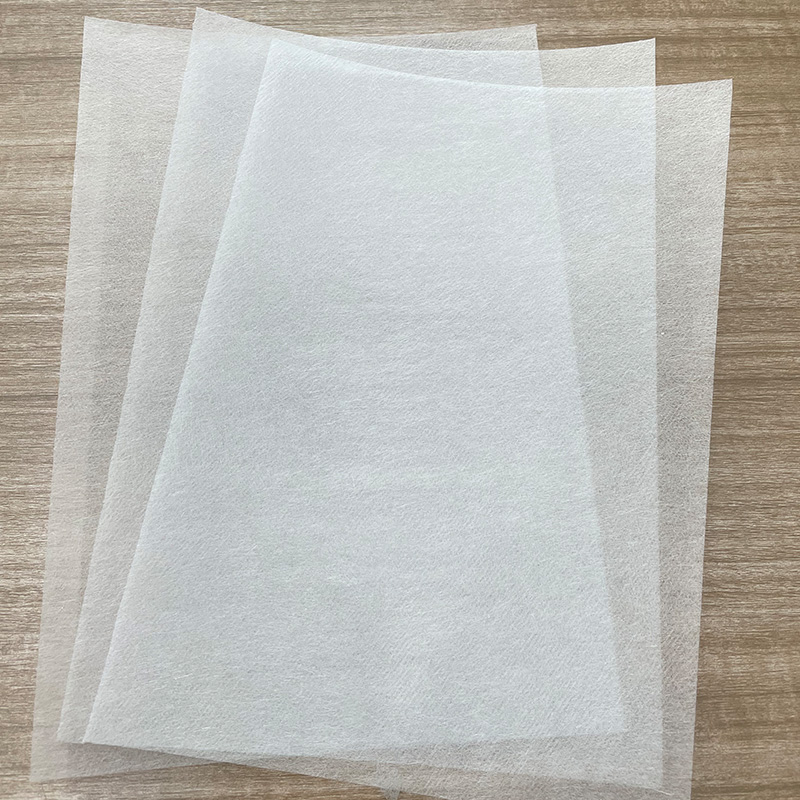
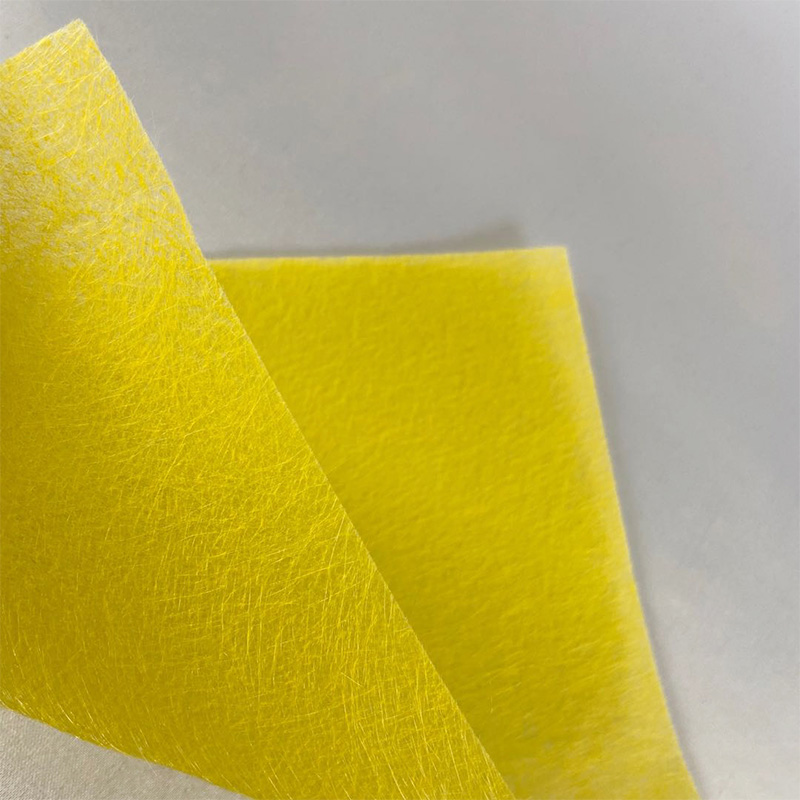
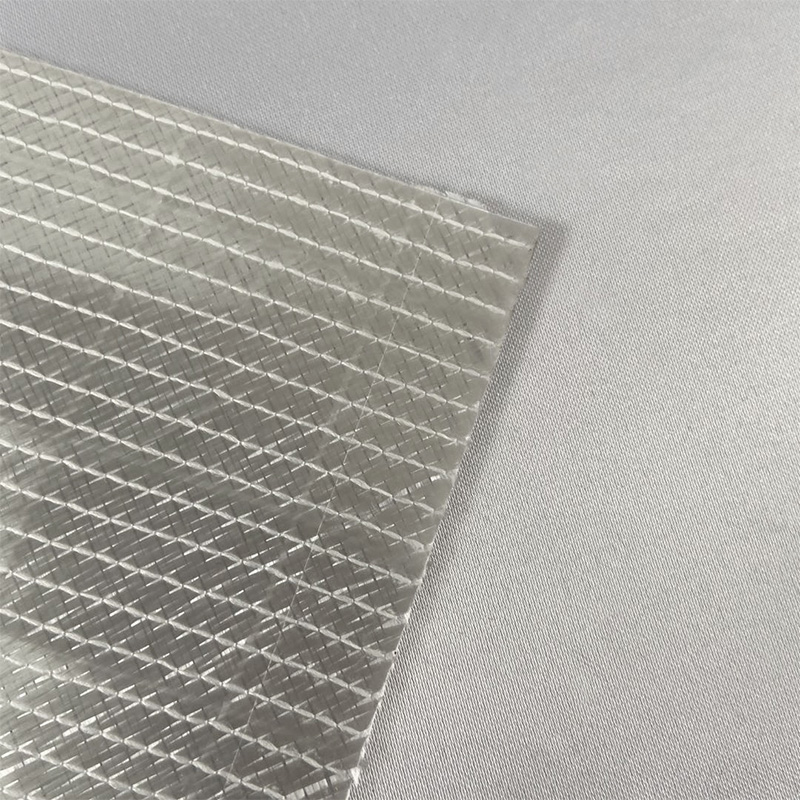
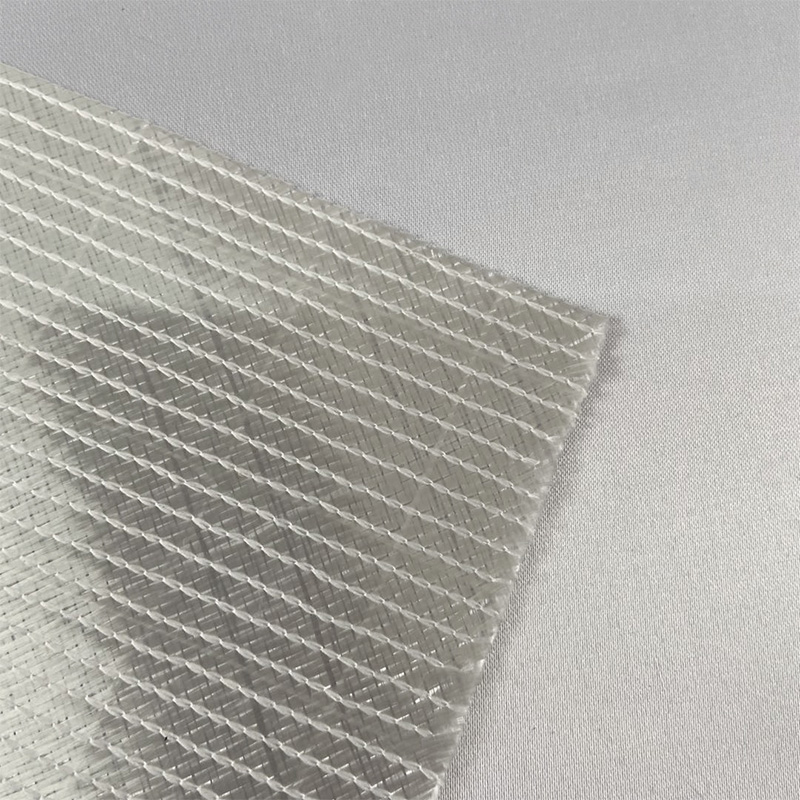
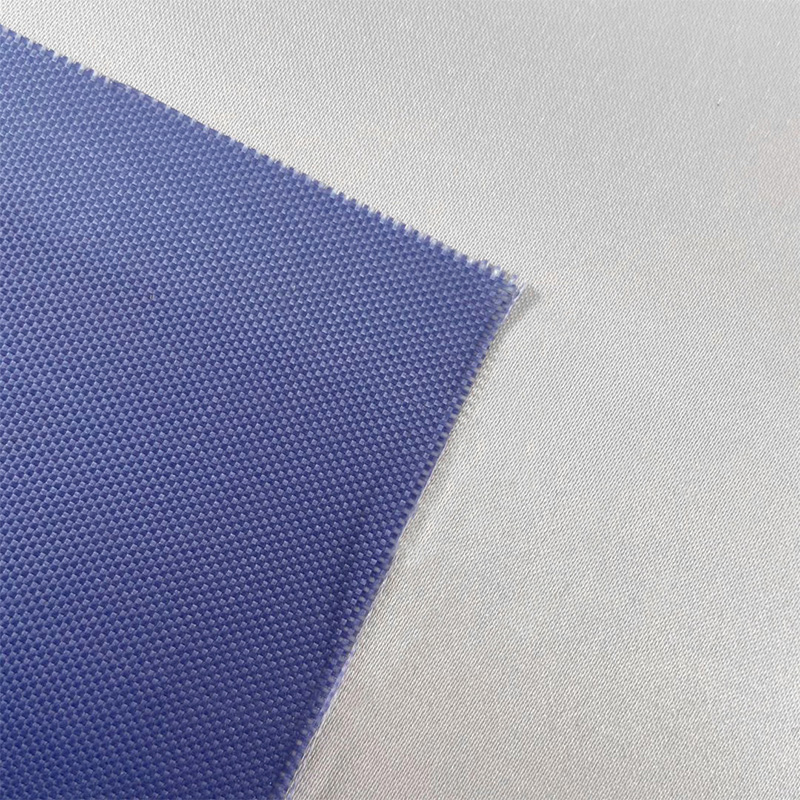
This is where a fiberglass wall covering mat enters the conversation. It is not a structural insulation product. It is a thin, porous, mineral-coated or binder-bonded glass fiber layer that changes how a wall surface interacts with room air and radiant heat. Its value lies in thermal buffering, moisture management, and crack control, three factors that determine whether a wall assembly performs as designed over years of operation.
Key insight: Energy efficiency in buildings is not only about reducing heat flow through the envelope. It is also about stabilizing surface temperatures, preventing air leakage through cracks, and keeping insulation dry. A fiberglass wall covering mat contributes to all three.
How Does a Fiberglass Wall Covering Mat Influence Thermal Behavior?
The thermal contribution of a fiberglass wall covering mat is best understood through two concepts: thermal effusivity and surface response time. Thermal effusivity describes how quickly a surface absorbs or releases heat when it meets a different temperature. A material with low thermal effusivity feels less cold to the touch and changes temperature more slowly when room conditions shift.
Fiberglass wall covering mats are produced in a weight range that typically spans 50 g/m² to 430 g/m², with thickness often around 0.3 mm for lighter grades. This combination of low mass and thin profile means the surface layer does not store large amounts of heat. Instead, it follows room temperature fluctuations more closely than dense plaster, concrete, or thick wallboard. The result is a surface that feels more neutral and reduces the radiant temperature asymmetry that drives occupant discomfort.
Thermal Effusivity and Surface Response
When a wall surface has high thermal effusivity, it pulls heat from the body or from room air rapidly, creating a cold sensation in winter. When it has low thermal effusivity, that pull is weaker, and the surface temperature stays closer to air temperature. A fiberglass mat, especially in the 50 g/m² to 120 g/m² range, acts as a low-effusivity layer that moderates this effect without adding significant thermal resistance.
The practical outcome is not a replacement for insulation. It is a refinement of the interior surface condition. HVAC systems can maintain setpoint temperatures with less cycling when occupants do not perceive drafty or radiantly cold walls. In large commercial spaces, even a small reduction in thermostat overshoot can produce measurable annual energy savings.
Synergy With Insulation Boards and Gypsum Substrates
Fiberglass wall covering mats are frequently used as mineral-coated facings on gypsum board, cement board, or rigid insulation panels. In this configuration, the mat provides a durable surface that resists cracking, improves water repellency, and maintains a stable thermal interface. Traditional paper facings can absorb moisture, which raises thermal conductivity and reduces insulation performance. A glass fiber mat with appropriate binder content keeps its structure and surface properties even in humid conditions.
| Property | Typical Range | Effect on Thermal Performance |
|---|---|---|
| Weight | 50 g/m² to 430 g/m² | Lighter grades respond faster to room temperature changes; heavier grades add surface strength for composite panels |
| Thickness | Approximately 0.3 mm to 1.0 mm | Thin profile minimizes thermal mass and allows close surface temperature tracking |
| Binder Content | 18% to 24% | Uniform fiber distribution supports stable air permeability and consistent thermal behavior |
| Air Permeability | Varies by structure | Supports moisture vapor movement while limiting bulk air leakage |
Beyond Insulation: The Hidden Energy Contributions of Fiberglass Mats
Thermal buffering is only one part of the energy efficiency story. Two additional mechanisms matter greatly in real buildings: crack control and moisture balance. Both influence how much energy a building consumes over its service life, and both are directly affected by the choice of wall covering.
Crack Control as Energy Control
Microcracks in wall surfaces are common in commercial buildings due to substrate movement, thermal cycling, and humidity changes. Once cracks form, they create pathways for air leakage. Air leakage forces HVAC systems to work harder to maintain pressure differentials and temperature setpoints. In cold climates, exfiltration through cracks carries heated air out of the building; in hot climates, infiltration brings humid air in, increasing latent cooling loads.
A fiberglass wall covering mat with high dimensional stability and crack resistance helps bridge minor substrate movements and prevents cracks from propagating to the visible surface. By maintaining a continuous surface layer, the mat reduces unintended air pathways and supports the designed airtightness of the wall assembly.
Moisture Balance and Insulation Drying
Moisture is the enemy of thermal performance. Wet insulation has significantly higher thermal conductivity than dry insulation. A wall that cannot dry out will lose insulating value over time, and the energy penalty persists until the moisture is removed. Fiberglass wall covering mats are engineered to be water-resistant while remaining air-permeable. This combination allows moisture vapor to escape from the wall assembly while preventing liquid water from penetrating the surface.
The practical benefit is that the insulation layer stays drier, retains its rated thermal resistance, and does not contribute to mold growth or surface deterioration. In high-humidity regions, this property alone can extend the effective service life of a wall system and reduce repeated maintenance costs.
- Crack bridging: Reduces air leakage pathways that increase HVAC load
- Water repellency: Protects insulation from moisture-related thermal degradation
- Air permeability: Allows wall assemblies to dry and maintain designed performance
- Dimensional stability: Prevents surface deformation that can open gaps at seams
Technical Specifications and Their Relationship to Energy Efficiency
For buyers, the connection between specification data and energy outcomes is essential. Not every fiberglass wall covering mat is optimized for the same application. Weight, binder content, and structural characteristics determine whether the mat functions primarily as a surface layer or as a composite facing.
Weight Ranges and Application Fit
| Weight Range | Typical Application | Energy-Related Behavior |
|---|---|---|
| 50 g/m² to 75 g/m² | Direct wall covering, light surface reinforcement | Fast thermal response, minimal added mass, suitable for retrofit over existing surfaces |
| 120 g/m² to 200 g/m² | Composite facing for gypsum or insulation boards | Balanced strength and permeability, supports durable surface with stable thermal interface |
| 200 g/m² to 430 g/m² | High-strength facings for exterior sheathing and rigid insulation | Enhanced crack resistance and dimensional stability, protects insulation from moisture and mechanical damage |
Binder Content and Structural Uniformity
Binder content in the range of 18% to 24% is typical for many fiberglass wall covering mats. This range supports uniform fiber distribution, which in turn ensures consistent air permeability and predictable thermal behavior. Too little binder can lead to fiber shedding and inconsistent surface properties. Too much binder can reduce permeability and compromise the mat's ability to allow moisture vapor to pass.
For buyers evaluating quotations, binder content is not always listed on standard data sheets, but it can be requested. It is a useful indicator of manufacturing consistency and long-term performance stability.
Procurement note: When comparing suppliers, request tensile strength values in both machine direction and cross direction. A mat with balanced tensile properties is less likely to tear or deform during installation, which preserves the continuity of the surface layer and its crack-bridging function.
Application Scenarios and Return on Investment
The energy efficiency benefits of fiberglass wall covering mats translate into different ROI profiles depending on the application. Two scenarios are particularly relevant for buyers: commercial renovation and high-humidity environments.
Commercial Building Renovation
In renovation projects, removing and replacing entire wall surfaces is costly and disruptive. A fiberglass wall covering mat can be installed directly over prepared existing surfaces, bridging minor cracks and providing a renewed, durable finish. This approach reduces demolition waste, shortens project timelines, and minimizes downtime for building occupants.
From an energy perspective, the renovated surface reduces air leakage through cracks and improves the radiant temperature profile of the interior. For building owners, the combination of lower disruption and improved thermal comfort can shorten the payback period compared to full wall replacement.
High-Humidity and Moisture-Prone Environments
In coastal areas, natatoriums, food processing facilities, and other high-humidity environments, conventional wall coverings can support mold growth and degrade quickly. Fiberglass wall covering mats resist mold and moisture damage, maintaining their surface integrity and air permeability over time. This durability protects the insulation layer from moisture ingress and helps sustain the energy performance of the wall assembly.
Procurement Guide: What to Confirm Before Ordering
For buyers, the technical data sheet is the primary tool for evaluating whether a fiberglass wall covering mat will meet project requirements. The following parameters should be confirmed before placing an order.
- Weight: Confirm the gram per square meter value and verify it matches the intended application, whether direct covering or composite facing.
- Thickness: Thin mats around 0.3 mm are suitable for surface response and retrofit; thicker mats may be needed for mechanical durability.
- Tensile strength: Request machine direction and cross direction values to assess handling and crack-bridging capability.
- Air permeability: Confirm the mat allows moisture vapor movement while resisting bulk air leakage.
- Binder content: Ask for the percentage range to evaluate fiber uniformity and long-term stability.
- Fire resistance: Verify compliance with relevant building codes for the project location.
For buyers seeking wholesale quantities, factory direct sourcing can provide consistent specifications and reliable lead times. When requesting a quotation, include the target weight, thickness, and performance requirements so the supplier can recommend the most suitable grade.
To evaluate how our specific fiberglass wall covering mat specifications can meet your project's thermal and fire-safety requirements, request a sample and quotation.
Frequently Asked Questions
Q1: What is a fiberglass wall covering mat?
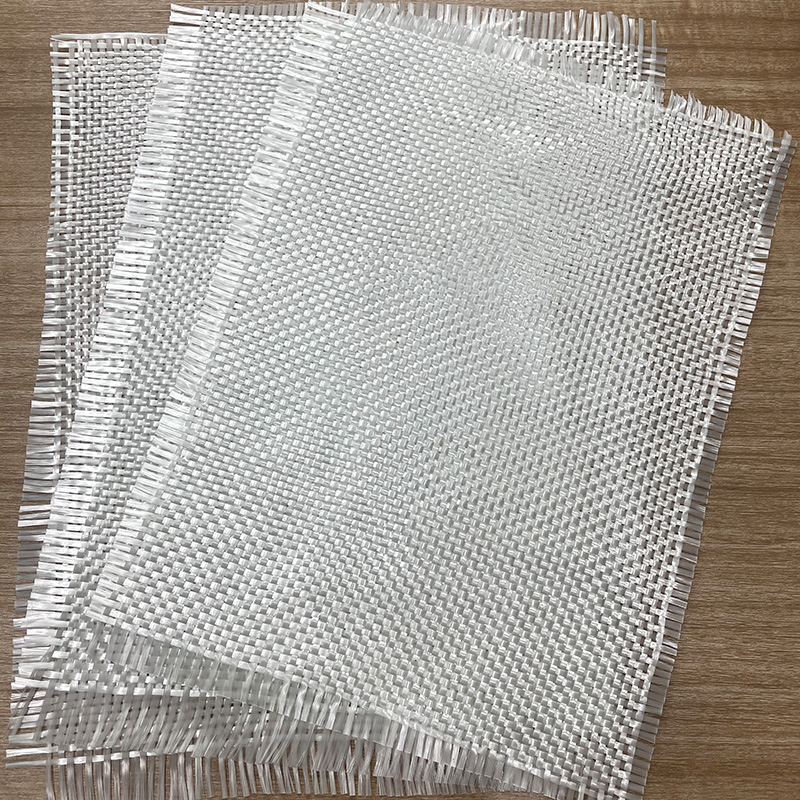
A fiberglass wall covering mat is a thin, non-woven or woven glass fiber layer, often with a mineral coating or binder, used as a surface covering or composite facing for walls, gypsum boards, and insulation panels. It provides crack resistance, moisture management, and thermal buffering.
Q2: How does a fiberglass wall covering mat improve energy efficiency?
It improves energy efficiency by reducing the thermal mass of the wall surface, allowing faster response to room temperature changes, bridging cracks to reduce air leakage, and keeping insulation dry so it maintains its rated thermal performance.
Q3: What weight of fiberglass wall covering mat is best for energy efficiency?
Lighter weights, such as 50 g/m² to 75 g/m², are often preferred for direct wall covering because they respond quickly to temperature changes. Heavier weights, from 120 g/m² to 430 g/m², are used as composite facings where strength and durability are priorities.
Q4: Can fiberglass wall covering mats be used in high-humidity areas?
Yes. Their water resistance and air permeability allow moisture vapor to escape while preventing liquid water penetration, which helps prevent mold growth and protects insulation from moisture-related performance loss.
Q5: What should buyers check in a technical data sheet?
Buyers should confirm weight, thickness, tensile strength in machine and cross directions, air permeability, binder content, and fire resistance ratings to ensure the mat meets project requirements.
Q6: How do fiberglass wall covering mats compare to traditional wallpaper?
Unlike traditional wallpaper, fiberglass mats are dimensionally stable, resistant to mold and moisture, and provide crack-bridging and thermal buffering benefits. They are designed for long-term performance in commercial and institutional buildings.