
 English
 中文简体
中文简体 русский
 Español
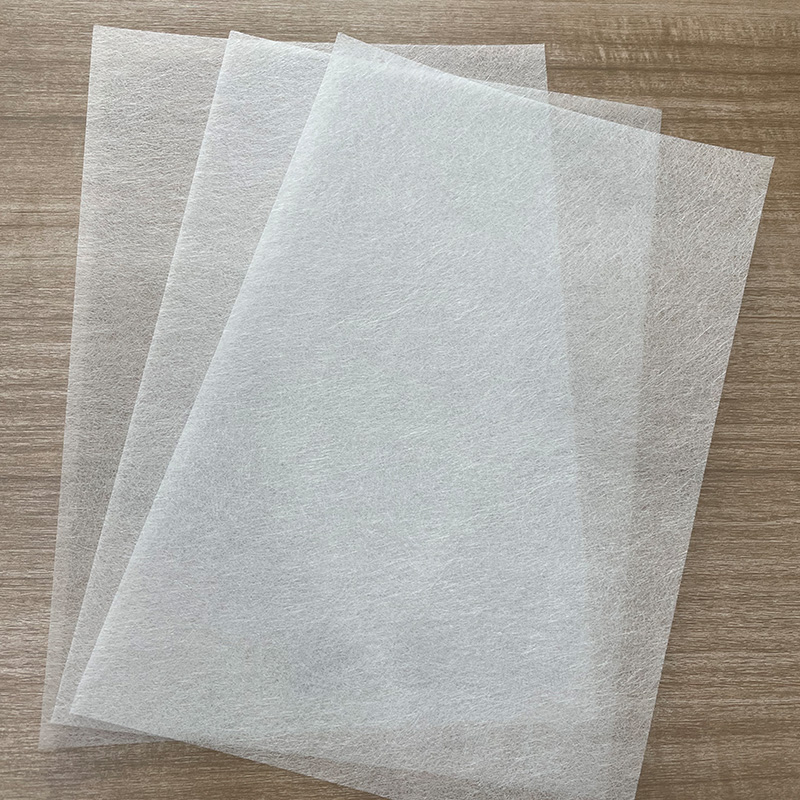
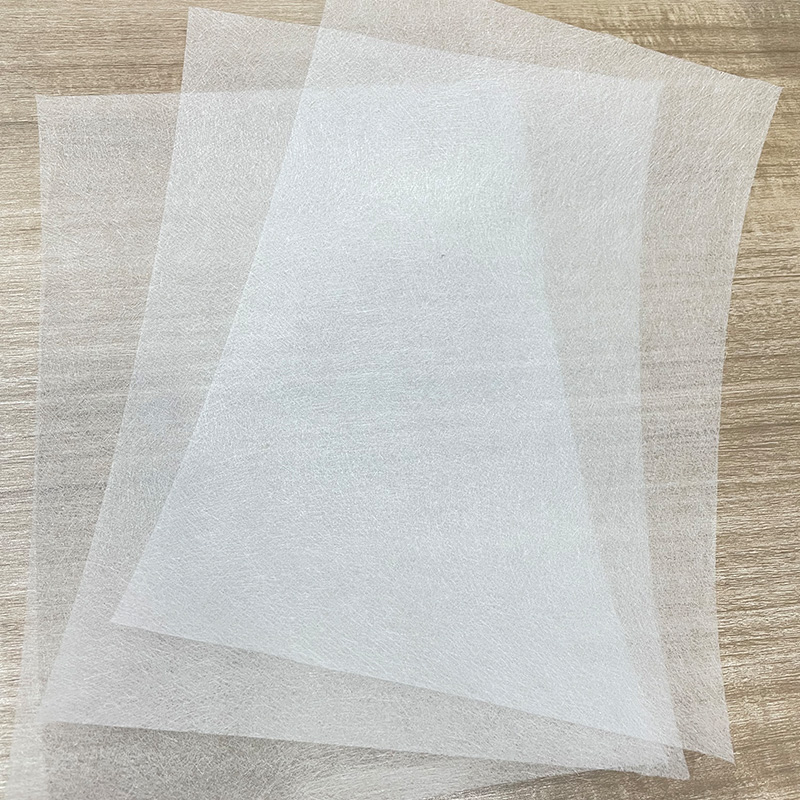
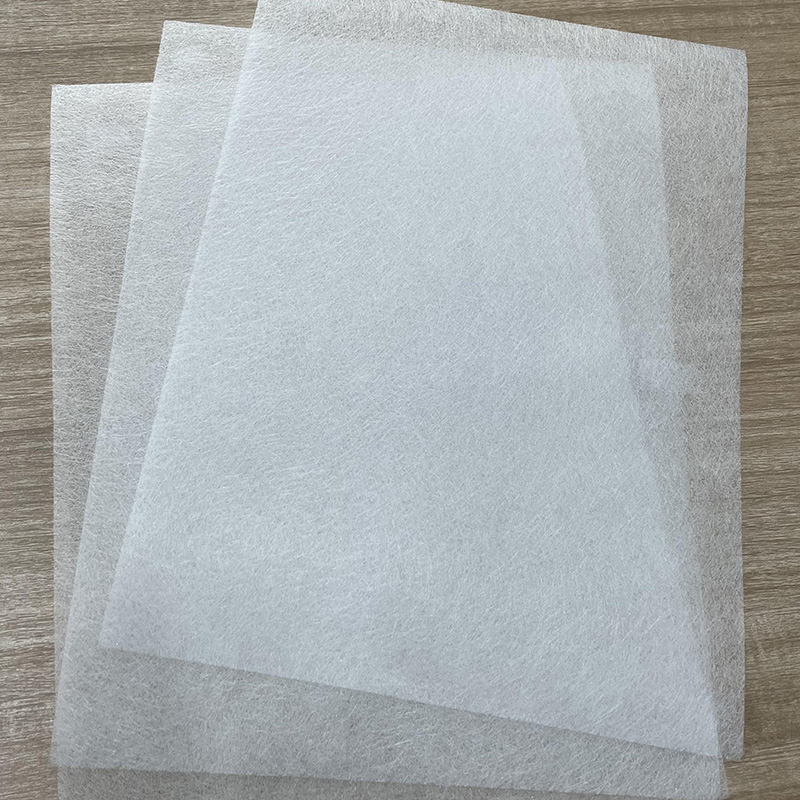
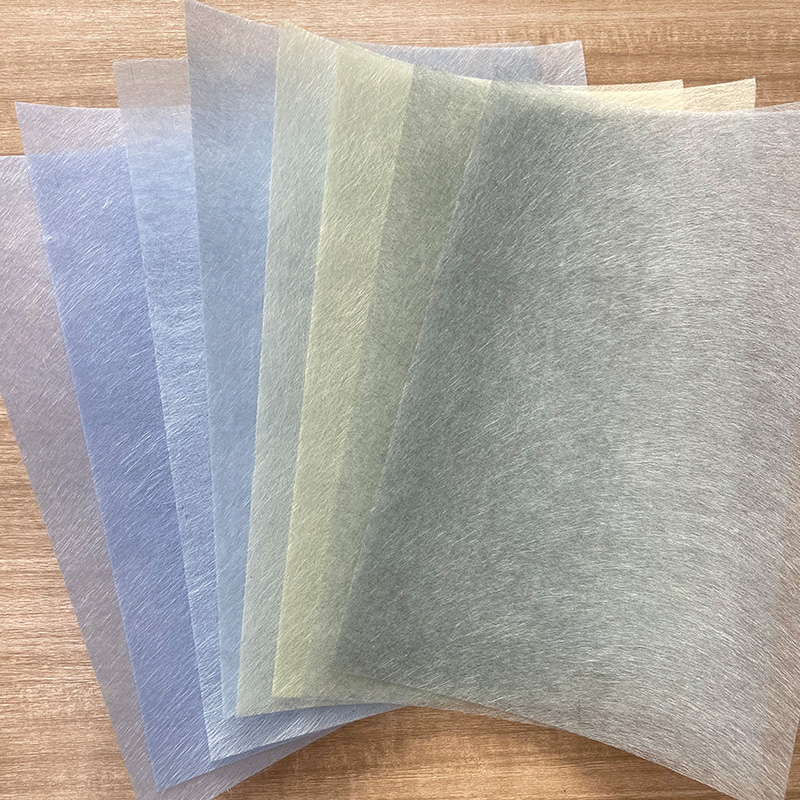
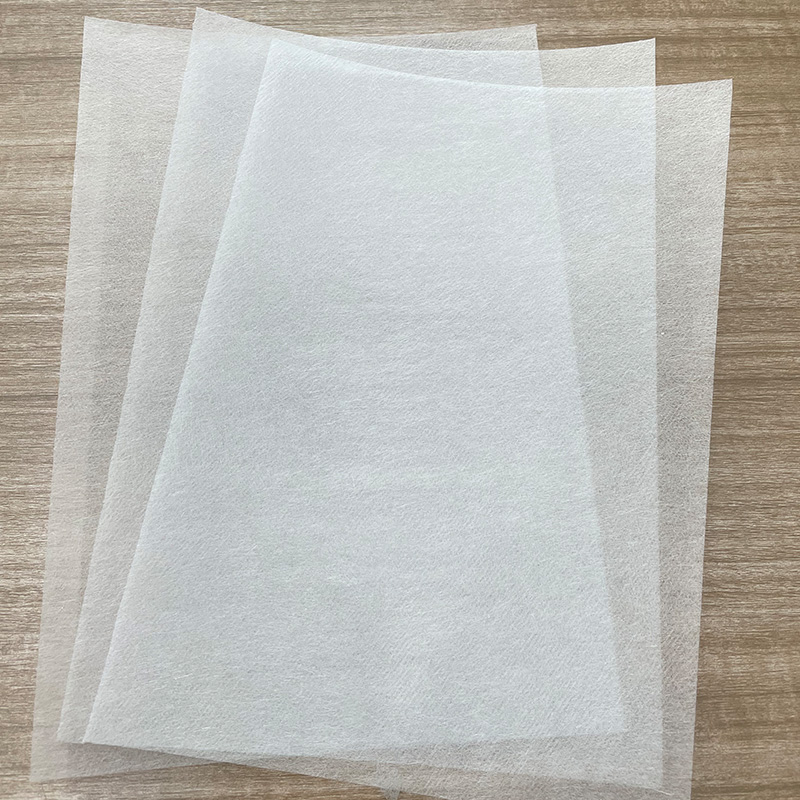
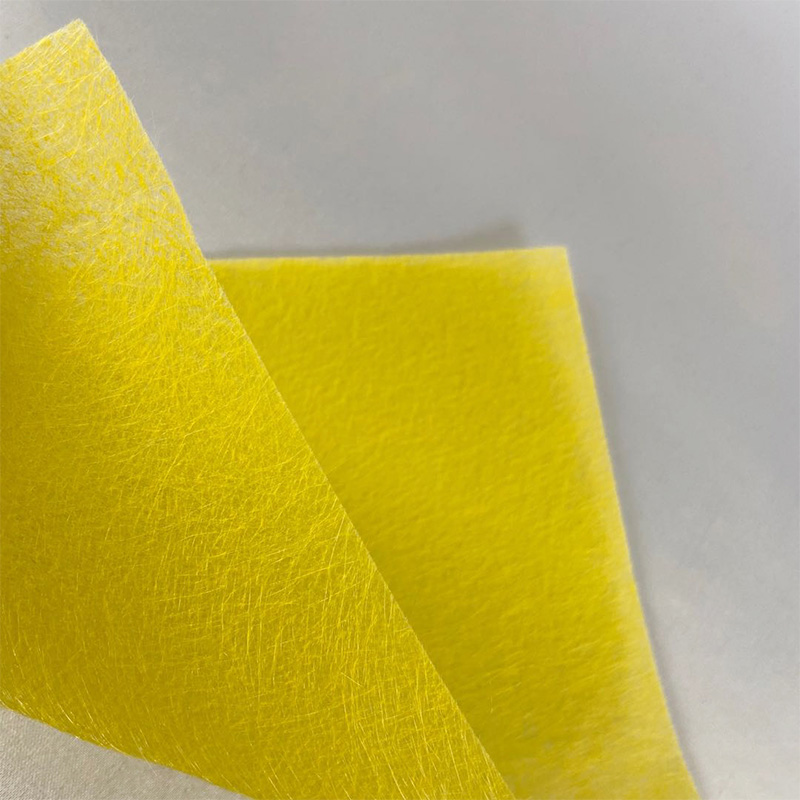
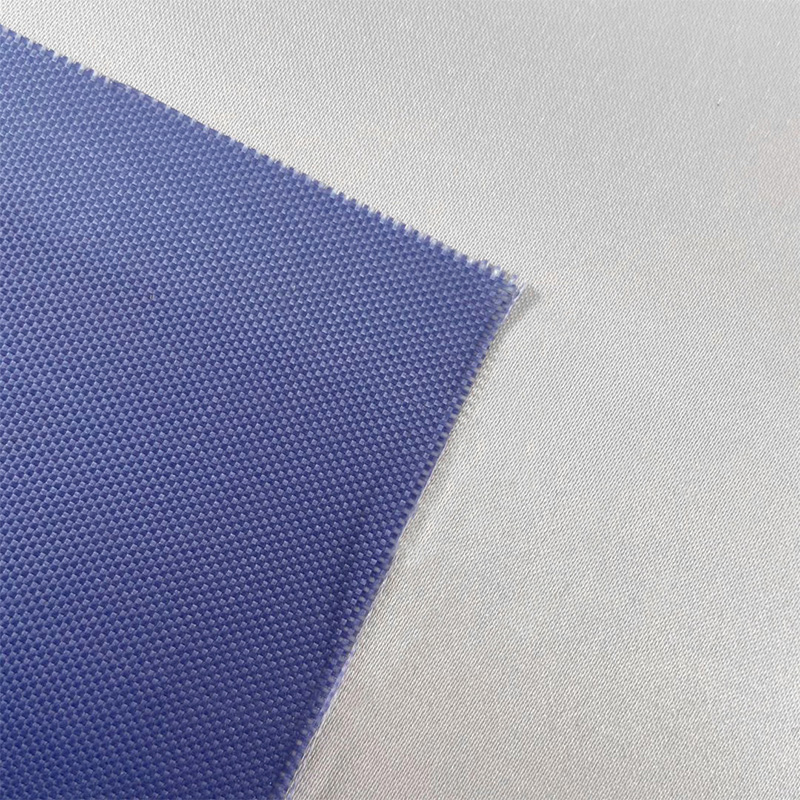
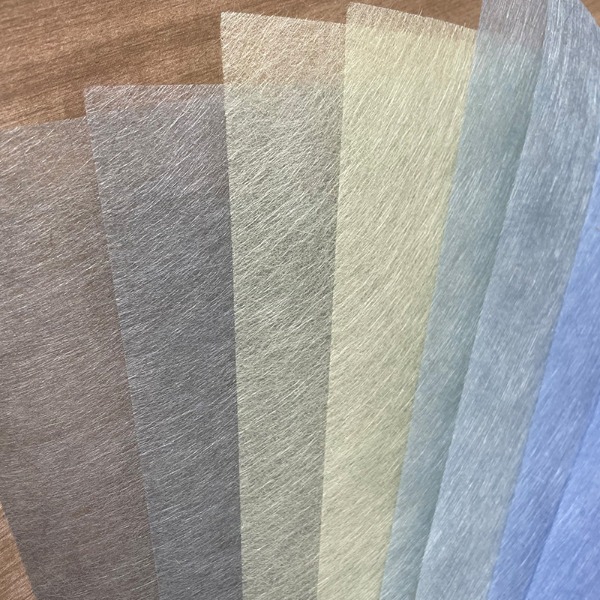
Traditional veils are made from nylon, polyester, silk, or rayon tulle. In contrast, surfacing veils (for composites) are made from non-woven synthetic fibers like polyester or polypropylene, or chopped fiberglass strands bonded with a light resinous or acrylic binder. While fashion veils prioritize drape and transparency, industrial surfacing veils improve surface finish and corrosion resistance in fiberglass and carbon fiber parts.
For bridal and fashion applications, the common material is nylon tulle (accounting for ~85% of mass-produced veils) due to its affordability, softness, and slight stretch. For composite manufacturing, surfacing veils are typically made of polyester (70% of applications) or fiberglass (20%), with a weight ranging from 10 to 100 g/m².
Fashion Veils: Material Breakdown and Key Properties
The choice of veil material dramatically affects the final look, cost, and handling. Below is a comparison of the common veil fabrics with their market share and defining traits.
Common Veil Materials (Bridal & Fashion)
- Nylon Tulle (80-85% market share) – Soft, slightly stretchy, matte finish. Cost: ~$3-5 per yard. Used in 90% of ready-made wedding veils.
- Polyester Tulle (10-15%) – Stiffer, more wrinkle-resistant, shiny. Preferred for budget veils ($1-2/yard) and costumes.
- Silk Tulle (2-3%) – Luxurious, extremely fine, drapes beautifully. Prices: $30-100+ per yard. Used in high-end custom veils.
- Russian Net (1-2%) – Hexagonal mesh, holds embroidery well. Heavier and more structured.
What About “English Net” or “Illusion Tulle”?
These are marketing names. English net is typically a nylon tulle with smaller, rounder holes (0.5-1 mm openings vs. standard 1.5-2 mm). Illusion tulle is extra-fine nylon (denier below 15), making it nearly invisible from 3 feet away – commonly used for cathedral veils where the “floating” effect is desired.
Surfacing Veils in Composites: Technical Composition & Function
In composite manufacturing (boats, wind turbine blades, automotive parts), a surfacing veil is the outermost layer directly against the mold surface. Its primary job is to prevent fiber print-through (a defect where underlying glass or carbon fibers create visible ridges) and improve resin-rich surface quality.
Key data: Adding a 20 g/m² polyester surfacing veil reduces surface porosity by up to 78% compared to direct laminate-to-mold contact, according to a 2021 Composites World study.
Three Main Types of Surfacing Veils
- Polyester non-woven (most common, 70% of industrial use) – 10-50 g/m². Excellent corrosion resistance in chemical tanks. Binder type: acrylic or epoxy-soluble.
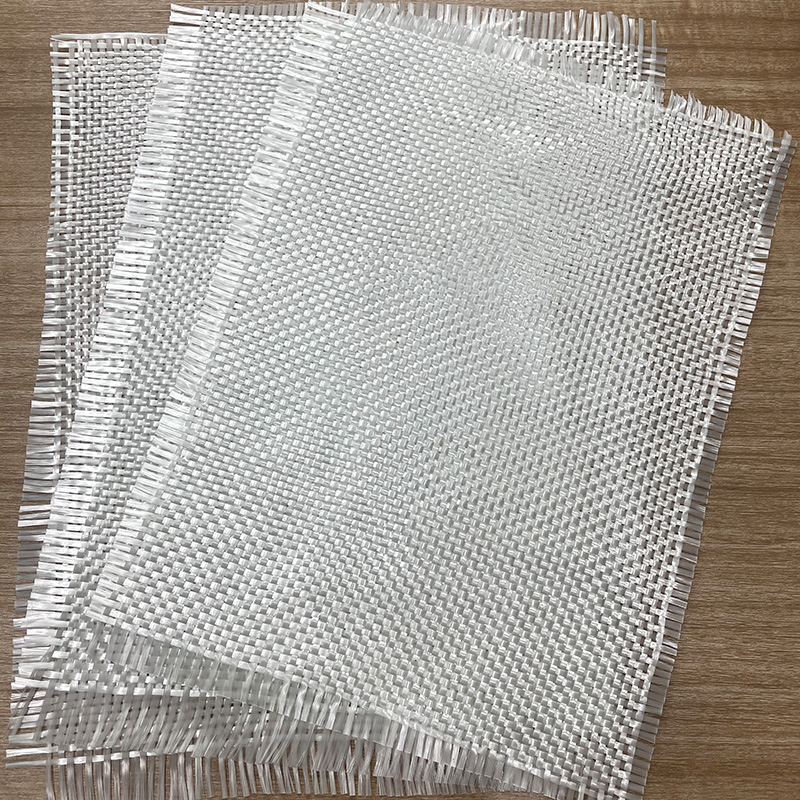
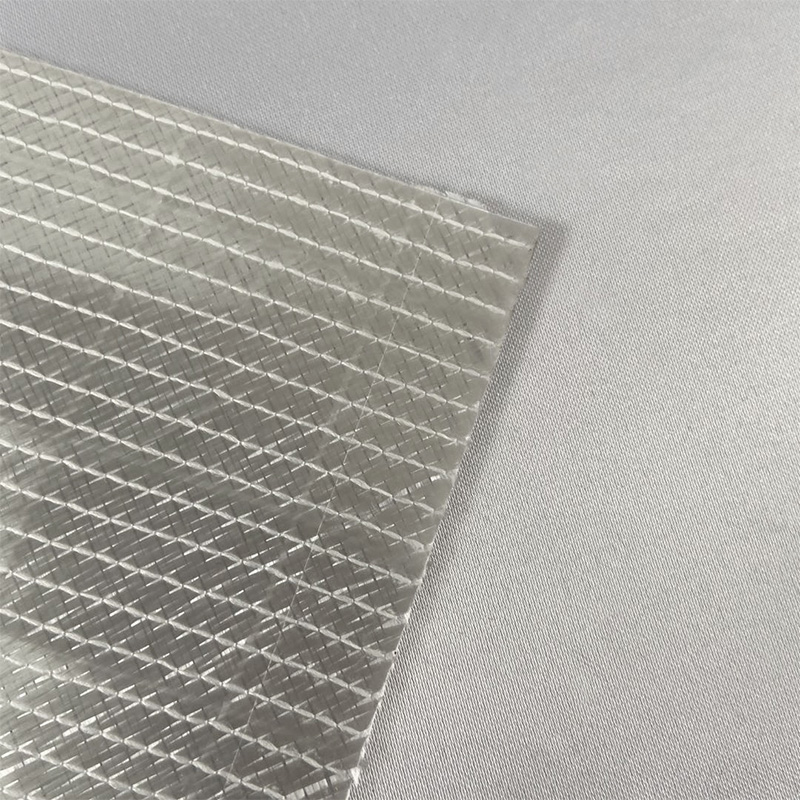
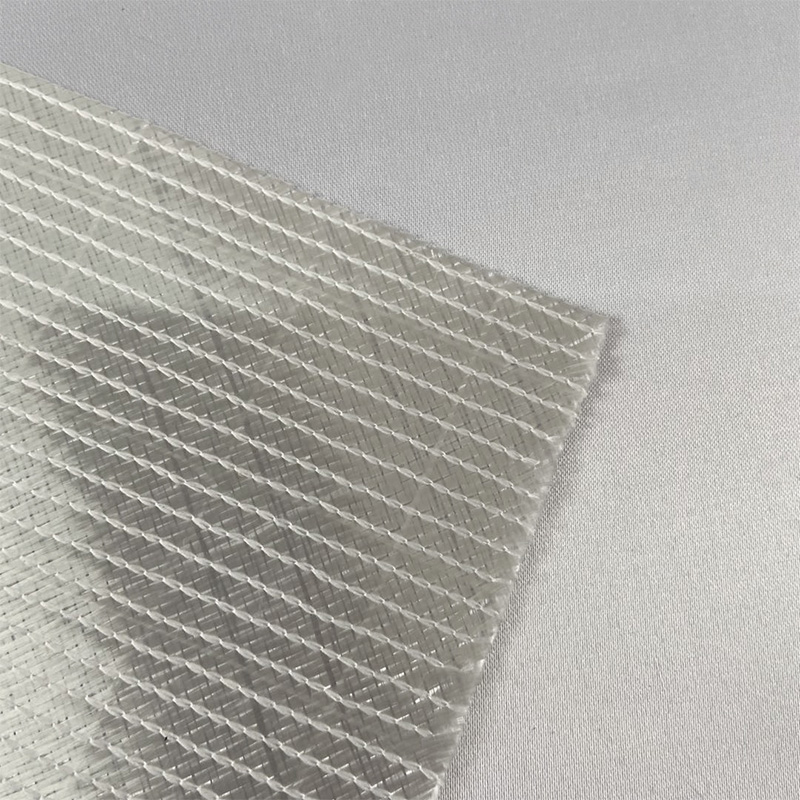
- Fiberglass surfacing veil (20%) – 20-100 g/m². Higher temperature resistance. Used in automotive exhaust components and cookware handles.
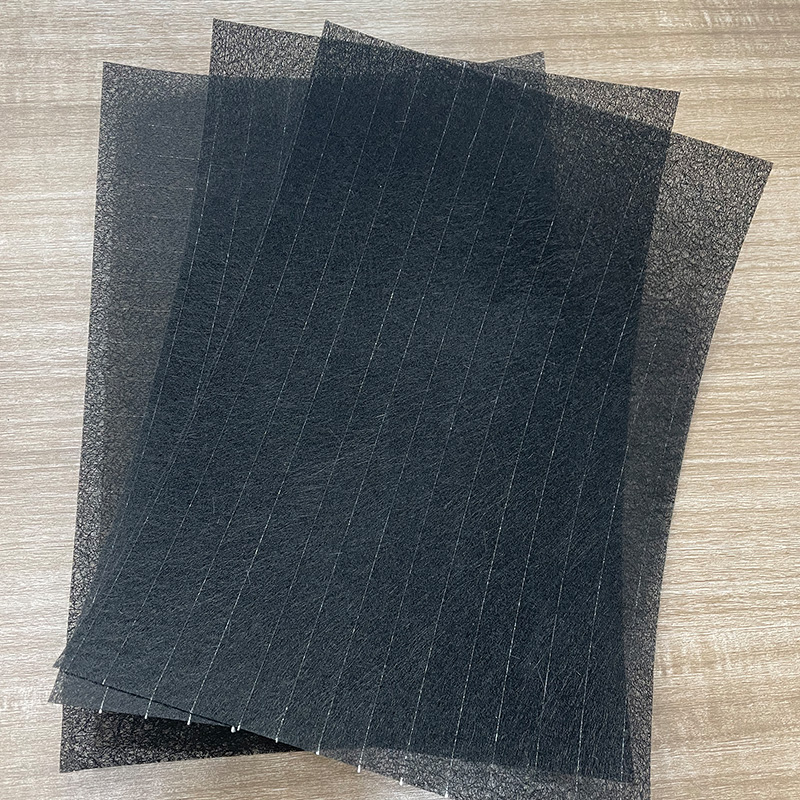
- Carbon fiber surfacing veil (5-10%) – 15-40 g/m². Provides electrical conductivity and a premium aesthetic. Applied in aerospace and high-end sports equipment.
Why Not Just Use More Resin?
Pure resin is brittle and prone to cracking. A surfacing veil acts as a reinforced resin-rich layer. Data from ISO 14126 testing shows that a polyester veil increases the surface layer's strain-to-failure from 1.5% (neat resin) to 4.2%, drastically reducing micro-cracking under thermal cycling.
Comparative Table: Fashion Veil vs. Surfacing Veil (Industrial)
To avoid confusion, here is a direct side-by-side comparison of the two meanings of “veil” in product contexts.
Practical Selection Guide: Which Veil Material Should You Choose?
Whether you are a bride, costume designer, or composite engineer, the decision comes down to quantifiable trade-offs.
For Fashion & Bridal Use
- Best for photos & outdoor weddings: Nylon tulle (soft, natural movement, no glare). Avoid polyester – shiny reflections ruin flash photography.
- Best for budget (under $30 total): Polyester tulle. Cost difference: 60% cheaper than nylon but less comfortable on the face.
- Best for heirloom quality: Silk tulle. However, note that silk has ~30% less UV resistance than nylon, so store away from sunlight.
For Composite Laminating (Surfacing Veils)
- For marine/boat hulls: Polyester surfacing veil (20-30 g/m²). Reduces osmotic blistering by over 50% compared to gelcoat alone (Source: JEC Composites 2020).
- For high-temperature applications (engine covers): Fiberglass veil (50 g/m²). Withstands continuous 180°C (356°F).
- For visual carbon fiber parts (automotive interior): Carbon surfacing veil (25 g/m²). Eliminates “resin-rich pooling” and gives a uniform matte finish.
Misconceptions & Technical Clarifications
A common search confusion: “surfacing veil” is not a separate product category from “veil fabric” – the term is overloaded. If you search for “what is veil made of” and need the composite meaning, always add “fiberglass” or “non-woven surfacing.” Otherwise, 95% of results will show bridal tulle.
Another critical point: Surfacing veils are NOT the same as surface tissue (which uses pure cellulose). Cellulose tissue absorbs water and fails in outdoor composites. A proper polyester surfacing veil retains >95% tensile strength after 1000 hours of humidity exposure (85% RH), while cellulose drops below 40%.
 Previous