
 English
 中文简体
中文简体 русский
 Español
In the world of roofing systems, material selection directly influences longevity, weather resistance, and installation efficiency. Among the less discussed but critically important components is roofing tissue. Unlike top-layer shingles or metal panels, this substrate often works invisibly, yet its role is foundational. To make informed decisions, one must understand how roofing tissue and its engineered variant, the fiberglass tissue mat, differ from conventional materials like organic felt, modified bitumen, synthetic sheets, and metal decking.
Composition and Manufacturing Basis
The clear difference lies in what each material is made of. Traditional roofing felt, often called tar paper, typically consists of organic rags (cellulose fibers) saturated with asphalt. Modified bitumen sheets incorporate plastic or rubber additives. Metal roofing is primarily steel or aluminum with protective coatings. Synthetic underlayments are woven or spun-bonded polypropylene or polyester.
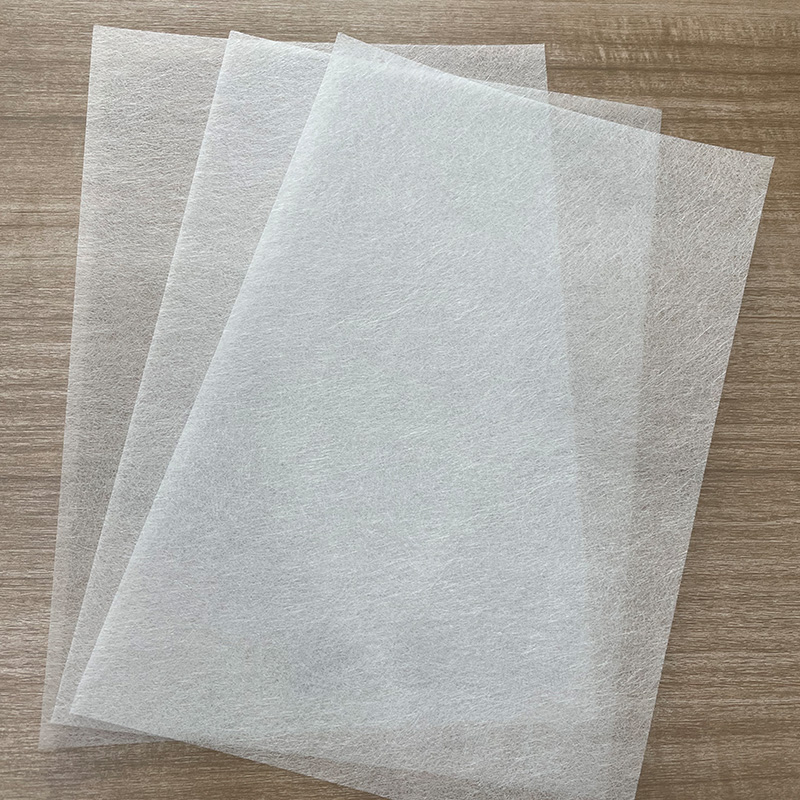
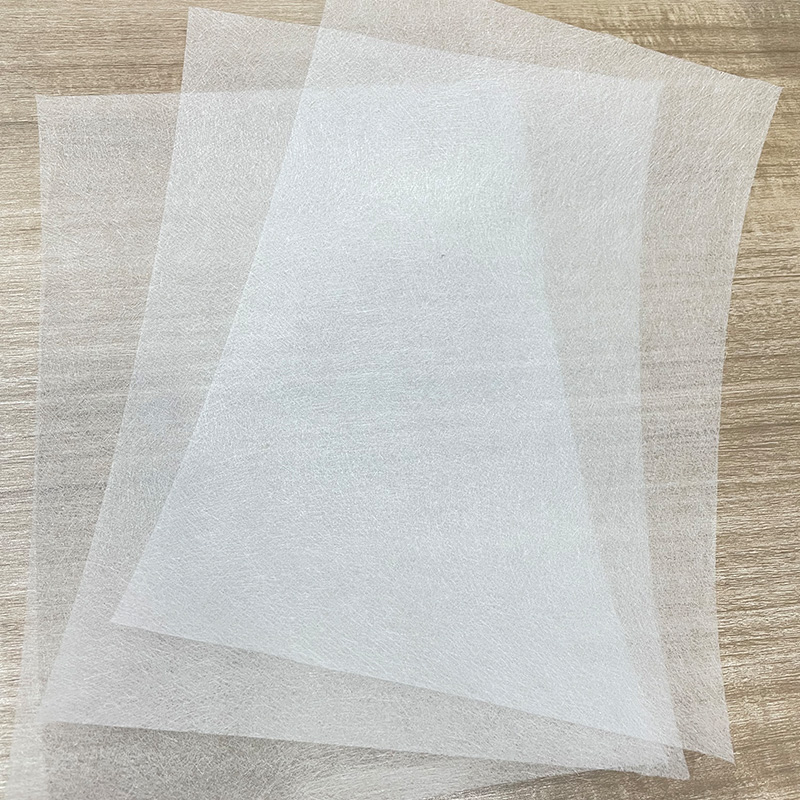
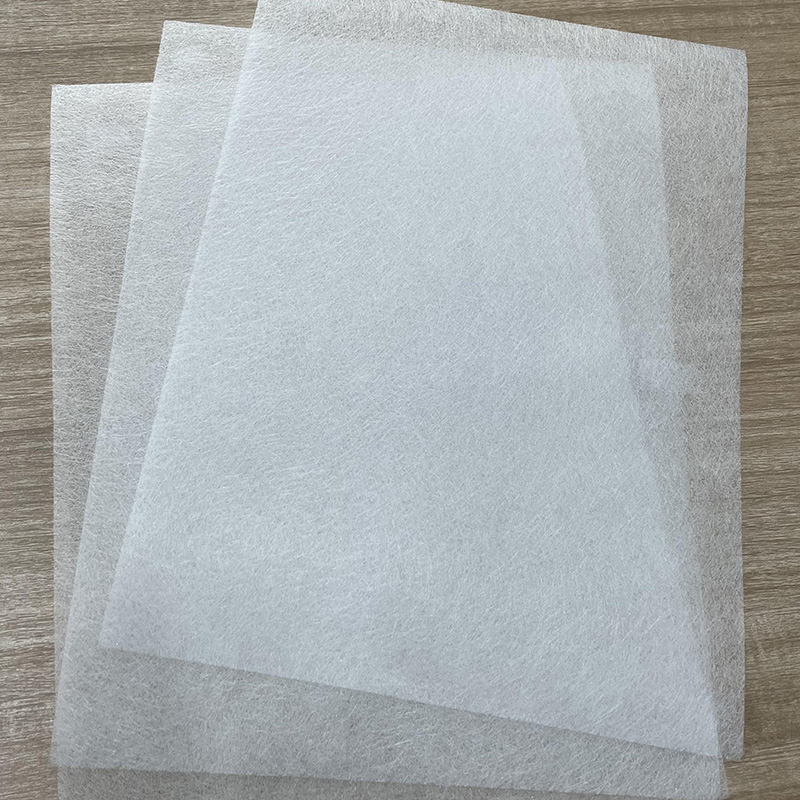
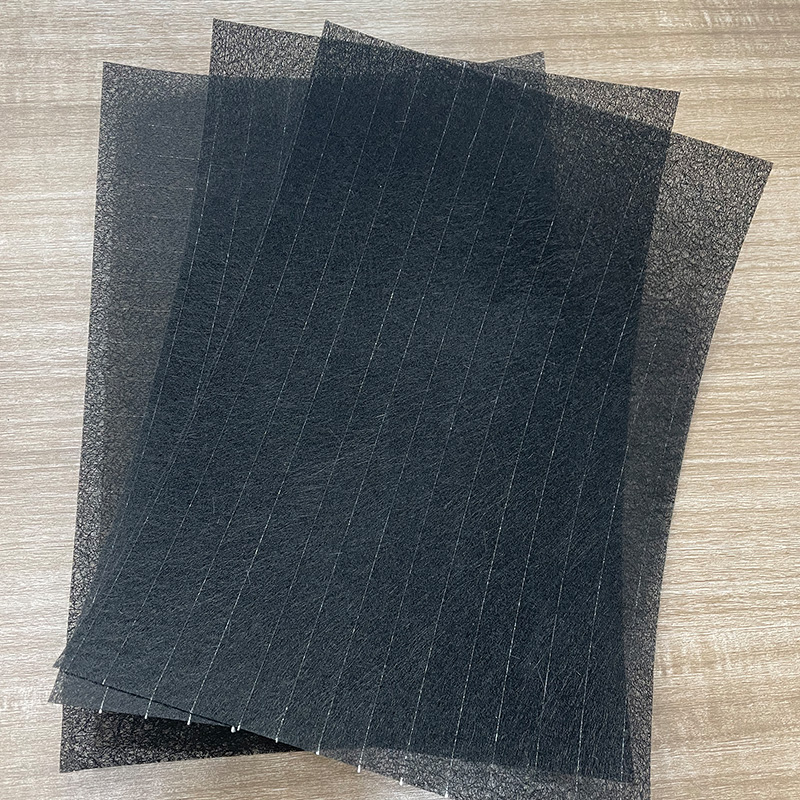
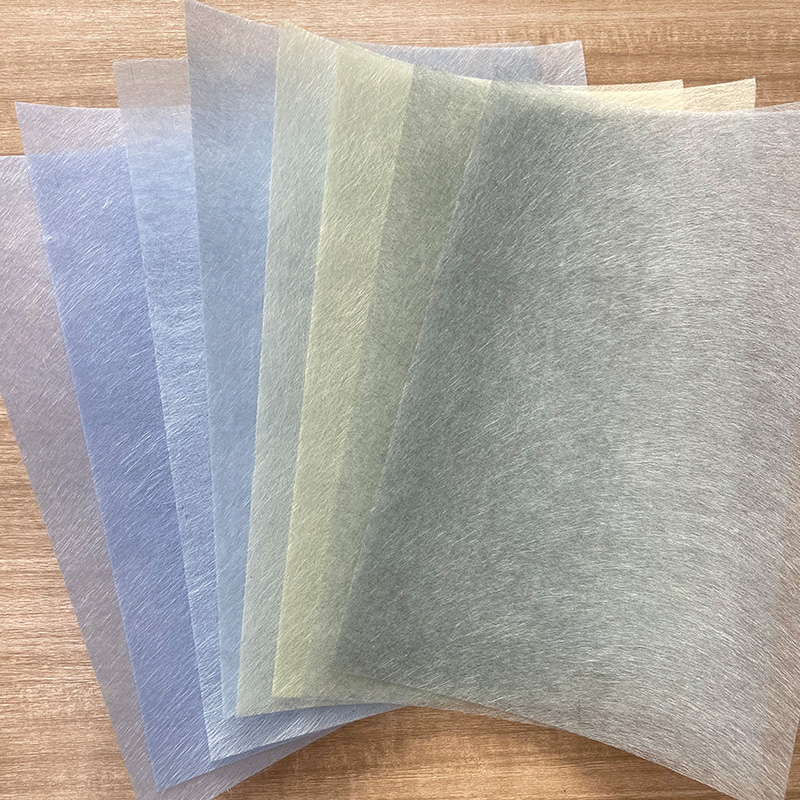
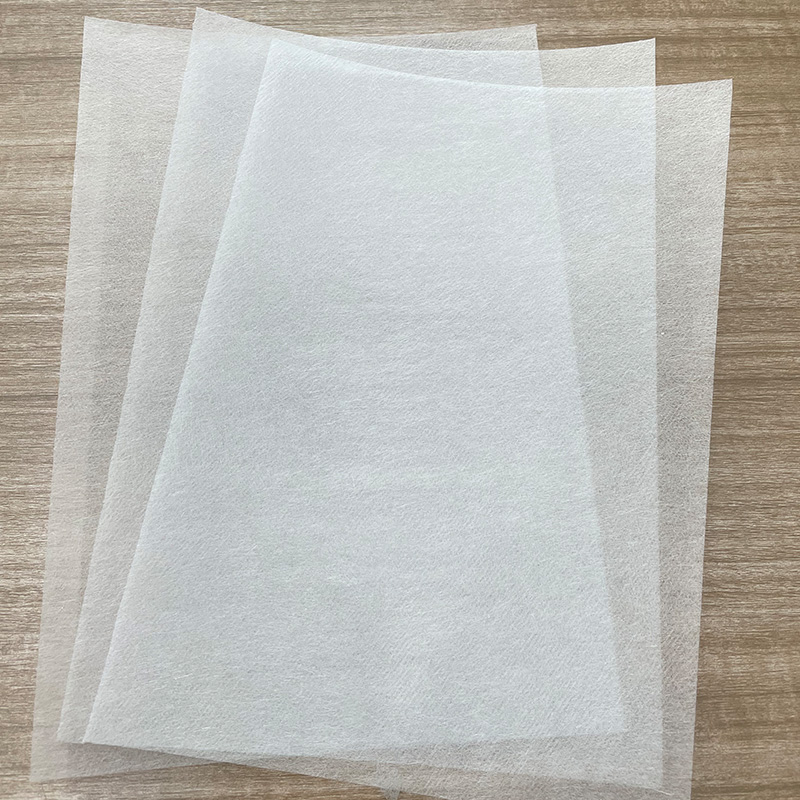
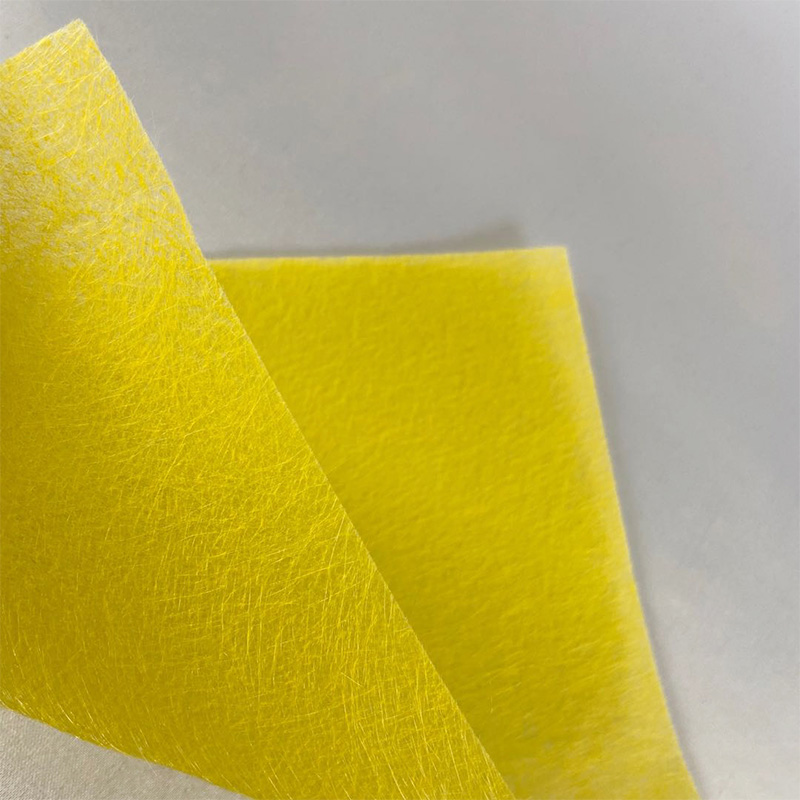
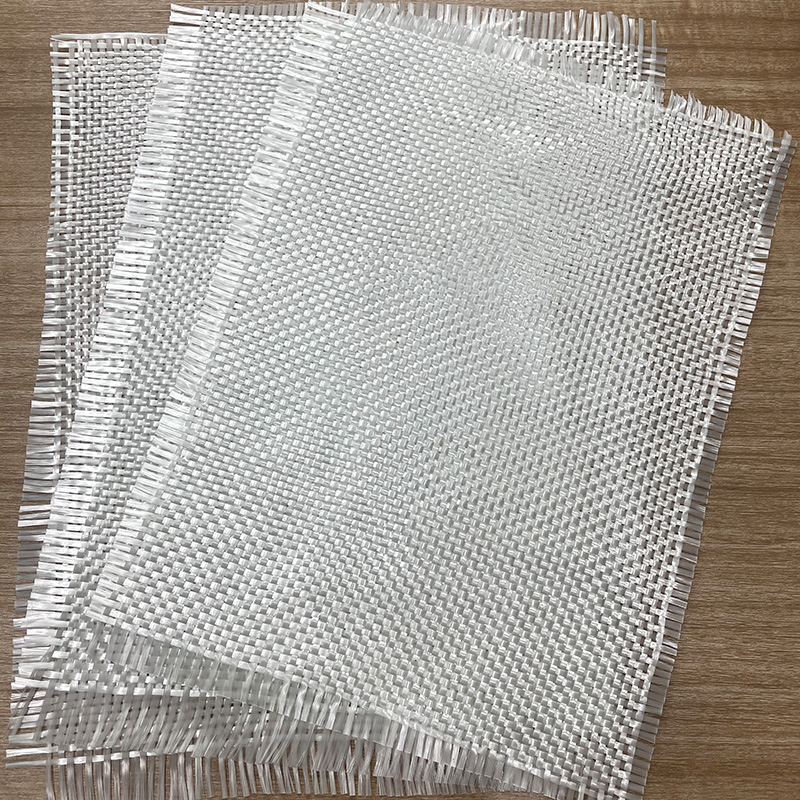
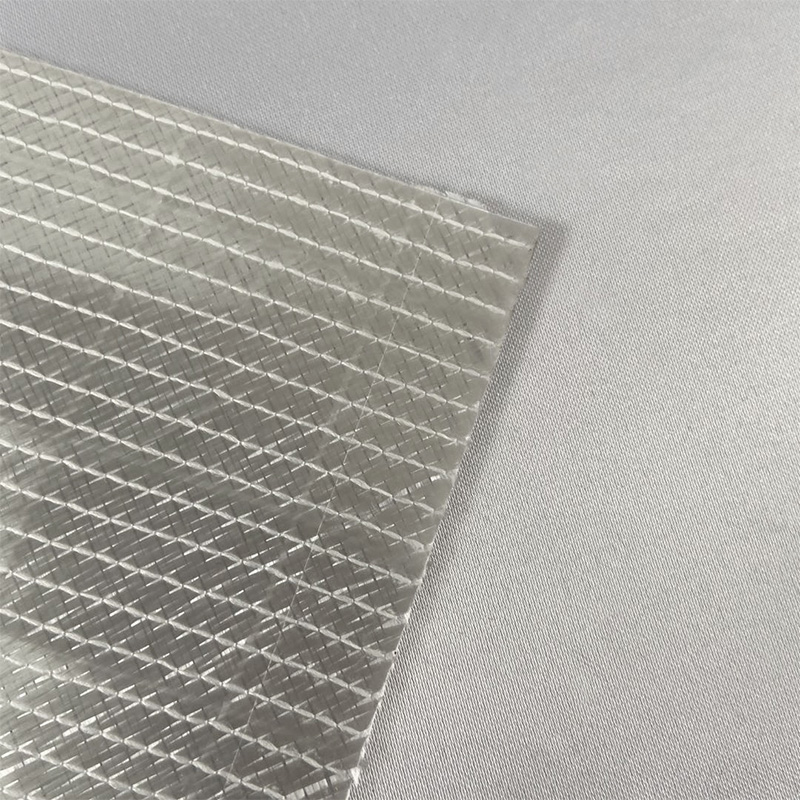
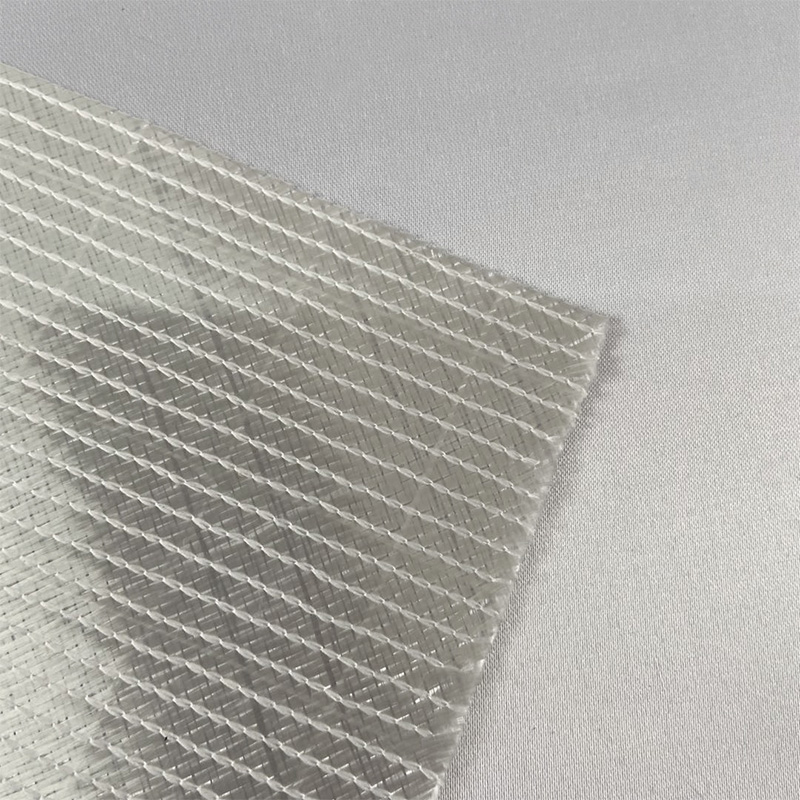
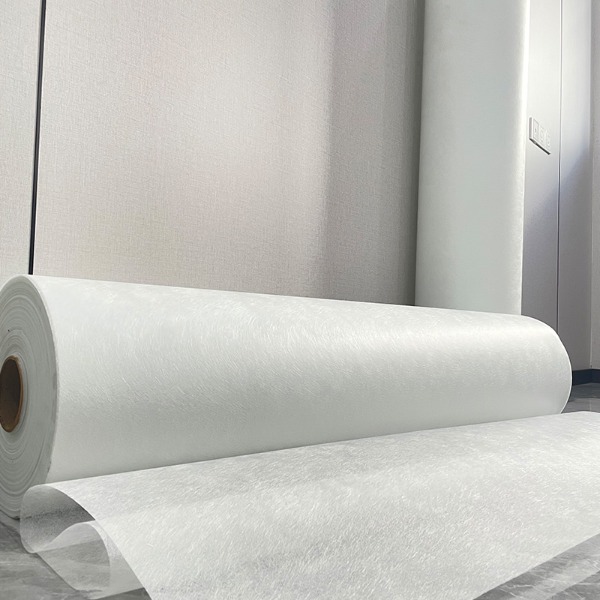
In contrast, roofing tissue is a non-woven, porous web manufactured from glass fibers or, in some cases, polyester-glass hybrids. The common professional grade is the fiberglass tissue mat, where continuous filament or chopped strand glass fibers are bonded with a resin binder. This structure creates exceptional dimensional stability, tensile strength, and resistance to moisture absorption—unlike organic felts that can wick water and degrade.
| Property | Roofing Tissue / Fiberglass Tissue Mat | Traditional Asphalt-Saturated Felt | Synthetic (Polypropylene) Underlayment |
|---|---|---|---|
| Base fiber | Glass fibers (inorganic) | Cellulose (organic) | Polyester / Polypropylene |
| Moisture behavior | Non-hygroscopic, does not absorb water | Absorbs water, prone to wicking | Hydrophobic but can soften at high heat |
| Tensile strength | High (fiberglass tissue mat typically >50 N/50mm) | Low to moderate | Moderate to high |
| Temperature stability | Excellent up to 200°C | Degrades above ~80°C | Melts or shrinks above ~120°C |
Role in Roofing Systems
Understanding application is equally important. Many other roofing materials serve as either the finished surface (e.g., asphalt shingles, clay tiles, metal panels) or a thick waterproofing membrane (e.g., modified bitumen, EPDM). Roofing tissue, however, is seldom used alone. It acts as a reinforcing interlayer or carrier. When embedded in bitumen or coating emulsions, roofing tissue improves tear resistance, impact strength, and crack-bridging ability. For instance, a fiberglass tissue mat is often laid between two layers of bitumen in built-up roofing (BUR) or as a reinforcement in torch-applied membranes.
Other underlayments like #30 felt or synthetics are typically installed directly under shingles or tiles to provide a secondary water-shedding layer. They do not significantly increase the mechanical strength of the main roofing membrane; they merely act as a temporary or secondary barrier.
Thus, the functional difference is clear: roofing tissue is a reinforcement agent, while other materials are either primary waterproofing or drainage layers.
Durability Under Environmental Stress
Durability parameters separate these materials sharply.
-
Moisture and rot: Organic felts can absorb moisture from leaks or condensation, which may cause rot, shrinkage, or blistering. Roofing tissue made of glass fibers is completely inorganic—it will never rot, mildew, or support fungal growth. The fiberglass tissue mat retains all its physical properties even after prolonged wetting.
-
UV resistance: Unprotected organic felt degrades quickly under sunlight—often within weeks. Synthetic underlayments also suffer UV degradation, turning brittle. Roofing tissue itself is UV resistant (glass does not photo-degrade), but its binder may be UV-sensitive. That said, the mat is never intended to remain exposed; once covered with bitumen or coating, UV becomes irrelevant.
-
Temperature extremes: At high summer roof temperatures (often 70–80°C surface temperature), asphalt-based felts soften and may sag or become brittle upon cooling. Modified bitumen fares better but remains thermoplastic. Polymer-based synthetics can shrink or elongate under thermal cycling. A fiberglass tissue mat exhibits near-zero thermal expansion and remains stable from -40°C to over +200°C, making it ideal for regions with wide temperature swings.
-
Tear and puncture resistance: In shipping, handling, and nailing, traditional felt tears easily. Synthetics resist tearing but can be punctured by sharp debris. Roofing tissue, when embedded, distributes localized stress across its fiber network, providing puncture resistance compared to non-reinforced membranes.
Installation and Compatibility
Installation methods vary considerably.
Traditional felt is rolled out, overlapped, and fastened with cap nails or staples. It is compatible with asphalt-based adhesives. Synthetic underlayments require special fasteners (plastic caps) and certain tapes for seams; they work with shingles but may not bond with hot asphalt due to low surface energy.
Roofing tissue is installed either as a dry-laid roll or as part of a continuous membrane assembly. In built-up roofing, the fiberglass tissue mat is inter-ply, saturated and coated with hot asphalt or cold adhesive. In modified bitumen systems, it is factory-laminated or field-applied as a reinforcement. Importantly, roofing tissue should not be left exposed to weather for more than a few days unless coated, because its porous structure can allow moisture entry into the substrate—though the glass itself remains unharmed. This installation sensitivity is a key difference compared to synthetic underlayments, which can serve as temporary weather barriers for months.
Cost and Lifecycle Considerations
In terms of upfront cost, traditional organic felt is the cheapest, followed by roofing tissue (mid-range), then premium synthetics and modified bitumen. However, the fiberglass tissue mat offers a strength-to-cost ratio in commercial applications where long-term membrane integrity is required. A single-ply synthetic underlayment may be less expensive than a complete built-up assembly with multiple plies of roofing tissue, but the latter can provide a service life of 25–40 years, compared to 10–20 years for standard felt.
From a lifecycle perspective, roofing tissue contributes to a more robust system that requires fewer repairs. Organic felt decays over time; synthetics can creep or be damaged by solvent-based adhesives. Glass-based reinforcement maintains its mechanical properties for decades, reducing total cost of ownership.
Fire and Environmental Performance
Fire safety is a growing concern. Standard organic felt is combustible; when saturated with asphalt, it supports flame spread. Many synthetics are also combustible or melt, producing dripping flaming droplets. Roofing tissue, being glass-based, is inherently non-combustible. When used in a fire-rated assembly (e.g., with mineral-surfaced cap sheets), the fiberglass tissue mat helps achieve Class A fire ratings without additional fire retardants.
Environmentally, organic felt can be recycled only with difficulty. Synthetics are petroleum-derived and non-biodegradable. Roofing tissue consumes less fossil energy per ton than plastics; and because it extends roof life, it reduces replacement frequency. Glass fibers can also be sourced from recycled glass, improving sustainability metrics.
Summary Table: Quick Comparison
| Feature | Roofing Tissue / Fiberglass Tissue Mat | Organic Felt | Synthetic Underlayment | Metal / Modified Bitumen |
|---|---|---|---|---|
| Primary function | Reinforcement | Secondary water barrier | Temporary/Secondary barrier | Primary covering or membrane |
| Water absorption | None | High | Negligible | N/A (metal) / Low (mod-bit) |
| Rot / mold risk | None | High | Low | None (metal) / Low (mod-bit) |
| UV tolerance (uncovered) | Low (binder) | Very low | Moderate | High (metal) / Low (mod-bit) |
| Tensile strength | Very high | Low | Medium | High (metal) / Medium (mod-bit) |
| Typical lifespan (system) | 25–40 years | 10–20 years | 15–25 years | 30–50 years (metal) / 20–30 years (mod-bit) |
| Fire resistance (substrate) | Non-combustible | Combustible | Combustible/melt | Non-combustible (metal) |
Conclusion
Choosing between roofing tissue, fiberglass tissue mat, and other roofing materials hinges on understanding their distinct roles. Traditional felts and synthetics act as barriers; roofing tissue acts as a reinforcement skeleton that enhances the mechanical and thermal stability of the entire membrane. While it demands proper embedding and protection from prolonged exposure, its resistance to moisture, rot, and temperatures, combined with non-combustibility and high tensile strength, makes it indispensable in commercial and high-performance residential roofing. For projects requiring long-term durability and system integrity, specifying a reinforced assembly with roofing tissue or a fiberglass tissue mat is a technically choice over non-reinforced alternatives.
 Previous