
 English
 中文简体
中文简体 русский
 Español
Introduction
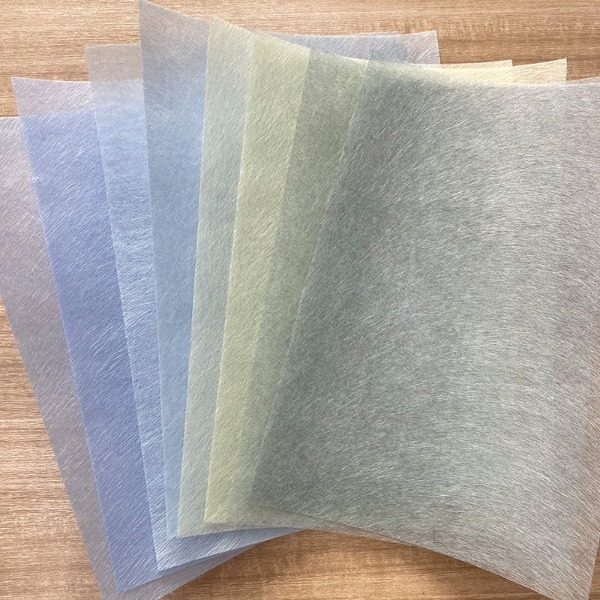
Fiberglass surfacing veil is a crucial component in the production of composite materials. This lightweight, non-woven fabric plays a pivotal role in enhancing the surface finish and overall strength of composite products. Its integration into manufacturing processes leads to improved aesthetic qualities, increased durability, and a more robust final product.
What is Fiberglass Surfacing Veil?
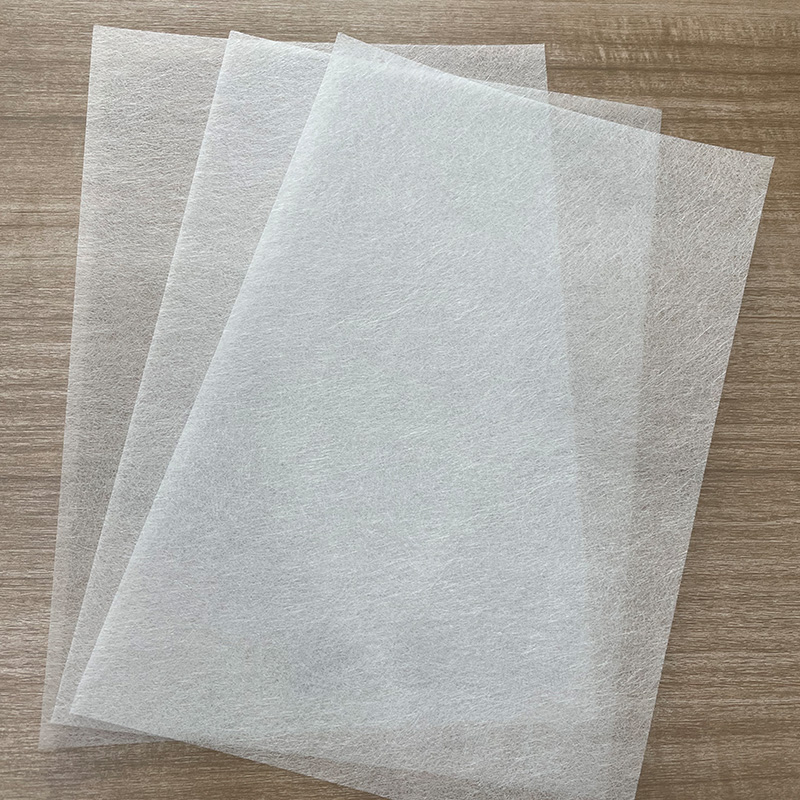
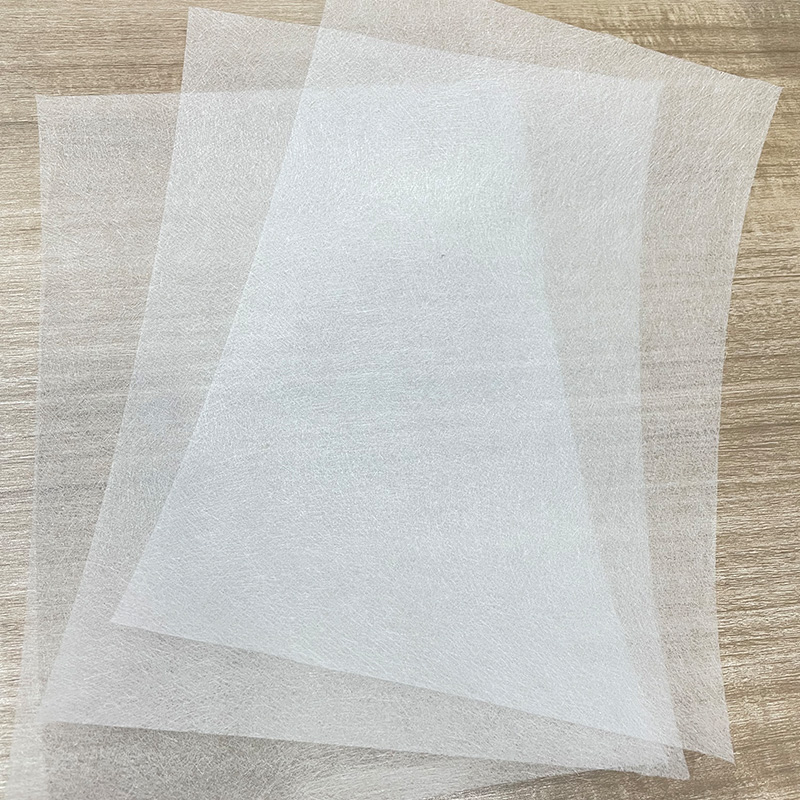
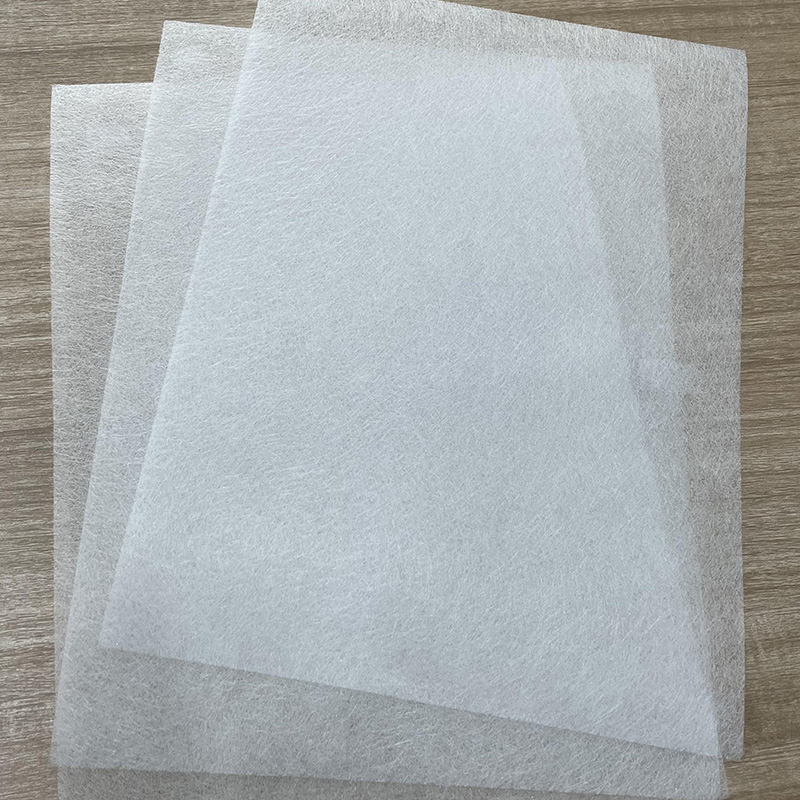
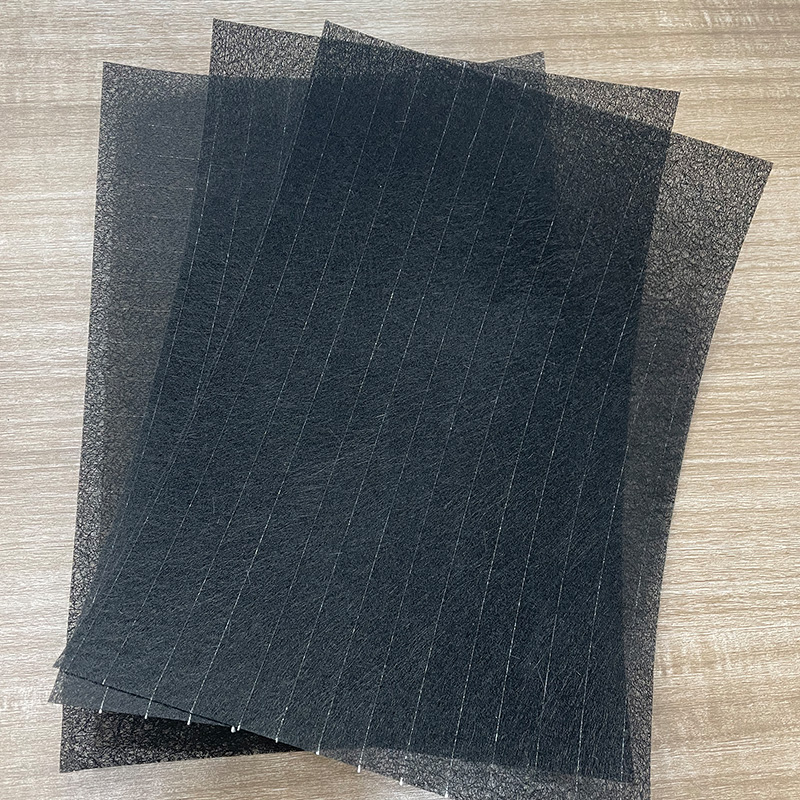
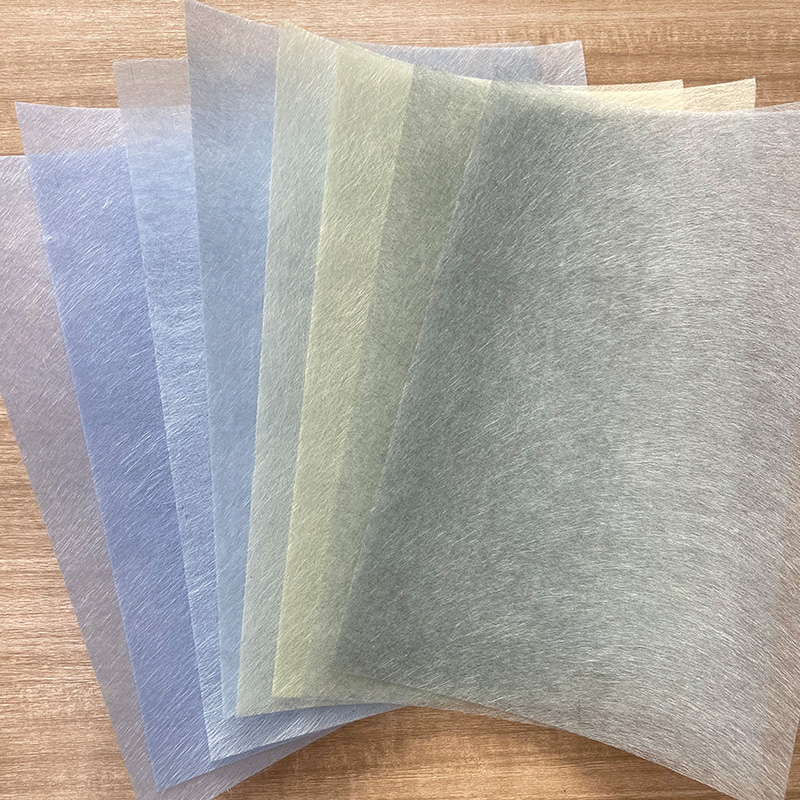
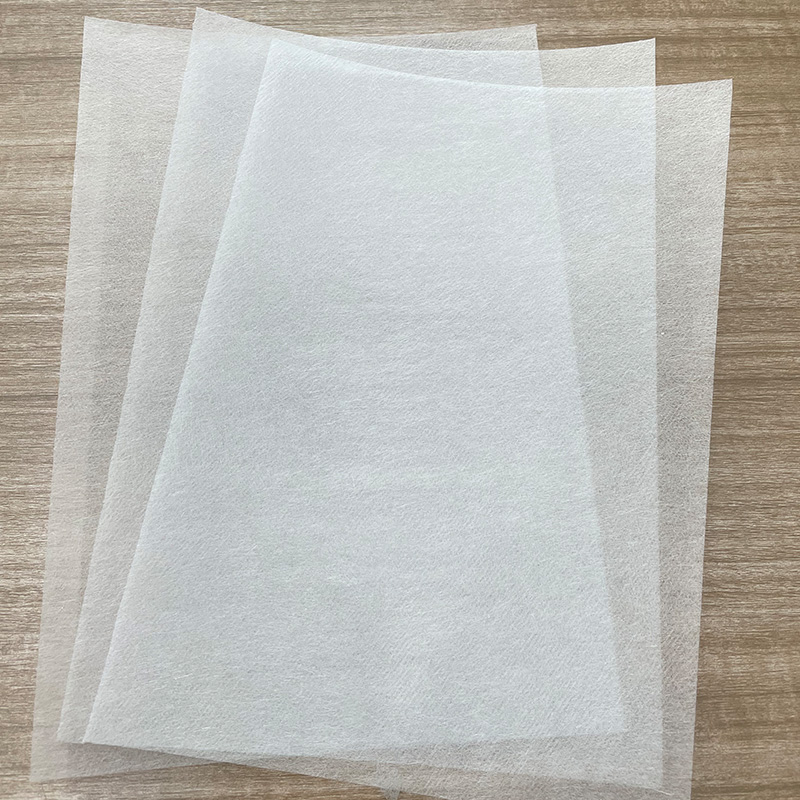
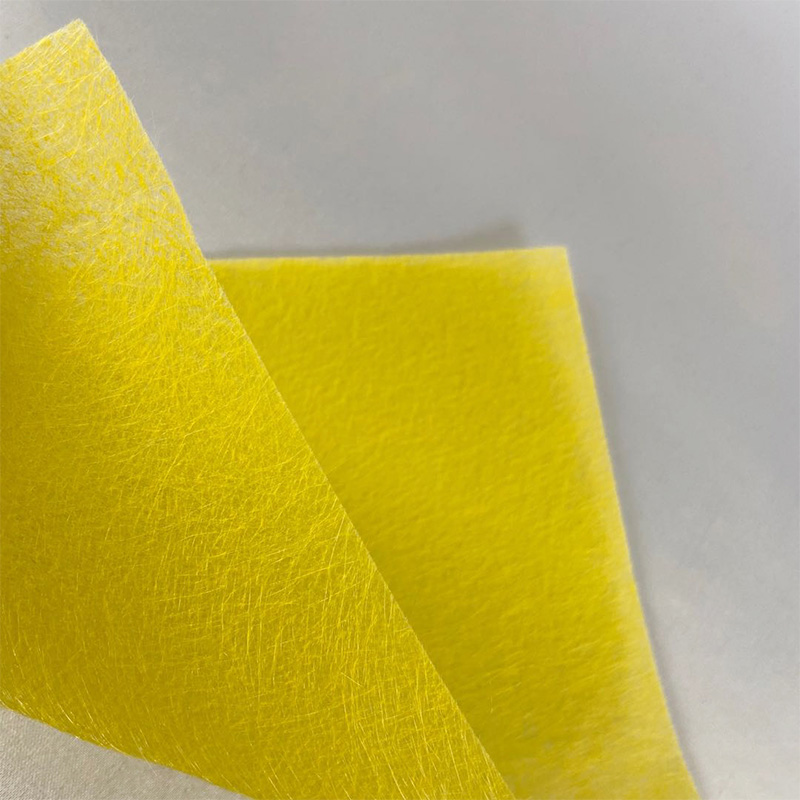
Fiberglass surfacing veil is a thin, delicate fabric made from glass fibers, woven together in a non-woven structure. It is designed to be used as a surface layer in composite materials, where it serves several critical functions, including improving the surface finish and enhancing the mechanical properties of the underlying materials. This veil is typically impregnated with resins to bond seamlessly with the composite structure, providing a smooth, polished finish on the final product.
Key Characteristics:
Lightweight Composition: The fiberglass fibers are extremely lightweight, which helps maintain the overall weight of the composite structure while still adding significant benefits in terms of strength and surface finish.
High Durability: Fiberglass surfacing veils are highly resistant to wear and tear, making them ideal for products subjected to harsh conditions.
Non-Woven Structure: This structure allows for resin flow and better adhesion between layers, improving overall product strength and surface quality.
How Fiberglass Surfacing Veil Improves Surface Finish
The surface finish of composite products is one of the critical factors in determining their aesthetic appeal and functionality. Fiberglass surfacing veil plays a significant role in achieving a smooth, polished surface. Here’s how:
Prevents Air Pockets and Voids: During the molding or lamination process, air pockets and voids can often form between layers, resulting in unsightly defects on the surface. Fiberglass surfacing veil helps to eliminate these imperfections by filling in gaps and preventing air from becoming trapped within the composite layers.
Enhances Resin Distribution: The veil’s non-woven structure promotes even resin distribution across the surface of the composite, ensuring a smooth, uniform finish. This is particularly valuable in applications where surface texture and appearance are important, such as in automotive panels or architectural products.
Reduces Surface Roughness: The fine texture of the fiberglass veil helps reduce the roughness of the composite’s surface, resulting in a more polished and aesthetically pleasing finish. This is especially beneficial in industries like marine or automotive manufacturing, where the surface finish can greatly impact both the product’s appearance and its resistance to environmental elements.
How Fiberglass Surfacing Veil Contributes to Strength
In addition to improving the appearance of composite materials, fiberglass surfacing veil also plays a key role in enhancing the strength and durability of the final product. Here’s how:
Improved Bonding Between Layers: The veil creates a better bond between the resin and the composite material, ensuring stronger adhesion and minimizing the chances of delamination over time. This contributes to a stronger overall structure that can withstand external stresses.
Increased Impact Resistance: The addition of fiberglass surfacing veil to composite materials enhances their impact resistance. This is particularly important in industries where products are exposed to rough handling or harsh environmental conditions, such as in the automotive and marine industries.
Enhanced Durability Against Environmental Factors: The veil provides a protective barrier that helps the composite resist environmental damage, such as corrosion, moisture, and UV degradation. This is essential in applications where the material will be exposed to the elements for extended periods, like in the construction and marine sectors.
Applications of Fiberglass Surfacing Veil
Fiberglass surfacing veil finds widespread use in various industries, owing to its ability to improve both the aesthetic and mechanical properties of composite materials. Some of the key applications include:
Automotive Manufacturing: Used to improve the surface finish and durability of automotive components, such as body panels and bumpers.
Marine Applications: Helps enhance the strength and appearance of boat hulls, decks, and other components exposed to water and UV rays.
Construction and Architecture: Used in the production of composite materials for architectural elements, ensuring a smooth finish and added durability against environmental stressors.
Wind Energy: Fiberglass surfacing veils are used in wind turbine blades to improve surface quality and increase overall strength and longevity.
Benefits of Fiberglass Surfacing Veil in Different Industries
| Industry | Key Benefits | Common Applications |
|---|---|---|
| Automotive | Improved surface finish, impact resistance | Body panels, bumpers |
| Marine | Enhanced UV resistance, corrosion protection | Boat hulls, decks |
| Construction & Architecture | Durability against harsh weather, smooth finish | Roofing, cladding, panels |
| Wind Energy | Increased strength, resistance to environmental factors | Wind turbine blades |
Fiberglass Surfacing Veil vs. Other Surface Treatments
Fiberglass surfacing veil is often compared to other surface treatments, such as gel coats or surface films. While both fiberglass surfacing veil and gel coats serve to improve surface finishes, fiberglass veils offer additional benefits in terms of strength and resistance to environmental factors. Gel coats, for instance, are more commonly used for aesthetic purposes, whereas fiberglass veils provide reinforcement and durability, making them a better option for products subjected to physical stress.
Frequently Asked Questions
1. What is the main function of fiberglass surfacing veil?
- The primary function of fiberglass surfacing veil is to improve the surface finish of composite materials by eliminating imperfections and enhancing resin distribution, while also providing additional strength and durability to the product.
2. Can fiberglass surfacing veil be used in all types of composite materials?
- Yes, fiberglass surfacing veil can be used in a wide range of composite materials, including polyester, vinyl ester, and epoxy-based composites.
3. How does fiberglass surfacing veil compare to gel coats?
- While both improve surface finish, fiberglass surfacing veil offers better strength and resistance to environmental factors like UV degradation and moisture compared to gel coats, which are primarily focused on aesthetics.
4. Is fiberglass surfacing veil suitable for outdoor applications?
- Yes, fiberglass surfacing veil is highly suitable for outdoor applications, as it helps enhance the resistance of composites to weathering, UV rays, and moisture, making it ideal for marine, automotive, and construction applications.
5. How do I incorporate fiberglass surfacing veil into my manufacturing process?
- Fiberglass surfacing veil is typically laid as a surface layer in composite manufacturing processes, such as hand lay-up, spray-up, or vacuum infusion. It is impregnated with resin to bond with the composite material and improve both the surface finish and strength.
 Previous