
 English
 中文简体
 русский
 Español
Why the Right Fiberglass Needle Mat Decides Project Outcomes
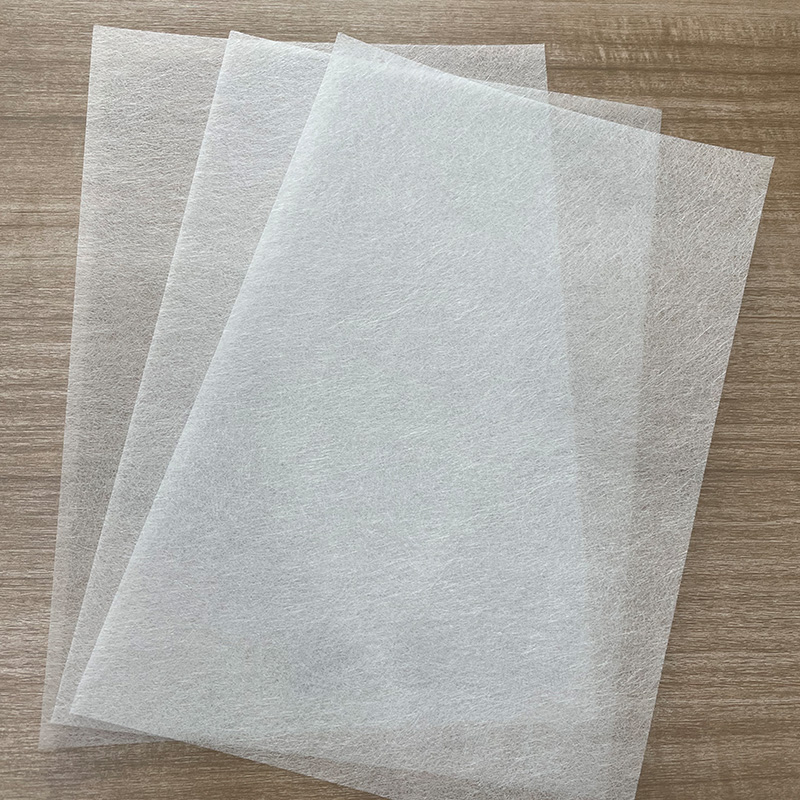
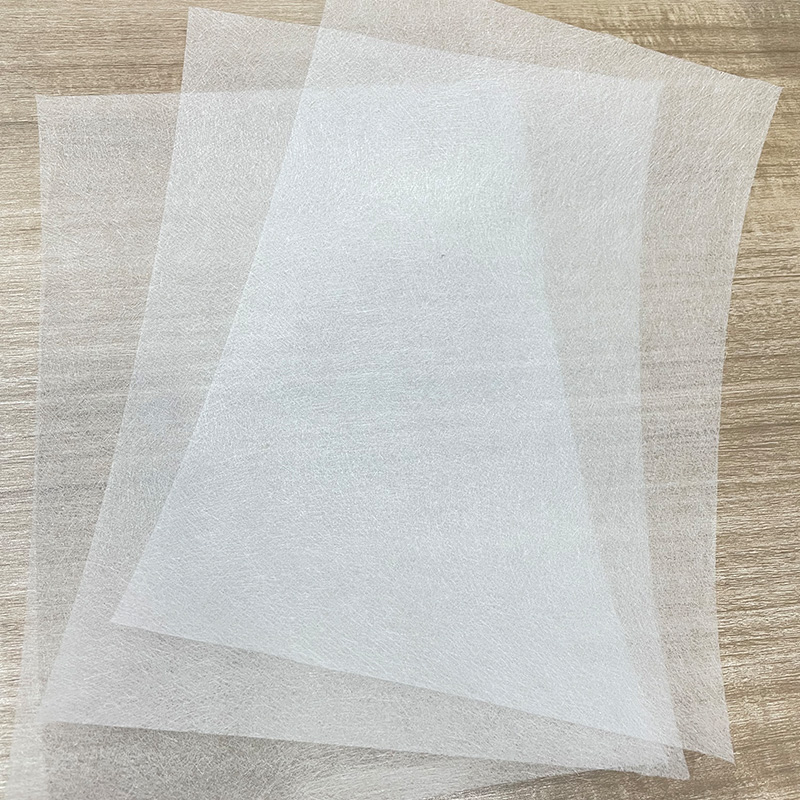
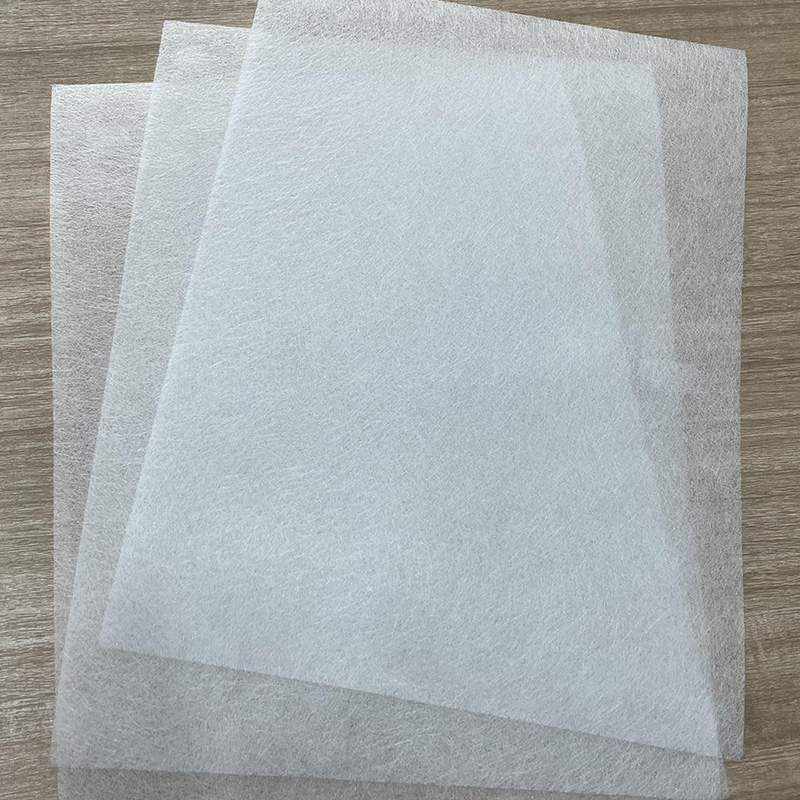
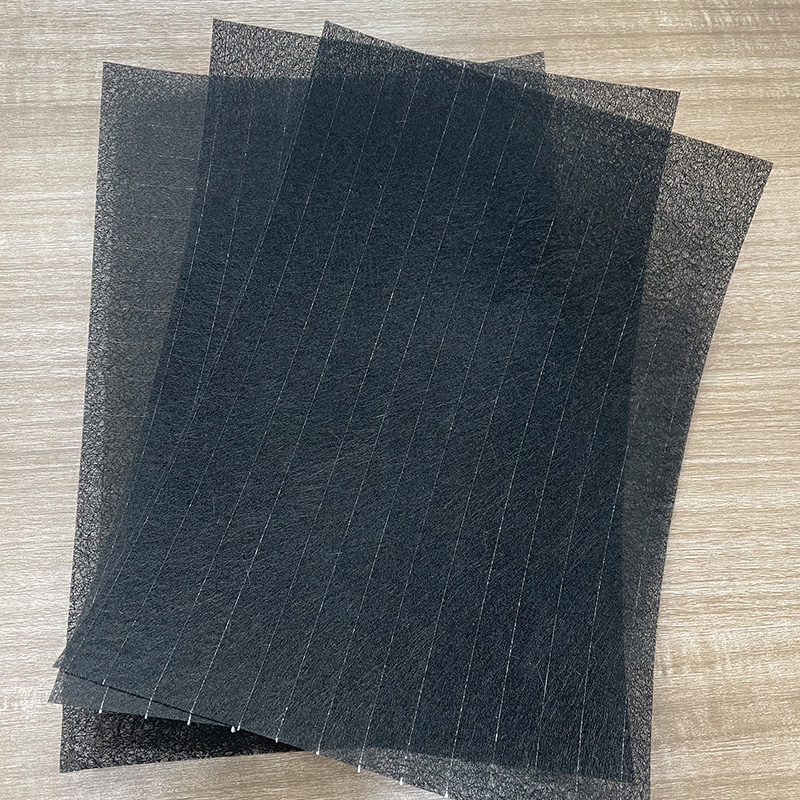
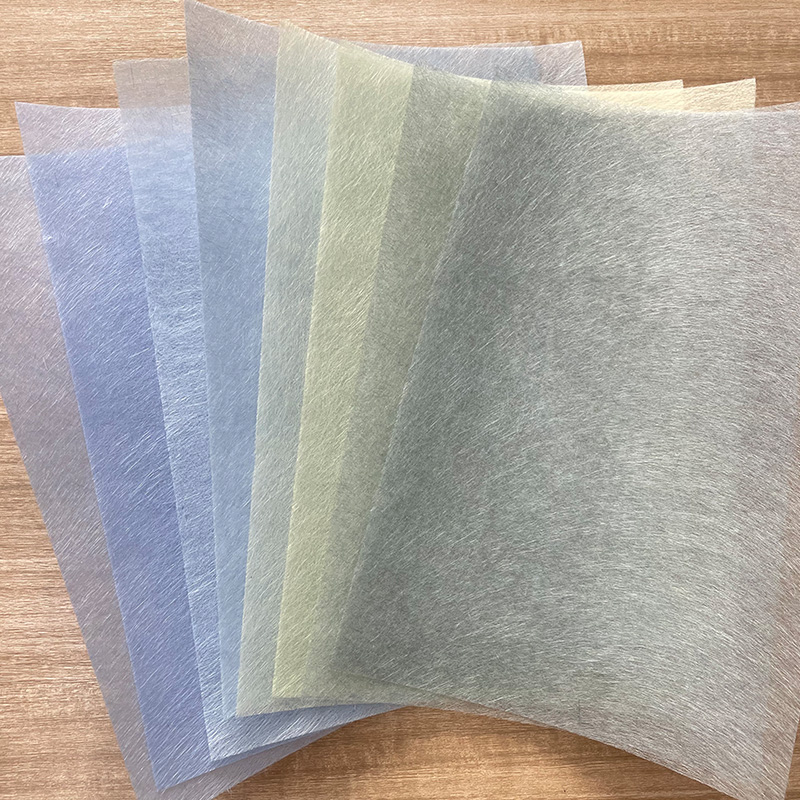
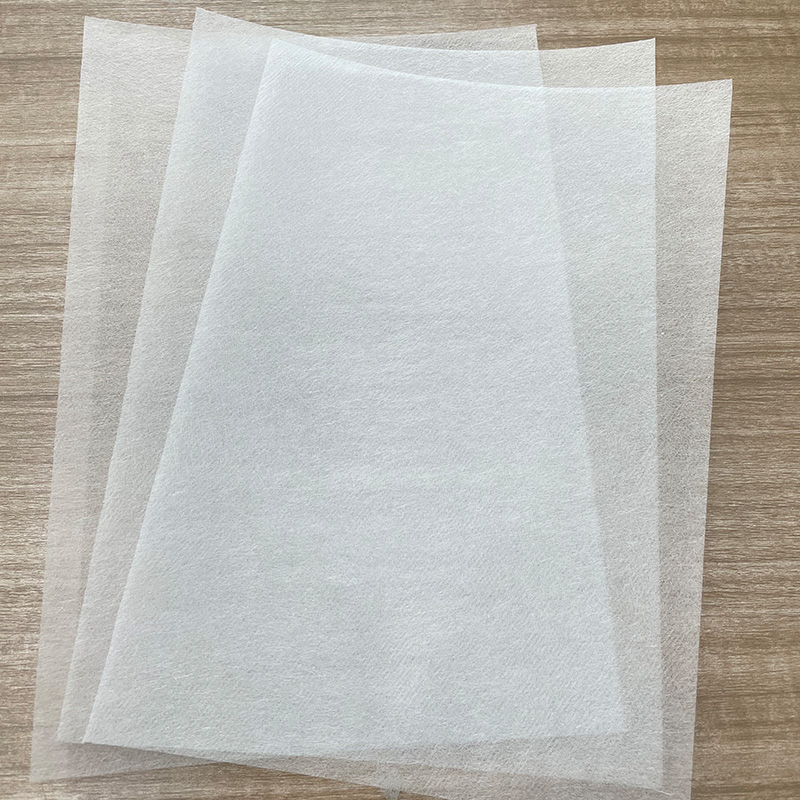
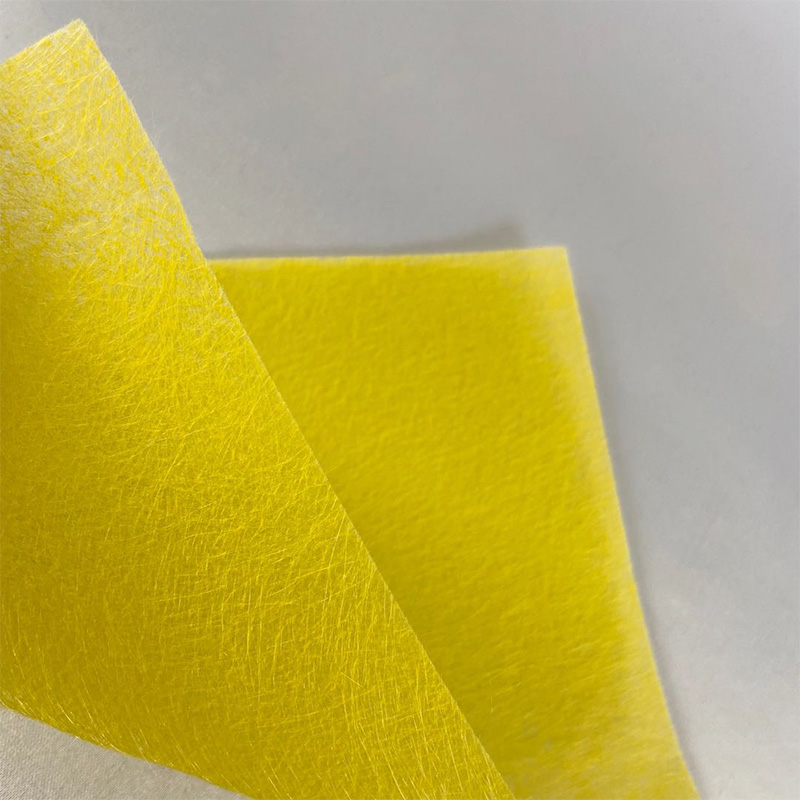
A fiberglass needle mat looks deceptively simple: a flexible, felt-like sheet built from short glass fibers that have been mechanically interlocked rather than glued together. Yet the gap between a material that performs for years and one that fails after a few heating cycles often comes down to a handful of parameters that are easy to skim past on a quotation sheet. Thickness, bulk density, fiber chemistry, and the presence or absence of binder all influence how the mat handles heat, vibration, moisture, and resin flow.
Engineers and purchasing teams usually encounter this material in one of three situations. Some need a flexible insulation jacket for pipes, valves, or heating equipment. Others need a sound-absorbing layer for exhaust systems or equipment enclosures. A third group needs a reinforcement layer or flow medium for composite manufacturing. Each situation places different demands on the mat, and a grade that works well in one context can underperform in another.
This guide explains how the material is made, which specifications matter most, how to match fiber type to operating conditions, and how to follow a practical selection workflow. The goal is to help you narrow your options quickly and ask suppliers the right questions before you commit to an order.
How Needle Punching Creates a Binder-Free Structure
Most conventional glass fiber products rely on a resin or chemical binder to hold fibers in place. Needle punched products follow a different route. Chopped or continuous glass strands are first opened and spread into a loose web. That web then passes through a needling loom, where thousands of barbed needles repeatedly penetrate the fiber layer. Each stroke pulls fibers from the surface into the thickness of the sheet and hooks them around their neighbors. The result is a three-dimensional network held together by friction and entanglement alone.
The absence of binder has practical consequences. Because there is no organic resin to burn off, the mat keeps its structure at high temperature and does not release smoke or odor during first heating. Because the fibers are not locked in place by adhesive, resin systems can flow through the open structure more freely during composite processing. The porous architecture also traps air efficiently, which supports both thermal insulation and sound absorption.
Advantages of a Mechanically Entangled Structure
- Stable performance at elevated temperatures, since no binder decomposes during heating
- Good resin penetration in molding and infusion processes
- High loft and consistent thickness for insulation and acoustic applications
- Flexibility that allows the mat to wrap curved surfaces and irregular shapes
The trade-off is that strength depends on the degree of entanglement, which manufacturers control through needle density, penetration depth, and the number of passes. Well-tuned production produces material soft enough to conform yet robust enough to survive handling and installation.
The table below compares needle punched mat with two other common glass fiber forms. The differences in bonding method explain why each product suits different tasks.
| Product Type | Fiber Bonding Method | Typical Use |
|---|---|---|
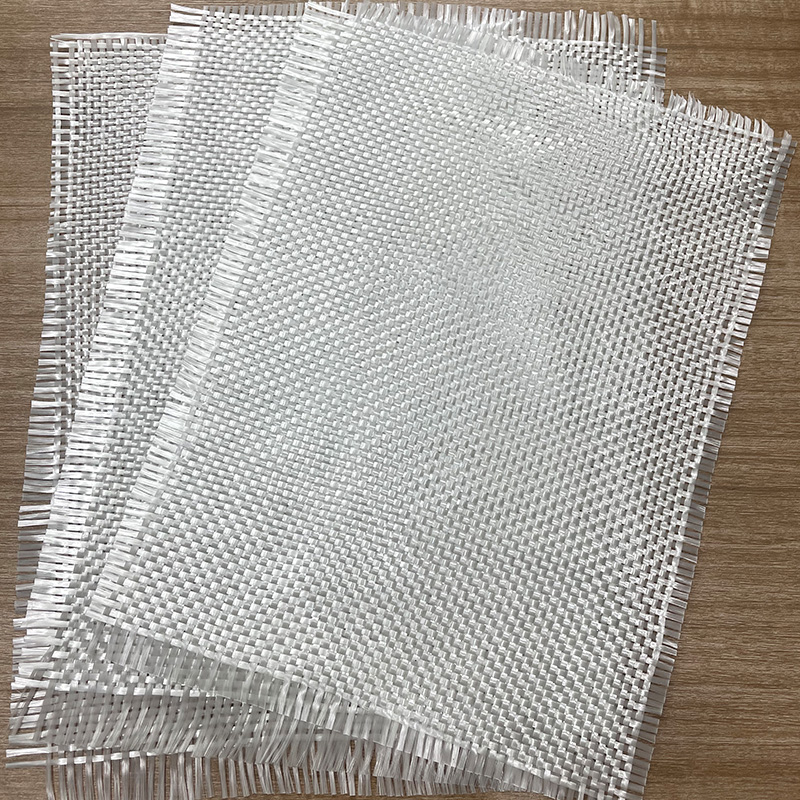
| Chopped strand mat | Powder or emulsion binder | Hand lay-up laminates |
| Continuous filament mat | Powder binder | Pultrusion and compression molding |
| Needle punched mat | Mechanical entanglement | Insulation, acoustic panels, flow media |
Key Specifications That Shape Performance
Before comparing suppliers, it helps to understand what each specification controls. The values below reflect typical industry ranges. Exact figures depend on fiber type, production line, and the intended end use.
| Parameter | Typical Range | Impact on Selection |
|---|---|---|
| Thickness | 3 to 25 mm | Thicker mats insulate better but need more space |
| Bulk density | 100 to 200 kilograms per cubic meter | Higher density improves sound absorption and heat retention but reduces flexibility |
| Areal weight | 600 to 4500 grams per square meter | Indicates fiber quantity per area and supports structural and reinforcement decisions |
| Fiber type | E-glass, C-glass, high silica | Determines temperature and chemical resistance |
| Continuous service temperature | About 550 to 650 degrees Celsius for E-glass | Exceeding the limit causes embrittlement and shrinkage |
| Width | Up to about 3.2 meters | Wider rolls reduce seams in large-area wrapping |
Thickness: Matching Insulation Needs to Available Space
Thickness is usually the first parameter buyers consider, and it is often the most misjudged. A thicker mat traps more still air, which improves thermal resistance. However, the gain is not linear. Doubling thickness does not double insulation performance, and in tight equipment spaces an oversized mat can cause fit problems, compression, or interference with moving parts. A practical approach is to define the target surface temperature first, then work backward to the thinnest grade that meets the requirement with a safety margin.
Density: Balancing Acoustic, Thermal, and Handling Needs
Bulk density describes how tightly the fibers are packed. Lower density mats are softer and easier to wrap, but they may not absorb sound as effectively at low frequencies. Higher density mats provide better acoustic damping and can resist airflow better, yet they stiffen the material and make tight bends harder. For most insulation jobs, a mid-range density offers the best compromise. For acoustic panels or vibration-prone enclosures, a denser grade often performs better despite reduced flexibility.
Width and Roll Length: Reducing Seams and Waste
Wide rolls minimize the number of seams in large-area coverings, which reduces thermal bridging and labor. Buyers working with equipment of unusual dimensions should confirm whether the supplier can slit rolls to custom widths, since narrow strips can be cut from a standard roll with minimal waste when the layout is planned in advance.
Choosing the Right Fiber Type for Operating Conditions
Fiber chemistry defines the upper limits of a mat's performance. Two products with identical thickness and density can behave very differently if their glass compositions differ. The following three categories cover most industrial requirements.
E-Glass Needle Mat for General-Purpose Use
E-glass is the most widely used glass composition. It offers a good balance of mechanical strength, electrical insulation, and cost. For general thermal insulation, such as wrapping exhaust components or building interlayers, E-glass delivers reliable performance up to its rated temperature. It is also the default choice for many composite reinforcement tasks, where compatibility with common resin systems matters more than extreme chemical resistance.
C-Glass and ECR-Glass for Corrosive Environments
When the mat will contact acidic vapors, moisture laden with chemicals, or flue gas containing corrosive compounds, C-glass or ECR-glass compositions provide better durability. These grades resist attack from acids more effectively than standard E-glass. They are commonly considered for chemical process piping, scrubber linings, and flue gas handling equipment. The trade-off is a higher material cost and sometimes a slightly different feel and stiffness.
High Silica Needle Mat for Extreme Heat
High silica fiber is designed for applications above the range where E-glass begins to soften. It is used in metallurgical furnace linings, high-temperature process equipment, and thermal protection systems where temperatures can exceed 800 degrees Celsius. Because the fiber retains much of its structure at these temperatures, it can serve as a durable insulation layer under conditions that would quickly degrade standard glass products.
- Choose E-glass for general insulation and composite work at moderate temperatures.
- Choose C-glass or ECR-glass when chemical exposure is the primary concern.
- Choose high silica when sustained operating temperatures approach or exceed the E-glass limit.
Application Scenarios Where Needle Mat Solves Real Problems
Understanding where the material performs well helps buyers connect specifications to outcomes. The four areas below represent the majority of industrial demand, and each one emphasizes a different property.
Thermal Insulation for Pipes, Valves, and Heating Equipment
Industrial pipes and valves often have irregular shapes that rigid insulation boards cannot cover neatly. Flexible needle mat can be wrapped, tucked, and secured around fittings, reducing heat loss and surface temperatures that could harm nearby personnel or components. Its low thermal conductivity, combined with the ability to form a continuous jacket, makes it effective for both new installations and retrofit work. Engineers often specify a jacket thickness that keeps the outer surface within a safe touch temperature, then confirm the result with a surface measurement after commissioning.
Acoustic Absorption in Vehicles and Enclosures
The open, porous structure of a needle punched fiberglass mat converts sound energy into small amounts of heat as air moves through the fibers. This makes it useful in exhaust system shielding, generator enclosures, and machinery housings. In these settings, the mat often needs to withstand both vibration and heat cycling. A common design approach is to combine a moderate-thickness mat with a protective outer layer that prevents fiber release while preserving airflow into the absorbing material.
For example, in an exhaust shielding application where vibration and repeated heating are concerns, engineers frequently select a mid-density grade with a thickness in the range of 10 to 15 millimeters. This combination provides sufficient insulation and acoustic damping while remaining flexible enough to be secured with standard clamps.
Composite Reinforcement and Resin Flow Media
In composite manufacturing, needle mat serves as either a reinforcement layer or a flow medium. Because the material contains no binder, resin can penetrate the structure rapidly, which shortens impregnation time and reduces the risk of dry spots. Processes such as resin transfer molding and thermoplastic sheet forming benefit from this behavior. Manufacturers typically evaluate permeability, thickness consistency, and fiber distribution when choosing a grade for a new mold design.
High-Temperature Filtration
Needle mat can also function as a filter medium for hot gas streams. The three-dimensional fiber network captures particles through a combination of impaction, interception, and diffusion. Because the structure is stable at high temperature, it maintains its filtration efficiency where many organic filter media would degrade. Dust holding capacity depends on mat density and thickness, so filter designers usually balance these parameters against acceptable pressure drop.
A Practical Selection Workflow
Specification sheets can be overwhelming when read in isolation. A structured workflow keeps the decision grounded in the actual operating environment and reduces the chance of overlooking a critical factor.
- Record the maximum surface and process temperatures, including any short-term peaks during startup or shutdown.
- Identify all chemical exposures, including vapors, condensate, and cleaning agents that may contact the mat.
- Define the mechanical environment, such as vibration, abrasion, compression, or airflow.
- Establish the space envelope, the acceptable thickness range, and the required roll width or cut size.
- Select a candidate grade, request a sample for trial fitting, and confirm performance under real operating conditions.
Following these steps in order prevents a common error: choosing a grade based only on price or thickness before the temperature and chemical requirements are fully understood. Once the fiber type is confirmed, density and thickness can be fine-tuned to meet acoustic, thermal, or handling targets.
Tip: When requesting a quote, include the maximum operating temperature, the intended installation method, and the performance goal, such as surface temperature limit or sound reduction target. This information allows the supplier to recommend a grade rather than a generic product.
Quality Control and Customization Options
Consistency matters as much as nominal specifications. Two mats with the same listed thickness can perform differently if their weight per unit area varies significantly across a roll. Reliable producers monitor areal weight, thickness, and width at several points along the production line, and they document tolerance ranges for each grade. When evaluating a supplier, ask for test records covering these parameters and confirm how often measurements are taken.
Customization is common in this category because end users rarely share the same installation geometry. Typical adjustable dimensions include thickness, width, density, roll length, and pre-cut shapes. Some projects also benefit from a surface treatment or a laminated facing that improves handling or resists abrasion. For users who need a tailored solution, a glass fiber needle felt with defined dimensions can reduce on-site cutting and minimize waste.
Quality systems also matter when the material enters regulated industries. Buyers in automotive, energy, and building sectors often ask about documented process control and traceability. Confirming these details early avoids delays during qualification.
Frequently Asked Questions
Q1: What is the maximum operating temperature of fiberglass needle mat?
The limit depends on fiber type. Standard E-glass mats are generally rated for continuous use up to about 550 to 650 degrees Celsius, while high silica grades can handle sustained temperatures above 800 degrees Celsius. Always confirm the rated value with the supplier for your specific grade.
Q2: Is fiberglass needle mat safe to handle?
Modern glass fiber mats are made from inorganic materials and do not contain asbestos. Handling them can still cause temporary skin, eye, or respiratory irritation from loose fibers. Wearing gloves, long sleeves, eye protection, and a dust mask during cutting and installation is a sensible precaution.
Q3: Can needle mat be used with resin systems?
Yes. Because the mat is produced without binder, resin can flow through its open structure more readily than through many bonded products. This makes it suitable for molding and infusion processes, provided the grade and thickness are chosen to match the part geometry and processing method.
Q4: How should I balance thickness and density for insulation?
Start by defining the allowable surface temperature and the available space. Thickness generally has a larger effect on thermal resistance than density, so increase thickness first when space allows. Use density to adjust handling, acoustic performance, and resistance to compression.
Q5: Does needle mat work for outdoor or humid environments?
Glass fiber itself does not absorb water readily, but the mat can retain moisture within its structure if exposed to rain or condensation. For outdoor use, a protective outer jacket or facing is typically recommended to maintain insulation performance and prevent fiber shedding.
Conclusion: Three Questions Guide Every Choice
Selecting the right needle mat comes down to three questions. First, what is the highest temperature the material must withstand? Second, what chemical environment will it face? Third, how will it be installed or processed? Answering these questions in order narrows the field quickly and points toward a fiber type, then a density and thickness that meet the functional goal. Buyers who approach the decision this way tend to avoid premature failures, reduce rework, and secure material that performs as expected from the first installation.