
 English
 中文简体
中文简体 русский
 Español
On a high-speed train running at full line speed, the cabin is never truly silent. Wheel and rail contact, airflow along the carbody, and structural vibration all travel into the interior panels, and every material in that space has to absorb, block, or damp part of that energy. Engineers who design these interiors, and the wind energy teams who build nacelles and composite components, share a common need: a fibrous material that is light enough to handle, tough enough to survive years of vibration and moisture, and predictable enough to specify with confidence. This is where fiberglass thick felt enters the picture.
This guide explains what the material is, how a layered PP sandwich construction changes its behavior, which properties actually matter in railway and wind applications, and how to specify and source it without paying for features you do not need.
The right felt is rarely the heaviest or the cheapest option. It is the one whose thickness, layer structure, and glass type match the real working environment.
What Fiberglass Thick Felt Is and How It Is Made
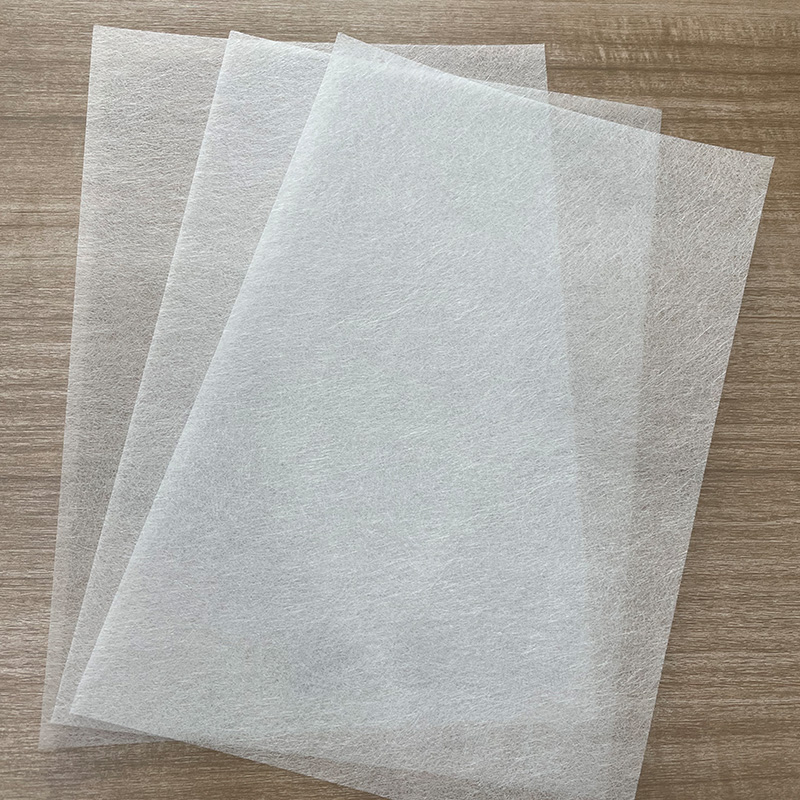
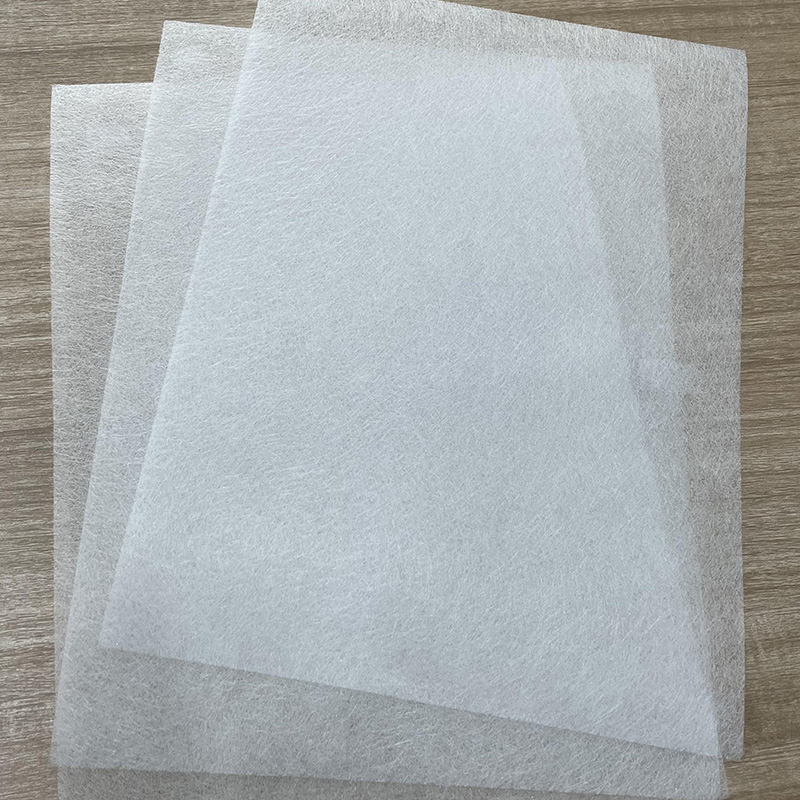
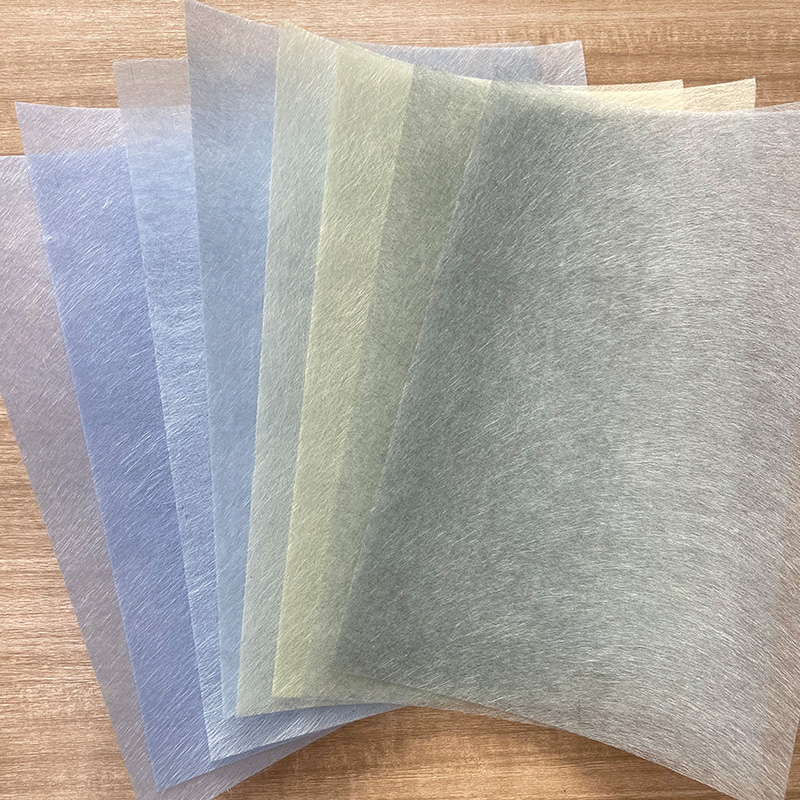
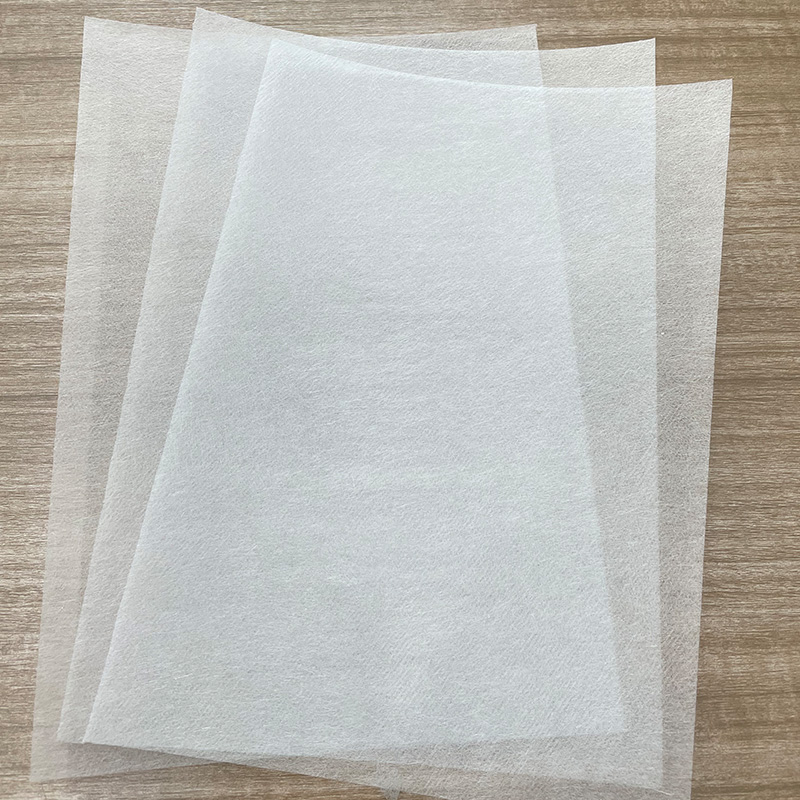
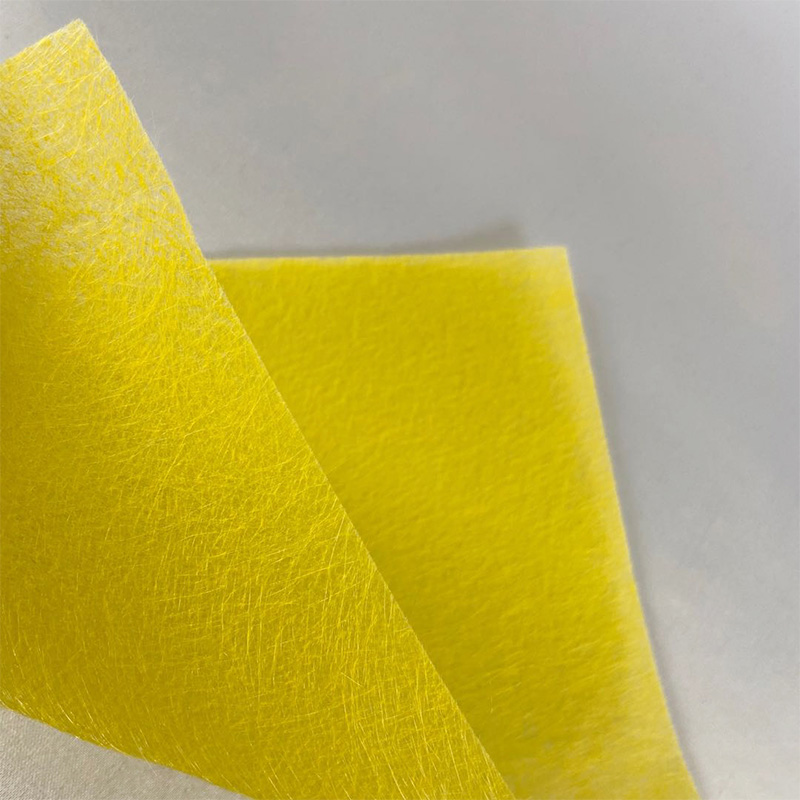
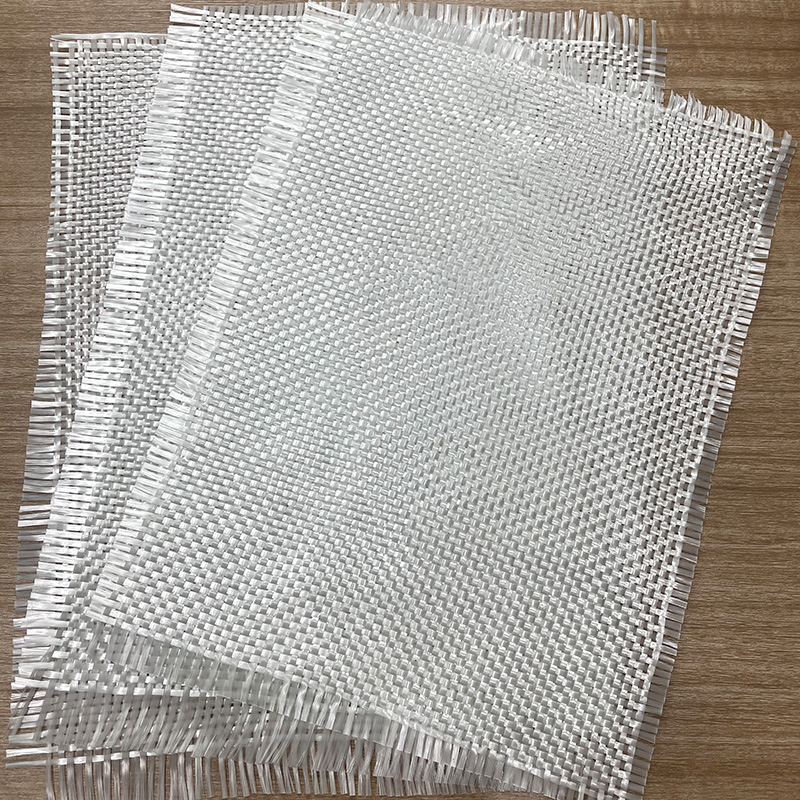
Fiberglass thick felt is a non-woven mat made from glass fibers that are bonded together without weaving. The result is a loose but coherent body that traps air in its structure, giving it insulation, sound absorption, and cushioning. In industrial procurement, thickness is usually expressed as area weight in grams per square metre, because that figure tells a buyer far more about density and performance than nominal thickness alone.
Dry-laid forming
Most fiberglass thick felts used in demanding settings are produced by the dry-laid process. Chopped glass fibers are dispersed into an air stream and deposited onto a moving conveyor, where they settle into a random web. The web is then consolidated and bonded, usually with a binder that holds fibers at their crossing points. Because forming does not depend on water, the process tends to avoid the clumping and drying issues associated with wet-laid alternatives, and it allows heavier webs to be built up in controlled layers.
Variables that shape the final product
Two felts that look similar on a table can behave very differently in service. The main production variables include:
- Fiber diameter and length, which influence stiffness, loft, and how cleanly the surface can be cut.
- Binder content, which controls how well the mat holds its shape under compression and moisture.
- Consolidation method, such as needling or thermal bonding, which determines internal bond strength and dimensional stability.
- Calendering and final density, which set thickness tolerance and surface evenness.
Each choice trades one property against another. A looser, higher-loft mat absorbs sound more readily, while a denser mat resists compression better under load. Understanding that trade-off is the starting point for any serious specification.
Anatomy of a PP Sandwich Structure
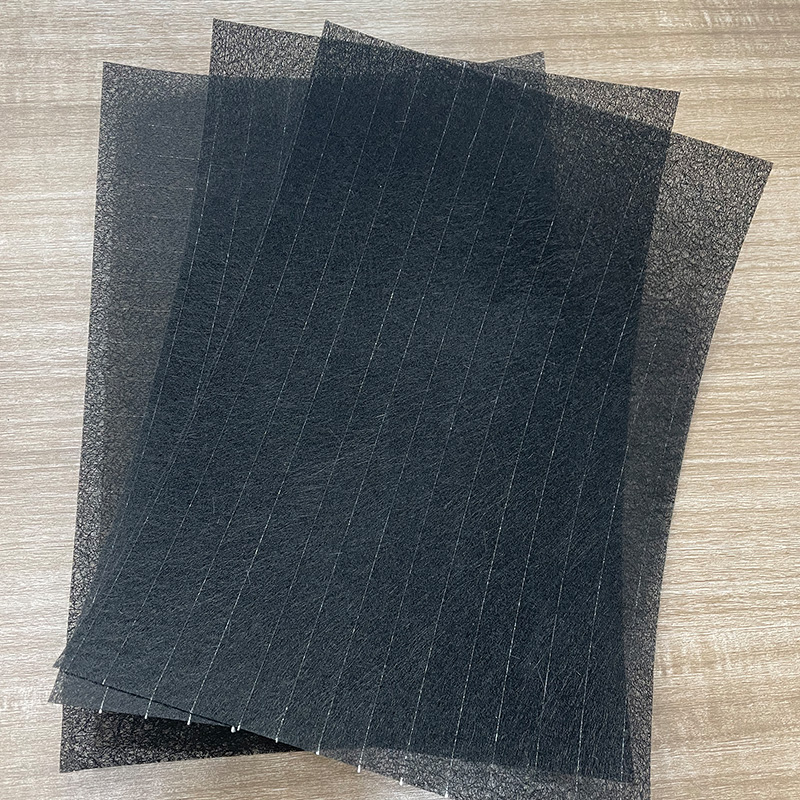
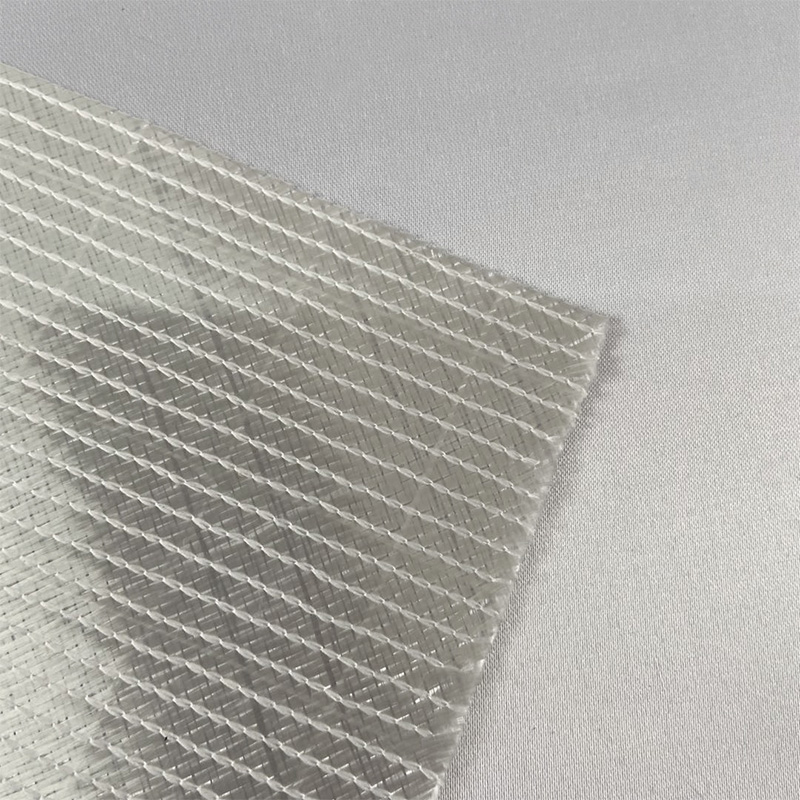
A PP sandwich felt is a multi-layer construction in which separate fiberglass layers of different weights are combined into one consolidated product. The polypropylene component acts as the bonding and carrier system that holds the layers together, and it influences handling and moisture behavior. The central idea is that rather than forcing one density to perform every function, the designer assigns each layer a specific role.
A representative example is the 860g PP sandwich felt, built from three layers of 380 g, 180 g, and 300 g, giving a total of 860 g per square metre. The heavier outer layers provide structural presence, while the lighter central layer contributes loft and acoustic performance.
The sandwich approach also separates surface behavior from bulk behavior. A surface layer can be made more uniform for cutting and bonding, while inner layers handle absorption and stiffness. This means the same nominal weight can perform differently depending on how it is distributed, which is why layer-by-layer data is worth requesting.
Why layer order matters
Layer placement affects which side faces the noise source, which side faces the bonding surface, and how the felt responds to compression. In a panel where the felt is pressed against a rigid skin, a firmer base layer prevents the material from bottoming out, while a softer core keeps absorption effective. Specifying order is therefore part of the design, not a manufacturing detail to leave to chance.
Performance Properties That Matter in Service
Datasheets for fiberglass felts often list a long set of values, but a handful of properties decide whether a product works in the field.
3Layers in a PP sandwich build
860 gTotal area weight per square metre
Non-alkaliGlass type for long-term service
| Property | What it means in practice | Typical design concern |
|---|---|---|
| Mechanical strength | Resistance to tearing and deformation during handling | Cutting, folding, and fitting around edges |
| Moisture resistance | Stable performance under humidity and condensation | Long-term swelling or loss of loft |
| Acoustic absorption | Ability to reduce reflected sound in enclosed spaces | Balance between absorption and weight |
| Thermal stability | Consistent insulation across the operating range | Binder behavior at the upper temperature limit |
| Dimensional stability | Resistance to sagging or creep over time | Performance under sustained compression |
| Chemical exposure | Tolerance to cleaning agents and oils | Compatibility with adjacent resins and coatings |
Two points deserve emphasis. First, moisture and dimensional stability are often underestimated early in design, yet they are a common cause of late-stage failure in enclosed panels. Second, acoustic absorption is not a single number. It depends on frequency and on how the material is mounted, so testing should reflect the real installation rather than a free-hanging sample.
Fiberglass Thick Felt in High-Speed Railway Interiors
Railway interiors combine a demanding acoustic target with strict requirements for weight, fire behavior, and service life. Fiberglass thick felt is used as an absorbing and damping layer behind decorative panels, in floor and wall assemblies, and in cabinet and duct linings where vibration and noise must be controlled.
Noise and vibration control
Interior noise on a fast train is a mix of broadband rolling noise, aerodynamic noise at higher speeds, and tonal components from equipment. A lofty felt placed behind a panel reduces the energy reflected back into the cabin and limits the tendency of thin panels to resonate. In typical acoustic packages, engineers often find that a moderate increase in felt weight in the mid-frequency band yields a more noticeable comfort improvement than a large increase in panel mass.
- Lower reverberation in passenger saloons
- Reduced panel rattle through added damping
- Clearer speech intelligibility for announcements
Heat, fire and service life
Railway projects are governed by fire and smoke standards that apply to the complete assembly rather than to a single material. Buyers should confirm which standards apply in their market and request test reports for the assembly configuration they actually intend to build. Non-alkali glass is commonly preferred for long-term service because it resists moisture-related degradation, which matters in cabins exposed to cleaning chemicals and temperature cycling over many years.
In one retrofit scenario, a team replaced a single-layer mat with a layered design of similar overall weight. They reported fewer complaints about panel rattle after the first winter, which they attributed to better damping in the lower layers and a firmer base that resisted sagging.
Wind Power Applications Where Felt Adds Value
Wind energy places different demands on materials. Components are large, operate outdoors for decades, and face wide temperature swings and humidity. In offshore locations, salt-laden air adds further stress. Fiberglass thick felt appears in several roles across the wind supply chain, mostly as a support, preform, or insulating layer rather than as a primary structural element.
Composite layup support
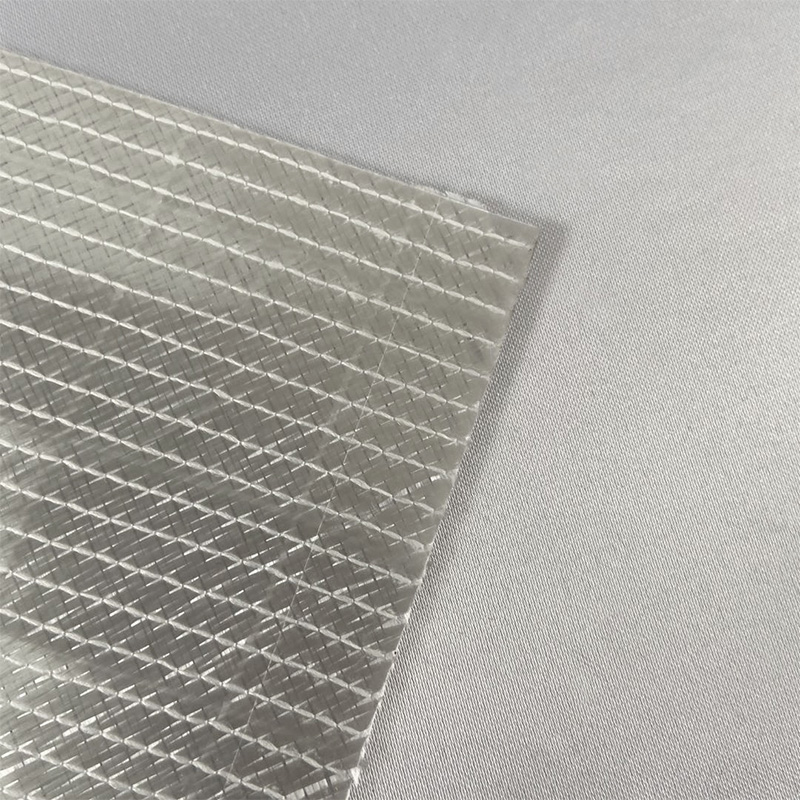
In composite manufacturing, felt layers can build thickness quickly, carry resin during infusion, or act as a core or spacer in sandwich laminates. A layered felt with a well-defined base helps keep the layup stable during handling, and consistent thickness reduces the resin needed to fill gaps. For engineers, the key questions are whether the felt wets out predictably and whether thickness tolerance is tight enough for repeatable results.
Interior insulation and protection
Within nacelles and equipment spaces, felt linings help manage noise from drive systems, provide thermal buffering, and protect cabling and sensors from vibration. Here, moisture resistance and low dust generation often matter more than peak strength.
OffshoreComposite layupThermal bufferVibration damping
How to Specify the Right Felt for Your Project
A good specification reads like a short list of decisions rather than a long catalogue of numbers. The following sequence keeps the process focused:
- Define the operating environment, including temperature range, humidity, cleaning chemicals, and exposure to liquids or salt air.
- Set the required weight per layer, starting from the functional need such as absorption, load, or support.
- Confirm thickness tolerance, because variation affects panel fit, resin usage, and acoustic consistency.
- Specify glass type, with non-alkali glass as the usual baseline for long-term industrial service.
- Check handling and conversion needs, including cutting behavior, edge quality, and dust during installation.
- Verify compatibility with adhesives, resins, coatings, and sealants used in the assembly.
| Parameter | Why it matters | Question to ask supplier |
|---|---|---|
| Area weight per layer | Sets density, loft, and load behavior | Can you provide layer-by-layer weights? |
| Thickness tolerance | Affects fit and consistency | What is the measured tolerance range? |
| Glass type | Influences moisture and long-term stability | Is the glass non-alkali? |
| Binder system | Controls shape retention and temperature behavior | What is the recommended upper service temperature? |
| Dimensional stability | Determines performance under compression | What compression data is available? |
| Roll format | Affects storage, transport, and damage risk | What roll widths and lengths are standard? |
Writing the specification this way also makes supplier comparison straightforward. Two quotes that look different on price often differ in layer structure, tolerance, or documentation, and a short list of questions reveals those differences quickly.
Sourcing and Quality Verification
Sourcing fiberglass thick felt is less about finding the lowest price and more about building a reliable supply relationship. Projects usually run into trouble when a sample is approved under one set of conditions and production runs under another. The sequence below reduces that risk.
Documents worth requesting
- Layer-by-layer area weight data and tolerance records
- Glass type declaration and composition statement
- Test reports for the properties relevant to your application
- Batch traceability and packaging specifications
- Handling, storage, and cutting guidance
Sample testing before bulk orders
A sample is only useful if it is tested in conditions similar to the final assembly. Cut samples to production size and orientation, bond them to the same substrate, and run them through the exposure that matters most, whether humidity cycling, cleaning, or compression. Record results against the specification rather than general impressions. A small pilot run across several production batches gives far more confidence than a single approved sample.
Common Mistakes Buyers Make
- Specifying by weight alone, ignoring how layers are distributed and what each one does.
- Testing free-hanging samples when the real product is mounted against a rigid panel.
- Overlooking moisture cycling, which often reveals problems only after months of service.
- Accepting a datasheet without batch data, leaving tolerance and consistency unverified.
- Choosing the thickest option by default, which adds cost and weight without improving target performance.
Avoiding these errors usually costs little more than an extra round of questions and a modest test plan, and it pays back quickly in fewer field issues and smoother production.
Closing Perspective
Fiberglass thick felt earns its place in demanding environments because it combines weight control, absorption, damping, and moisture-resistant structure in one material family. In railway interiors, it helps tame noise and vibration where every kilogram matters. In wind energy, it supports composite production and protects sensitive equipment in harsh settings.
The practical path to good results runs through clear requirements: define the environment, specify layers rather than just totals, test the assembly as it will be built, and verify supply consistency before scaling up. Teams that follow this approach tend to make fewer late changes, and the material performs the way the design intended.
Frequently Asked Questions
Q1: What is fiberglass thick felt mainly used for?
It is used as an absorbing, damping, and insulating layer in demanding industrial settings, including railway interiors and wind energy components. It also serves as a support or preform material in composite manufacturing.
Q2: What does PP sandwich structure mean in felt products?
A PP sandwich structure combines several fiberglass layers of different weights into one consolidated mat. Each layer is designed for a specific role, such as surface uniformity, sound absorption, or base support.
Q3: Why is non-alkali glass preferred in demanding applications?
Non-alkali glass is generally preferred for long-term industrial service because it tolerates moisture and cleaning exposure better. This helps maintain dimensional stability and performance over many years of use.
Q4: How should I interpret the weight of a multi-layer felt?
The total weight gives a general sense of density, but layer-by-layer weights reveal how the material will perform. Requesting both figures helps you match the felt to absorption, load, or support requirements.
Q5: Can thickness and layer structure be adjusted for a project?
Many manufacturers can adjust layer weights, thickness tolerance, and roll dimensions. It is reasonable to discuss these options early in the project so that the specification and production capability align.
Q6: What should I test before placing a bulk order?
Test a sample in conditions that match the final assembly, including bonding to the real substrate and exposure to humidity, cleaning, or compression. Pair this with a pilot run across several production batches to confirm consistency.