
 English
 中文简体
中文简体 русский
 Español
Why the Substrate Decides How Long a Honeycomb Rotor Lasts
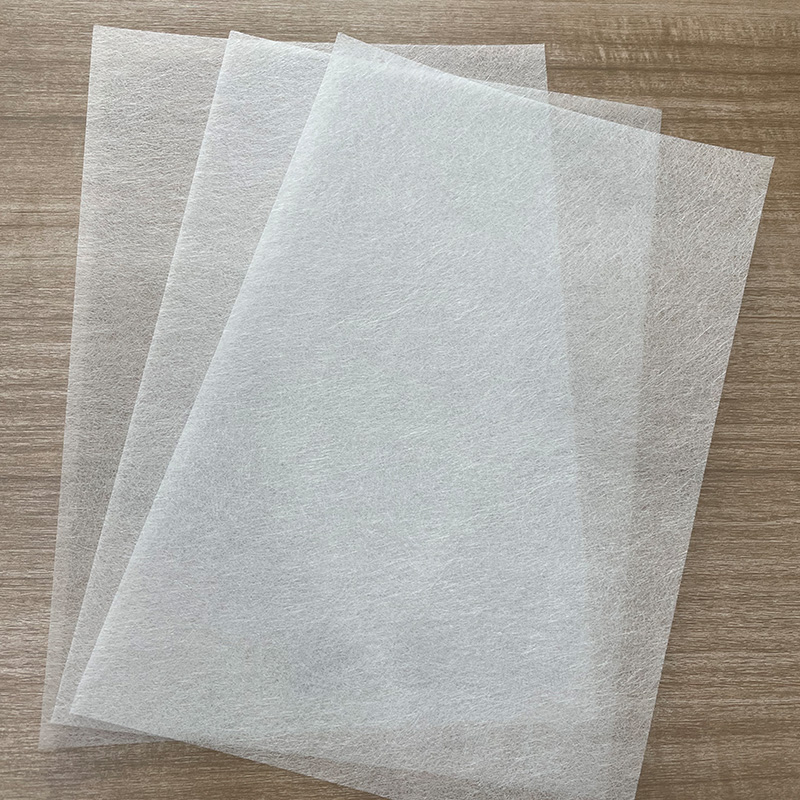
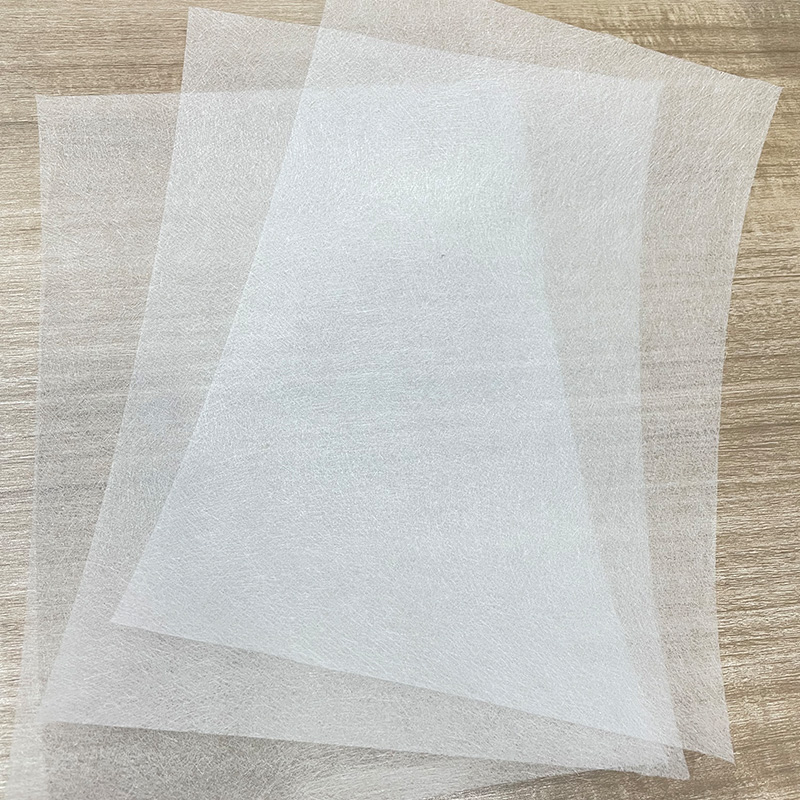
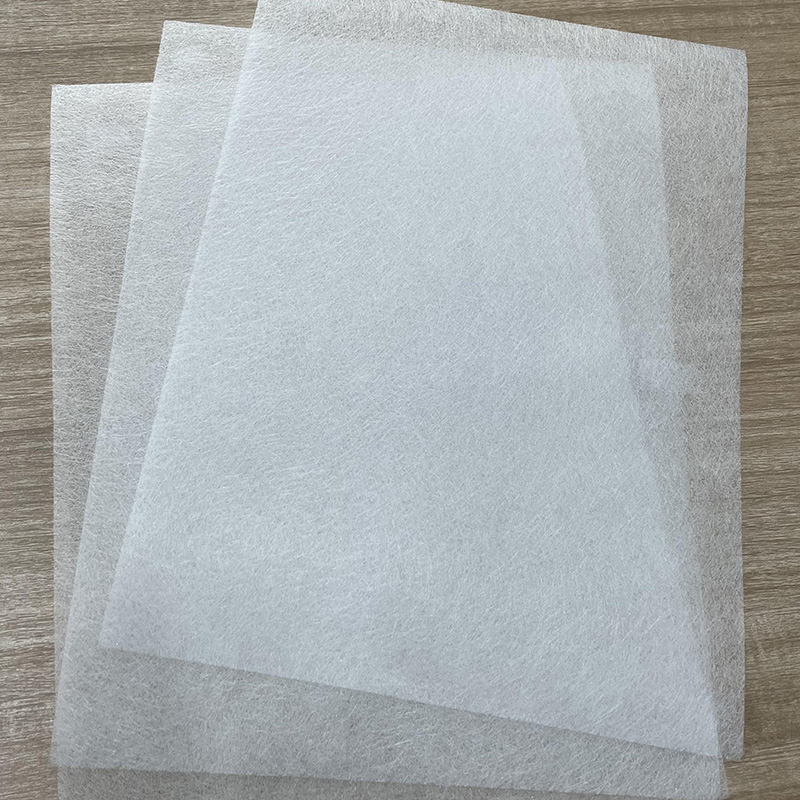
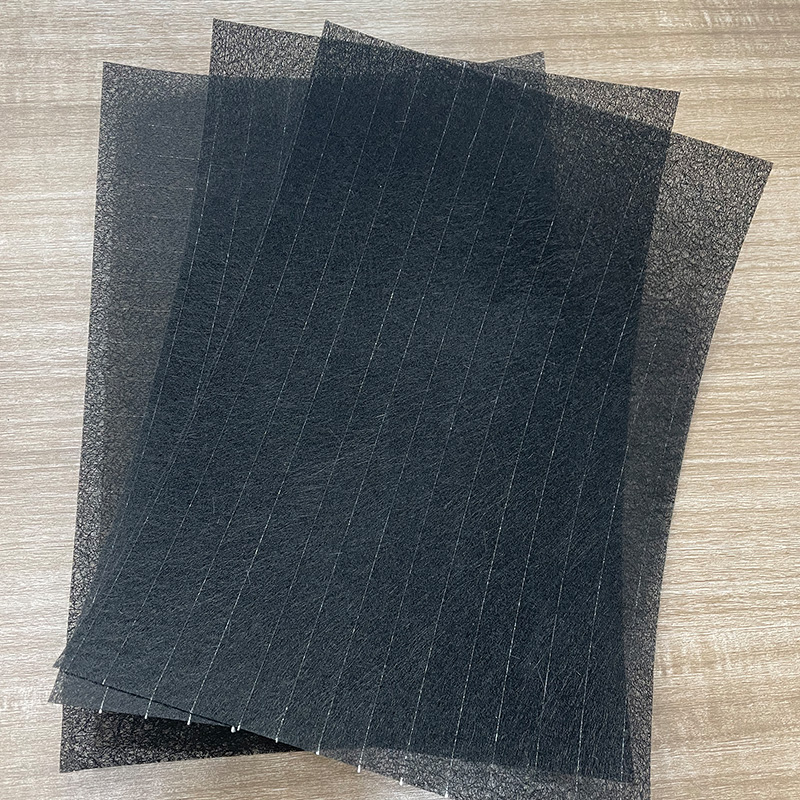
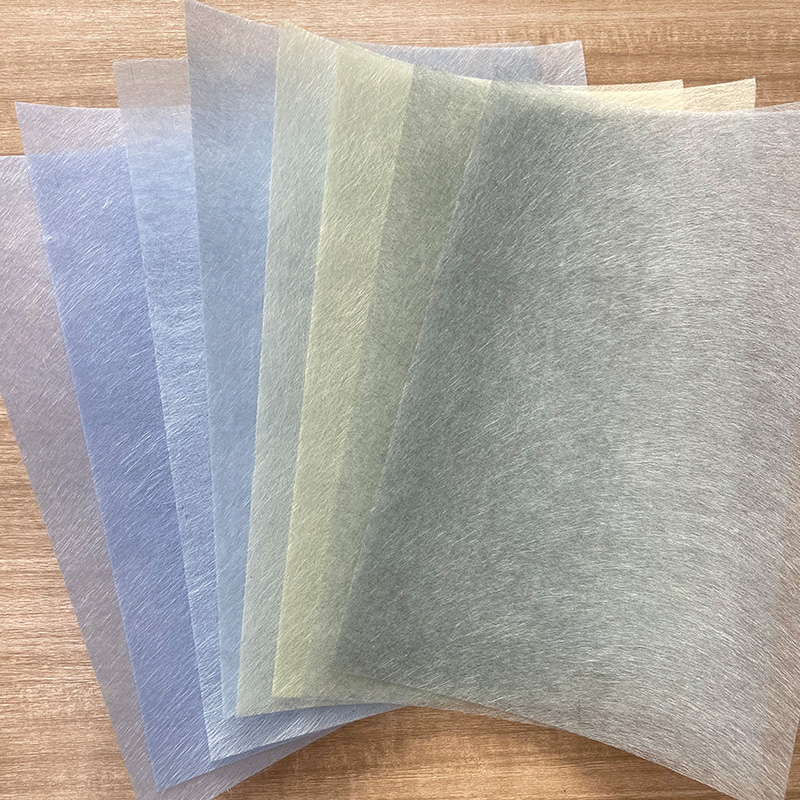
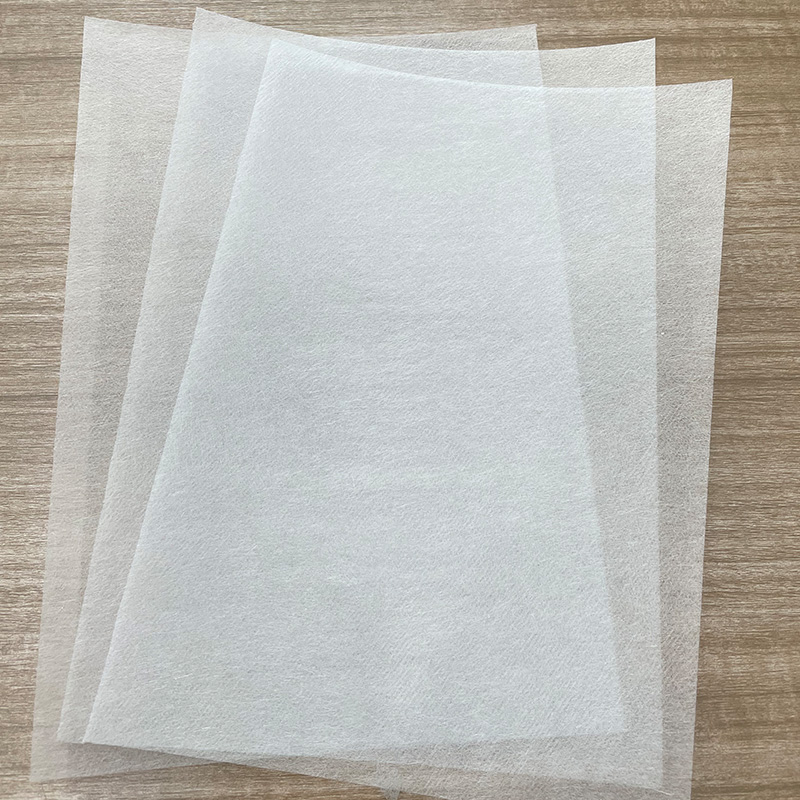
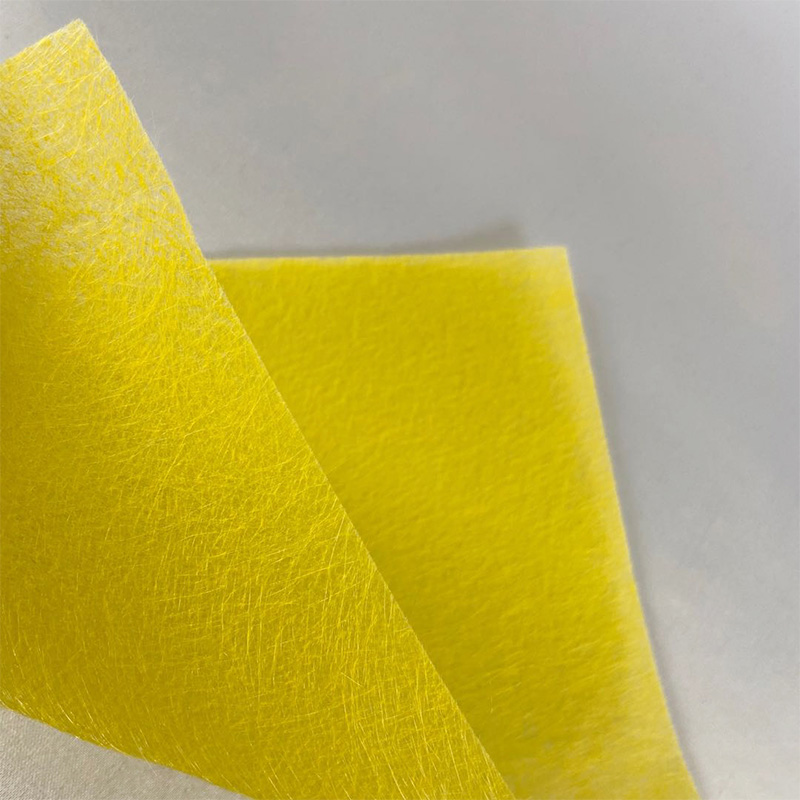
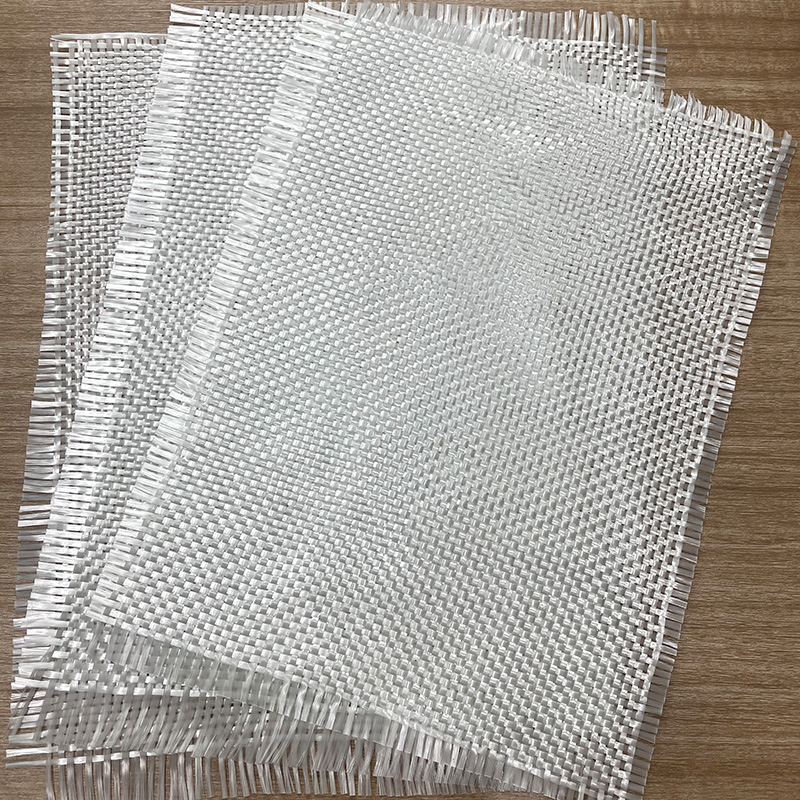
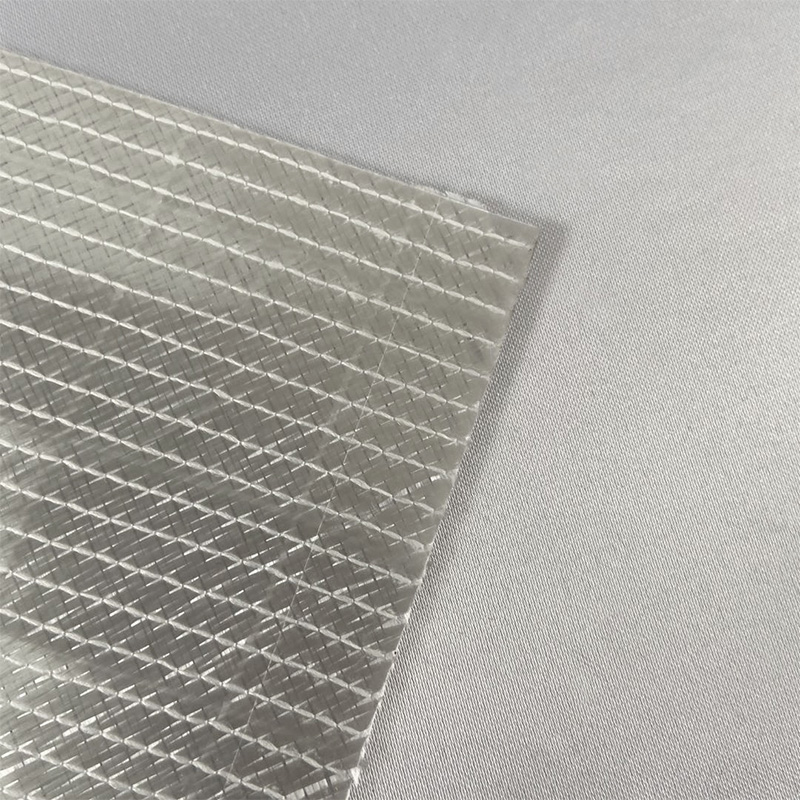
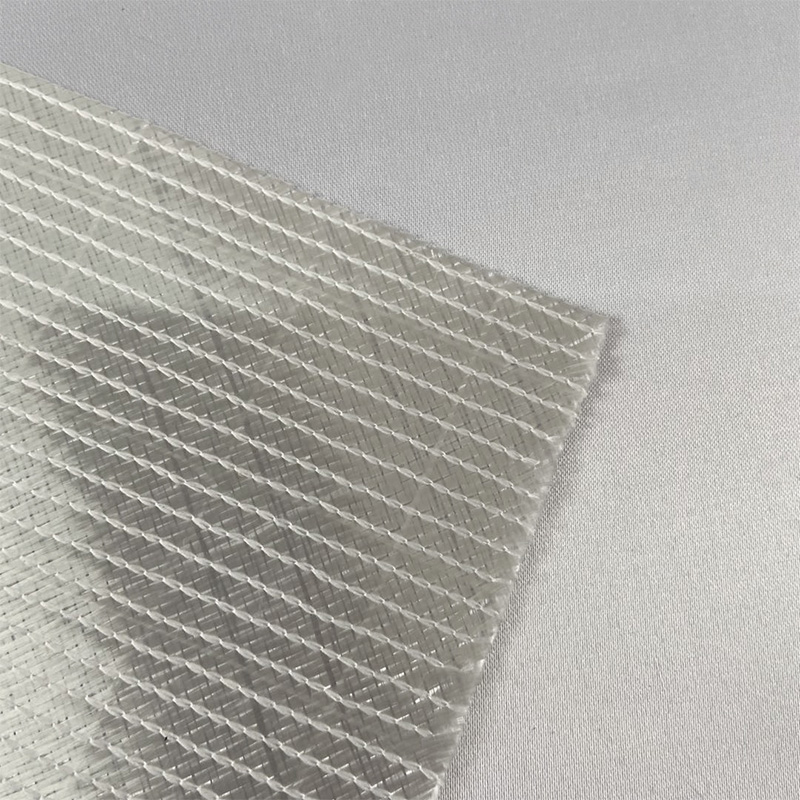
Buyers searching for glass fiber mat for honeycomb rotors are usually choosing far more than a sheet of fiber. The mat becomes the structural skeleton that carries zeolite or silica gel, holds its shape through impregnation and curing, and keeps airflow channels open for years of rotation. A rotor that looks identical on paper can perform very differently in service depending on how the mat was made.
In a honeycomb rotor, air passes through alternating adsorption and regeneration zones. The adsorbent must stay evenly distributed, the channels must stay straight, and the wheel must resist mechanical stress from continuous rotation and repeated thermal cycling. Every one of these demands depends on the glass fiber layer underneath.
Key takeaway: a substrate that is consistent in weight, thickness and tensile behaviour produces rotors that are predictable in pressure drop, adsorption capacity and service life.
Product Specifications Built Around Your Rotor Process
Specifications matter most when they are linked to the manufacturing steps that follow. The table below summarises the typical ranges used for rotor substrates and what each parameter influences during production.
| Parameter | Typical Range | Influence on Rotor Production |
|---|---|---|
| Basis weight | 100 to 900 g/m2 | Controls slurry pick-up and final airflow resistance |
| Thickness | Matched to cell density | Determines channel geometry after corrugation |
| Binder system | Emulsion or powder | Affects compatibility with zeolite or silica gel impregnation |
| Tensile strength | Set for corrugation stability | Prevents tearing during folding and forming |
Basis Weight and Impregnation Pick-Up
Lighter mats allow finer cell structures and lower airflow resistance, but they hold less adsorbent per unit area. Heavier mats support higher loading but can increase pressure drop if the cell density is not adjusted. Most rotor makers select the basis weight by working backward from the target adsorbent load and the allowable fan power.
Binder Selection for Adsorbent Compatibility
Binders determine how the mat reacts when it meets aqueous slurry or silica-based impregnation liquids.
- Emulsion binders offer good flexibility and are widely used for standard corrugation lines, though they must be checked for compatibility with the chosen impregnation liquid.
- Powder binders are generally preferred when the mat will be exposed to moisture-rich impregnation, because they reduce the risk of binder migration and surface softening during later processing.
Tensile Strength and Flexibility in Corrugation
During corrugation, the mat is folded into sinusoidal or triangular profiles. It must be strong enough not to crack at the fold line, yet soft enough to form uniform channels without springing back. A well-balanced mat usually shows consistent machine-direction and cross-direction strength so the corrugated sheet keeps its geometry from edge to edge.
Critical Performance Requirements for Rotor Substrates
Engineers evaluating substrates usually focus on three properties that determine whether a rotor will hold up under real operating conditions.
Wet Strength After Impregnation
After the mat is coated with adsorbent slurry, it must retain its shape while wet and during drying. Low wet strength leads to sagging, flattened channels and uneven adsorbent distribution.
Air Permeability and Pore Distribution
Pore distribution influences how evenly the adsorbent coating adheres and how freely air moves through the finished wheel. A mat with a uniform pore structure tends to produce a coating that is thinner at the surface and more consistent through the thickness, which supports stable pressure drop.
Dimensional Stability at Regeneration Temperature
Regeneration zones commonly operate between 120 and 200 degrees Celsius. The substrate should not shrink, warp or lose strength at these temperatures, since distortion can create gaps between layers and bypass airflow.
Application Scenarios Where Glass Fiber Mat Performs
The same substrate logic applies across several industries, although the emphasis on each property shifts with the process.
- VOC treatment rotors serve coating, printing and chemical lines, where the substrate must handle solvent-laden air and repeated thermal cycles.
- Industrial dehumidification rotors support lithium battery manufacturing, food drying and pharmaceutical cleanrooms, where stable moisture removal and low leakage are critical.
- Composite honeycomb cores in aerospace and other structural applications use similar mat concepts, with the emphasis on stiffness and dimensional control.
Matching Scenario to Substrate Priorities
| Scenario | Main Substrate Priority | Typical Concern |
|---|---|---|
| VOC rotor | Thermal stability | Regeneration temperature drift |
| Dehumidification rotor | Coating uniformity | Moisture uptake consistency |
| Composite core | Stiffness | Dimensional accuracy |
Quality Assurance and Customisation Controls
Consistency is the strongest signal of a dependable substrate supplier. Buyers should look for measurable control points rather than general claims.
5% Basis weight tolerance or tighter
50 to 3120 mm Slitting width range for custom rolls
ISO 9001 Quality management system framework
- Weight checks at defined intervals across the roll to confirm uniform loading
- Custom slitting to match rotor diameter, module width and handling equipment
- Batch traceability so any performance deviation can be linked to production records
Partnering for Consistent Rotor Substrate Supply
A substrate that performs well in a trial may still cause problems in volume production if supply is inconsistent. Buyers benefit from a supplier that understands rotor manufacturing and can adjust weight, binder and width to match each project.
Request a Sample or Quote for Your Rotor Dimensions
Share your target rotor diameter, cell density and adsorbent type, and receive a tailored substrate recommendation with factory-direct pricing for bulk orders.
Frequently Asked Questions
Q1: What basis weight is typically used for honeycomb rotor substrates?
Most rotor substrates fall within 100 to 900 g/m2. The right value depends on the adsorbent load, cell density and the pressure drop the system can accept.
Q2: Which binder type is better for zeolite impregnation?
Powder binders are often preferred when the mat will contact moisture-rich impregnation liquids, since they reduce binder migration and surface softening.
Q3: Why does tensile strength matter during corrugation?
The mat must withstand folding without cracking while still forming uniform channels. Balanced strength in both machine and cross directions helps maintain consistent geometry.
Q4: How does substrate thickness affect rotor performance?
Thickness works together with cell density to set channel geometry. Uniform thickness helps produce predictable airflow and consistent adsorbent coverage.
Q5: Can the substrate be customised for different rotor sizes?
Yes. Width can be slit to project requirements, and weight and binder can be adjusted to match the process and the operating environment.