
 English
 中文简体
中文简体 русский
 Español
In composite manufacturing, construction materials, and industrial insulation systems, fiberglass-based reinforcements play a decisive role in determining surface quality, durability, and long-term performance. Among these reinforcements, fiberglass surfacing veil and fiberglass mat are often discussed together, yet they serve distinctly different functions. Misunderstanding their roles can improper material selection, unnecessary cost increases, or compromised product performance.
Understanding Fiberglass Reinforcement Materials
Fiberglass reinforcements are engineered to enhance mechanical strength, surface properties, and resistance characteristics of composite and insulation products. While they may appear similar in raw form, their internal structure and processing methods result in very different performance outcomes.
At a fundamental level, fiberglass reinforcements can be divided into surface-oriented materials and structural reinforcement materials. Fiberglass surfacing veil belongs to the former, while fiberglass mat is primarily structural.
Before comparing them directly, it is necessary to clarify what each material represents in industrial usage.
What Is Fiberglass Surfacing Veil?
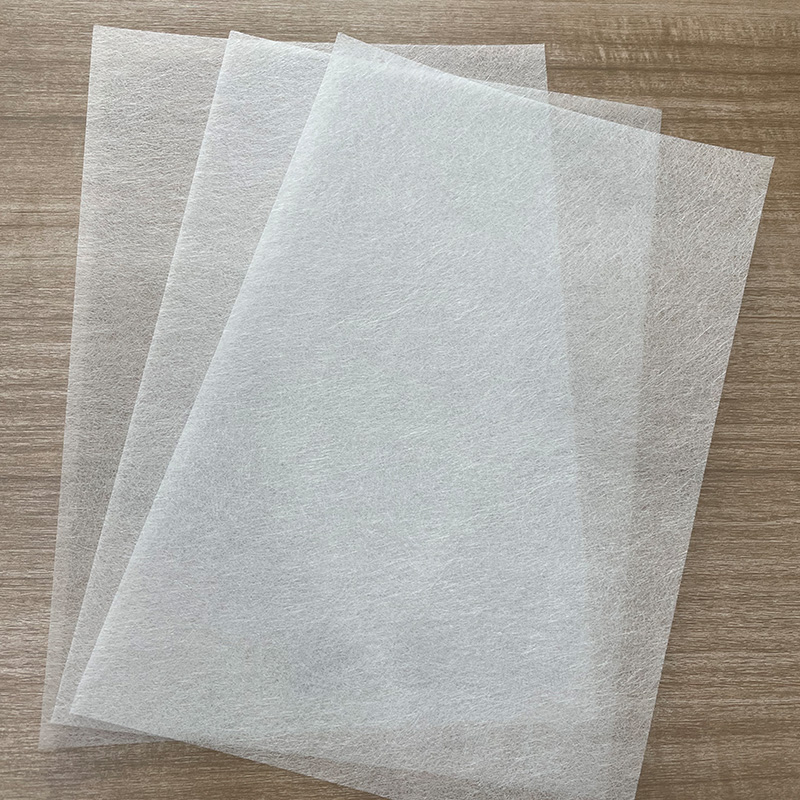
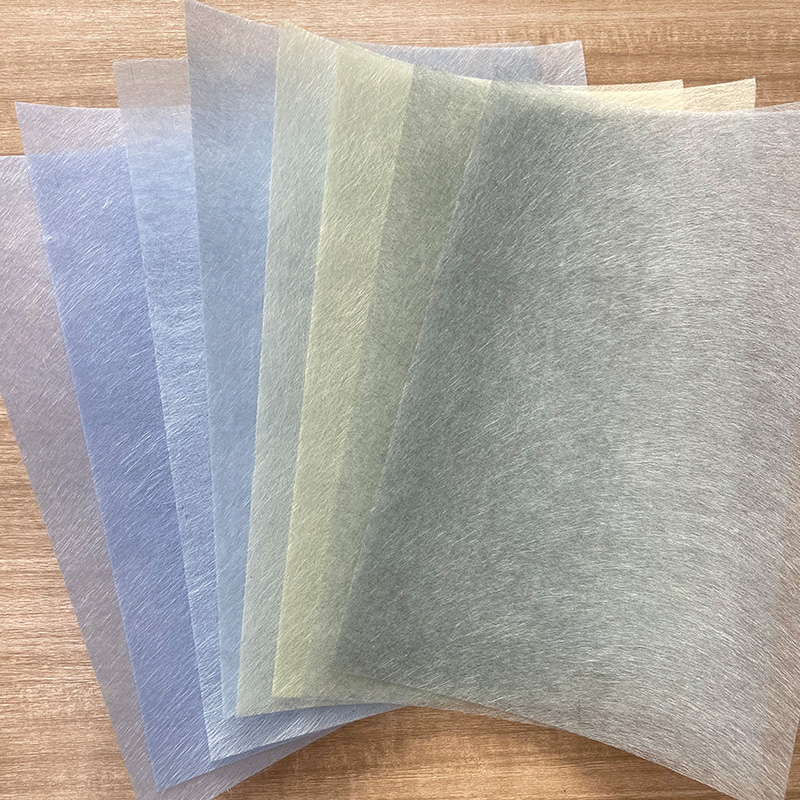
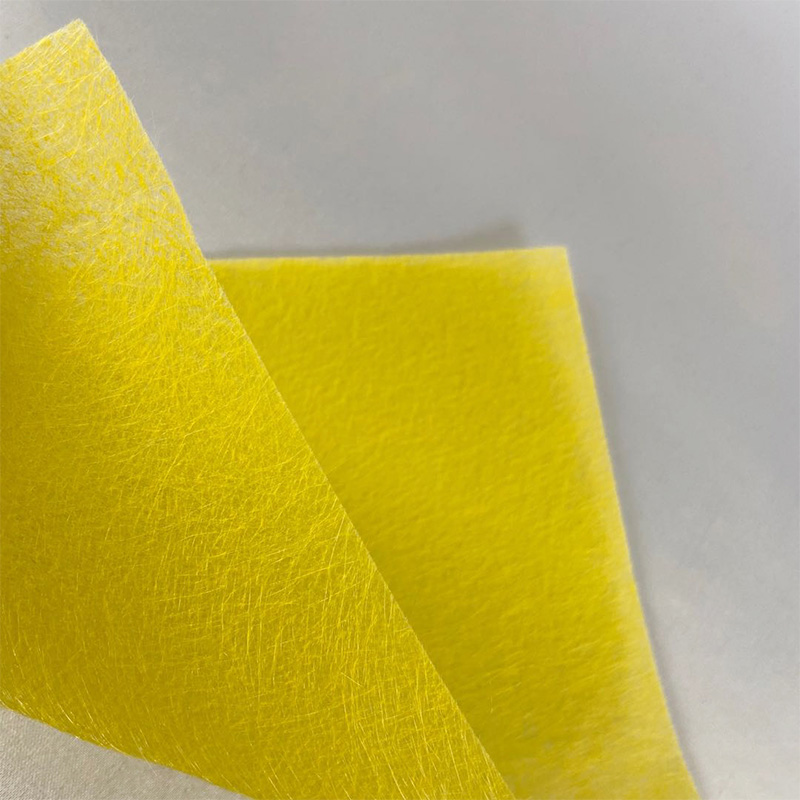
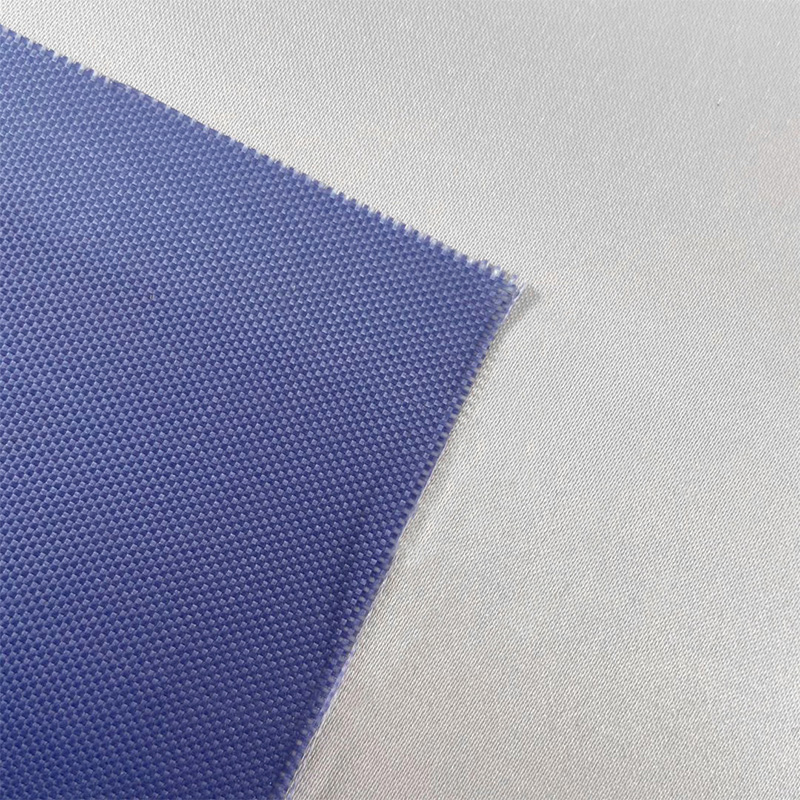
Fiberglass surfacing veil is a lightweight, nonwoven fiberglass material designed specifically to improve surface quality and functional performance. It is typically manufactured using fine glass fibers distributed uniformly through a wet-laid process, resulting in a smooth, consistent sheet.
The primary purpose of a surfacing veil is not to provide bulk strength, but to enhance surface appearance, protect underlying reinforcement layers, and improve resistance to environmental factors. In composite parts, it is often applied as the outermost layer.
Key Characteristics of Surfacing Veil
- Extremely fine fiber diameter
- Uniform fiber distribution
- Smooth surface texture
- Excellent resin wet-out
- Low thickness and low weight
These characteristics explain why surfacing veil is widely used in applications requiring aesthetic consistency, corrosion resistance, and surface durability.
In industrial supply chains, fiberglass surfacing veil manufacturers typically focus on optimizing fiber dispersion, binder compatibility, and resin absorption to meet downstream processing requirements.
What Is Fiberglass Mat?
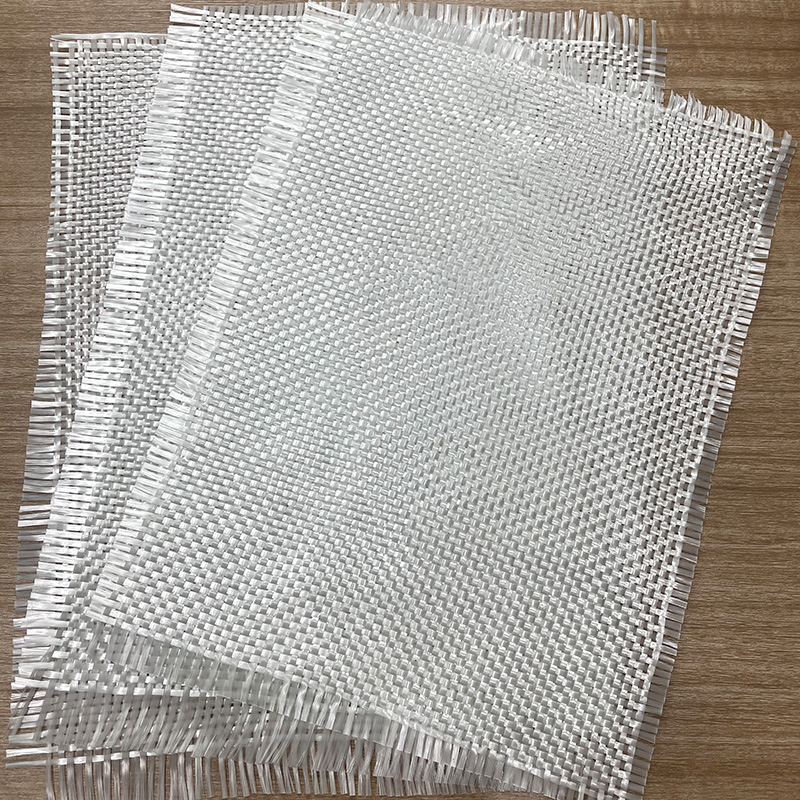
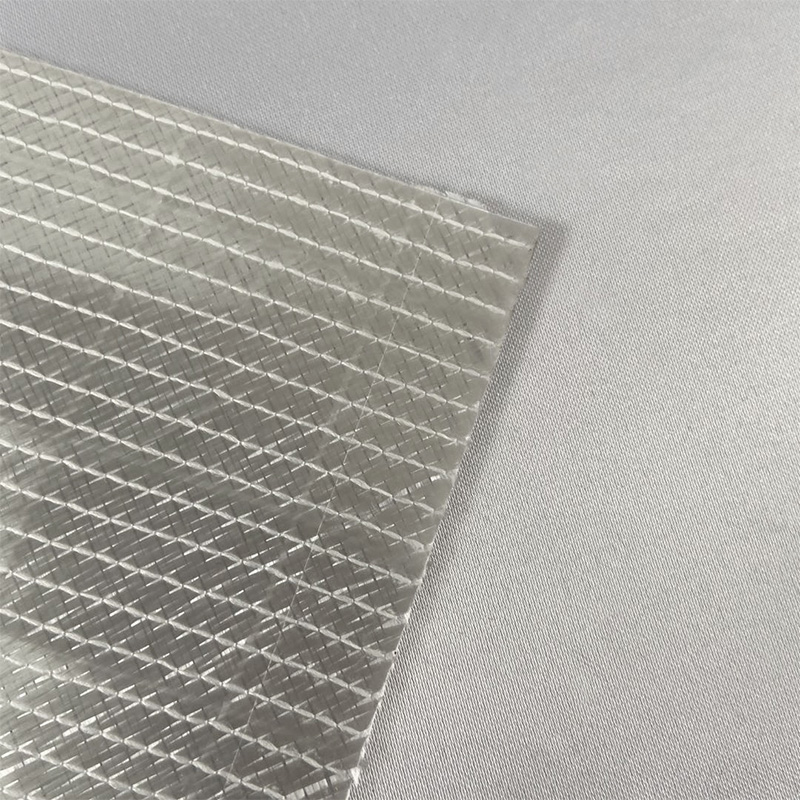
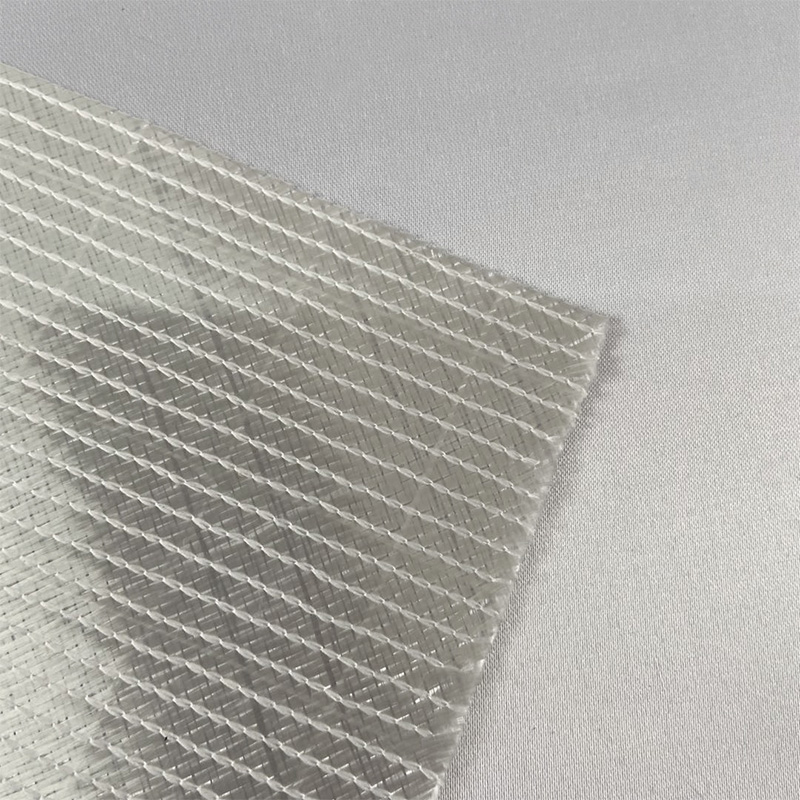
Fiberglass mat, often referred to as chopped strand mat or fiberglass tissue mat depending on structure and density, is a thicker nonwoven reinforcement made from chopped glass fibers bonded together.
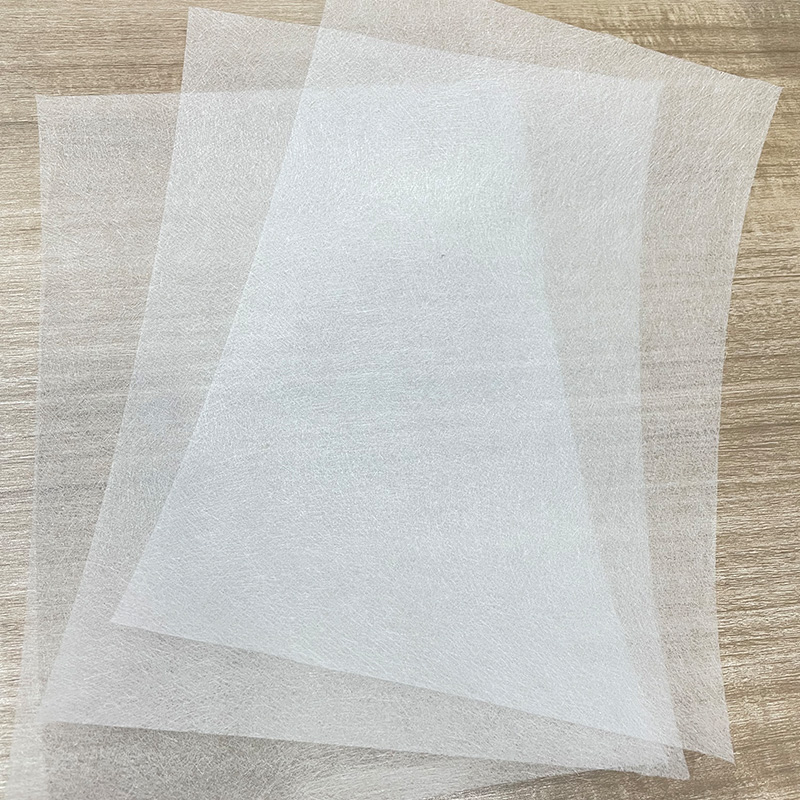
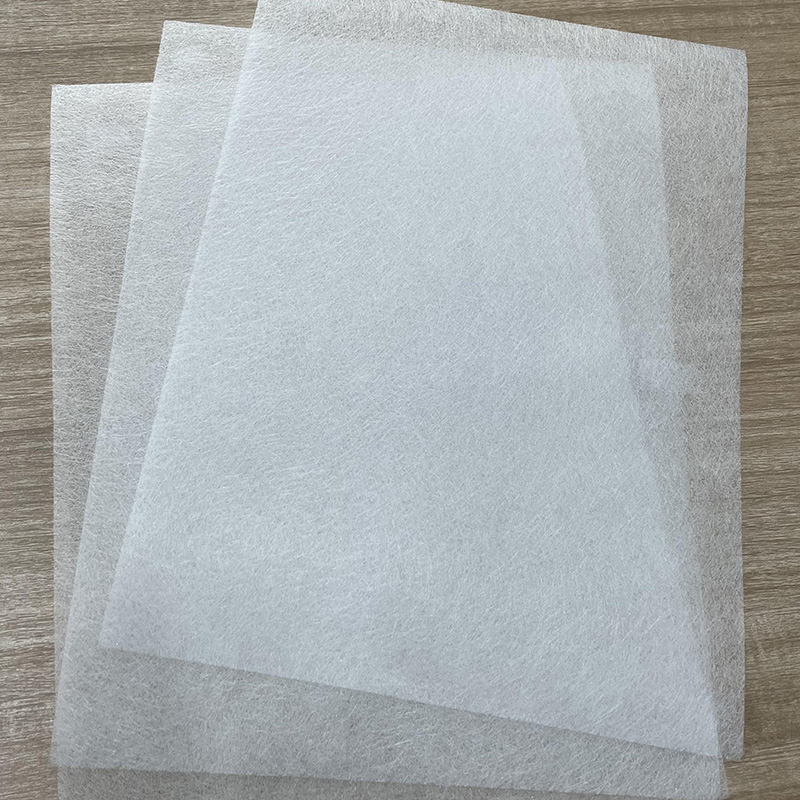
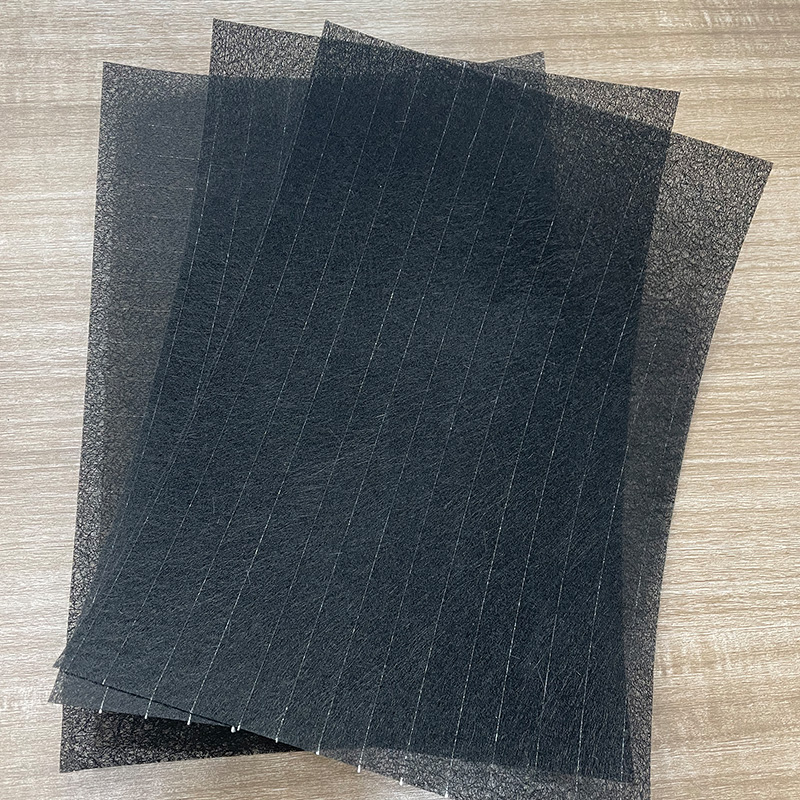
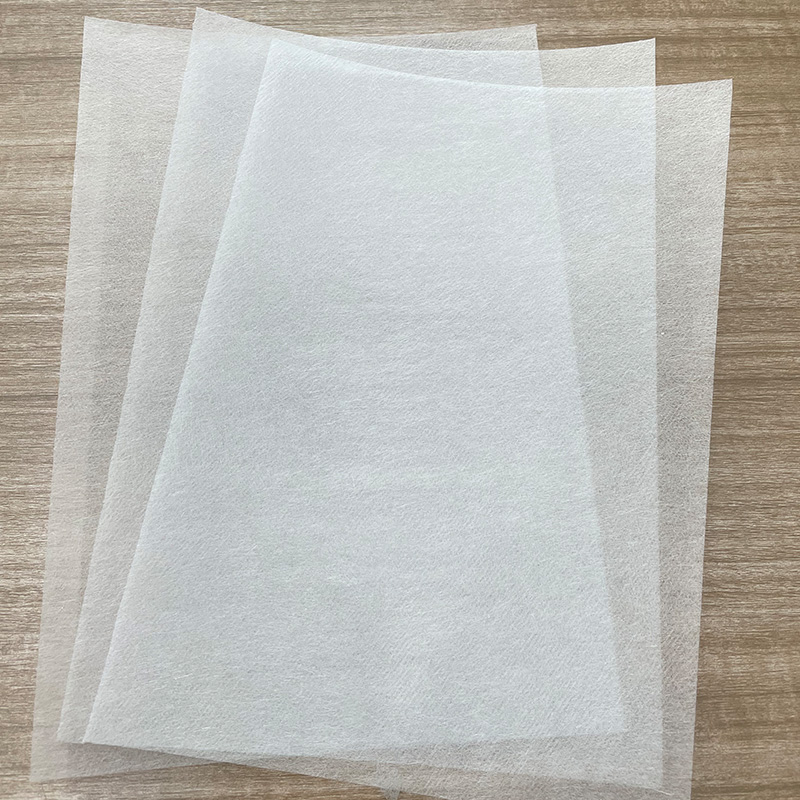
Glass fiber tissue mat is a material made of chopped fiberglass by a special wet process. Glass fiber tissue mat can be applied for building and electrical insulation products area. It has the characteristics of fire retardancy, anti-corrosion, shock resistance, anti-corrugation, crack resistance, water resistance, and air permeability.
Unlike surfacing veil, fiberglass mat is designed to provide structural reinforcement and dimensional stability rather than surface refinement.
Manufacturing Process Comparison
Although both materials may use a wet-laid process, their fiber size, distribution, and bonding methods differ significantly.
| Aspect | Fiberglass Surfacing Veil | Fiberglass Mat |
|---|---|---|
| Fiber length | Very short, fine fibers | Chopped fiberglass |
| Fiber diameter | Extremely fine | Coarser than veil |
| Sheet thickness | Very thin | Medium to thick |
| Primary function | Surface enhancement | Structural reinforcement |
| Resin demand | Low | Moderate to high |
This difference in structure explains why surfacing veil is typically placed on the surface of a composite, while fiberglass mat is embedded within the laminate.
Functional Differences in Practical Applications
Surface Quality and Aesthetics
Surfacing veil excels in applications where visual appearance and surface smoothness are critical. It helps eliminate fiber print-through, reduces surface porosity, and creates a uniform resin-rich layer.
Fiberglass mat, by contrast, can create a textured surface if used alone. While this texture is acceptable in structural or insulation components, it is generally unsuitable for exposed surfaces without additional finishing layers.
Mechanical Contribution
Fiberglass mat contributes significantly to mechanical strength, impact resistance, and dimensional stability. The randomly oriented chopped fibers distribute stress evenly across the structure.
Surfacing veil offers minimal structural reinforcement. Its value lies in surface protection and performance rather than load-bearing capacity.
Performance Characteristics Comparison
| Performance Aspect | Surfacing Veil | Fiberglass Tissue Mat |
|---|---|---|
| Fire resistance | Moderate (resin-dependent) | Excellent |
| Corrosion resistance | High | High |
| Crack resistance | Surface-level improvement | Structural crack resistance |
| Water resistance | High when resin-saturated | High |
| Air permeability | Controlled | Naturally breathable |
The fiberglass tissue mat described above demonstrates a broad performance range, particularly in building and electrical insulation environments where fire retardancy and shock resistance are essential.
Application Areas
Typical Uses of Fiberglass Surfacing Veil
- Composite panels requiring smooth finishes
- Anti-corrosion linings
- FRP products with exposed surfaces
- Decorative composite components
Because of its surface-oriented function, surfacing veil is often selected early in product design to define surface standards and finishing requirements.
Typical Uses of Fiberglass Mat
- Building insulation systems
- Electrical insulation products
- Structural FRP laminates
- Panels requiring crack resistance and dimensional stability
Fiberglass tissue mat is especially valued in construction and electrical sectors due to its balance of strength, permeability, and resistance properties.
Resin Compatibility and Processing Behavior
Both materials are compatible with common resin systems used in composite manufacturing, including polyester, vinyl ester, and epoxy resins.
However, their interaction with resin differs:
- Surfacing veil absorbs resin quickly and evenly, forming a smooth resin-rich layer.
- Fiberglass mat requires more resin to fully wet out due to its thickness and fiber density.
Understanding this distinction helps manufacturers control resin consumption and final product weight without compromising performance.
Selection Considerations
Choosing between surfacing veil and fiberglass mat is not a matter of substitution, but of function. In many composite structures, the two materials are used together, each fulfilling a specific role.
| Selection Criterion | Recommended Material |
|---|---|
| Surface smoothness | Surfacing veil |
| Structural strength | Fiberglass mat |
| Fire retardancy focus | Fiberglass tissue mat |
| Decorative finish | Surfacing veil |
| Insulation performance | Fiberglass mat |
Fiberglass surfacing veil manufacturers often emphasize customization in fiber distribution and binder systems, while fiberglass mat producers focus on strength consistency and performance reliability.
Conclusion
Fiberglass surfacing veil and fiberglass mat are complementary materials rather than competing products. Surfacing veil is engineered for surface quality, corrosion resistance, and aesthetic performance, while fiberglass mat—particularly glass fiber tissue mat made from chopped fiberglass—provides structural strength, fire retardancy, and insulation performance.
Understanding their differences in structure, function, and application allows manufacturers and material engineers to design more efficient, durable, and purpose-driven products. When used correctly, each material contributes uniquely to the overall performance of composite and insulation systems.
FAQ
Q1: Can fiberglass surfacing veil replace fiberglass mat in structural applications?
No. Surfacing veil is not designed to provide structural reinforcement and should not replace fiberglass mat where strength is required.
Q2: Is fiberglass tissue mat suitable for exposed surfaces?
Fiberglass tissue mat is primarily structural. For exposed or decorative surfaces, a surfacing veil is typically added as a finishing layer.
Q3: Can surfacing veil and fiberglass mat be used together?
Yes. They are often combined, with fiberglass mat providing strength and surfacing veil improving surface quality.
Q4: What industries commonly use fiberglass tissue mat?
It is widely used in building and electrical insulation products due to its fire retardancy, crack resistance, and durability.
Q5: Does surfacing veil affect resin consumption?
Yes. Surfacing veil generally reduces surface resin defects while requiring less resin than thicker reinforcement layers.
 Previous