
 English
 中文简体
中文简体 русский
 Español
Introduction: Understanding Fiberglass Surfacing Veil
In modern composite and insulation industries, surface performance is no longer a secondary consideration—it is a decisive factor in durability, safety, and lifecycle value. Among the materials designed to enhance surface quality and functional stability, surfacing veil plays a unique and irreplaceable role. In particular, fiberglass surfacing veil has become a foundational material across construction, insulation, and industrial manufacturing due to its balanced combination of structural reinforcement and surface protection.
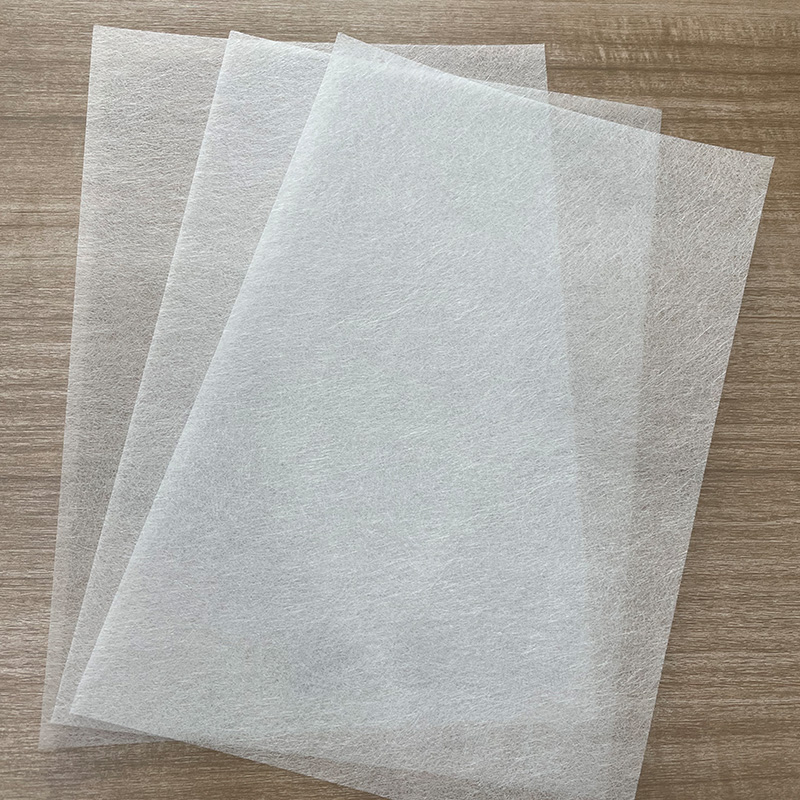
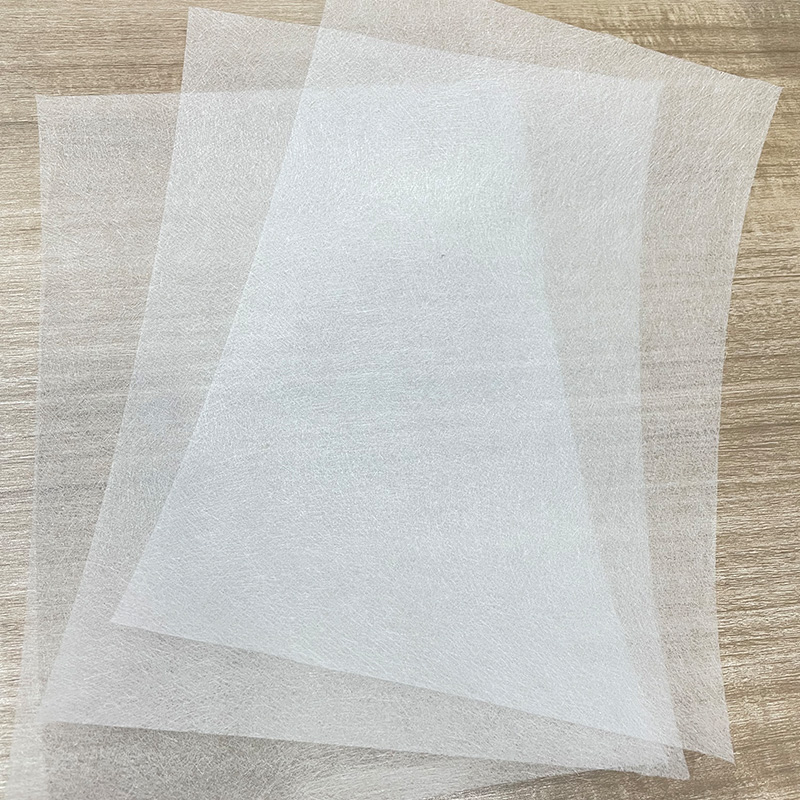
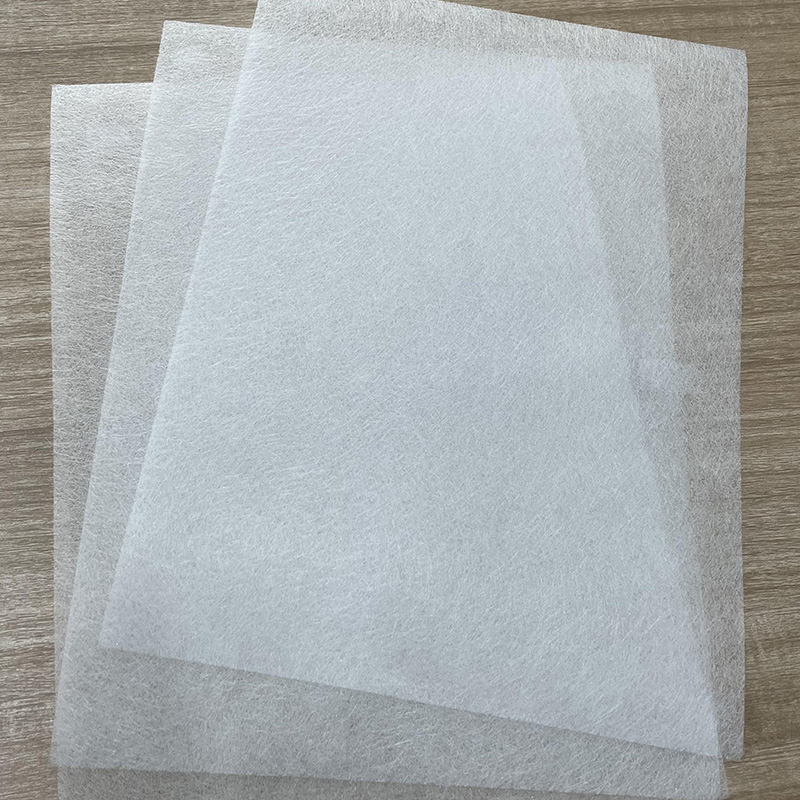
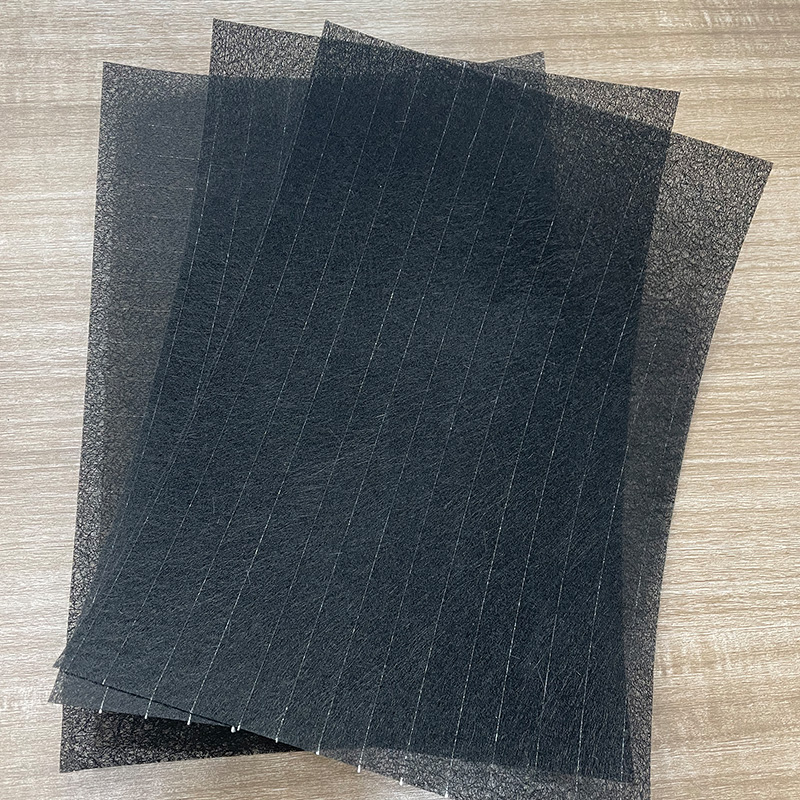
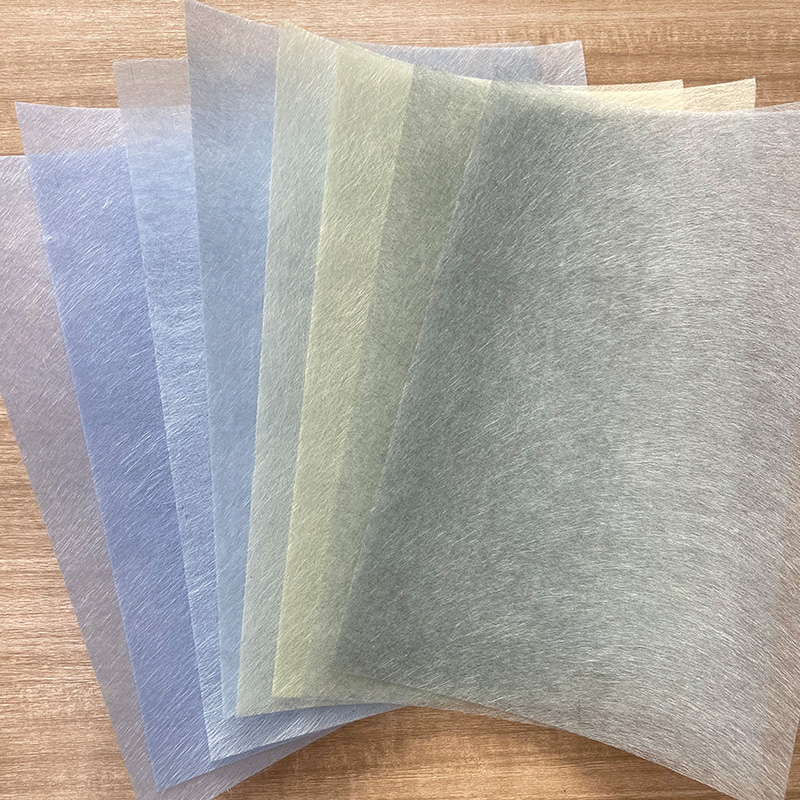
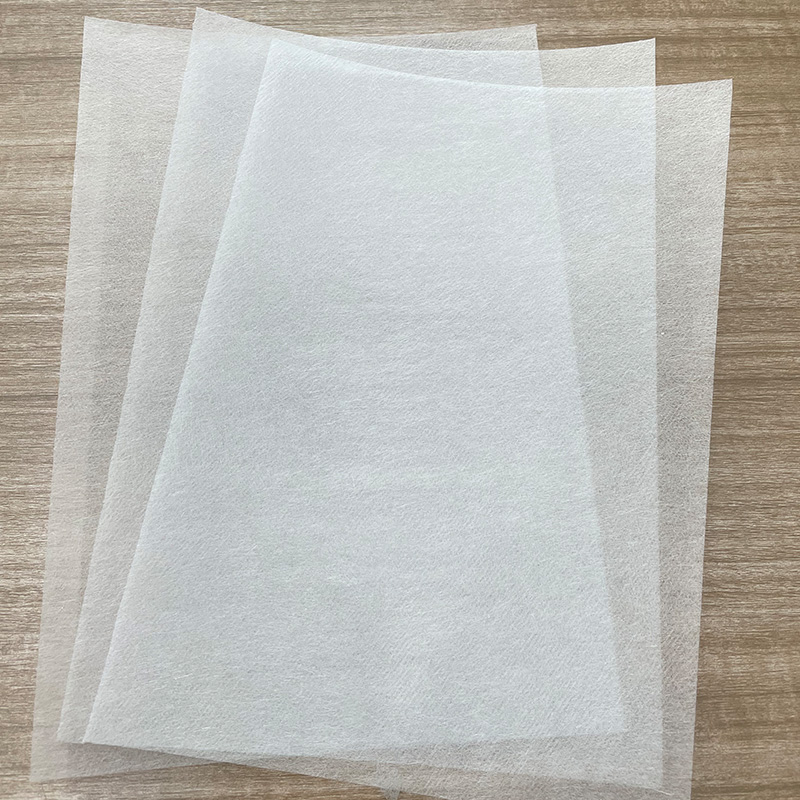
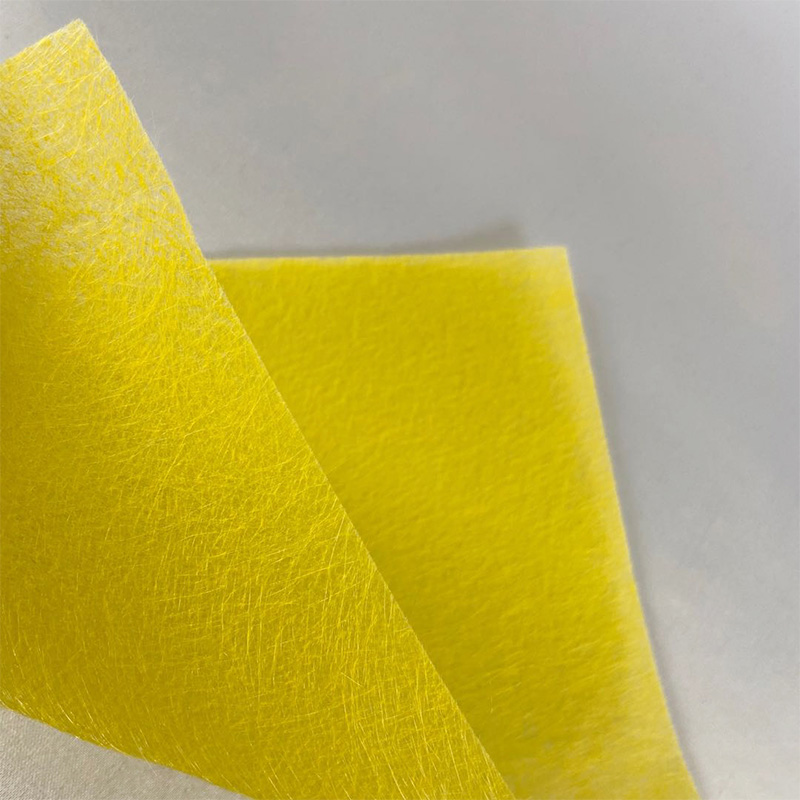
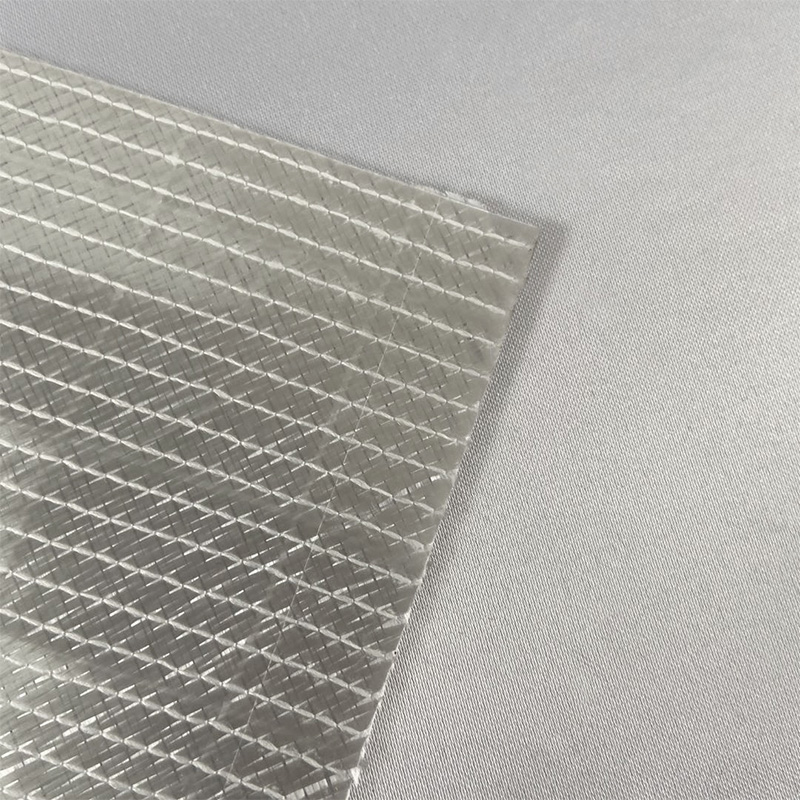
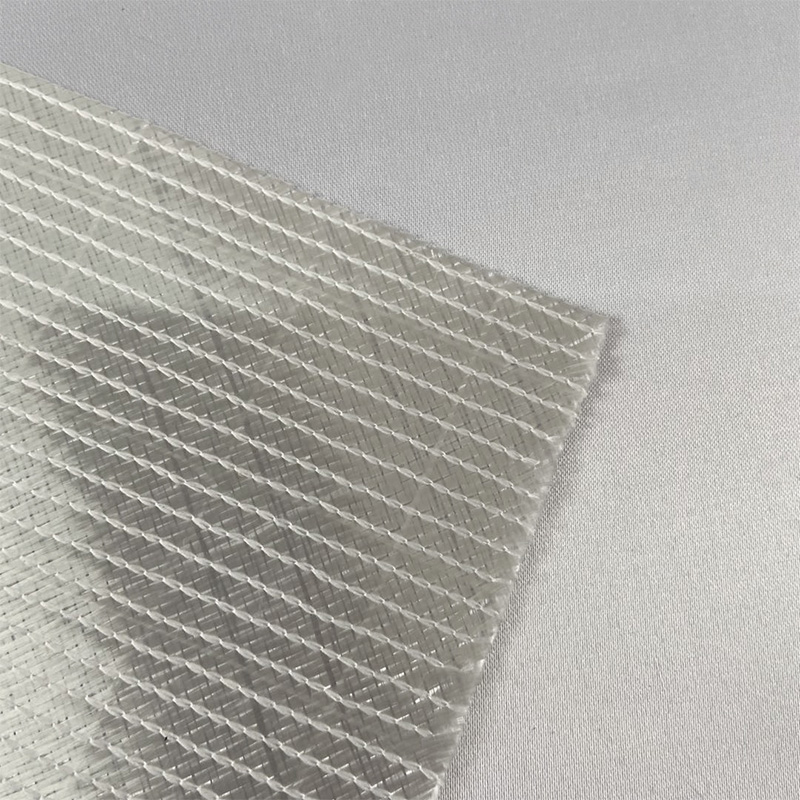
At its core, fiberglass surfacing veil is commonly produced from glass fiber tissue mat, a nonwoven material made of chopped fiberglass through a special wet process. This process ensures uniform fiber distribution, controlled porosity, and consistent thickness. As a result, the material delivers reliable performance in demanding environments while remaining lightweight and adaptable.
What Is Fiberglass Surfacing Veil?
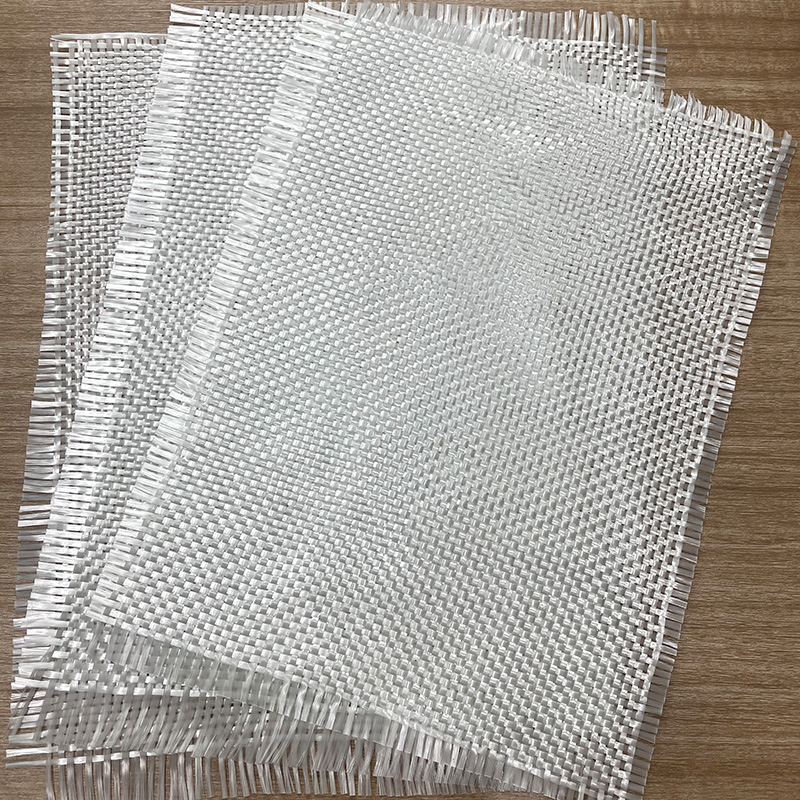
Fiberglass surfacing veil is a thin, nonwoven reinforcement layer designed primarily to improve surface properties rather than bulk strength. Unlike structural fiberglass fabrics, surfacing veil focuses on enhancing surface smoothness, resistance to environmental stressors, and compatibility with resins and coatings.
The underlying glass fiber tissue mat is formed by dispersing chopped glass fibers in water and bonding them through a controlled wet-laid process. This results in a uniform mat with air permeability and water resistance. When integrated into composite systems or insulation products, the veil acts as a protective and functional interface between the base material and external conditions.
Key material characteristics include:
- Fire retardancy
- Anti-corrosion performance
- Shock resistance
- Anti-corrugation behavior
- Crack resistance
- Water resistance
- Air permeability
These properties make fiberglass surfacing veil suitable for applications where both performance and surface integrity are critical.
Core Functions of Fiberglass Surfacing Veil
Surface Enhancement and Smoothness
One of the primary uses of surfacing veil is to create a smooth, uniform surface. In composite panels and insulation boards, surface defects can compromise coating adhesion and long-term appearance. Fiberglass surfacing veil minimizes fiber print-through and reduces surface irregularities, enabling consistent finishing results.
Protection Against Environmental Stress
Fiberglass surfacing veil provides a protective barrier against moisture, chemical exposure, and temperature fluctuations. Its anti-corrosion and water-resistant properties help extend the service life of insulation and composite products, especially in harsh or humid environments.
Fire Retardancy and Safety
Glass fibers are inherently non-combustible. When used as a surfacing veil, the material contributes to improved fire performance in building and electrical insulation products. This characteristic supports compliance with safety-focused design requirements without relying on excessive additives.
Dimensional Stability
Anti-corrugation and crack resistance are critical in insulation boards and laminated panels. Fiberglass surfacing veil stabilizes the surface layer, reducing deformation caused by thermal cycling or mechanical stress.
Key Application Areas
Building and Construction Materials
In the construction sector, fiberglass surfacing veil is widely used in wall panels, ceiling boards, and insulation systems. It enhances surface durability while maintaining breathability, which helps regulate moisture and reduces the risk of mold or degradation.
Electrical Insulation Products
Electrical insulation demands materials that can withstand heat, resist moisture, and maintain structural integrity. Glass fiber tissue mat-based surfacing veil meets these requirements by combining fire retardancy with shock resistance and electrical stability.
Industrial Insulation Systems
Industrial pipelines, equipment housings, and protective panels often rely on fiberglass surfacing veil as a facing layer. Its ability to resist corrosion and cracking makes it suitable for long-term industrial use.
Composite Laminates
In composite manufacturing, surfacing veil is applied as the outermost layer to improve resin distribution and surface finish. It ensures better adhesion of coatings and paints while protecting the underlying structure.
Functional Advantages of Glass Fiber Tissue Mat
The effectiveness of fiberglass surfacing veil stems directly from the intrinsic properties of glass fiber tissue mat. The wet-laid process ensures consistent performance across applications.
| Property | Functional Benefit | Practical Impact |
|---|---|---|
| Fire retardancy | Non-combustible surface layer | Improved safety in building systems |
| Anti-corrosion | Resistance to chemicals and moisture | Extended service life |
| Shock resistance | Absorbs minor mechanical stress | Reduced surface damage |
| Anti-corrugation | Maintains flatness | Dimensional stability |
| Crack resistance | Prevents surface fractures | Improved durability |
| Water resistance | Limits moisture penetration | Suitable for humid environments |
| Air permeability | Allows controlled airflow | Supports breathable insulation |
Why Fiberglass Surfacing Veil Is Preferred Over Alternatives
Compared with organic fiber veils or synthetic nonwovens, fiberglass surfacing veil offers thermal stability and fire resistance. Organic materials may degrade under high temperatures or prolonged exposure to moisture, while glass fiber maintains structural integrity.
Additionally, fiberglass surfacing veil integrates well with a wide range of resin systems, making it versatile for different manufacturing processes. This adaptability is a key reason why fiberglass surfacing veil manufacturers continue to focus on refining wet-process techniques to meet evolving industry standards.
Manufacturing Considerations and Quality Control
The performance of surfacing veil depends heavily on fiber dispersion, bonding uniformity, and thickness control. Fiberglass surfacing veil manufacturers typically emphasize:
- Consistent fiber length distribution
- Controlled mat density
- Stable bonding systems
- Uniform porosity
These factors ensure predictable resin absorption and consistent surface behavior across production batches. While end users may not see these parameters directly, they directly influence the reliability of finished products.
Integration Into Insulation and Composite Systems
Fiberglass surfacing veil is rarely used alone; its value emerges when integrated into multilayer systems. In insulation boards, it acts as a facing layer that protects the core material while preserving air permeability. In composites, it forms a resin-rich surface that enhances both aesthetics and performance.
This integration-friendly nature allows designers to optimize systems without significantly increasing weight or thickness.
FAQ
Q1: Is fiberglass surfacing veil a structural reinforcement material?
A: No. Fiberglass surfacing veil is primarily designed for surface enhancement and protection rather than load-bearing structural reinforcement.
Q2: Can fiberglass surfacing veil be used in humid environments?
A: Yes. Its water resistance and air permeability make it suitable for applications exposed to moisture or humidity.
Q3: How does fiberglass surfacing veil contribute to fire safety?
A: The glass fibers are non-combustible, providing inherent fire retardancy and improving the overall fire performance of insulation and composite systems.
Q4: Is fiberglass surfacing veil compatible with different resin systems?
A: Yes. It is generally compatible with a wide range of resins, supporting flexible integration into various manufacturing processes.
Q5: What role do fiberglass surfacing veil manufacturers play in product quality?
A: Manufacturers control fiber distribution, bonding, and mat uniformity, which directly influence surface consistency, durability, and overall performance.
 Previous