
 English
 中文简体
中文简体 русский
 Español
Introduction
In the ever-evolving world of material science, the development of high-performance composite materials has gained immense significance. These materials are essential for industries ranging from aerospace to automotive, and construction to marine applications. A crucial component that enhances the performance of these composites is the glass fiber mat. This versatile material contributes to improved strength, durability, and resistance to environmental factors, making it a popular choice for various applications.
What is Glass Fiber Mat?
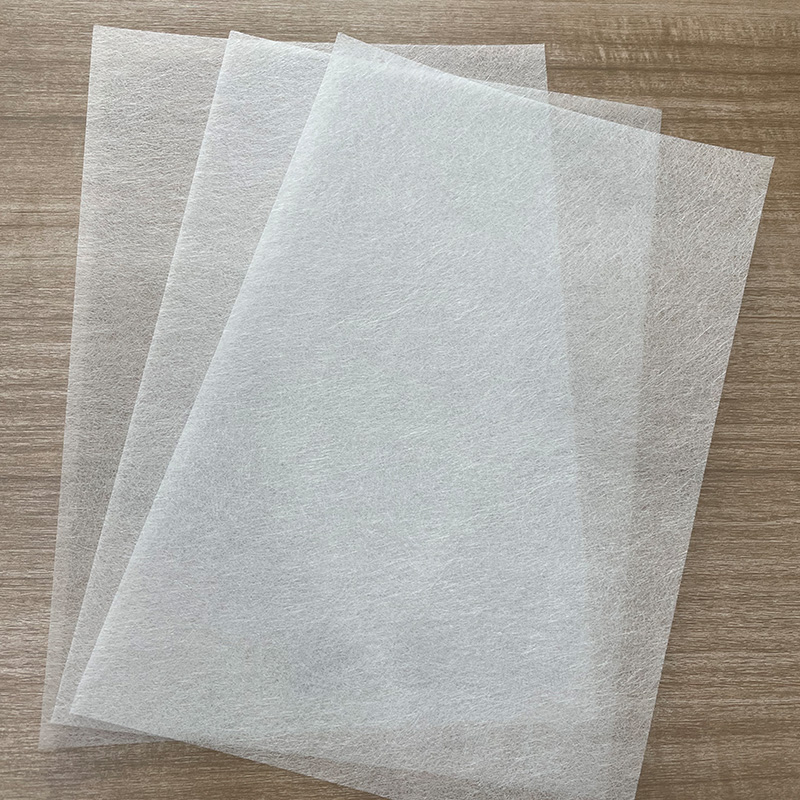
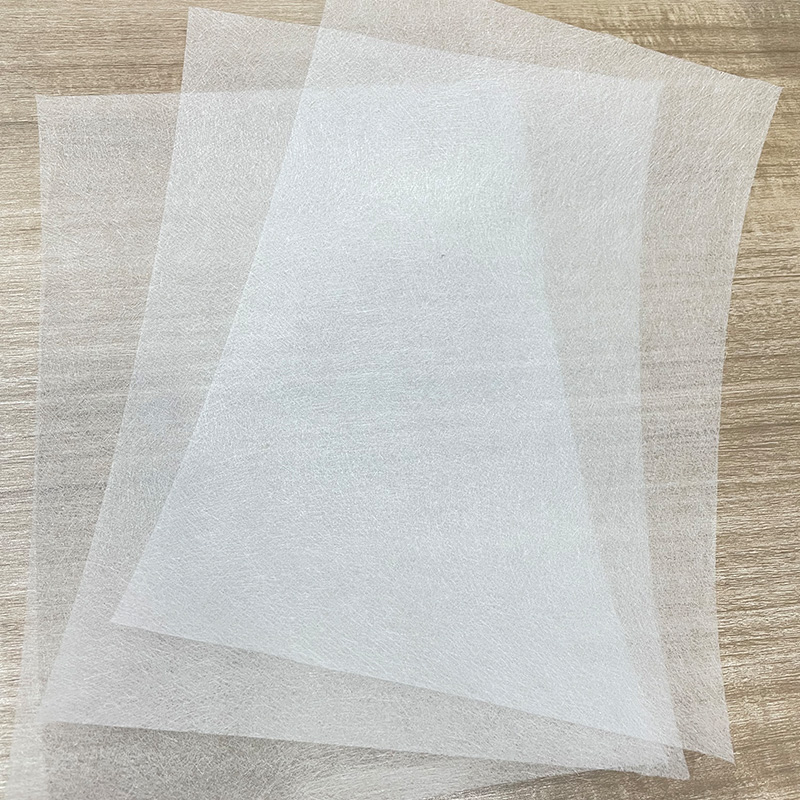
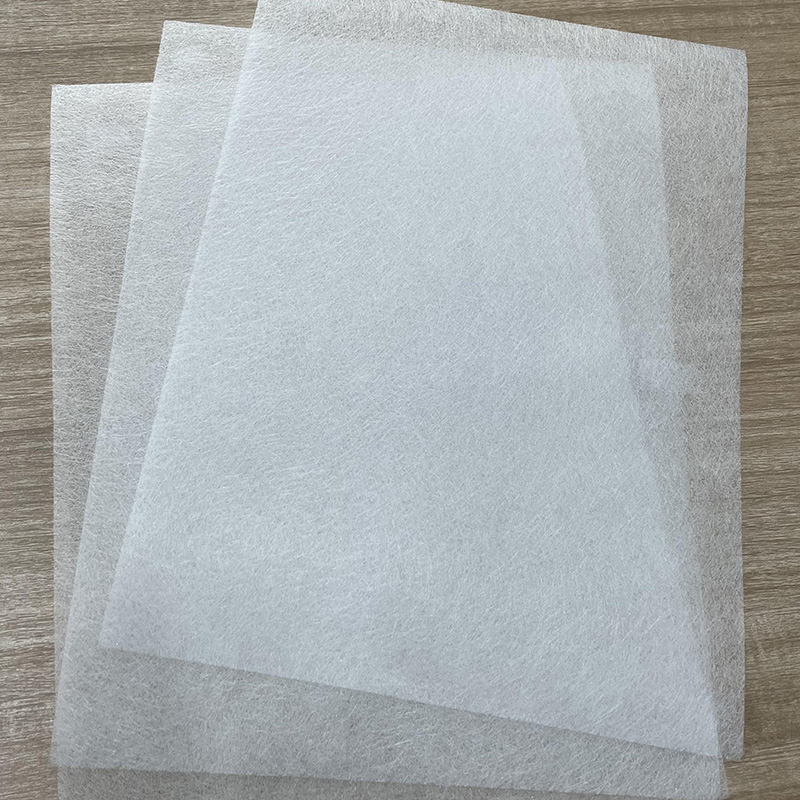
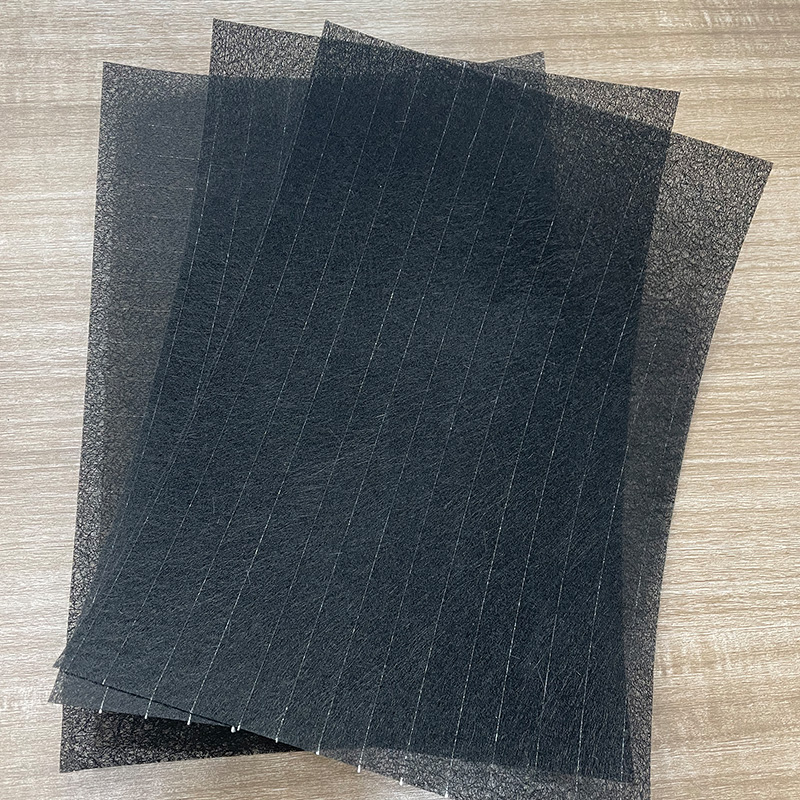
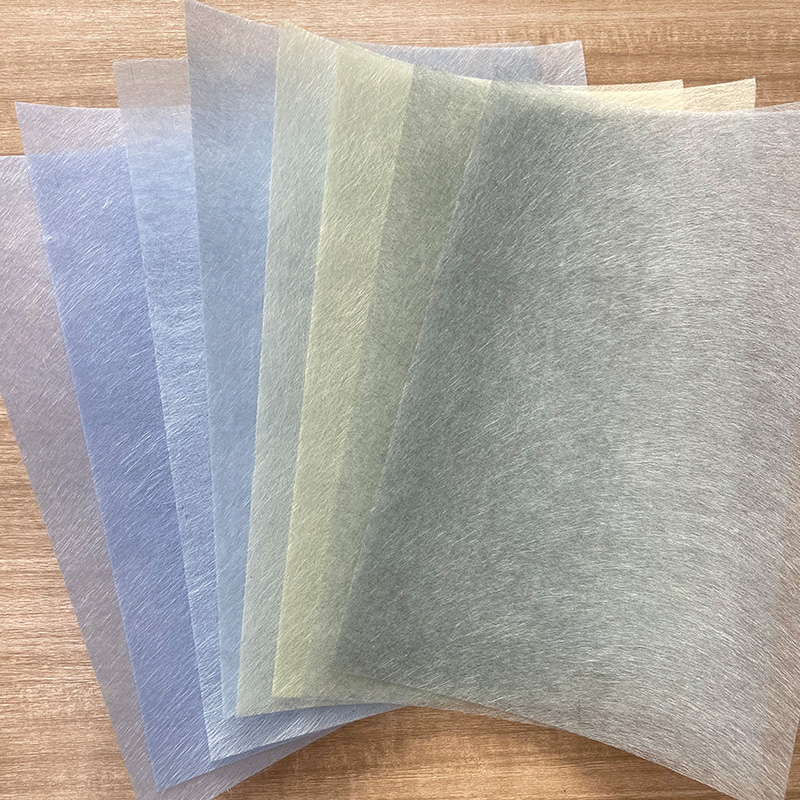
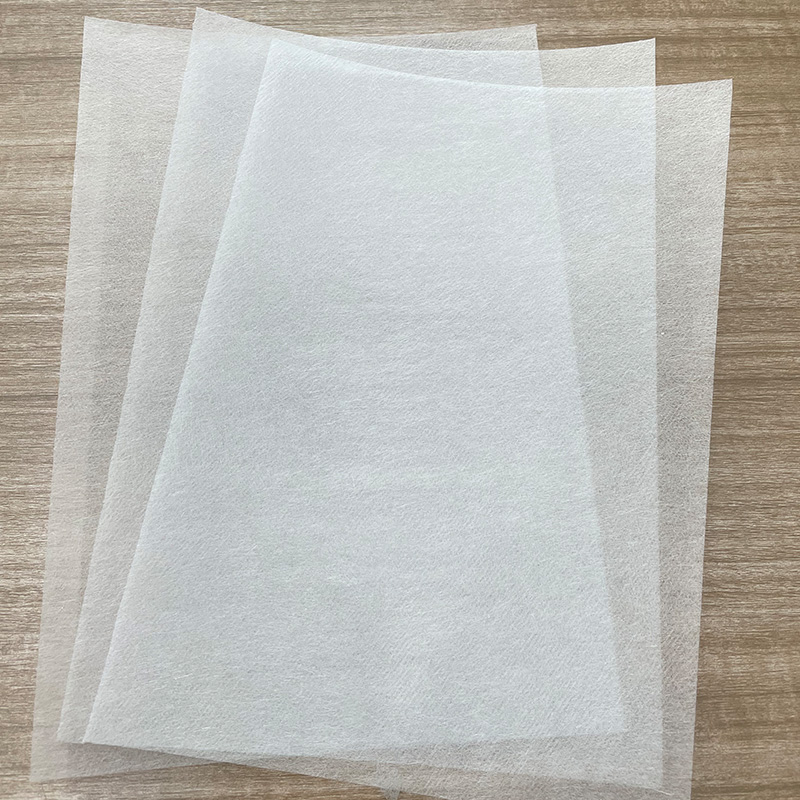
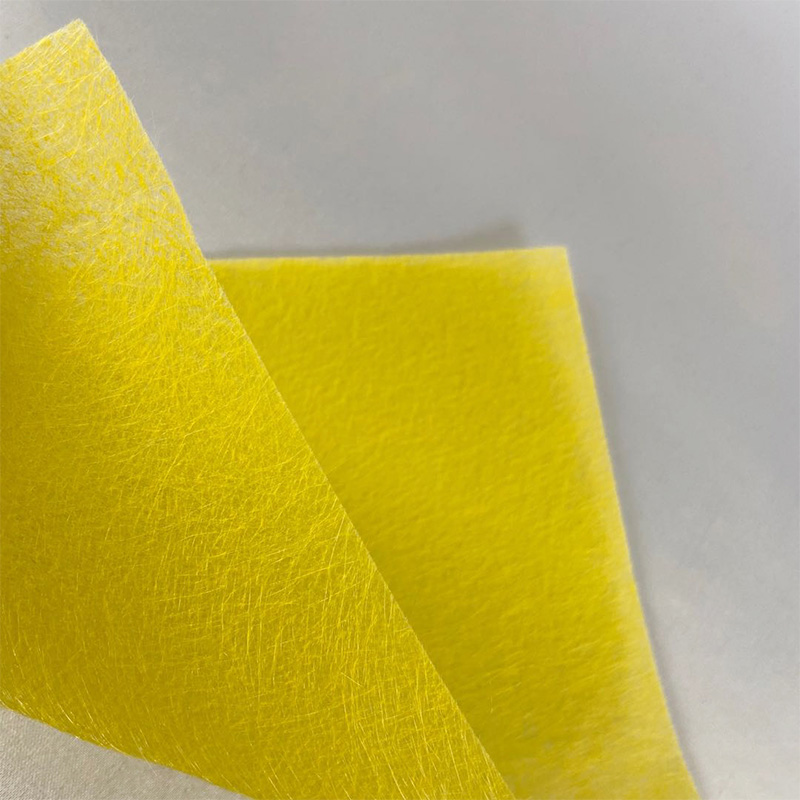
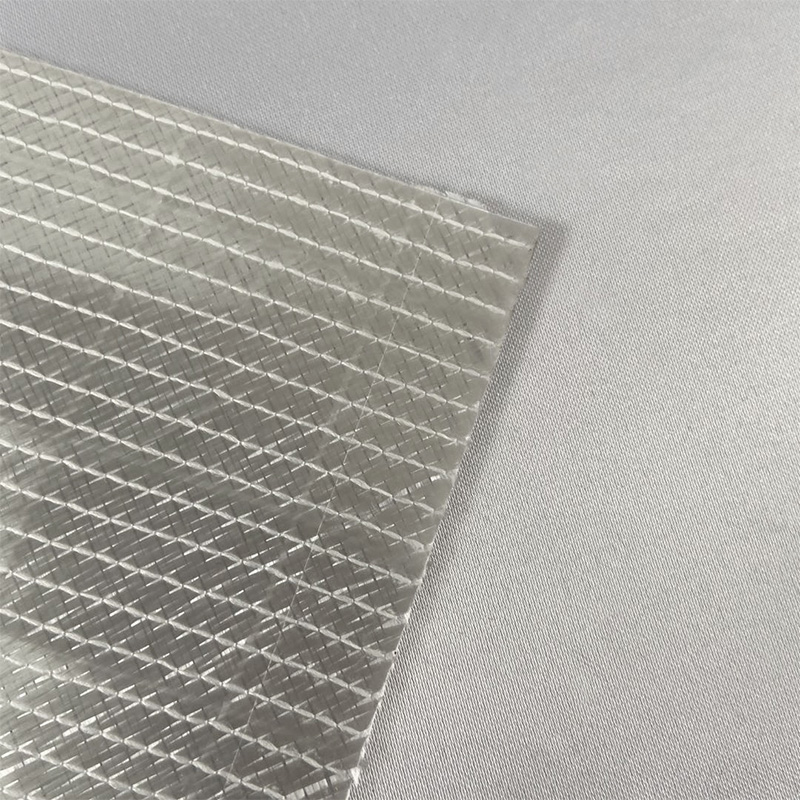
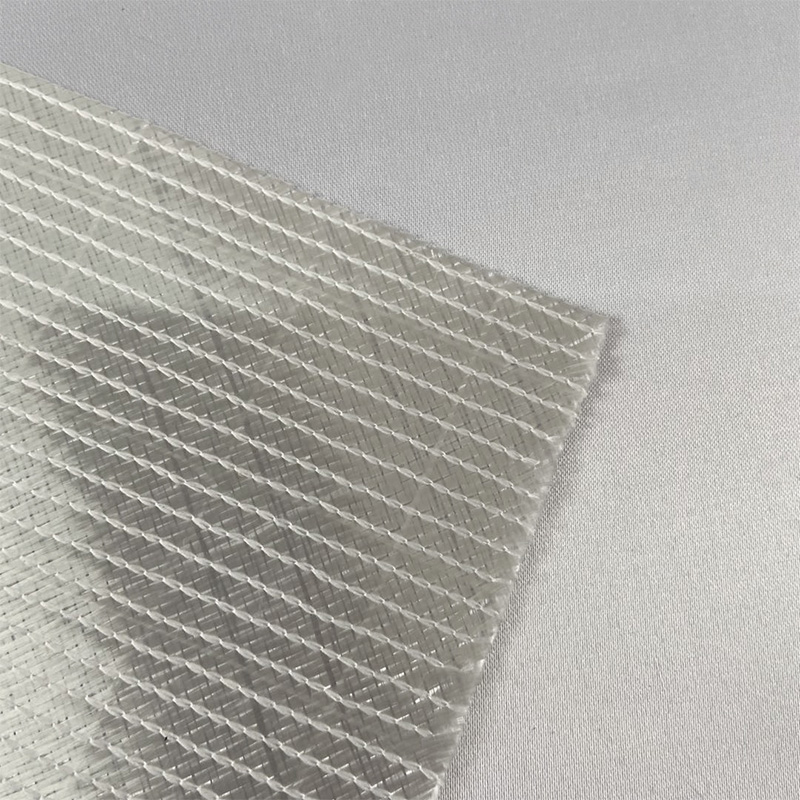
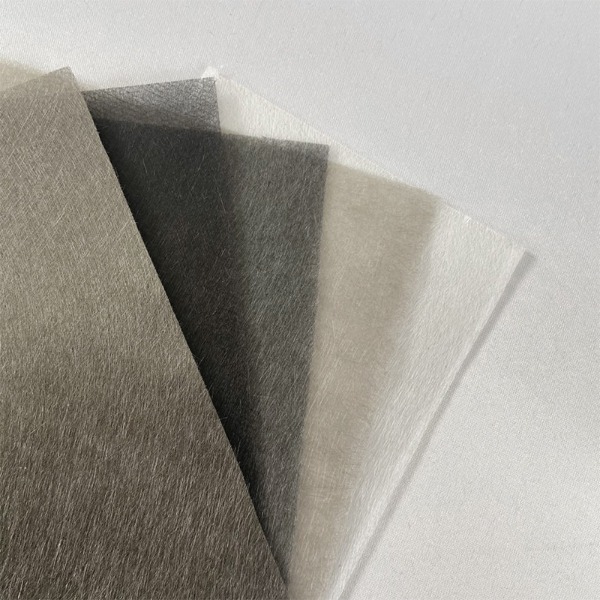
A glass fiber mat is a non-woven fabric made from glass fibers, woven or randomly oriented, and bonded together. It serves as a reinforcement material for composites, providing enhanced mechanical properties. The mat is lightweight yet strong, offering high resistance to stress, corrosion, and impact. Glass fiber mats are used extensively in combination with resins like polyester, epoxy, or vinyl ester to create composite structures.
The composition and structure of glass fiber mats allow them to perform exceptionally well under various conditions, contributing to strength and longevity in composite materials.
The Role of Glass Fiber Mat in Composite Materials
Improved Strength-to-Weight Ratio
One of the primary reasons for incorporating glass fiber mat into composite materials is its ability to provide strength-to-weight ratios. Glass fibers themselves are inherently strong and lightweight, which helps create composites that are both strong and relatively easy to handle. This is especially critical in industries where weight reduction is a major concern, such as in the automotive and aerospace sectors.
Comparison of Strength-to-Weight Ratios
| Material Type | Strength-to-Weight Ratio (MPa/g/cm³) | Typical Applications |
|---|---|---|
| Glass Fiber Mat Composites | 1200–1500 | Aerospace, automotive, marine |
| Carbon Fiber Composites | 2000–2500 | Aerospace, high-performance racing |
| Steel | 200–400 | Construction, heavy machinery |
The addition of glass fiber mat composites to the right resin system enables performance when compared to metals, without the added weight.
Enhanced Durability and Longevity
Glass fiber mats significantly increase the durability of composite materials by enhancing their resistance to environmental factors like UV radiation, moisture, and chemicals. Glass fibers are inherently non-corrosive and non-reactive, which is particularly important for applications exposed to harsh environments such as marine or outdoor conditions.
Durability Comparison in Composite Materials
| Material Type | Resistance to Environmental Factors | Lifespan (years) |
|---|---|---|
| Glass Fiber Mat Composites | Excellent resistance to UV, moisture, and chemicals | 10-30 |
| Wood Composites | Vulnerable to moisture and insects | 5-15 |
| Metal Composites | Prone to rust and corrosion | 5-20 |
Superior Impact Resistance
In addition to improving strength, glass fiber mats also enhance the impact resistance of composite materials. This is essential in industries where materials are subjected to constant mechanical stress, such as in construction or automotive industries. The flexibility and toughness of glass fibers allow composites to withstand sudden impacts and stress without fracturing.
Cost-Effectiveness
Compared to other reinforcement materials like carbon fiber, glass fiber mats offer a more cost-effective solution while still maintaining a high level of performance. This makes it a popular choice for large-scale production where budget considerations are critical but strength and durability cannot be compromised.
Applications of Glass Fiber Mat in Composite Materials
Glass fiber mats are used across various industries for a wide range of applications:
Automotive Industry: Used to manufacture body parts, bumpers, and structural components, glass fiber mat composites help reduce vehicle weight while maintaining or improving safety and durability.
Marine Industry: Glass fiber mats are extensively used in boat hulls and other marine structures due to their resistance to water absorption, corrosion, and impact.
Aerospace: Lightweight composites reinforced with glass fiber mats are used for aircraft components that require both strength and weight reduction.
Construction: Glass fiber mats are utilized in roofing materials, pipes, and structural panels, providing longevity and resistance to external weather conditions.
Why Glass Fiber Mat is Essential for Modern Composites
Customization and Versatility
Glass fiber mats can be engineered to meet specific requirements, such as varying fiber orientation and density. This allows manufacturers to optimize their materials for particular applications, ensuring performance.
High Thermal Stability
Composites reinforced with glass fiber mats offer thermal stability, making them ideal for use in high-temperature environments, such as in engine components or industrial equipment.
Reduction in Resin Consumption
Glass fiber mats help minimize the amount of resin needed to form a composite, thus reducing overall material costs while maintaining high strength.
FAQ
1. What is the difference between woven glass fiber and glass fiber mat?
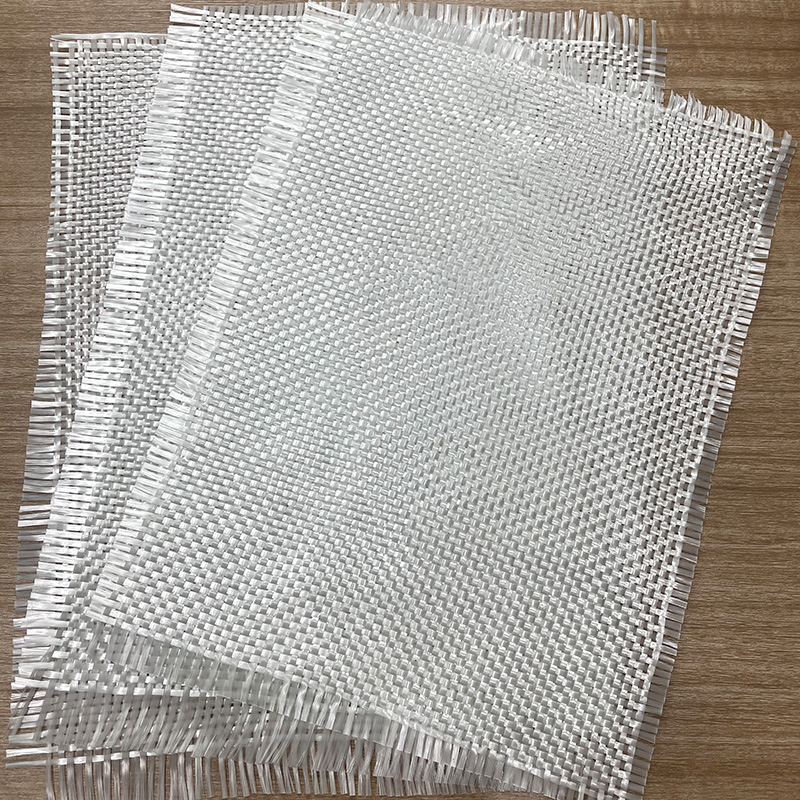
Woven glass fiber consists of interlaced threads of glass, while glass fiber mat is made from randomly arranged fibers. Mat offers more flexibility and is easier to mold, while woven fibers provide higher strength but are less flexible.
2. How does glass fiber mat contribute to composite strength?
Glass fiber mat enhances the composite’s structural integrity by providing reinforcement. The fibers resist tension and shear forces, distributing stress evenly across the material and improving overall strength.
3. Can glass fiber mats be used for outdoor applications?
Yes, glass fiber mats are highly resistant to environmental degradation such as UV rays, moisture, and chemical exposure, making them ideal for outdoor applications.
4. What are the environmental benefits of glass fiber mat composites?
Glass fiber mats are often considered more environmentally friendly than traditional materials like metals and plastics due to their long lifespan and recyclability.
5. What industries benefit from glass fiber mat composites?
Industries such as automotive, aerospace, construction, and marine greatly benefit from glass fiber mat composites due to their strength, durability, and lightweight properties.
Conclusion
The inclusion of glass fiber mat in composite materials provides significant improvements in strength, durability, and overall performance. Its versatility, cost-effectiveness, and ability to withstand harsh environments make it an essential component in various industries, from automotive to aerospace.
 Previous