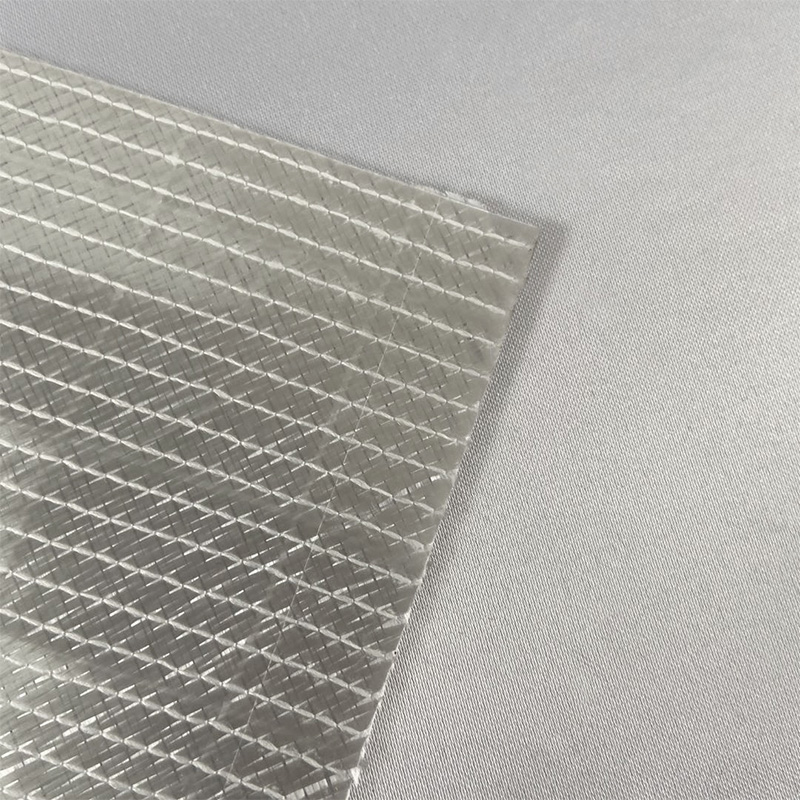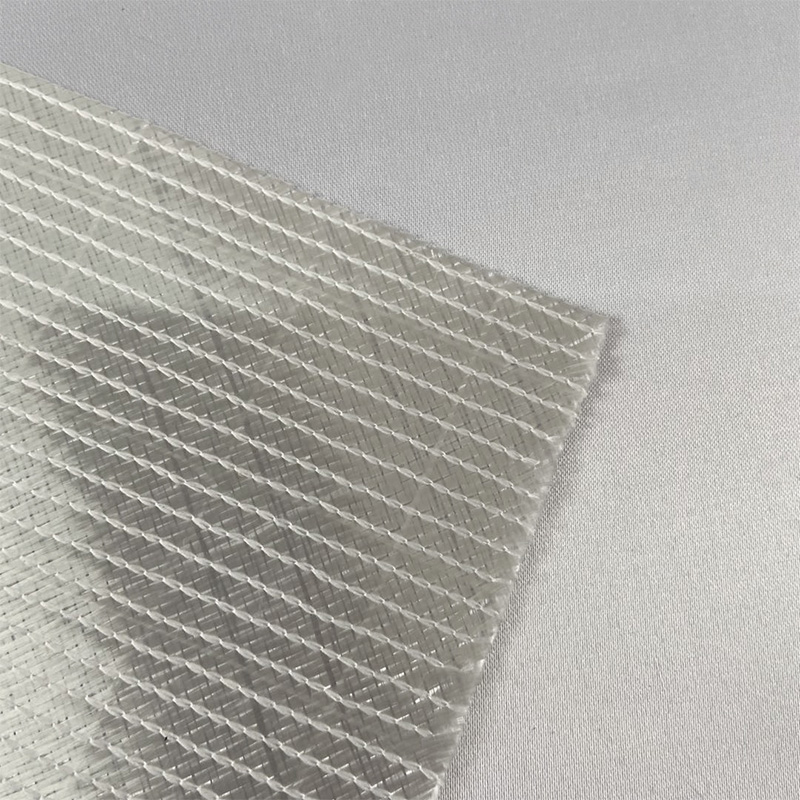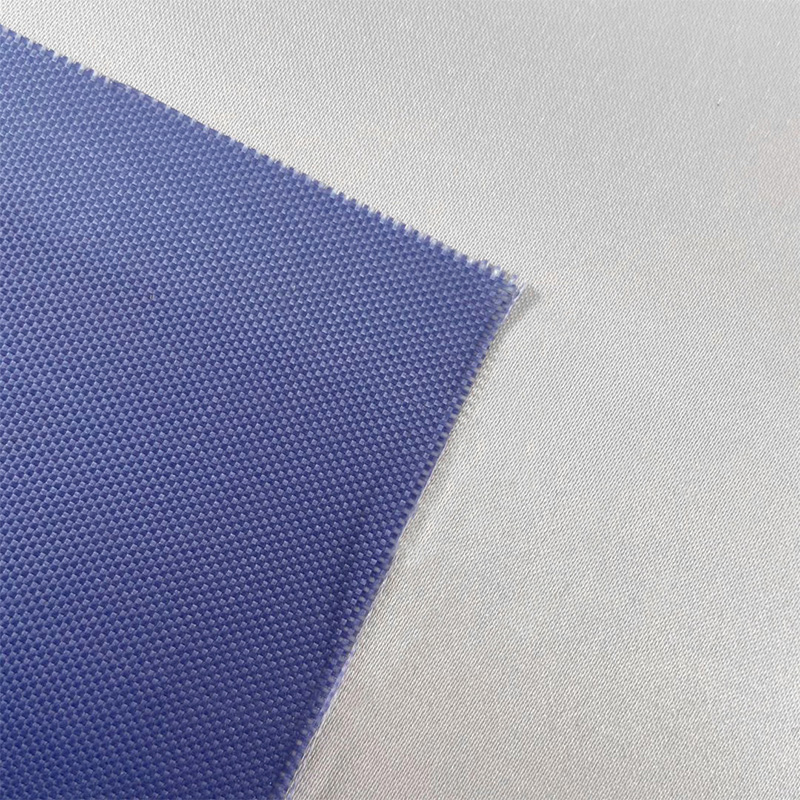

 English
 中文简体
中文简体 русский
 Español
Introduction
Fiberglass surfacing veil has gained significant attention as an essential material in composite manufacturing due to its properties compared to traditional surfacing materials.
What is Fiberglass Surfacing Veil?
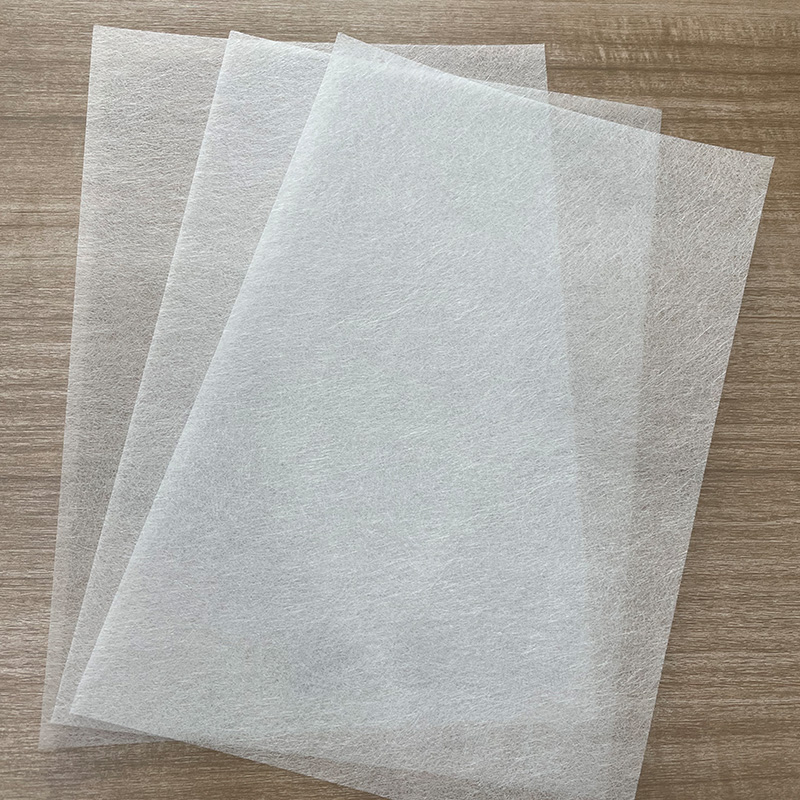
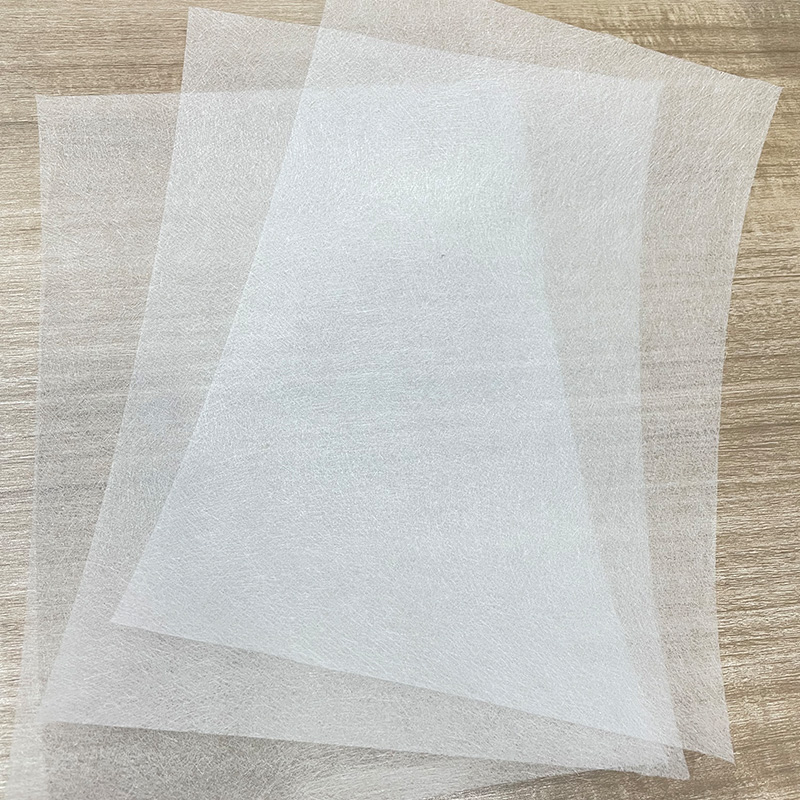
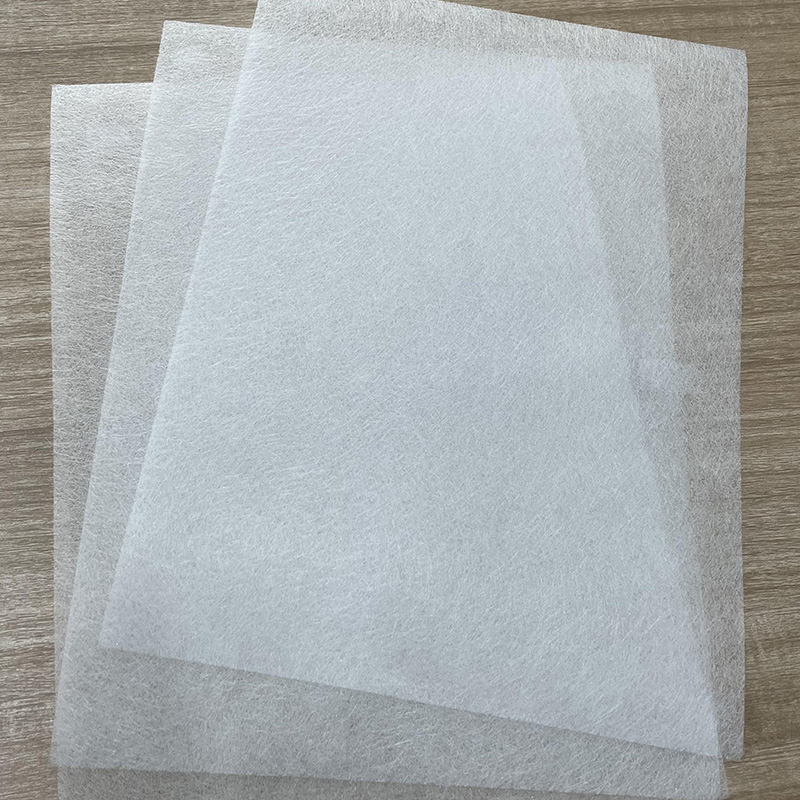
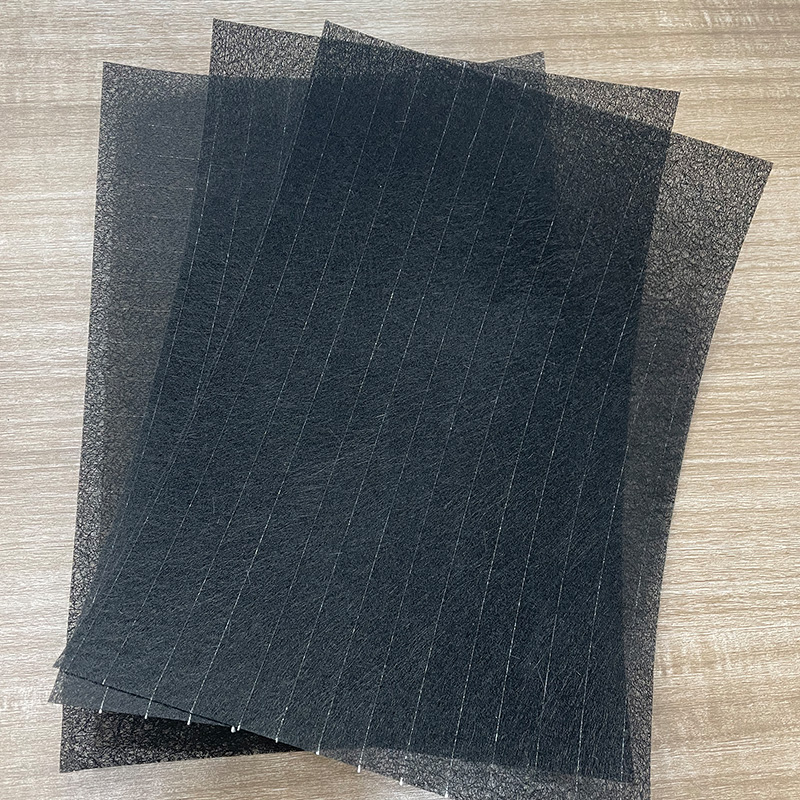
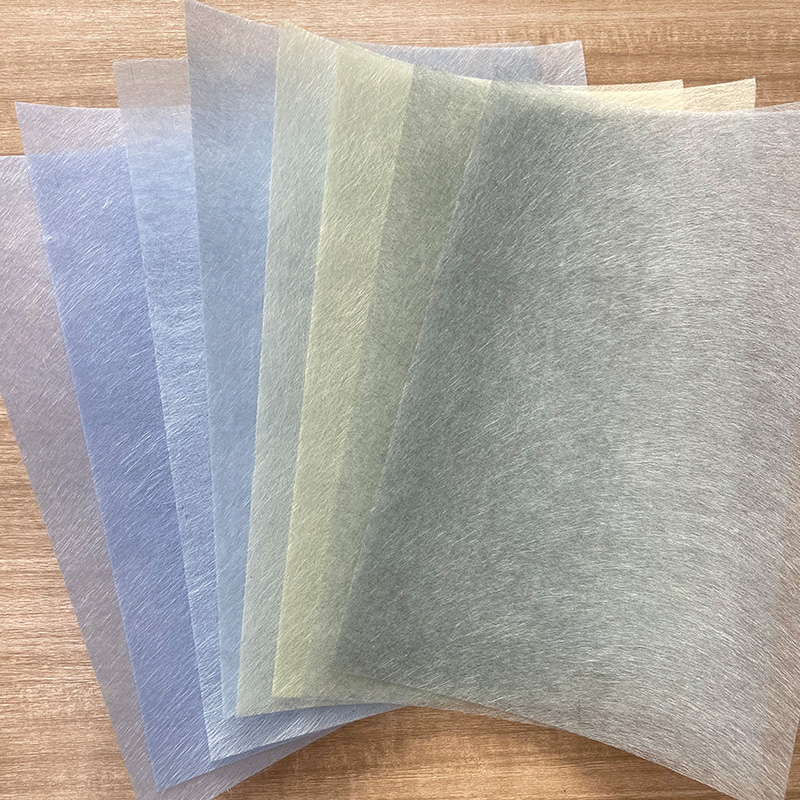
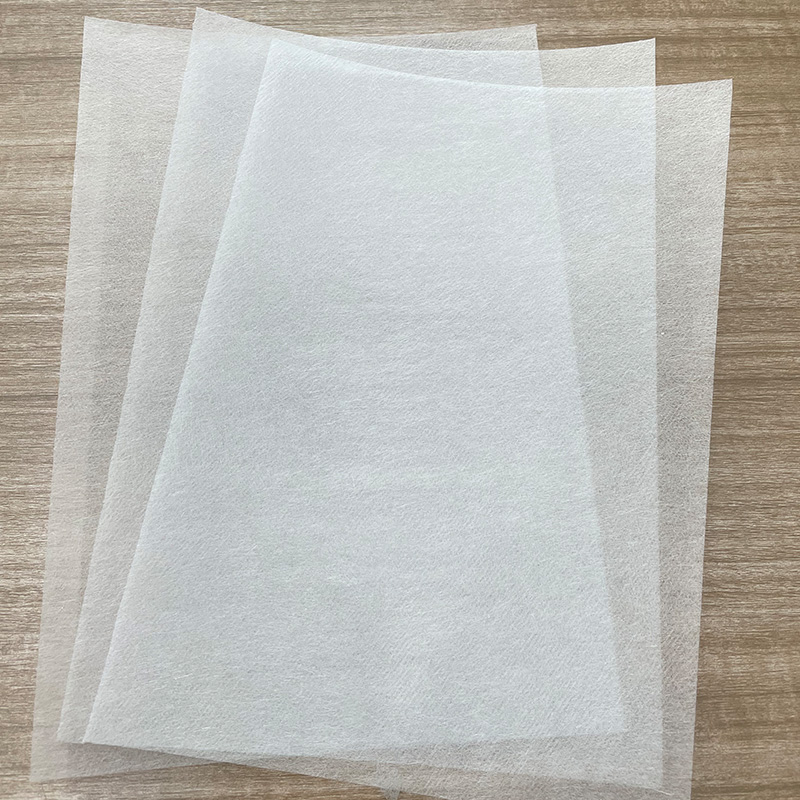
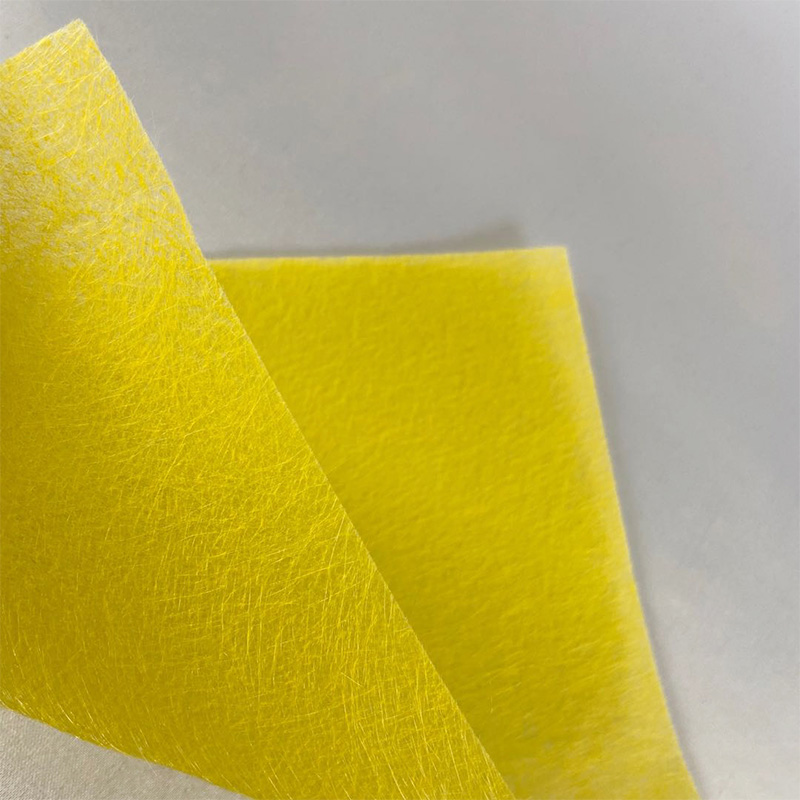
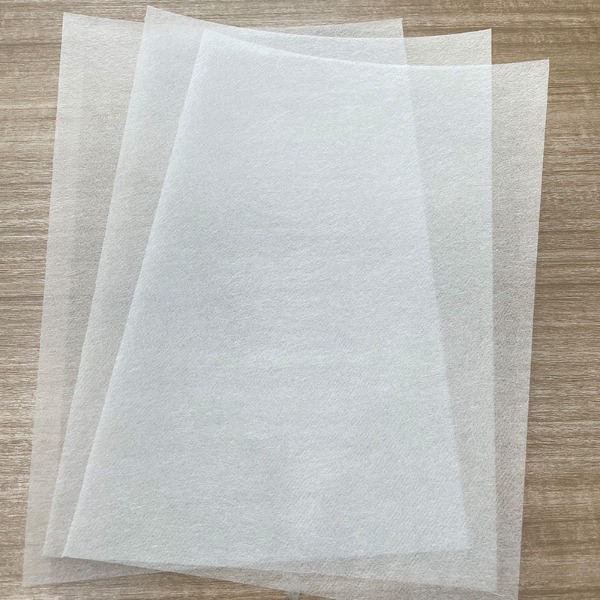
Fiberglass surfacing veil is a thin, nonwoven mat made from chopped glass fibers that are bonded together by a resin. It is produced using a specialized wet-laying process, where short strands of glass fibers are interwoven and bonded with a binder to form a flexible, lightweight veil. This veil can be applied to composites, offering surface protection, reducing the need for additional layers or coatings.
The material is known for its ability to improve the surface finish of composite materials, as well as for its properties like fire retardancy, anti-corrosion, shock resistance, and water resistance. Additionally, fiberglass surfacing veil is commonly used in industries that require high-performance composite products, such as construction, electrical insulation, and automotive sectors.
Fiberglass Surfacing Veil vs. Traditional Surfacing Materials
When comparing fiberglass surfacing veil with traditional surfacing materials like polyester or vinyl ester mats, several clear advantages emerge. Below, we outline the key differences in terms of properties, performance, and applications.
Comparison of Fiberglass Surfacing Veil and Traditional Surfacing Materials
| Property/Characteristic | Fiberglass Surfacing Veil | Traditional Surfacing Materials |
|---|---|---|
| Weight | Lightweight | Heavier |
| Surface Finish | Smooth, clean finish | Requires additional treatments |
| Fire Resistance | Excellent (Class 1) | Moderate to low |
| Corrosion Resistance | High | Varies |
| Water Resistance | Excellent | Moderate |
| Shock Resistance | Superior | Moderate |
| Environmental Impact | Low, recyclable | Varies, non-recyclable |
As the table shows, fiberglass surfacing veil offers characteristics in various areas, particularly with respect to fire resistance, shock resistance, and water resistance.
Key Advantages of Fiberglass Surfacing Veil
a) Enhanced Surface Quality
One of the standout features of fiberglass surfacing veil is its ability to improve the surface quality of composite materials. When applied to a composite surface, the veil forms a smooth, fine finish that enhances the visual appeal of the final product. This is particularly valuable in industries where the aesthetics of the material are paramount, such as in architectural design and automotive manufacturing.
b) Improved Durability and Resistance
Fiberglass surfacing veil significantly enhances the durability of composites by offering resistance to corrosion, water, and UV radiation. Traditional surfacing materials may not provide the same level of protection, which can cause the composite material to degrade over time. Fiberglass surfacing veil’s high resistance to these environmental factors ensures that composite structures maintain their integrity and longevity, even under harsh conditions.
c) Lightweight and Flexible
The lightweight nature of fiberglass surfacing veil makes it ideal for applications where weight is a critical factor. Traditional surfacing materials often add significant weight to the final product, which can be a drawback in industries like aerospace and automotive. Fiberglass tissue mat, however, provides the strength and durability needed without adding unnecessary weight, making it a preferred choice in weight-sensitive applications.
d) Fire and Shock Resistance
Fiberglass surfacing veil is known for its fire retardancy properties, a critical feature in many industrial applications. Unlike traditional materials, fiberglass veils help prevent the spread of flames, contributing to overall safety. In addition, its shock-resistant properties make it ideal for use in environments where impact resistance is a concern, such as in transportation and construction.
e) Cost-Effectiveness
While the initial cost of fiberglass surfacing veil may be higher than that of traditional materials, the long-term benefits often outweigh this initial investment. The durability, resistance to environmental damage, and reduced need for additional treatments or coatings make fiberglass surfacing veil a cost-effective solution in the long run.
Applications of Fiberglass Surfacing Veil
Fiberglass surfacing veils are widely used in a variety of industries. Their versatility makes them suitable for applications in:
- Building & Construction: In building insulation materials, where fire resistance and durability are crucial.
- Electrical Insulation: Fiberglass surfacing veil is used in insulation products to protect electrical components from external damage.
- Automotive: Enhancing the strength and appearance of composite automotive parts.
- Marine: Offering corrosion resistance for marine composites exposed to saltwater.
- Aerospace: Lightweight, strong, and resistant to environmental conditions, making it suitable for aerospace applications.
How Does Fiberglass Tissue Mat Contribute to the Performance of Composites?
Fiberglass tissue mats, which are an integral part of fiberglass surfacing veils, provide an added layer of strength to composite materials. Their ability to resist cracking, moisture, and other external factors makes them invaluable in applications where high-performance and longevity are essential. The versatility and functional characteristics of fiberglass tissue mats make them a preferred option in modern composite manufacturing.
FAQ
1. What is the primary difference between fiberglass surfacing veil and fiberglass tissue mat?
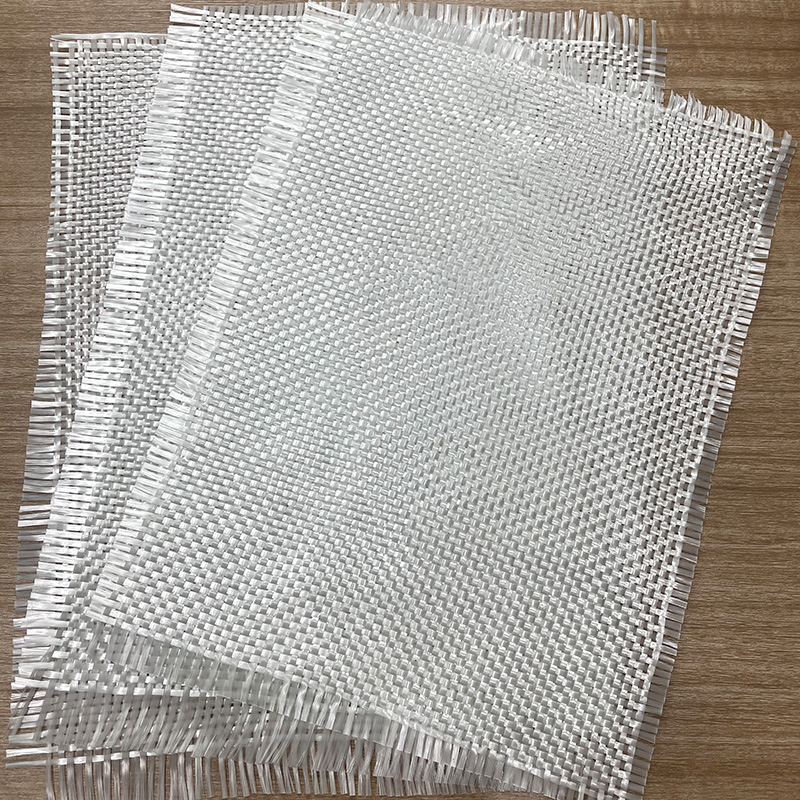
Fiberglass surfacing veil is a thin, nonwoven material designed for surface applications, while fiberglass tissue mat is a thicker, woven mat used to reinforce the structure of composites.
2. Can fiberglass surfacing veil be used in outdoor applications?
Yes, fiberglass surfacing veil is highly resistant to weather conditions, making it suitable for both indoor and outdoor applications, including marine and automotive industries.
3. How does fiberglass surfacing veil improve the fire resistance of composites?
The material has inherent fire-retardant properties, which prevent the spread of flames and provide greater safety in fire-prone environments.
4. Is fiberglass surfacing veil environmentally friendly?
Fiberglass surfacing veil is recyclable, reducing its environmental impact compared to traditional materials that may not be recyclable.
5. What industries benefit from using fiberglass surfacing veil?
Industries such as construction, automotive, aerospace, and marine benefit from the use of fiberglass surfacing veil due to its strength, durability, and resistance to harsh environmental factors.
Conclusion
Fiberglass surfacing veil offers a range of advantages over traditional surfacing materials, from fire resistance to enhanced durability and aesthetic improvements. Its unique properties, including water resistance, shock absorption, and lightweight nature, make it an essential material for various industrial applications. By understanding the key benefits and applications of fiberglass surfacing veil, manufacturers can make informed decisions that enhance the performance, longevity, and safety of their composite products.
 Previous