
 English
 中文简体
中文简体 русский
 Español
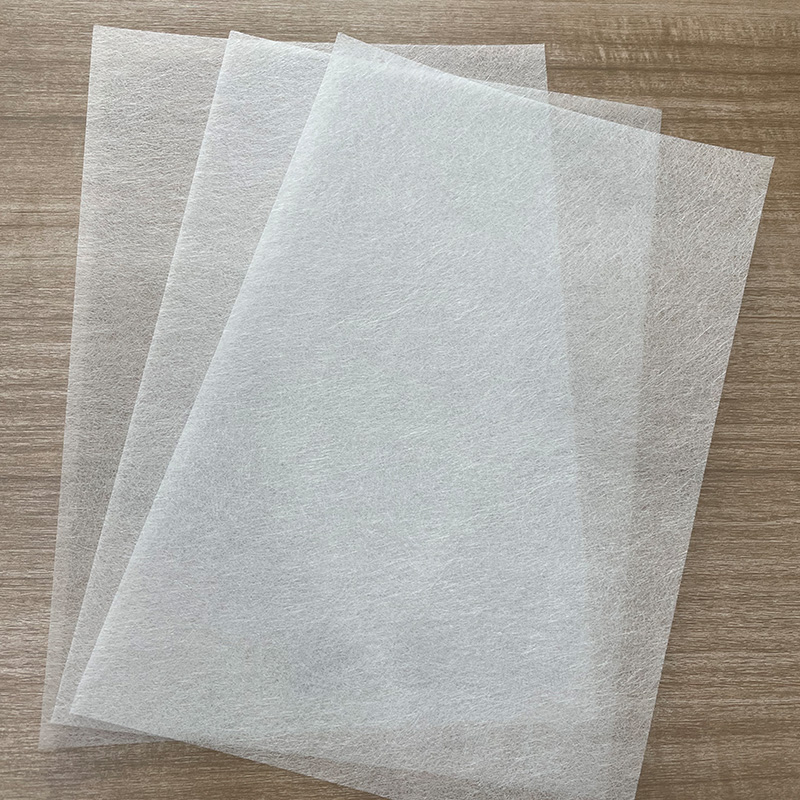
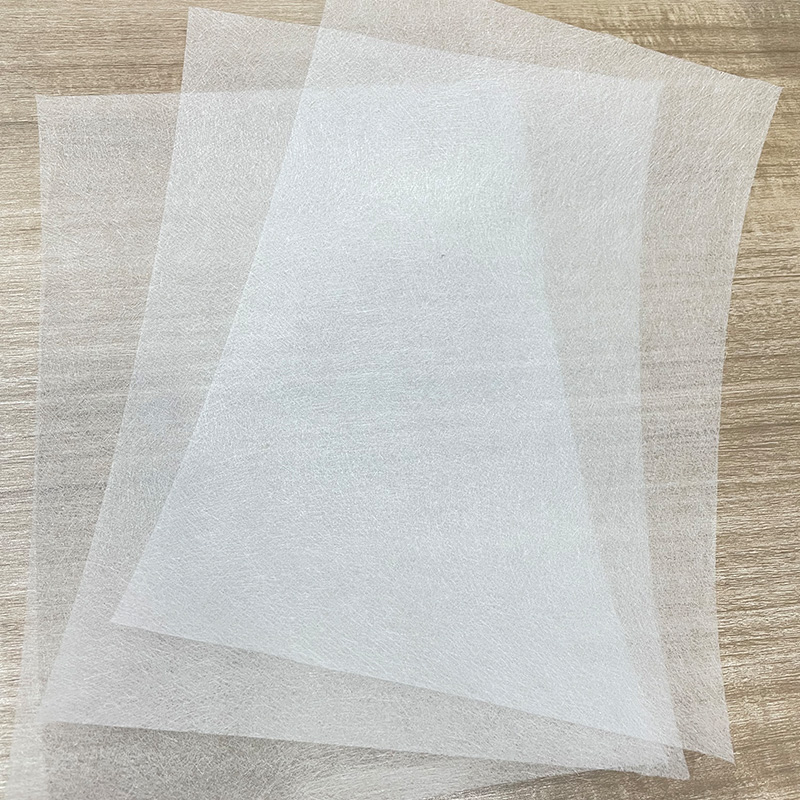
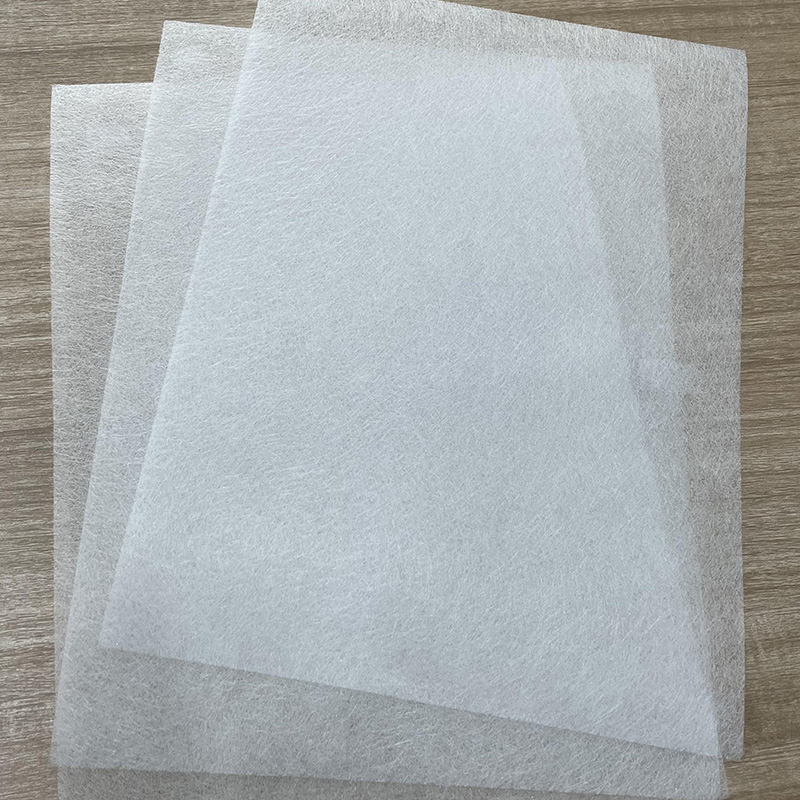
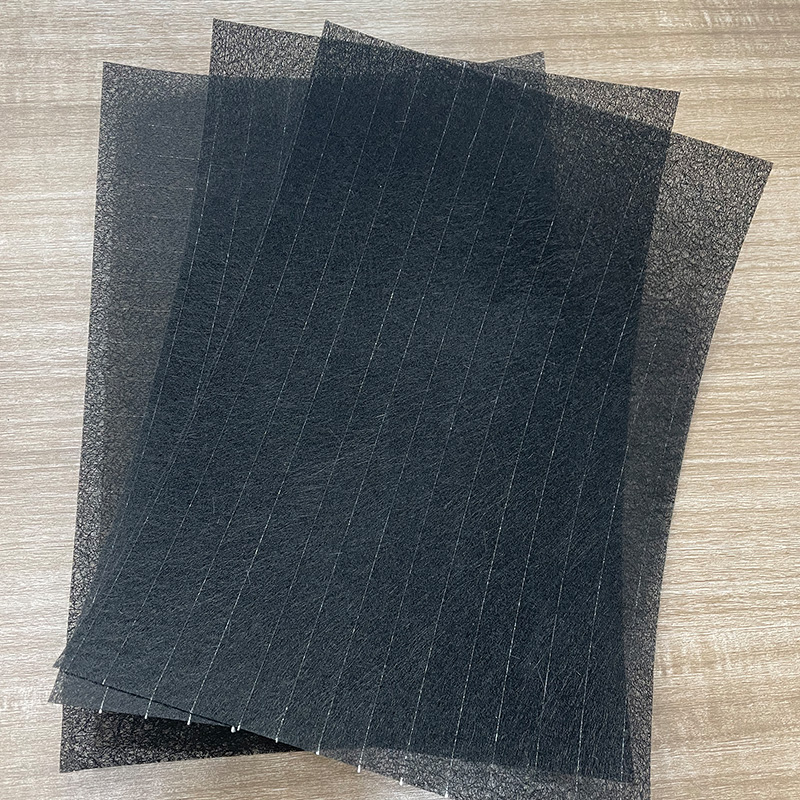
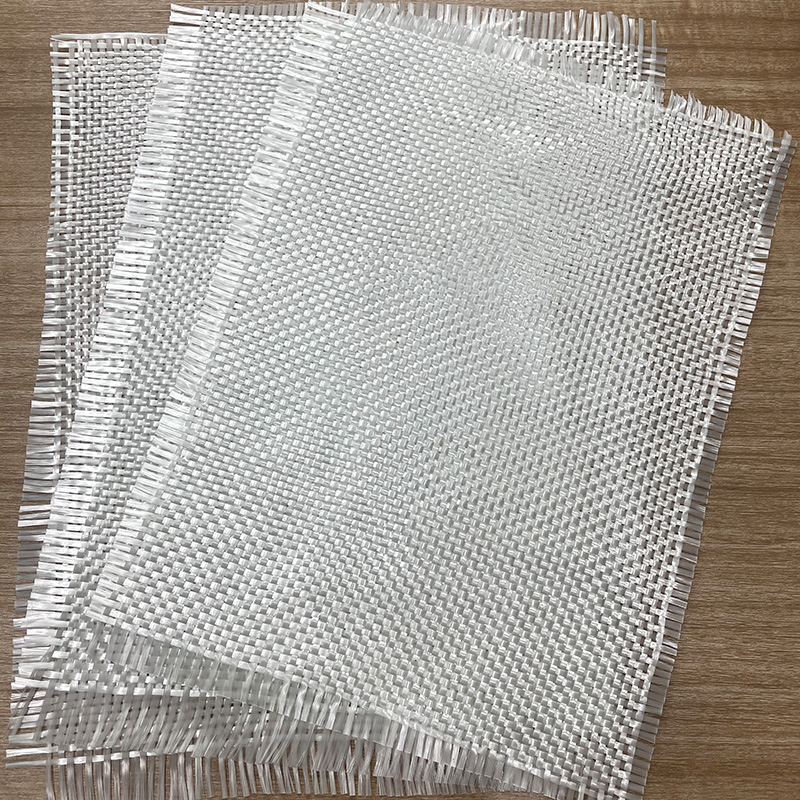
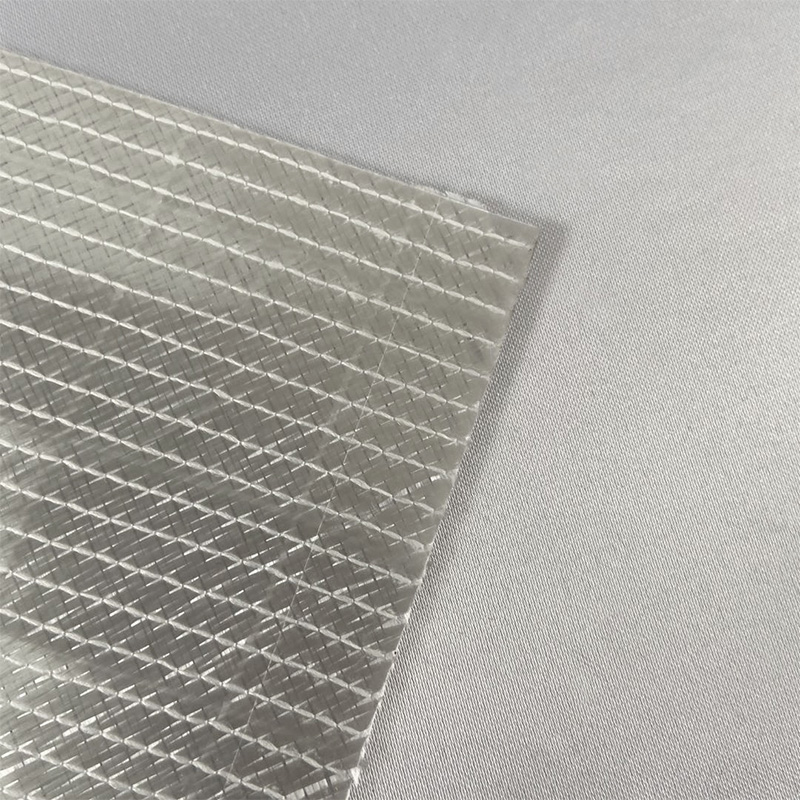
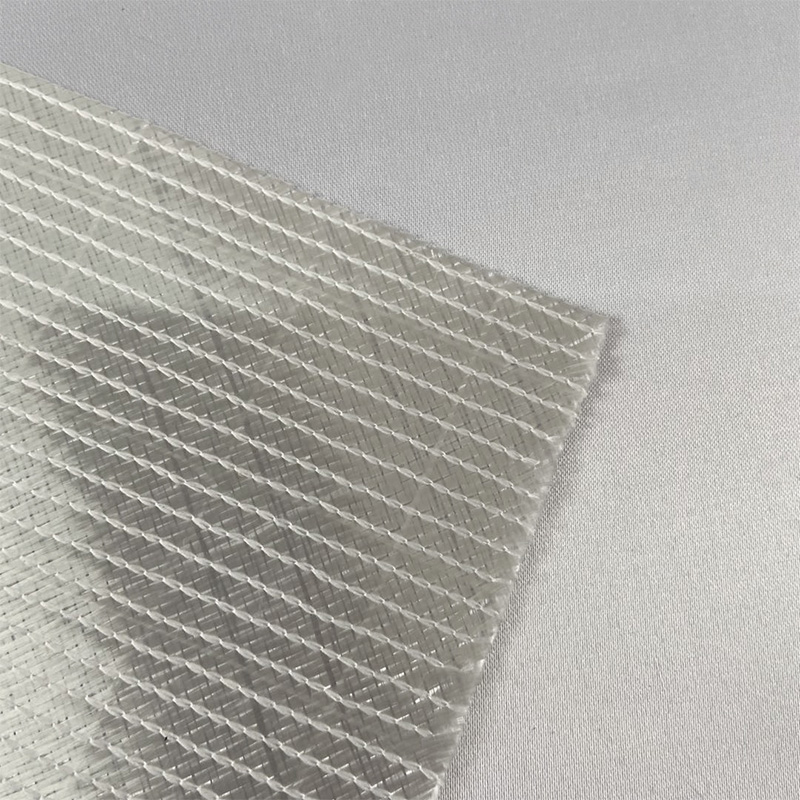
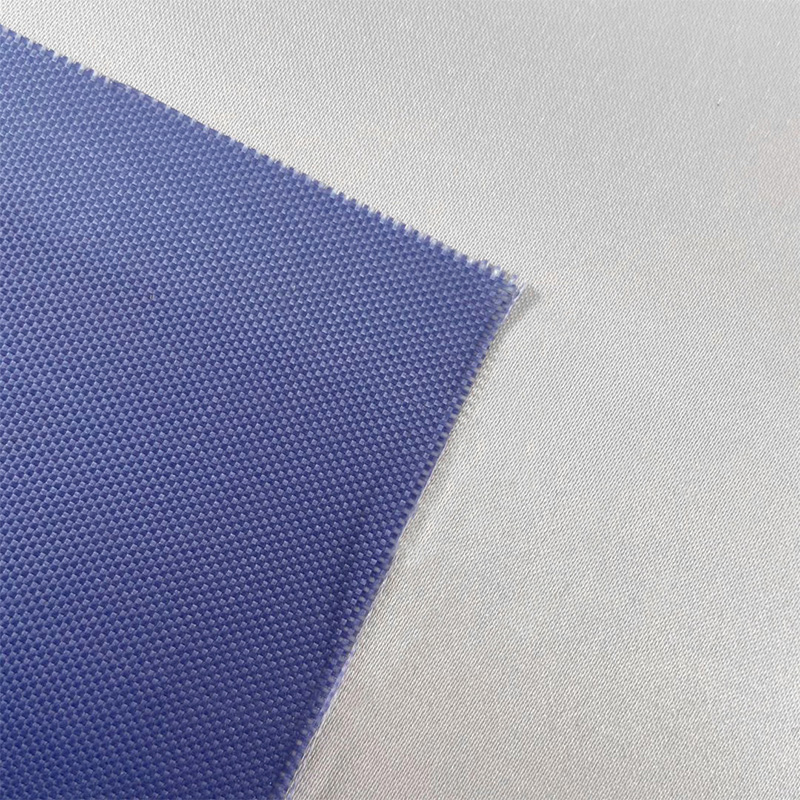
Glass fiber cloth is a woven reinforcement material produced from continuous glass filaments, designed to enhance the strength, durability, and heat resistance of composite products. Available in various weave patterns — plain, twill, and unidirectional — glass fiber cloth provides structural reinforcement for construction, automotive, marine, aerospace, and electrical insulation applications. A high-quality glass fiber cloth delivers excellent tensile strength, chemical resistance, and thermal stability while maintaining lightweight flexibility for complex composite manufacturing.
50–500 gsm weight range
300–600 °C temperature resistance
3 primary weave patterns
Weave patterns and structural performance
The weave pattern of glass fiber cloth determines its mechanical properties, flexibility, and handling characteristics. Plain weave is the most common and economical pattern — each warp fiber passes alternately over and under each weft fiber, creating a balanced, stable fabric with good dimensional stability. Plain weave offers uniform strength in both directions and excellent resin penetration, making it suitable for general-purpose composites. Twill weave features a diagonal pattern where warp fibers pass over two or more weft fibers before going under, creating a more flexible fabric that drapes better over complex curves — ideal for curved composite parts and automotive applications. Unidirectional weave has the majority of fibers oriented in one direction, providing maximum strength in that direction with minimal weight — used for structural reinforcement where loads are primarily in one direction. A glass fiber cloth with twill weave offers 15–20% better drapability than plain weave, improving moulding efficiency for complex shapes.
Plain weave Balanced · Stable · General purpose
Twill weave Flexible · Drapable · Complex shapes
Unidirectional Directional strength · Structural
Fiber types and glass composition
Glass fiber cloth is manufactured from different glass compositions, each optimised for specific performance requirements. E-glass (electrical grade) is the most common and cost-effective, offering good mechanical strength, electrical insulation, and chemical resistance — suitable for most general composite applications. S-glass (high strength) provides 30–40% higher tensile strength than E-glass, with improved heat resistance and fatigue performance — used in aerospace, military, and high-performance applications where weight reduction is critical. C-glass (chemical grade) offers enhanced acid resistance for corrosive environments. R-glass provides superior mechanical properties and is used in demanding structural applications. The fiber diameter typically ranges from 5–24 micrometres, with finer fibers producing smoother fabric surfaces and better resin wet-out. The choice of glass type affects both material cost and performance — S-glass cost approximately 3–5× that of E-glass but delivers significantly higher strength-to-weight ratios.
E-glass Standard · Cost-effective · General
S-glass High strength · Aerospace · 30–40% stronger
C-glass Chemical resistant · Corrosive environments
Surface treatments and resin compatibility
Glass fiber cloth surface treatments are critical for achieving optimal bonding with resin systems. Sizing — the chemical treatment applied during fiber manufacturing — protects fibers during weaving and improves compatibility with specific resin systems. Silane coupling agents are the most common sizing, creating a chemical bridge between the glass surface and the resin matrix. The sizing must match the resin type: epoxy-compatible sizing for epoxy resins, polyester-compatible for polyester resins, and vinyl ester-compatible for vinyl ester systems. Heat-cleaned fabric has the sizing removed for high-temperature applications where the sizing would degrade. Some manufacturers offer fabrics with pre-impregnated resin (prepreg) for automated lay-up processes. The surface finish affects wet-out speed — fabrics with proper sizing achieve complete resin penetration within 2–5 minutes under vacuum, reducing void formation and improving composite quality. Compatibility testing should be performed to ensure optimal adhesion.
Key performance specifications
Selecting the right glass fiber cloth requires understanding critical performance specifications. Fabric weight, measured in grams per square metre (gsm), ranges from 50–500 gsm — lighter fabrics for surface layers and cosmetic finishes, heavier fabrics for structural reinforcement. Tensile strength ranges from 200–1,500 N/50mm depending on glass type and weave pattern. Temperature resistance varies from 300–600°C, with S-glass offering the highest thermal stability. The resin compatibility determines processability and final composite properties. Drapability — the fabric's ability to conform to curved surfaces — is influenced by weave pattern and fiber flexibility. Thickness typically ranges from 0.05–1.0 mm, affecting the final composite part thickness and resin content. The fabric width — commonly 100–200 cm — affects manufacturing efficiency and waste reduction. Roll length, typically 50–200 metres, influences production planning and material handling.
Application environments
◆
Composite manufacturing FRP · Panels · Structural components
◆
Construction Concrete reinforcement · Wall strengthening
◆
Automotive Body panels · Lightweight structures
◆
Electrical insulation Circuit boards · Thermal protection
Selection checklist
Define weave pattern (plain, twill, unidirectional)
Select glass type (E, S, or C-glass)
Specify fabric weight (gsm) for application
Verify resin compatibility and sizing
Confirm temperature resistance requirements
Check width and roll length for production
Storage and handling
Proper storage and handling of glass fiber cloth preserves its performance and prevents contamination. The fabric should be stored in a dry environment with humidity below 60 percent — moisture absorption can affect resin compatibility and composite quality. Rolls should be stored horizontally on clean, dry surfaces, with protection from dust and physical damage. Avoid storing in direct sunlight or high temperatures, which can degrade the sizing and affect fabric performance. When handling, use clean gloves to prevent oil or dirt contamination that could affect resin bonding. The fabric should be inspected before use for any signs of damage, contamination, or moisture. Rolls should be used in order of receipt to ensure freshness — sizing effectiveness can degrade over time, with typical shelf life of 12–24 months under proper storage conditions. For critical applications, fabric should be conditioned in the production environment for 24 hours before use.
Final guidance: Select glass fiber cloth by matching weave pattern to part geometry — plain weave for flat panels, twill weave for curved surfaces, unidirectional for directional loads. Choose E-glass for general applications, S-glass for high-strength requirements, and C-glass for corrosive environments. Verify resin compatibility through sizing selection and test bonding performance. A well-chosen glass fiber cloth delivers reliable reinforcement, consistent composite quality, and cost-effective manufacturing.