
 English
 中文简体
中文简体 русский
 Español
◈
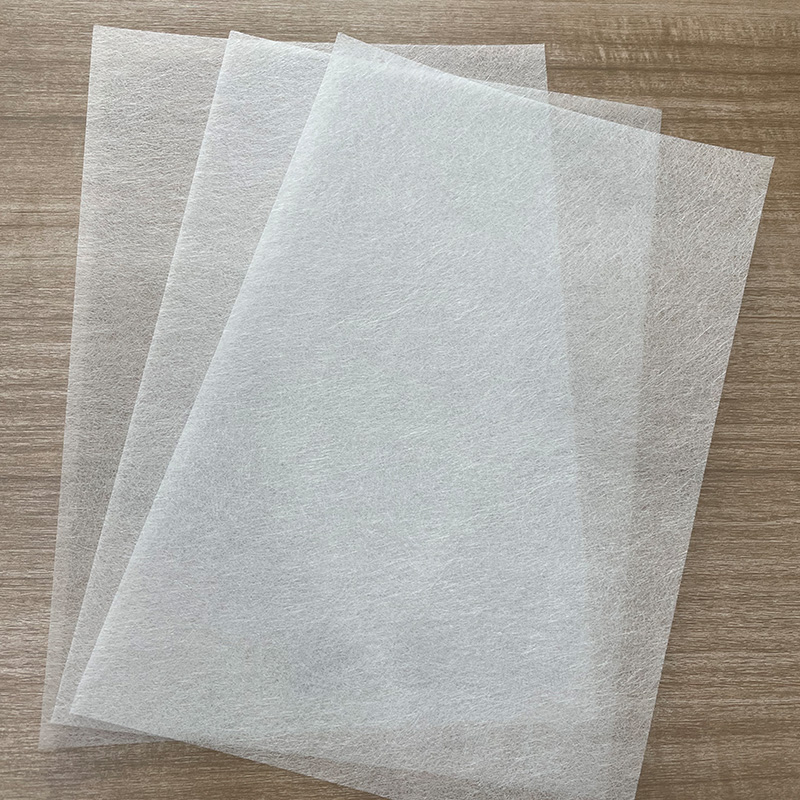
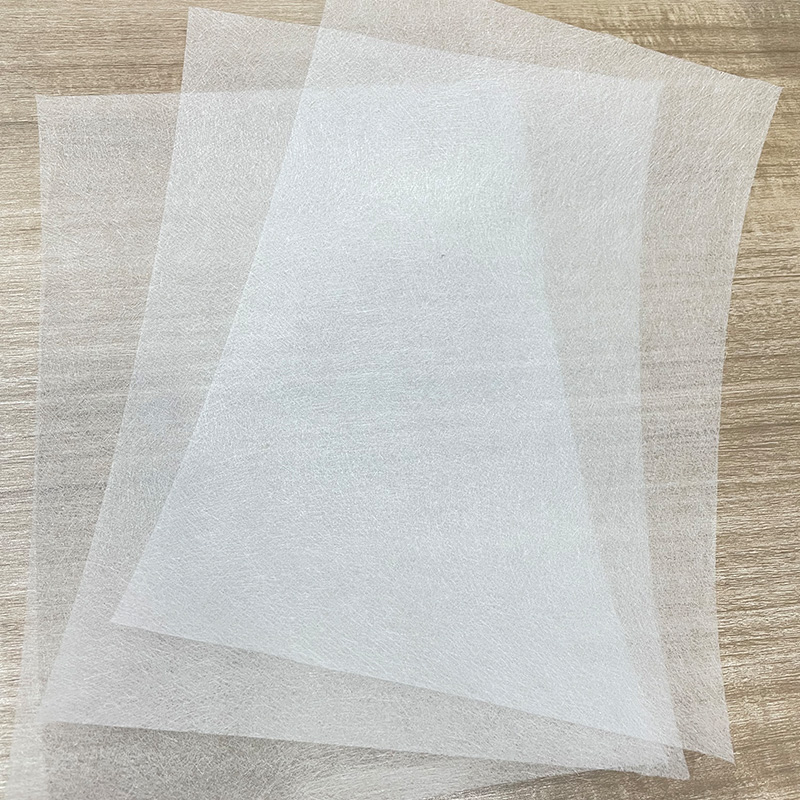
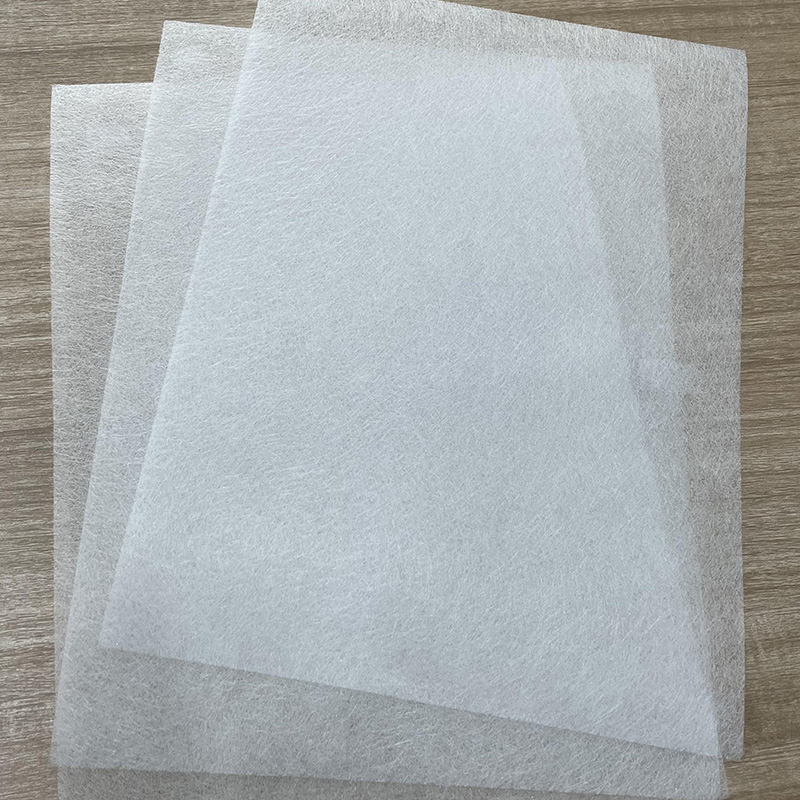
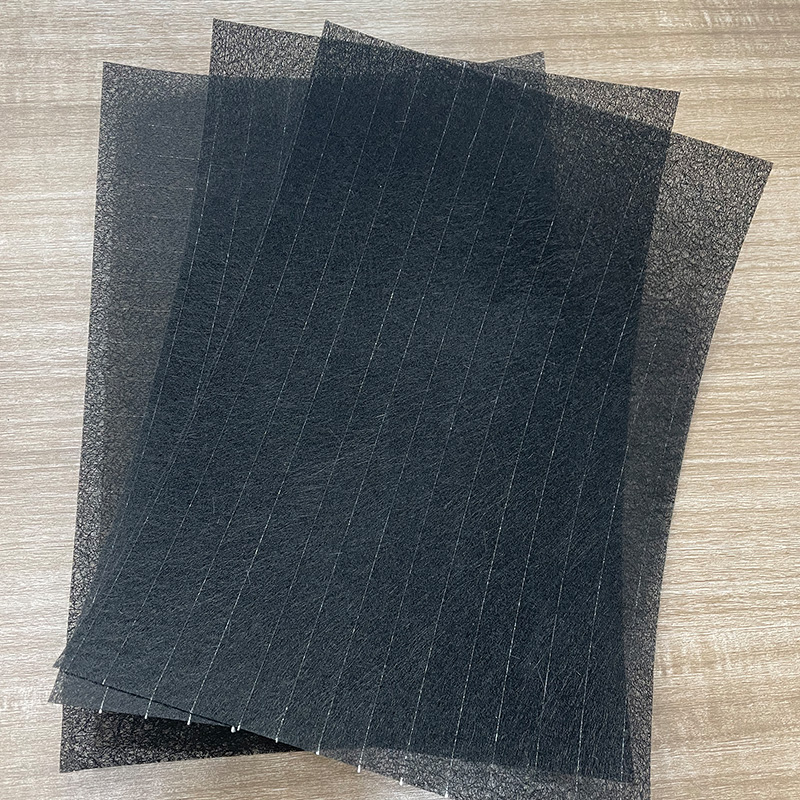
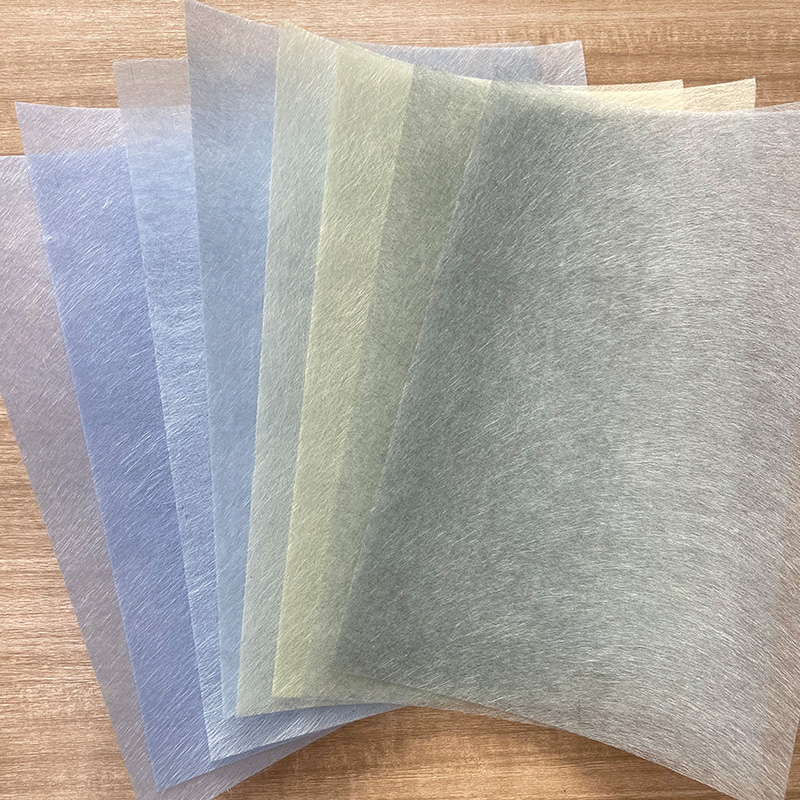
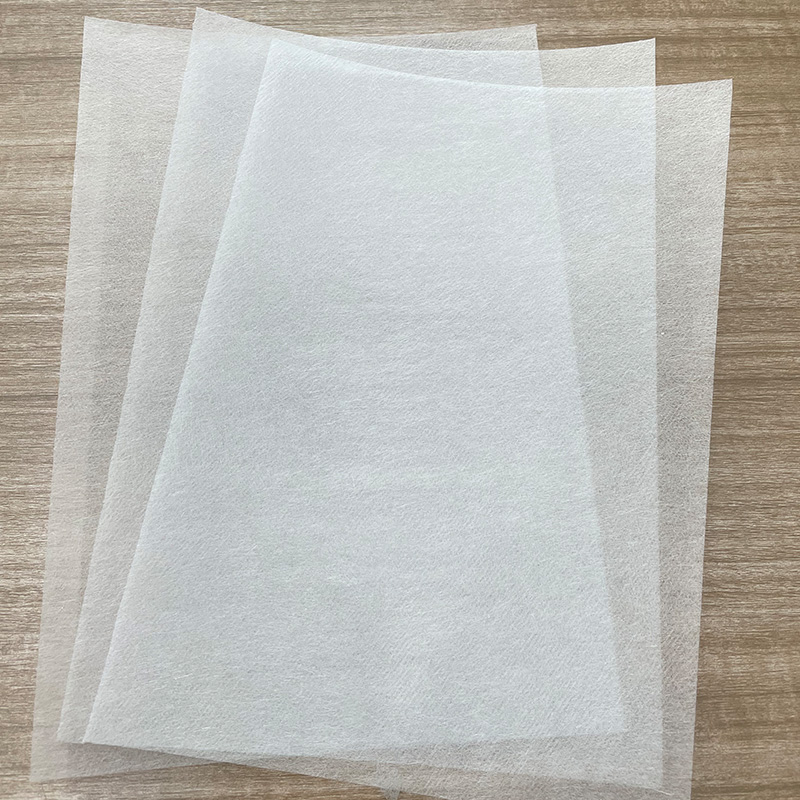
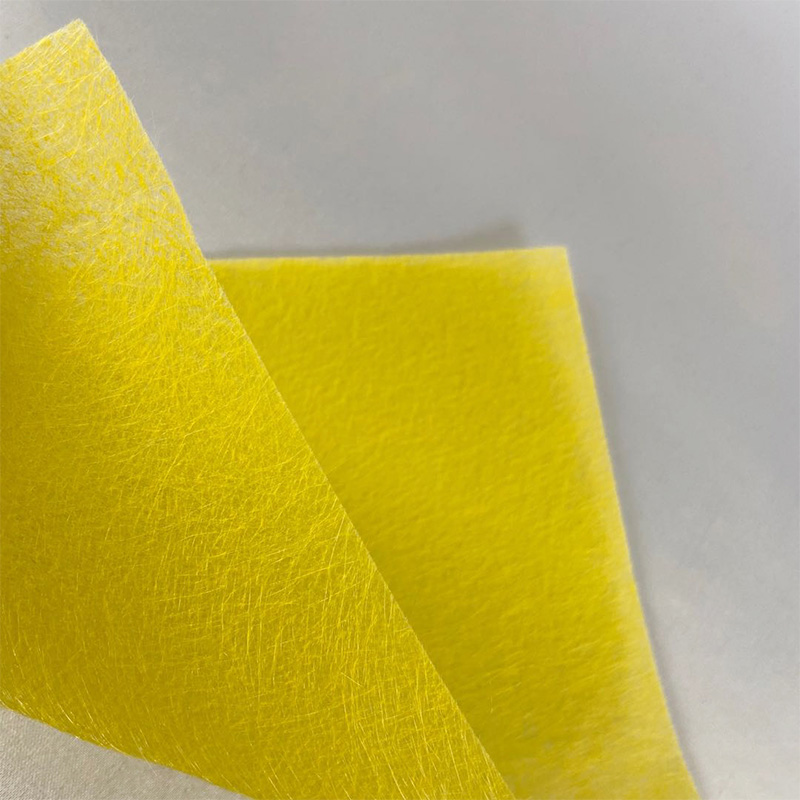
Core principles Selecting a fiberglass veil mat involves understanding the relationship between veil weight, resin-rich layer formation, and corrosion protection. The veil creates a resin-rich surface that acts as a barrier against moisture, chemicals, and UV degradation. Critical selection parameters include weight (g/m²), binder compatibility (emulsion vs powder), and fiber diameter (9–13 µm). Each parameter directly impacts surface quality, durability, and production efficiency.
0.10–0.55 mm resin-rich layer thickness
4–12% binder content range
85–97% surface coverage efficiency
◈ ◈ ◈
Resin-rich layer: the protective barrier
The primary function of a fiberglass veil mat is to create a resin-rich surface layer that protects the underlying composite reinforcement. This layer serves as the first line of defense against environmental attack. The thickness of this layer is directly proportional to veil weight: an 18 g/m² veil yields a 0.10 mm resin-rich layer suitable for decorative applications; a 40 g/m² veil produces 0.25 mm for corrosion protection; and a 80 g/m² veil delivers 0.50 mm for heavy-duty industrial service. The resin-rich layer also conceals the pattern of the structural reinforcement, preventing 'print-through' where the underlying fiber pattern becomes visible on the surface — a common quality issue in FRP products.
18–30 g/m²
0.10–0.18 mm Decorative finish
30–50 g/m²
0.18–0.30 mm Corrosion protection
50–100 g/m²
0.30–0.55 mm Industrial / marine
◈ ◈ ◈
Binder selection and wet-out dynamics
Binder choice determines how effectively the veil mat integrates with the resin system during lamination. Emulsion binders are water-soluble and dissolve rapidly when exposed to styrene-containing resins, releasing individual fibers for complete wet-out. This dissolution typically occurs within 2–5 minutes, enabling fast production cycles. Powder binders are thermoplastic polymers that remain intact during resin application, providing superior handling strength and dimensional stability. They are essential for epoxy systems where styrene is not present. The binder content affects both handling characteristics and wet-out speed: 4–6% binder content provides fast dissolution but reduced handling strength; 8–12% binder content offers excellent handling but slower wet-out. The optimal binder content balances production requirements against handling needs.
Emulsion Water-soluble · Dissolves in styrene Fast wet-out · 2–5 minutes Polyester / vinyl ester
Powder Thermoplastic · Remains intact Superior handling · Epoxy compatible Epoxy / premium
◈ ◈ ◈
Fiber diameter and surface coverage
Fiber diameter is measured in microns (µm) and directly affects surface coverage efficiency. Finer fibers provide more complete coverage of the underlying reinforcement, reducing the visibility of structural fiber patterns. A veil mat with 9 µm fibers achieves 97% surface coverage at 30 g/m², meaning only 3% of the surface area lacks fiber coverage. At 13 µm, coverage drops to 92% under the same weight. This difference becomes visible in the final product: finer fibers produce a smoother, more uniform surface with superior paintability. For applications where appearance is critical — architectural panels, automotive parts, consumer goods — specify 9–11 µm fibers. For industrial applications where function outweighs appearance, 11–13 µm fibers provide adequate coverage at lower cost.
9–11 µm 97% coverage Premium surface · No print-through
11–13 µm 92–95% coverage Standard · Acceptable finish
13–15 µm 85–90% coverage Industrial · May show pattern
◈ ◈ ◈
Resin compatibility by system
Each resin system interacts differently with veil mat binders and fibers. Polyester resin, the most widely used FRP resin, works effectively with both emulsion and powder binders. Emulsion binder dissolves rapidly in polyester's styrene content, achieving full wet-out in 2–4 minutes. Vinyl ester resin, chosen for corrosion resistance, behaves similarly but requires slightly longer wet-out time (3–6 minutes) due to higher viscosity. Epoxy resin, used in high-performance composites, contains no styrene and therefore requires powder binder. Some manufacturers offer epoxy-specific powder binders with optimised chemistry for faster wet-out and improved adhesion. Always test compatibility with your specific resin formulation before production.
Polyester Emulsion · Powder Wet-out: 2–4 min General FRP · Panels
Vinyl ester Emulsion · Powder Wet-out: 3–6 min Corrosion · Tanks · Pipes
Epoxy Powder only Wet-out: 5–10 min High performance · Aerospace
◈ ◈ ◈
Application specification guide
Matching veil mat specifications to application requirements ensures optimal performance and cost efficiency.
Chemical storage tanks 40–60 g/m² · Emulsion · 11–13 µm · Vinyl ester compatible
FRP piping systems 30–50 g/m² · Emulsion · 11–13 µm · Corrosion grade
Architectural panels 18–30 g/m² · Powder · 9–11 µm · Premium finish
Marine hulls & decks 40–60 g/m² · Powder · 9–11 µm · Water-resistant
◈ ◈ ◈
Supplier qualification requirements
Before finalising your fiberglass veil mat specification, verify these quality parameters:
Weight tolerance: ±5% of nominal g/m²
Binder content: specified percentage ±1%
Fiber diameter: within ±0.5 µm of specification
Wet-out test with your resin at 25°C
Moisture content: less than 1% by weight
Tensile strength: minimum 15 N/50mm (MD)
◈ ◈ ◈
Production process integration
The veil mat must be compatible with your production process. Hand lay-up operations benefit from emulsion binder veils that wet-out quickly without requiring mechanical agitation. Spray-up processes require powder binder veils that maintain integrity during the spray application. Filament winding applications use veils with high tensile strength to survive the winding tension. Automated processes may require precise width tolerance (±3 mm) and consistent roll lengths. Discuss your production method with the supplier to ensure the veil mat is optimised for your specific process conditions.
Final guidance: Select a fiberglass veil mat by first determining the required resin-rich layer thickness (weight), then matching binder type to your resin system, and finally selecting fiber diameter based on surface finish requirements. Verify supplier quality data including weight tolerance, wet-out performance, and moisture content to ensure consistent production outcomes.