
 English
 中文简体
中文简体 русский
 Español
The Direct Answer: Start with Your Resin and Surface Goal
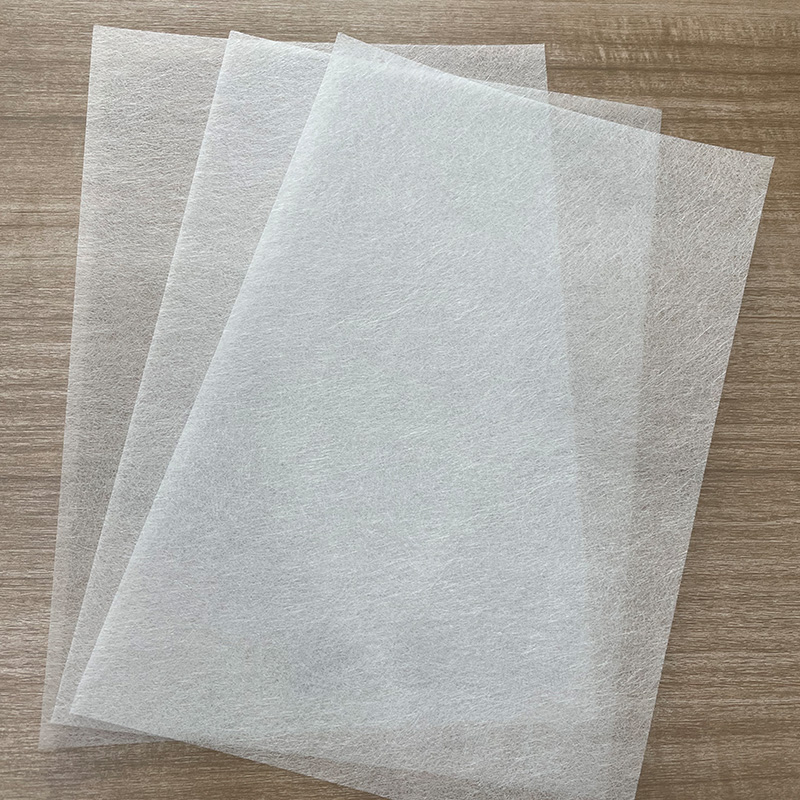
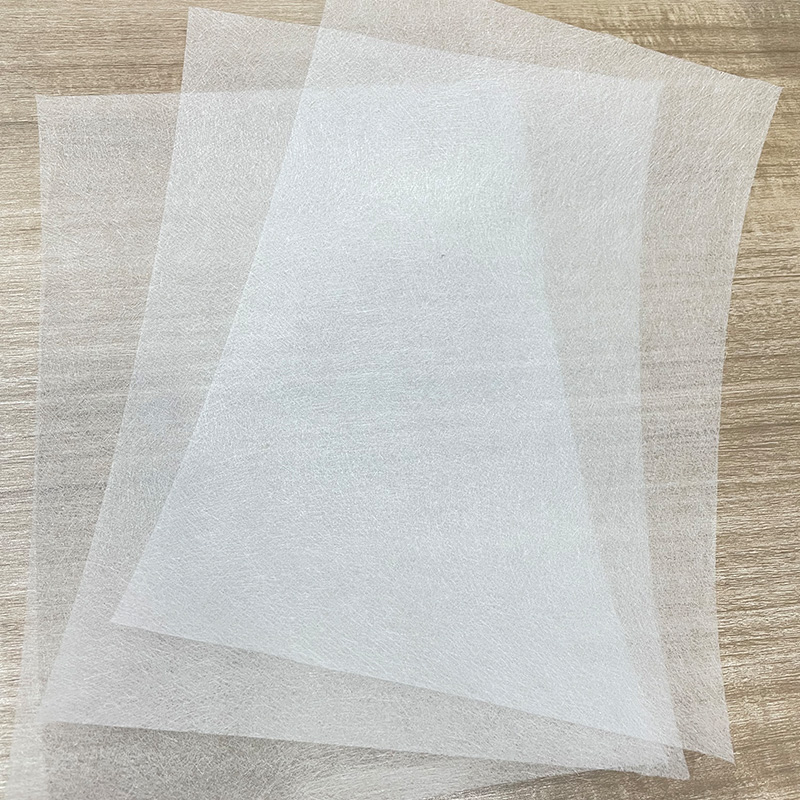
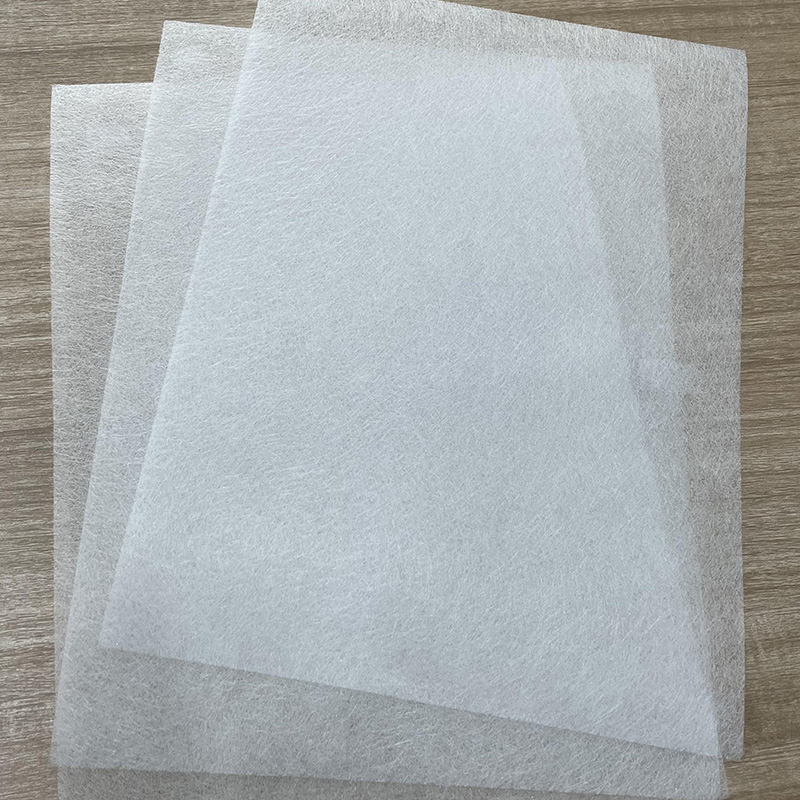
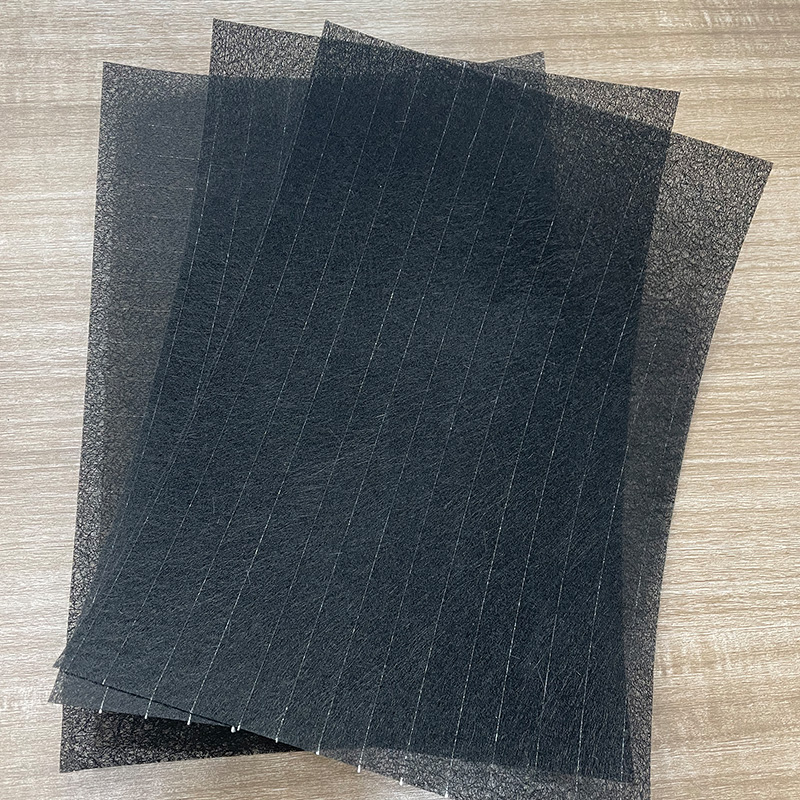
The single most critical factor in selecting a fiberglass surfacing veil is the resin system you are using—polyester, vinyl ester, or epoxy each demand specific binder compatibility. After resin, areal weight is your second priority: 30 g/m² veils deliver smooth cosmetic finishes, while 50 g/m² veils provide enhanced corrosion protection for aggressive environments. For most corrosion-resistant applications, C-glass or E-CR glass veils with a thickness around 0.5 mm (10 mil) are the industry benchmark.
This guide walks you through every decision point—whether you are manufacturing chemical storage tanks, wind turbine blades, marine vessels, or architectural panels—so you can match the veil precisely to your project's demands.
Understanding Fiberglass Types: E-Glass, C-Glass, and E-CR Glass
The glass composition of your surfacing veil directly determines its corrosion resistance, electrical properties, and overall durability in service.
E-Glass (Electrical Glass)
E-glass is the most common and cost-effective fiberglass type. It offers good mechanical strength and electrical insulation properties. E-glass veils are suitable for general-purpose applications where extreme chemical resistance is not required.
C-Glass (Chemical Glass)
C-glass is specifically formulated for corrosion resistance and is the primary choice for most aggressive environments. C-glass veils are widely used in pipe and tank winding processes where the component must withstand chemical exposure.
E-CR Glass (Electrical-Chemical Resistant)
E-CR glass combines the electrical properties of E-glass with enhanced chemical resistance. It is boron-free and offers superior resistance to acid attack compared to standard E-glass. This makes E-CR glass veils ideal for applications involving acidic environments or where long-term durability is paramount.
Selection rule: If your application involves chemical exposure, moisture, or outdoor weathering, choose C-glass or E-CR glass. For dry, indoor, or non-corrosive environments, E-glass provides a cost-effective solution.
Areal Weight and Thickness: Matching Surface Quality to Performance
Fiberglass surfacing veils are available in a range of areal weights, typically from 20 g/m² to 120 g/m². The weight you choose directly affects surface smoothness, resin consumption, and the protective barrier thickness.
| Areal Weight | Typical Thickness | Best Application |
| 20–30 g/m² | ~0.08–0.15 mm | Cosmetic finishes, Class-A surfaces, lightweight components |
| 45–50 g/m² | ~0.20–0.30 mm | General-purpose corrosion barrier, pipes, tanks, marine |
| 90–120 g/m² | ~0.40–0.60 mm | Heavy-duty corrosion protection, high-impact environments |
Thicker veils (50 g/m² and above) provide greater surface integrity and corrosion resistance, while thinner veils (20–30 g/m²) deliver high-quality finishes with minimal weight addition. For corrosion applications, the industry standard is approximately 0.5 mm (10 mil) thickness.
Resin Compatibility and Binder Systems: The Critical Match
Resin compatibility is the most critical selection factor—an incompatible binder will not dissolve properly in the resin matrix, leading to poor wet-out, delamination, and surface defects.
Fiberglass surfacing veils are manufactured with specific binder systems designed to dissolve in particular resin types. Common binder types include:
- Styrene-acrylic binders – compatible with polyester and vinyl ester resins
- Polyvinyl acetate (PVAc) binders – compatible with polyester and epoxy systems
- Polyester binders – widely used with polyester, vinyl ester, and some epoxy resins
- Acrylic-acid / PVA / aqueous epoxy binders – suitable for specialized resin systems
Premium surfacing veils can be engineered for compatibility with polyester, vinyl ester, epoxy, phenolic, urethane, and acrylic resin systems. Always verify the veil's binder system against your resin chemistry before committing to a purchase.
Wet-out time is a key performance indicator: high-quality veils with soluble binders achieve complete resin impregnation in under 10 seconds when exposed to the polymer matrix. Rapid wet-out reduces production cycle times and minimizes the risk of dry spots or air entrapment.
Manufacturing Process Compatibility: Hand Lay-Up vs. Filament Winding vs. Pultrusion
Different composite manufacturing processes place distinct demands on surfacing veils. Selecting a veil that matches your process ensures optimal performance and avoids production issues.
| Process | Recommended Veil Series | Key Characteristics Required |
| Hand Lay-Up | S-HM series | Good pattern fitness, rapid resin permeation, conformability to complex curves |
| Filament Winding | S-SM series | Consistent tensile strength, low binder content, smooth surface appearance |
| Pultrusion | BM(P) series | Thermal stability, die protection, balanced temperature distribution |
| Vacuum Infusion / RTM | Wet-laid veils | Excellent resin flow, uniform fiber distribution, low void content |
| Compression Molding / SMC | Specialty veils | Temperature balance, mold protection, consistent thickness |
Surfacing veils are applicable to virtually all FRP molding processes, including hand lay-up, filament winding, vacuum injection, press molding, pultrusion, and RTM. However, each process benefits from specific veil characteristics—filament winding demands higher tensile strength, while hand lay-up prioritizes conformability.
Performance Attributes: What Each Veil Delivers
Beyond the basic specifications, fiberglass surfacing veils provide a range of performance benefits that influence material selection.
Surface Finish Quality
Surfacing veils are specifically designed to eliminate fiber print-through and reduce surface porosity, creating a uniform resin-rich layer. A surfacing tissue layer can hold up to 90% resin compared to the 40–60% resin content typical of structural reinforcements. This resin-rich barrier is what delivers exceptional surface smoothness and chemical resistance.
Corrosion and Environmental Resistance
C-glass and E-CR glass veils provide outstanding resistance in corrosive environments. The veil acts as a barrier against moisture, chemical exposure, and temperature fluctuations. In chemical process equipment, the surfacing veil forms the corrosion barrier layer that protects the structural laminate beneath.
UV and Weather Resistance
Surfacing veils enhance UV resistance and weatherability, making them essential for outdoor applications such as architectural panels, wind turbine blades, and marine vessels. The resin-rich surface layer shields the underlying glass fibers from UV degradation.
Mechanical Enhancement
While surfacing veils are not primary structural reinforcements, they improve compressive strength, seepage resistance, and impact resistance of the surface layer. They also reduce the risk of micro-cracks forming in the composite surface.
Selection Decision Flowchart
Use this decision flowchart to navigate the key selection criteria for your fiberglass surfacing veil:
Common Misconceptions About Surfacing Veil Selection
"All fiberglass veils are the same"
False. Glass type (E, C, E-CR), areal weight, binder system, and manufacturing process all vary significantly between products. The wrong veil can lead to poor adhesion, surface defects, or premature failure in service.
"Surfacing veil replaces structural reinforcement"
False. Surfacing veil is a surface enhancement layer, not a structural reinforcement. In most composite structures, surfacing veil and structural mat are used together, each fulfilling a specific role. The veil provides surface quality and corrosion protection; the mat provides mechanical strength.
"Heavier is always better"
Not necessarily. Heavier veils consume more resin and add weight to the finished part. For cosmetic applications where corrosion resistance is not critical, a lighter 20–30 g/m² veil delivers the required surface finish with minimal weight penalty.
"Any binder works with any resin"
False. Binder-resin compatibility is essential for proper wet-out and adhesion. Always verify that the veil's binder is soluble in your specific resin system.
Frequently Asked Questions
What is the difference between surfacing veil and fiberglass mat?
Surfacing veil is a lightweight, nonwoven material designed for surface enhancement—it improves finish, corrosion resistance, and UV protection. Fiberglass mat (chopped strand mat) is a thicker structural reinforcement that provides mechanical strength and dimensional stability. They serve different functions and are typically used together in composite laminates.
What areal weight should I choose for my project?
20–30 g/m² for cosmetic finishes and lightweight components; 45–50 g/m² for general-purpose corrosion barriers in pipes, tanks, and marine applications; 90–120 g/m² for heavy-duty corrosion protection in aggressive environments.
Is C-glass always better than E-glass?
C-glass is preferred for most corrosion environments due to its superior chemical resistance. However, E-glass is more cost-effective and perfectly adequate for dry, indoor, or non-corrosive applications where chemical exposure is not a concern.
How do I know if a veil is compatible with my resin?
Check the veil's specified binder type and confirm it is soluble in your resin system. Common pairings: styrene-acrylic and PVAc binders work with polyester and vinyl ester; polyester binders work with polyester, VE, and some epoxies. For epoxy-specific applications, verify epoxy compatibility with the manufacturer.
Can surfacing veil be used in vacuum infusion?
Yes. Wet-laid surfacing veils are suitable for vacuum infusion and resin transfer molding (RTM). Choose a veil with excellent resin flow characteristics and uniform fiber distribution to ensure complete impregnation under vacuum.
 Previous