
 English
 中文简体
中文简体 русский
 Español
Selecting the right carbon fiber surface felt starts with matching fiber type and carbonization level to your operating temperature, since a felt rated for one thermal range can degrade quickly if pushed past its designed limit. Density and thickness then determine whether the felt performs primarily as insulation, reinforcement, or a conductive component.
4 Fiber types: PAN, pitch, graphitized, activated
5 Production stages from fiber to finished felt
5 Industries relying on carbon felt today
What Carbon Fiber Surface Felt Is Made From
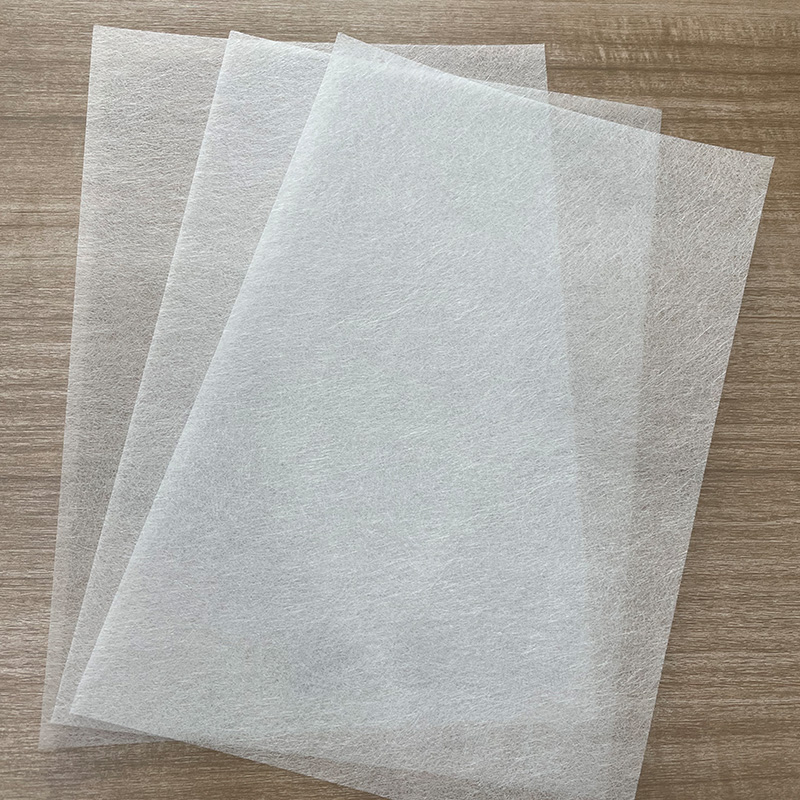
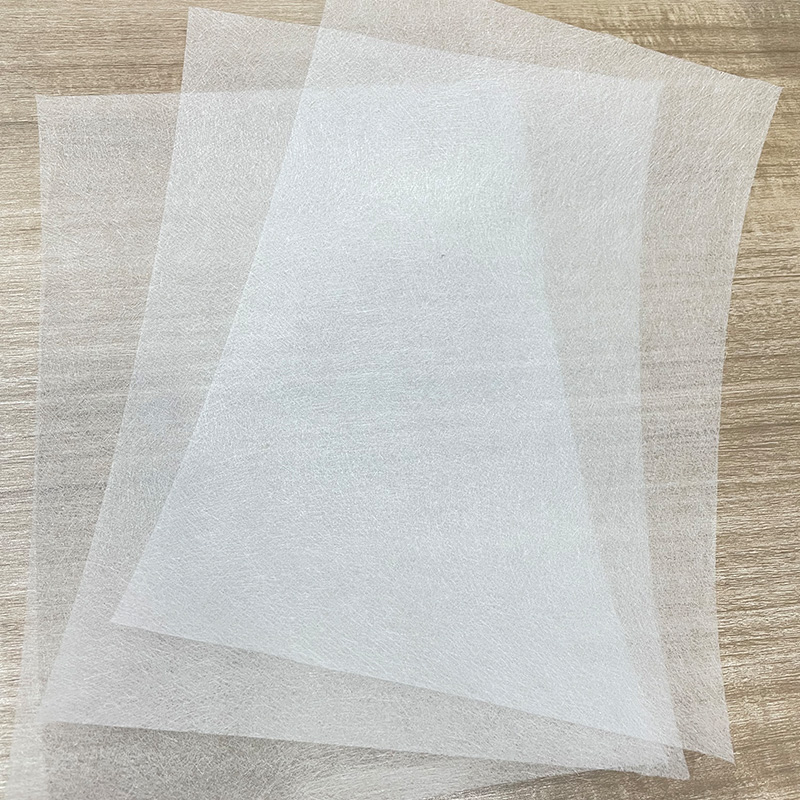
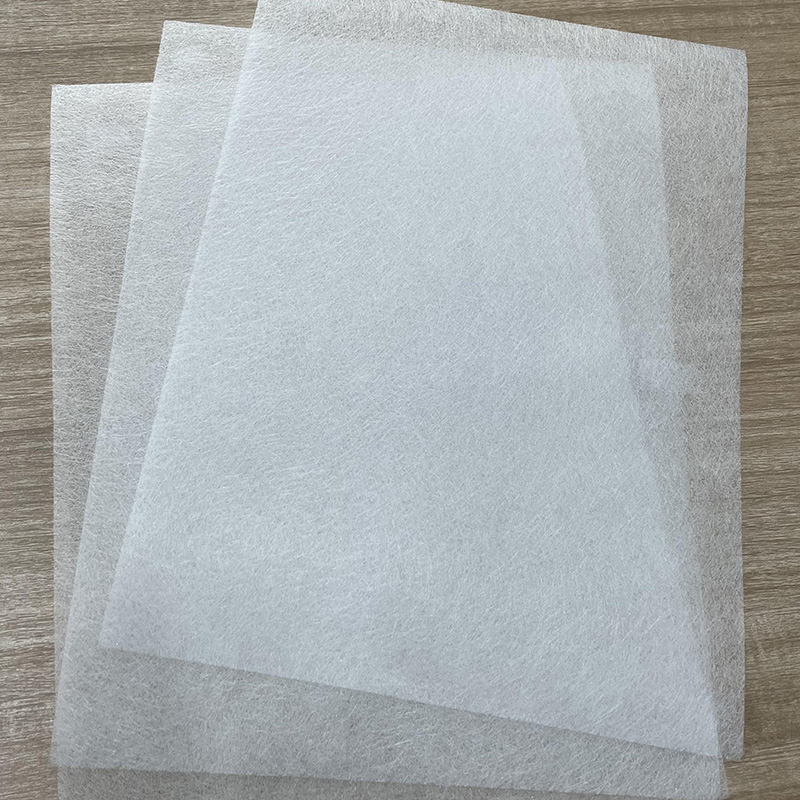
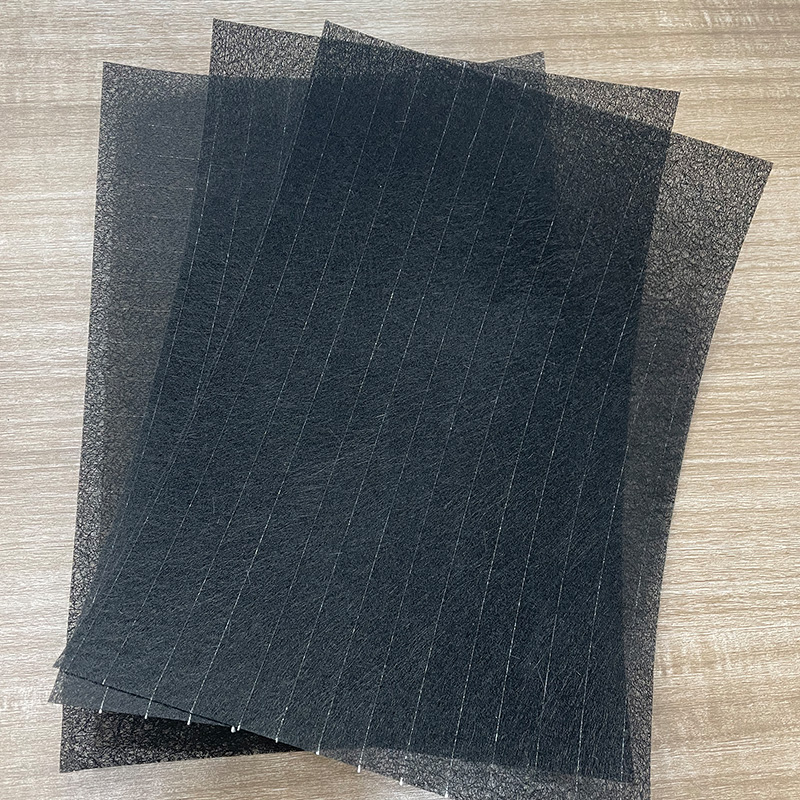
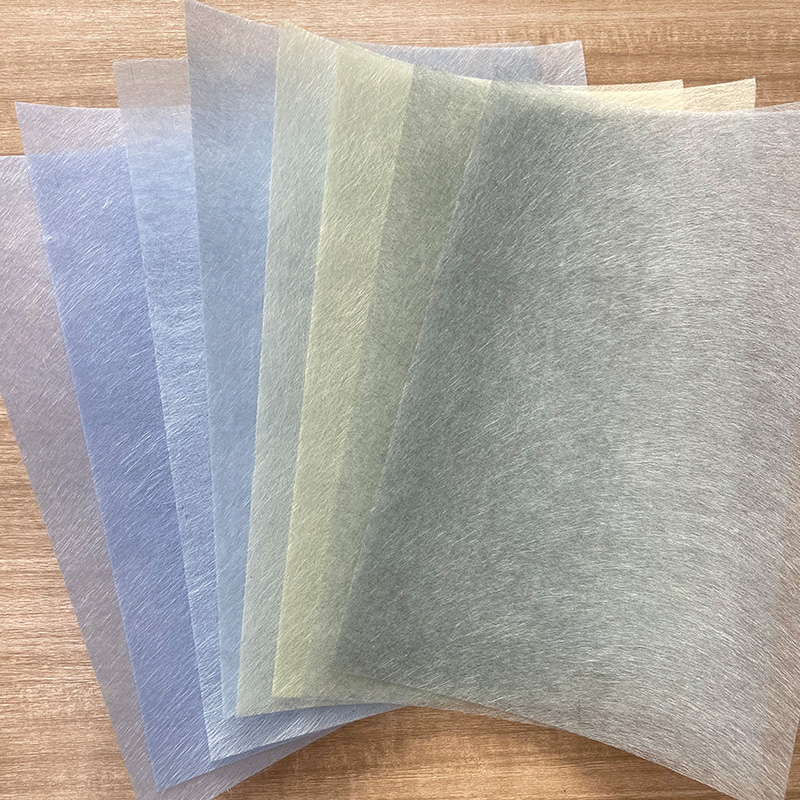
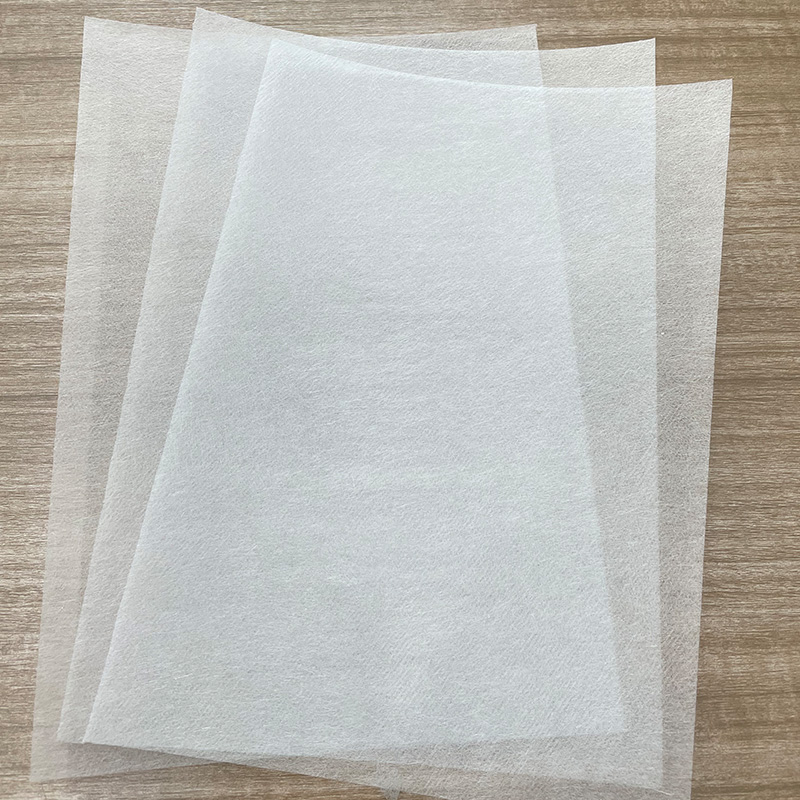
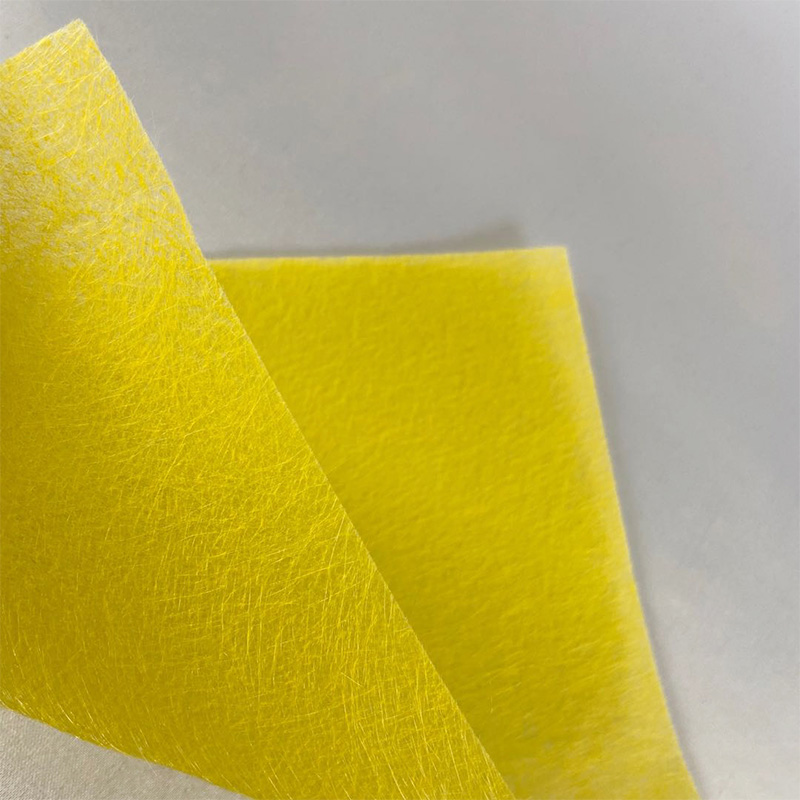
A carbon fiber surface felt is a flexible nonwoven material formed by arranging carbon fibers into a porous three-dimensional network, then stabilizing that structure through needling and high-temperature carbonization. The resulting felt keeps the low density and flexibility of a textile while gaining the heat resistance, chemical stability, and in some formulations, the electrical conductivity of carbon, which is why it shows up in applications as different as furnace insulation and battery electrodes.
PAN, Pitch, and Graphitized Felt Compared
Fiber precursor and processing level change how a carbon fiber surface felt performs at temperature and how conductive it becomes.
| Felt Type | Key Property | Typical Use |
| PAN-based carbon felt | Good mechanical strength, moderate conductivity | General insulation, composite reinforcement |
| Pitch-based carbon felt | High thermal conductivity potential | Thermal management applications |
| Graphitized carbon felt | Higher temperature resistance and conductivity | High-temperature furnaces, electrodes |
| Activated carbon fiber felt | High surface area, adsorption capability | Filtration and gas adsorption |
A felt graphitized for higher temperature resistance also becomes more electrically conductive, so a material selected purely for insulation performance can unexpectedly create a conductive path if that trade-off isn't accounted for in the design.
Matching Density and Thickness to Function
- Lower density felt favors lightweight thermal insulation with minimal added weight
- Higher density felt improves mechanical stability for composite reinforcement roles
- Thicker felt layers reduce heat transfer further but add bulk and installation complexity
- Battery and electrode applications typically prioritize conductive pathway consistency over pure density
Carbon Fiber Felt vs Traditional Insulation Materials
Carbon Fiber Felt
- Stable performance under extreme heat
- Lightweight, flexible structure
- Long service life, low degradation
- Higher material cost
Traditional Insulation
- Performance drops at high temperature
- Often requires thicker installation
- Shorter service life in harsh conditions
- Lower initial material cost
Vetting a Carbon Felt Manufacturer
1
Carbonization Process Control
Confirm how temperature and time are controlled during carbonization to ensure batch-to-batch consistency.
2
Testing Documentation
Ask for thermal conductivity, temperature resistance, and tensile strength data specific to your fiber type.
3
Customization Range
Check available options for thickness, density, fiber type, and surface treatment.
4
Application Engineering Support
Verify the supplier can advise on felt selection for your specific temperature range and mechanical environment.
Frequently Asked Questions
What temperature can carbon fiber surface felt withstand?
Temperature resistance varies by fiber type and carbonization level, with graphitized felt generally handling higher sustained temperatures than standard PAN-based carbon felt.
Is carbon fiber felt electrically conductive?
Carbon felt is inherently conductive to some degree, with conductivity increasing as carbon content and graphitization level rise, making fiber type an important choice for applications where conductivity matters.
How is carbon fiber felt different from standard carbon fiber fabric?
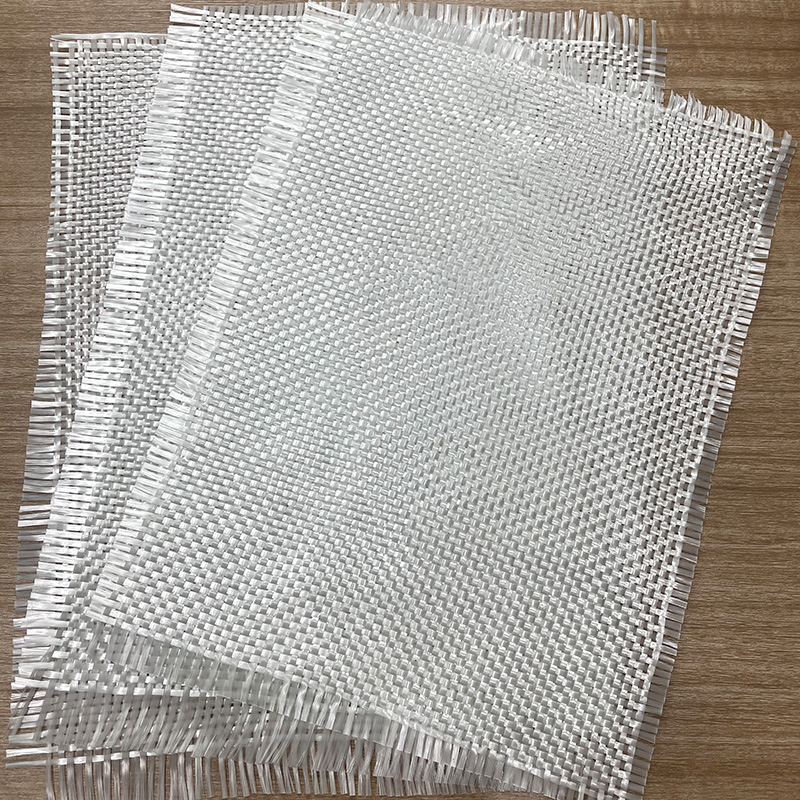
Felt is a nonwoven, porous structure designed for insulation, filtration, or reinforcement, while woven carbon fiber fabric is built for structural composite applications requiring directional strength.
Can carbon fiber felt be customized for battery electrode applications?
Yes, manufacturers can adjust fiber type, density, and surface treatment to optimize carbon felt for electrode and energy storage applications specifically.