
 English
 中文简体
中文简体 русский
 Español
Understanding Polyester Felt: Material Properties and Industry Applications
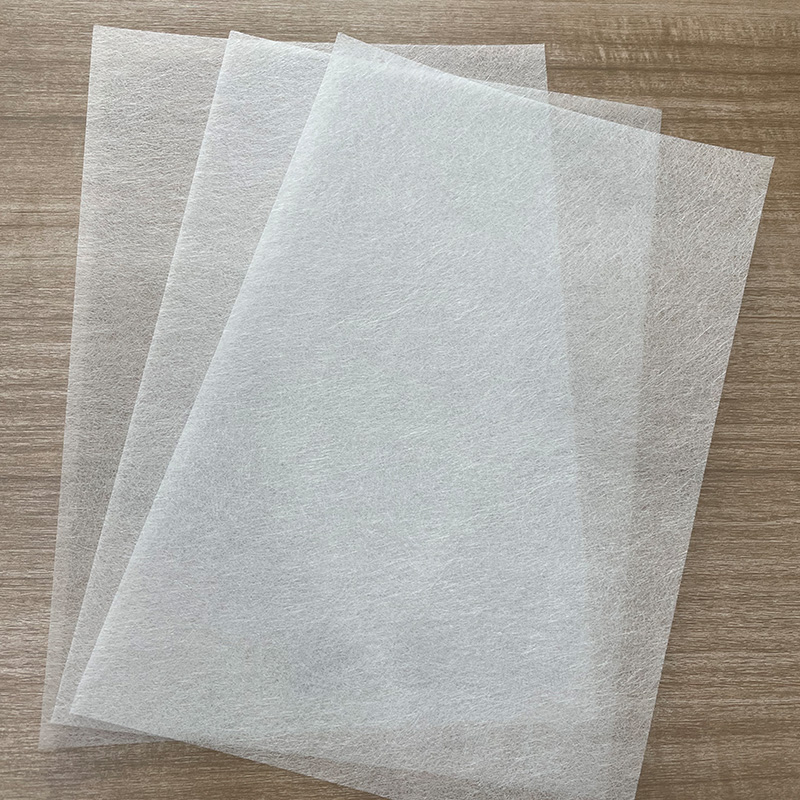
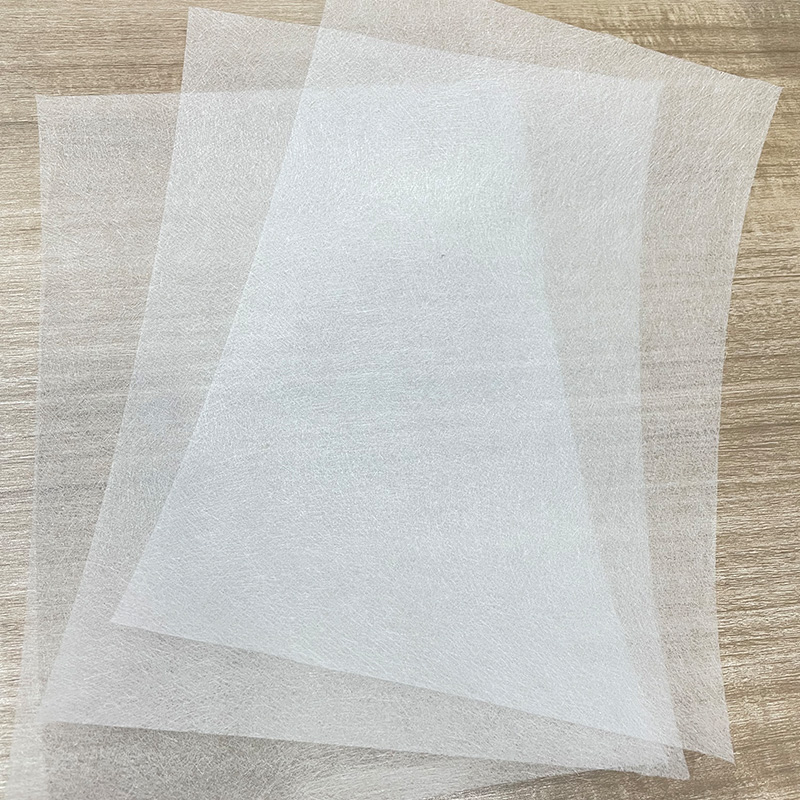
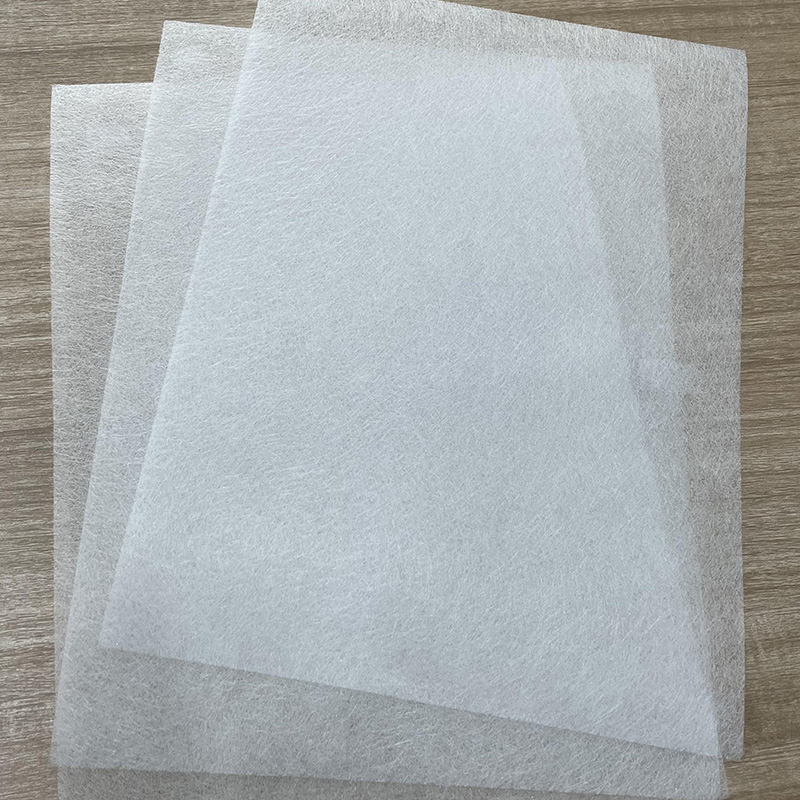
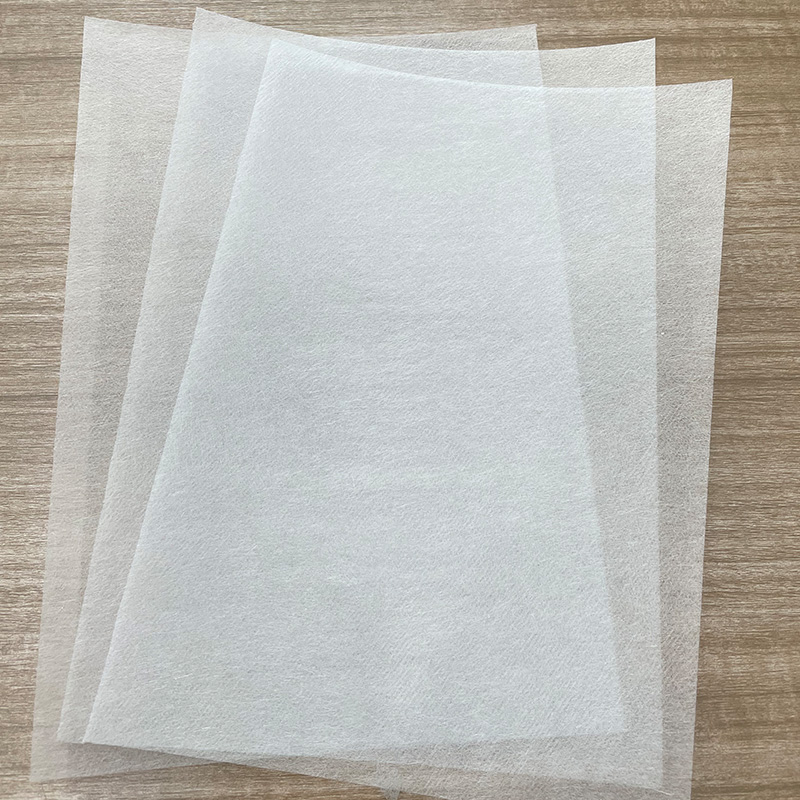
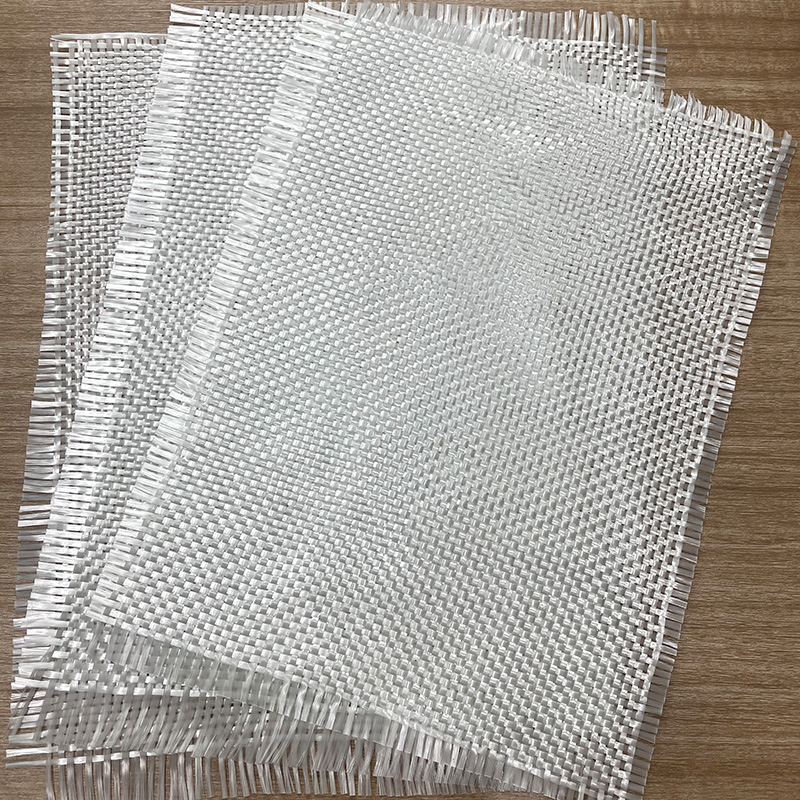
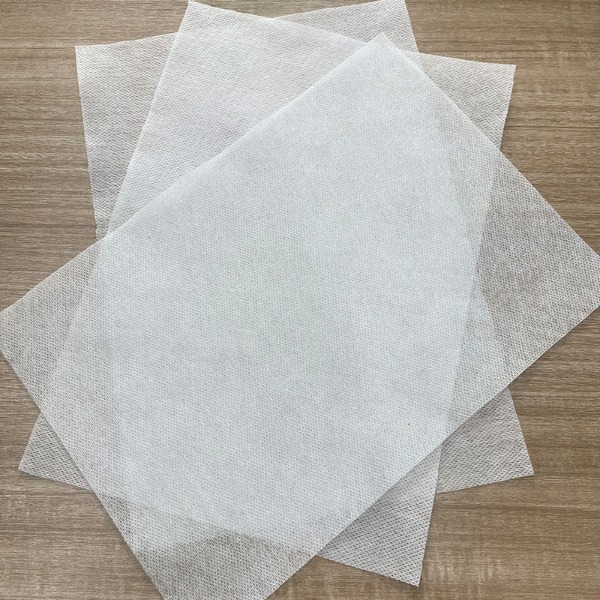
Polyester felt stands as one of the most versatile engineered materials available today, bridging the gap between traditional textiles and high-performance industrial solutions. Unlike woven fabrics that rely on interlocking threads, polyester felt fabric is manufactured through a non-woven process where synthetic fibers are mechanically or chemically bonded together. This fundamental difference in construction creates unique properties that make polyester felt exceptionally valuable across numerous industries.
The production of polyester felt begins with polyester fibers derived from petroleum-based polymers. These fibers are arranged randomly and compressed under heat and pressure, creating a dense, uniform material. The resulting fabric exhibits remarkable durability, resistance to chemicals, and longevity compared to natural fiber alternatives. Industries ranging from automotive manufacturing to environmental protection systems depend on polyester felt for reliable performance in demanding conditions.
Modern polyester felt production has evolved significantly, offering manufacturers and end-users a material that combines affordability with consistent quality. The material's adaptability allows it to be customized for specific applications, whether the requirement involves particular thickness, density, or color specifications. Understanding the characteristics and potential applications of polyester felt enables businesses to make informed decisions about material selection and cost optimization.
Primary Applications and Use Cases for Polyester Felt
Industrial Filtration Systems
One of the most significant applications for polyester felt lies within industrial filtration. Polyester needle felt serves as a reliable medium for capturing particles, dust, and contaminants in air and liquid filtration systems. Manufacturing facilities, power generation plants, and chemical processing operations depend on polyester felt filters to maintain operational efficiency and environmental compliance. The material's high porosity combined with its structural integrity allows it to capture fine particles while maintaining consistent flow rates throughout extended operational periods.
The filtration industry benefits from polyester felt's resistance to aggressive chemicals and thermal stability. Applications in cement production, pharmaceutical manufacturing, and wastewater treatment facilities demonstrate the material's capability to withstand challenging environments where natural fibers would deteriorate rapidly. The fiber structure of polyester felt enables it to achieve specific filtration ratings, making it suitable for both coarse and fine filtration requirements.
Automotive and Transportation Industries
The automotive sector relies heavily on polyester felt for interior noise dampening, thermal insulation, and weather protection. Modern vehicles incorporate polyester felt in door panels, underbody shielding, and cabin insulation systems. The material's lightweight nature helps reduce vehicle weight, contributing to improved fuel efficiency. Additionally, polyester felt maintains its structural integrity across the temperature extremes experienced by automotive components, from extreme heat near engine compartments to extreme cold in exterior applications.
Specialty vehicles and commercial transportation applications utilize polyester felt for soundproofing in cargo areas and passenger compartments. The material's acoustic properties absorb vibrations and reduce noise transmission, enhancing user experience and operator comfort during extended operation periods.
Construction and Building Materials
Within the construction industry, polyester felt serves multiple functions including roofing underlayment, moisture barriers, and thermal insulation systems. Building codes and standards increasingly recognize polyester-based materials for their dimensional stability and environmental resistance. Residential and commercial construction projects benefit from polyester felt's ability to resist moisture penetration while allowing controlled vapor transmission, preventing moisture accumulation that could compromise structural integrity.
Environmental Protection and Remediation
Environmental applications have expanded significantly as regulations require sophisticated containment and filtration solutions. Polyester felt functions as a barrier material in landfill liners, providing environmental protection against contamination. Remediation projects use polyester felt-based systems for soil stabilization and environmental cleanup operations, where the material's chemical resistance and durability prove invaluable.
Decorative and Consumer Applications
Beyond industrial applications, polyester felt finds extensive use in decorative products, craft materials, and consumer goods. The material's availability in diverse colors and consistent texture makes it suitable for upholstery backing, carpet underlayment, and decorative furnishings. Craft and hobby applications benefit from the material's ease of customization and cost-effectiveness.
Types and Variations of Polyester Felt Materials
The polyester felt market offers numerous variations designed for specific performance requirements and application parameters. Understanding these distinctions enables selection of the most appropriate material for each use case.
Non-Woven Polyester Felt Production Methods
Non woven polyester felt encompasses several manufacturing processes that distinguish the material from traditional woven textiles. Mechanical bonding involves needle punching, where barbed needles compress and intermesh fibers to create structural integrity. Chemical bonding uses synthetic resins to adhere fibers, creating a more uniform density distribution. Thermal bonding applies heat and pressure to partially melt polyester fibers at contact points, creating permanent fusion without chemical additives.
Each production method yields polyester felt with distinct characteristics. Needle-punched materials typically exhibit higher porosity suitable for filtration applications. Chemically bonded variants offer superior chemical resistance for harsh industrial environments. Thermally bonded felts provide consistent density and excellent thermal stability for demanding applications.
High-Density and Heavy-Duty Variants
Industrial applications often require heavy duty polyester felt with enhanced structural properties. High-density polyester felt contains more fiber material per unit volume, resulting in increased strength, reduced porosity, and improved load-bearing capacity. These variants serve applications requiring dimensional stability and resistance to mechanical stress. Heavy duty polyester felt finds use in machinery soundproofing, vibration isolation, and structural support applications where standard density materials would prove insufficient.
Specialized Fiber Formulations
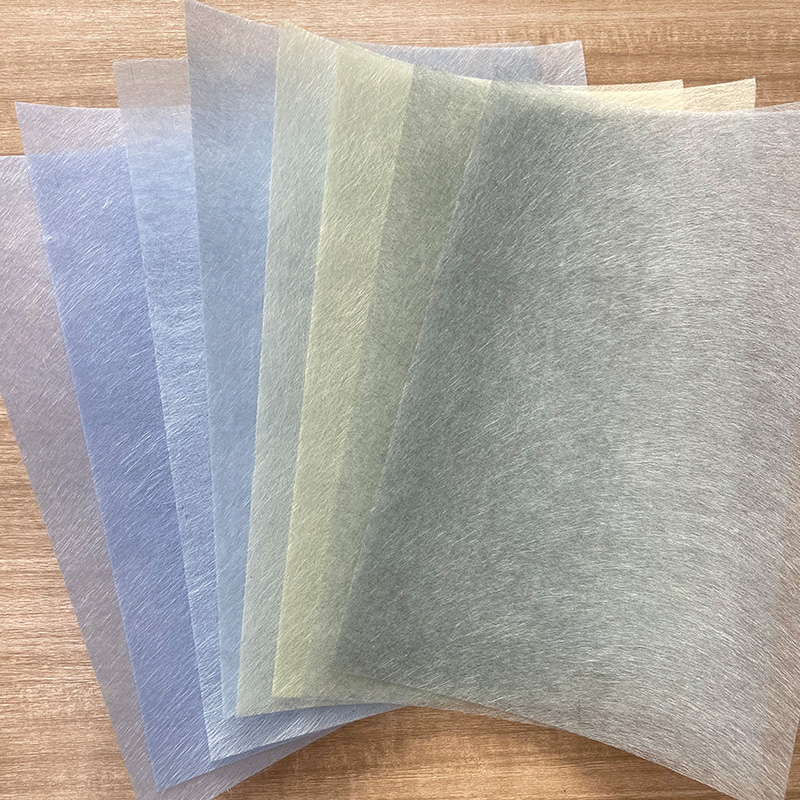
Polyester fiber felt manufacturing now incorporates specialty fiber compositions designed for enhanced performance. Bicomponent polyester fibers, featuring cores and sheaths of different polymer compositions, allow manufacturers to achieve low-temperature bonding for applications sensitive to thermal degradation. Colored polyester fiber variants enable aesthetic customization while maintaining performance characteristics, eliminating the need for additional dyeing processes.
Needle-Punched Polyester Felt
Needle-punched technology creates a particularly versatile polyester felt variant. The mechanical interlocking of fibers through repetitive needle penetration creates a stable structure resistant to unraveling. This construction method preserves air permeability essential for filtration applications while achieving high structural integrity. Needle-punched variants demonstrate superior durability in applications involving mechanical abrasion or constant vibration exposure.
Thickness Options and Density Specifications
Polyester felt availability spans a comprehensive range of thicknesses, accommodating diverse application requirements from thin decorative materials to substantial industrial insulation layers.
| Thickness Range | Typical Applications | Density Characteristics | Common Formats |
|---|---|---|---|
| 1mm - 2mm | Decorative backing, thin underlayment | Standard to medium density | Sheet and roll |
| 3mm - 5mm | Acoustic panels, moisture barriers | Medium to high density | Roll and sheet |
| 6mm - 10mm | Thermal insulation, vibration isolation | High density | Roll and custom sheets |
| 10mm and above | Heavy-duty industrial applications | Extra high density | Custom formats |
Ultra-Thin Polyester Felt Applications
A 1mm polyester felt sheet serves specialized applications where material thickness must remain minimal without sacrificing basic performance characteristics. Electronics manufacturing, precision instrument protection, and delicate component cushioning represent primary applications. Ultra-thin variants maintain flexibility while providing basic barrier and cushioning functions, making them suitable for applications where space constraints limit thickness options.
Standard Thickness Polyester Felt
The 3mm polyester felt sheet and 5mm polyester felt roll categories represent the most commonly specified materials across diverse industries. These thicknesses balance structural integrity with workability, providing sufficient material for effective acoustic absorption, thermal protection, and moisture management. Construction, automotive interior systems, and HVAC applications frequently specify materials within this thickness range due to their proven performance reliability and cost-effectiveness.
Thick Polyester Felt for Industrial Applications
Thick polyester felt fabric and materials exceeding 10mm thickness serve specialized heavy-duty applications. Industrial soundproofing systems, vibration isolation platforms, and extreme thermal protection applications require substantial material thickness. These specifications provide enhanced performance characteristics proportional to increased thickness, delivering superior insulation properties and mechanical durability in the most demanding operational environments.
Customized Thickness Solutions
Modern manufacturing capabilities enable custom thickness specifications beyond standard catalog offerings. Industrial polyester felt suppliers can produce materials tailored to exact thickness requirements, whether requiring intermediate dimensions or specialized density distributions within a single sheet or roll. This customization capability ensures optimal performance alignment with specific application parameters while minimizing material waste through precise specification matching.
Polyester Felt Versus Wool Felt: Comparative Analysis
superior chemical resistance and longer operational lifespan Wool felt provides natural softness and thermal properties
Material Composition and Origin
The fundamental distinction between polyester felt and wool felt lies in their fiber composition. Polyester felt originates from synthetic polymers derived from petroleum-based resources, offering precise control over fiber characteristics during manufacturing. Wool felt derives from natural sheep wool fibers, bringing inherent properties developed through evolutionary biology but limiting standardization and consistency. Synthetic polyester composition enables mass production with minimal variation, whereas wool sources introduce variability based on sheep breed, seasonal factors, and processing methods.
Chemical and Environmental Resistance
Polyester felt demonstrates substantially superior chemical resistance compared to wool alternatives. Wool fibers undergo degradation when exposed to acidic or alkaline environments, limiting applications in industrial settings where chemical exposure occurs regularly. Polyester felt maintains structural integrity across broader pH ranges and resists attack from solvents, oils, and industrial compounds that would damage wool fibers. This superior chemical resistance positions polyester felt as the material of choice for filtration, automotive, and manufacturing environments where chemical exposure represents a significant operational concern.
Moisture Management and Water Resistance
Both materials exhibit water resistance, but through different mechanisms. Polyester felt repels water at the surface due to the hydrophobic nature of petroleum-based polymers, preventing immediate water absorption. Wool felt absorbs moisture into its fiber structure, then gradually drying without compromising dimensional stability, making it suitable for environments requiring passive moisture management. Applications requiring active water barrier functions favor polyester felt, while wool felt serves applications where natural moisture absorption and release cycles provide environmental benefits.
Thermal Performance and Temperature Stability
Polyester felt maintains consistent performance across extreme temperature variations without degradation. Industrial applications expose materials to temperature extremes from -40 degrees to +120 degrees Celsius, requiring thermal stability that synthetic polyester fibers provide reliably. Wool felt softens at lower temperatures than polyester, limiting its application in extreme temperature environments. Additionally, polyester felt resists thermal degradation and oxidation better than wool alternatives over extended operational periods.
Cost Considerations and Economic Value
Polyester felt typically costs significantly less than wool felt due to readily available petroleum-based feedstock and standardized manufacturing processes. Wool felt commands premium pricing reflecting the agricultural supply chain and natural fiber processing requirements. Cost-per-application analysis often favors polyester felt, particularly in applications where superior performance justifies material expenses and extended service life reduces replacement frequency. Industrial applications increasingly specify polyester felt as the economically optimal choice when evaluating total cost of ownership across the material lifespan.
Sustainability and Environmental Considerations
Wool felt appeals to environmentally conscious applications as a natural, biodegradable material. Polyester felt, derived from fossil fuels, carries environmental concerns regarding resource depletion and end-of-life disposal. However, polyester felt's superior durability and extended lifespan often reduce the total environmental impact when calculated across the complete product lifecycle. Advanced recycling technologies increasingly enable polyester felt recovery and reprocessing, improving overall environmental profiles. The environmental choice depends on specific application requirements, disposal methods, and operational lifespan calculations rather than material source alone.
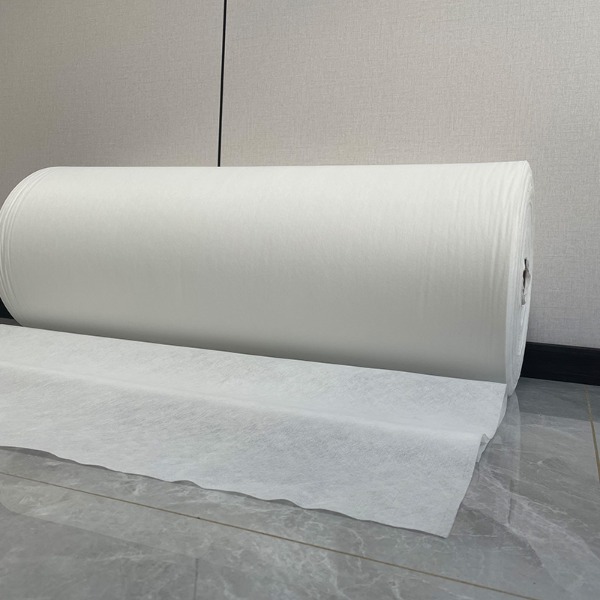
Custom Polyester Felt Solutions and Specification Options
Modern manufacturing capabilities enable custom polyester felt specifications that match precise application requirements without requiring expensive specialized materials. Customization options extend beyond basic thickness adjustments to encompass fiber composition, density, bonding methods, and surface treatments.
Density Customization
Custom polyester felt manufacturer capabilities include precise density specification across the material thickness. Applications requiring graduated density distribution can specify higher density near surfaces for durability with lower density cores for insulation properties. Advanced manufacturing equipment allows controlled fiber distribution and bonding intensity to achieve exact density targets matching application performance requirements.
Color and Aesthetic Customization
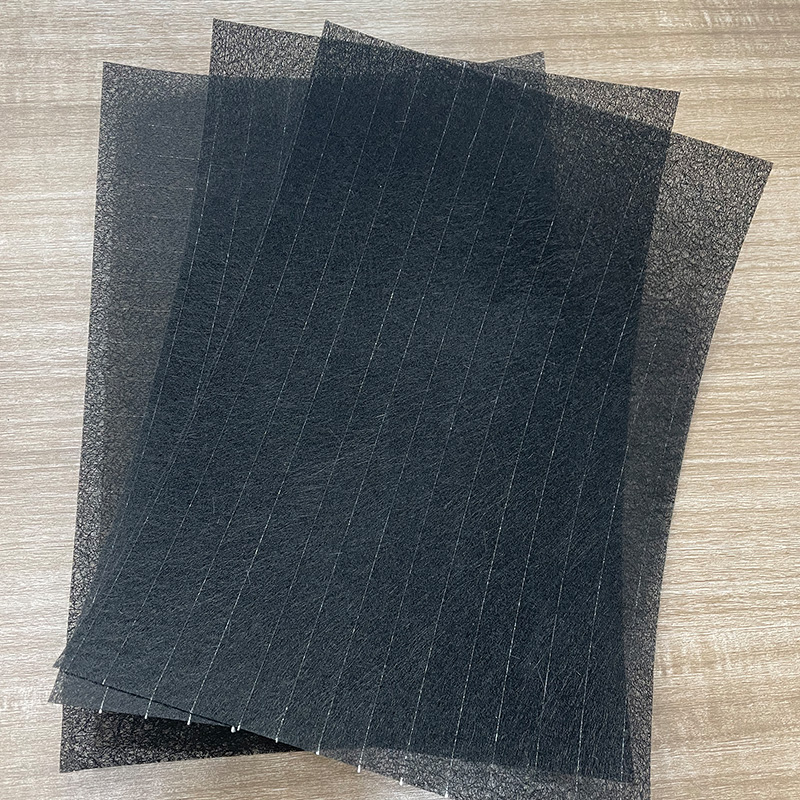
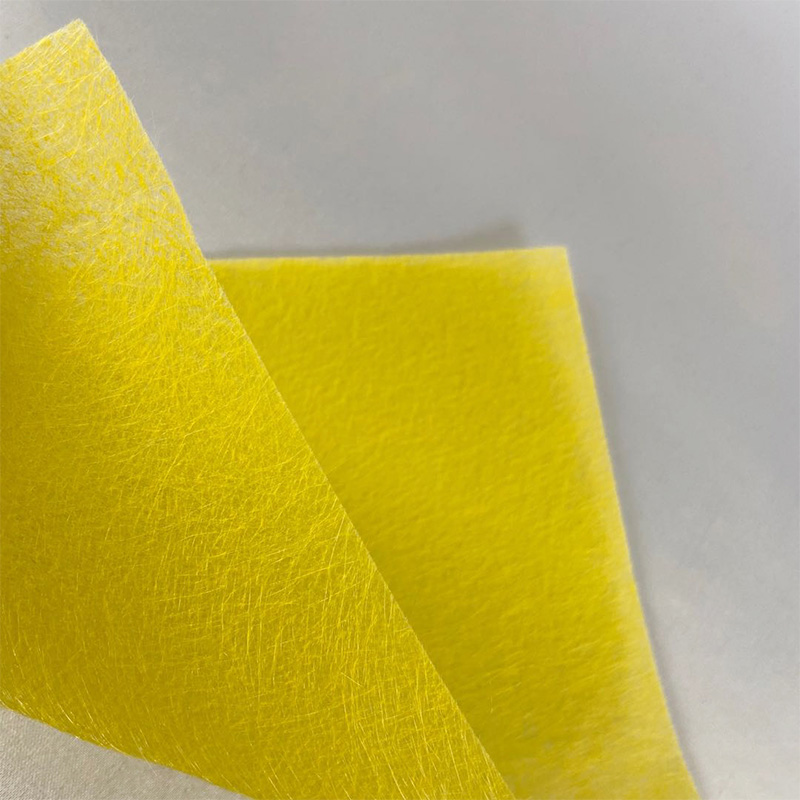
Colored polyester felt sheet availability enables aesthetic customization without requiring additional finishing processes. Pigments incorporated during fiber production create permanent coloration resistant to fading during operational exposure. Design flexibility increases significantly when colored polyester felt variants eliminate surface coating requirements. Decorative applications, consumer goods, and branded products benefit from the ability to specify exact color requirements aligned with design specifications.
Fiber Type and Composition Modification
Polyester felt manufacturers can incorporate specialty fiber types including flame-retardant variants, conductive fibers for static dissipation, and bicomponent compositions for specialized bonding temperatures. These modifications expand performance capabilities beyond standard polyester felt characteristics, enabling applications requiring enhanced safety, electrical properties, or thermal sensitivity. Specialty fiber inclusion increases material cost but delivers essential performance characteristics impossible to achieve through standard formulations.
Surface Treatment Options
Post-production surface treatments enhance polyester felt characteristics for specific applications. Water-repellent treatments increase moisture barrier properties without eliminating breathability. Antimicrobial treatments inhibit microbial growth in healthcare and food industry applications. Flame-retardant coatings enhance fire safety characteristics for applications in regulated industries. Surface treatments provide customization options that modify material properties without requiring fundamental composition changes.
Bonding Method Selection
Custom polyester felt specifications include bonding method selection among needle-punching, chemical bonding, and thermal bonding options. Each method produces distinct material characteristics affecting porosity, strength, and chemical compatibility. Needle-punched variants excel in filtration applications, chemical-bonded materials serve harsh chemical environments, and thermally bonded options provide consistency for demanding industrial specifications. Bonding method selection directly influences performance in specific applications and should align with operational requirements.
Roll and Sheet Format Customization
Polyester felt suppliers offer customization beyond material properties to encompass delivery format. Standard polyester felt roll dimensions accommodate high-volume continuous operations, while custom sheet sizes optimize material utilization for batch processes or specialized applications. Advanced fabrication capabilities enable edge treatments, lamination with complementary materials, and pre-cutting to customer specifications, reducing downstream processing requirements and installation costs.
Key Benefits and Performance Advantages of Polyester Felt
Durability and Extended Service Life
Polyester felt demonstrates exceptional durability across diverse operational environments. Resistance to UV degradation, chemical attack, and mechanical wear ensures consistent performance throughout extended service periods. Industrial applications expect 10-15 year operational lifespans from quality polyester felt products, substantially exceeding natural fiber alternatives. This extended service life reduces replacement frequency, lowers total operational costs, and enhances overall system reliability for critical applications.
Superior Chemical Resistance
Industries handling aggressive chemicals depend on polyester felt for its resistance to solvents, oils, alkalis, and acidic compounds. Environmental remediation, chemical processing, and petroleum industry applications require materials capable of withstanding constant exposure to compounds that degrade natural fibers. Polyester felt maintains structural integrity in these environments, ensuring consistent performance without material degradation or contamination of processed materials.
Thermal Stability Across Temperature Extremes
Polyester felt maintains performance characteristics across temperature ranges that challenge alternative materials. Cryogenic applications approaching absolute zero temperatures, combined with high-temperature industrial processes exceeding 120 degrees Celsius, require materials with stability across extreme thermal variations. Polyester felt's polymer structure resists degradation at both temperature extremes, enabling reliable performance in diverse thermal environments without requiring specialized handling or protection.
Cost-Effectiveness and Economic Value
Lower material costs combined with extended operational lifespan create compelling economic advantages for polyester felt applications. Total cost of ownership calculations consistently favor polyester felt over premium alternatives when evaluating material expense, installation complexity, maintenance requirements, and replacement frequency. Standardized manufacturing processes support competitive pricing without compromising quality or performance characteristics essential for reliable operation.
Environmental Compatibility and Regulatory Compliance
Advanced polyester felt formulations increasingly incorporate compliance with environmental and safety regulations governing diverse industries. Antimicrobial variants meet healthcare and food processing standards. Low-VOC bonding methods satisfy indoor air quality requirements. Flame-retardant formulations comply with building codes and transportation regulations. Manufacturers can specify polyester felt meeting specific regulatory requirements without requiring custom development programs.
Processing Flexibility and Installation Ease
Polyester felt's mechanical properties enable straightforward installation and integration into existing systems. The material's flexibility allows conforming to irregular surfaces without requiring specialized forming equipment. Standard tools suffice for cutting, shaping, and joining operations. This ease of installation reduces labor requirements and enables rapid implementation of polyester felt-based solutions in retrofit and new construction projects alike.
Consistent Quality and Performance Standardization
Industrial production processes deliver consistent material characteristics batch after batch. Standardized specifications enable customers to plan performance expectations without variability concerns. Quality control procedures ensure materials meet specified thickness, density, and performance criteria, supporting reliable system design and engineering calculations. This consistency contrasts with natural fiber materials exhibiting seasonal and source-based variability affecting performance predictability.
Guidelines for Selecting Appropriate Polyester Felt Materials
Application-Specific Performance Requirements
Material selection begins with comprehensive analysis of application-specific performance requirements. Identify primary functional demands including filtration efficiency, thermal insulation values, acoustic absorption, chemical exposure conditions, and temperature range extremes. These performance requirements directly inform material property specifications including thickness, density, and bonding method selection. Applications requiring multiple performance functions benefit from custom composite designs incorporating polyester felt layers with complementary materials addressing specific functional needs.
Environmental Exposure Assessment
Evaluate the complete operational environment including chemical exposure, temperature variations, humidity levels, mechanical stress, and UV radiation. Harsh industrial environments demanding chemical resistance and thermal stability justify premium polyester felt formulations incorporating specialized fibers and treatments. Protected indoor applications may tolerate standard polyester felt variants, reducing material costs. Environmental assessment ensures specification of materials precisely matching operational conditions without over-specification that increases costs unnecessarily.
Economic Analysis and Budget Constraints
Compare material costs against expected service life and total operational expenses. Premium polyester felt formulations with extended durability often cost less on a per-year basis than standard variants requiring frequent replacement. Filtration application analysis frequently shows that premium filter media extend service intervals sufficiently to justify higher initial material costs through reduced labor and replacement expenses. Budget decisions should incorporate lifecycle cost analysis rather than focusing on initial purchase price alone.
Thickness and Density Optimization
Select thickness specifications based on functional requirements rather than default assumptions. Acoustic applications require thicker materials for effective sound absorption. Thermal insulation demands sufficient material thickness to achieve target R-values. Filtration applications benefit from thickness providing adequate dirt-holding capacity without excessive pressure drop. Consultation with manufacturers enables identification of optimal thickness balancing performance requirements against material cost and space constraints.
Supplier Evaluation and Quality Assurance
Partner with suppliers capable of consistent quality delivery and responsive customer service. Verify supplier certifications, quality control procedures, and capability for custom specifications. Request material samples and specification documentation confirming material properties match application requirements. Established suppliers provide technical support for material selection, custom formulation development, and troubleshooting when performance issues emerge. Long-term partnerships reduce procurement complexity and ensure access to high-quality materials supporting reliable operations.
Testing and Performance Validation
Before large-scale implementation, conduct testing validating that specified polyester felt meets application requirements. Small-scale trials identify potential performance issues early, enabling specification adjustments before full deployment. Performance validation includes physical testing for thickness and density, chemical exposure trials, thermal cycling assessment, and functional testing under simulated operational conditions. This validation approach reduces risk of costly performance failures during operational deployment.
Water Resistance and Moisture Management Properties
Understanding polyester felt water resistance characteristics enables optimal material selection for moisture-sensitive applications. The material's inherent properties provide sophisticated moisture management capabilities distinguishing it from alternative materials.
Mechanisms of Water Resistance
Polyester's hydrophobic polymer structure naturally repels water, creating surface water resistance without requiring additional treatment. The fiber arrangement within polyester felt creates capillary channels that can manage limited moisture movement while maintaining overall water barrier properties. This mechanism differs fundamentally from absorbent materials that retain water, contrasting with polyester felt's capacity to shed water while allowing controlled vapor transmission.
Breathability and Vapor Permeability
Water-resistant polyester felt maintains breathability, permitting water vapor transmission while blocking liquid water penetration. This dual function proves essential for applications requiring moisture control without accumulation. Building underlayment applications depend on this property combination, allowing interior moisture escape while preventing exterior water intrusion during precipitation events. HVAC system components similarly benefit from polyester felt's vapor permeability preventing condensation accumulation that would damage insulation properties.
Applications Requiring Water Resistance
Marine applications utilize polyester felt for weather protection, taking advantage of its water-resistant properties combined with chemical resistance to saltwater exposure. Automotive weatherproofing systems incorporate polyester felt components managing moisture ingress into interior compartments. Roofing and building envelope applications employ polyester felt for underlayment and barrier functions, protecting structural components from water damage while managing interior moisture movement. Environmental applications use polyester felt in landfill liner systems, providing critical protection against contamination leakage.
Long-Term Performance in Wet Environments
Polyester felt's stability in wet environments contrasts with natural fiber materials that absorb water and risk microbial growth and degradation. Extended exposure to moisture does not compromise polyester felt structural integrity or performance characteristics. This stability makes polyester felt suitable for permanently wet environments including hydroelectric facility components, wastewater treatment systems, and aquatic applications where constant moisture exposure would damage alternative materials rapidly.
Enhanced Water Resistance Through Treatment
Water resistance polyester felt formulations may incorporate additional hydrophobic treatments increasing moisture barrier properties. Advanced fluoropolymer coatings provide enhanced water repellency while maintaining breathability. These treatments increase material costs but deliver enhanced performance for applications requiring maximum water protection combined with vapor transmission. Application-specific requirements determine whether standard water-resistant polyester felt or enhanced treatment variants best serve operational needs.
Finding Quality Polyester Felt Suppliers and Manufacturers
Reliable access to quality polyester felt products requires identifying experienced suppliers capable of consistent delivery, technical expertise, and customer service excellence.
Supplier Specialization and Experience
Manufacturers specializing in polyester felt production develop deep expertise in material properties, processing techniques, and application-specific customization. Established polyester felt supplier companies maintain extensive technical resources, quality control systems, and continuous improvement programs ensuring consistent material quality. Specialized suppliers often provide superior technical support compared to distributors offering polyester felt as one among many products.
Capacity for Custom Solutions
Advanced polyester felt supplier capabilities extend beyond standard catalog offerings to encompass custom material development. Suppliers maintaining pilot-scale production equipment and technical laboratories can develop specialized formulations meeting unique application requirements. This capability proves invaluable for innovative applications requiring material properties beyond standard offerings, enabling customers to optimize performance while benefiting from supplier expertise.
Quality Certifications and Standards Compliance
Reputable manufacturers maintain certifications demonstrating compliance with industry standards and quality management systems. ISO certifications, industry-specific accreditations, and third-party testing validate material consistency and performance claims. Suppliers supporting critical applications provide comprehensive documentation including material test data, performance certificates, and traceability records supporting customer confidence in product quality.
Technical Support and Engineering Consultation
Premium suppliers provide engineering consultation supporting customers through material selection processes. Technical expertise guides customers toward optimal material specifications matching application requirements while managing costs effectively. Ongoing support during implementation and operational phases enables rapid problem resolution when technical issues emerge. This consultative approach reduces customer risk and supports successful long-term product deployment.
Supply Chain Reliability and Inventory Management
Consistent material availability ensures production continuity without supply interruptions. Established suppliers maintain sufficient inventory supporting customer demands while managing lead times responsively. Strategic partnerships with suppliers demonstrating supply reliability reduce production risk and support predictable project timelines. Suppliers offering flexible delivery options accommodate both high-volume continuous needs and smaller project-based requirements.
Frequently Asked Questions About Polyester Felt
Q1: What is polyester felt used for?
Polyester felt serves diverse applications spanning industrial filtration, automotive components, construction materials, environmental protection systems, and consumer products. Industrial filtration represents one of the largest applications, with polyester felt functioning as the primary media capturing particles and contaminants in air and liquid filtration systems. Automotive manufacturers incorporate polyester felt for noise reduction, thermal insulation, and weatherproofing. Construction applications utilize polyester felt for roofing underlayment and moisture barriers. Environmental applications employ polyester felt in remediation systems and containment barriers. Decorative and consumer applications benefit from polyester felt's availability in diverse colors and consistent texture properties.
Q2: Is polyester felt waterproof?
Polyester felt exhibits strong water resistance properties making it suitable for moisture-sensitive applications. The material's hydrophobic polymer structure naturally repels liquid water while allowing vapor transmission, enabling breathability essential for applications like building underlayment. Polyester felt should be classified as water-resistant rather than completely waterproof, as sustained pressure or continuous immersion can eventually allow water penetration. Applications requiring absolute waterproofing benefit from additional water-resistant treatments or lamination with complementary waterproof membranes. The material's water-resistant properties combined with chemical resistance and dimensional stability make it superior to natural fiber alternatives for moisture-exposed environments.
Q3: What thicknesses are available for polyester felt?
Polyester felt available thicknesses range from ultra-thin 1mm sheets suitable for delicate applications through substantial 20mm and thicker materials for heavy-duty industrial purposes. Standard thickness offerings include 1mm, 3mm, 5mm, 10mm, and 15mm variants meeting the majority of commercial applications. Manufacturers can produce custom thicknesses outside standard offerings to match specific application requirements. Thickness selection balances structural requirements, insulation needs, acoustic properties, and cost considerations. Ultra-thin materials sacrifice some durability but reduce weight and material costs. Thicker variants provide enhanced performance in demanding applications justifying increased material expense through superior performance and extended service life.
Q4: Can polyester felt be customized?
Modern manufacturing capabilities enable extensive customization of polyester felt addressing specific application requirements. Custom specifications include precise thickness matching application needs, density adjustments optimizing performance, fiber composition modifications incorporating specialty fibers, and bonding method selection matching operational requirements. Colored polyester felt variants eliminate the need for additional dyeing or coating processes. Surface treatments including flame-retardant, antimicrobial, and water-resistant formulations enhance material properties for specialized applications. Custom dimensions and pre-fabrication including cutting, lamination, and edge treatments reduce customer processing requirements. Manufacturers accommodating custom orders enable cost-effective material optimization through precise specification matching application performance demands.
Q5: What is the difference between polyester felt and wool felt?
Polyester felt and wool felt differ fundamentally in composition, performance characteristics, and economic value. Polyester felt derives from synthetic petroleum-based polymers offering superior chemical resistance, thermal stability, and extended service life compared to natural wool fibers. Wool felt exhibits natural softness and thermal properties but demonstrates reduced resistance to chemicals and lower temperature stability. Polyester felt typically costs less than wool felt due to standardized manufacturing from abundant feedstock. Polyester felt maintains consistent performance across diverse environmental conditions, while wool felt appeals primarily to applications prioritizing natural fiber aesthetics or specialized thermal management properties. Environmental considerations favor wool's biodegradability but polyester's extended lifespan often produces lower lifecycle environmental impact when calculated across product service duration.
Q6: How does polyester felt perform in extreme temperatures?
Polyester felt maintains consistent structural integrity and performance characteristics across extreme temperature variations that challenge alternative materials. The material performs reliably from cryogenic temperatures approaching absolute zero through high-temperature industrial processes exceeding 120 degrees Celsius. Thermal stability results from polyester's polymer structure resisting degradation at temperature extremes. This thermal resilience enables applications in aerospace, cryogenic systems, industrial furnaces, and extreme climate environments where material failure represents significant operational risk. Unlike natural fibers that soften at lower temperatures or degrade at elevated temperatures, polyester felt delivers predictable performance enabling reliable long-term system operation across diverse thermal conditions.
Q7: What environmental considerations apply to polyester felt products?
Polyester felt's environmental impact reflects both resource consumption from petroleum-based feedstocks and exceptional durability extending product service life. Extended lifespan reduces replacement frequency and total resource consumption compared to less durable alternatives requiring more frequent replacement. Advanced recycling technologies increasingly enable polyester felt recovery and reprocessing into new products, improving environmental profiles. End-of-life disposal planning and manufacturer take-back programs support environmental stewardship. Manufacturers increasingly formulate polyester felt minimizing volatile organic compound emissions during production, reducing indoor air quality concerns. Responsible material selection balanced against application requirements and lifecycle analysis guides environmentally conscious choices among polyester felt variants and potential alternatives.
Q8: What safety considerations apply to polyester felt installation and handling?
Polyester felt handling presents minimal safety risks for most installations, though basic precautions apply during processing and installation. Workers should use standard protective equipment including gloves and eye protection when cutting or shaping materials to prevent fiber exposure. Adequate ventilation during thermal or chemical processing prevents inhalation of volatile compounds. Flame-retardant formulations reduce fire risk in applications near heat sources or in regulated facilities. Workers handling heavy rolls should employ proper lifting techniques and mechanical assistance to prevent strain injuries. Standard workplace safety practices applied during textile material handling ensure safe working conditions without requiring specialized equipment or procedures for polyester felt installations.
 Previous