
 English
 中文简体
中文简体 русский
 Español
A fiberglass tissue mat/veil is the thin reinforcement layer that gives composite products their smooth finish and corrosion resistance, sitting between raw resin and the visible surface on everything from roofing membranes to wind turbine blades. Choosing the right grade means matching fiber weight, binder system, and resin compatibility to the composite process it's going into.
Surface Tissue Layer
Binder-Bonded Fiber Layer
Resin-Compatible Base
What Is Fiberglass Tissue Mat/Veil?
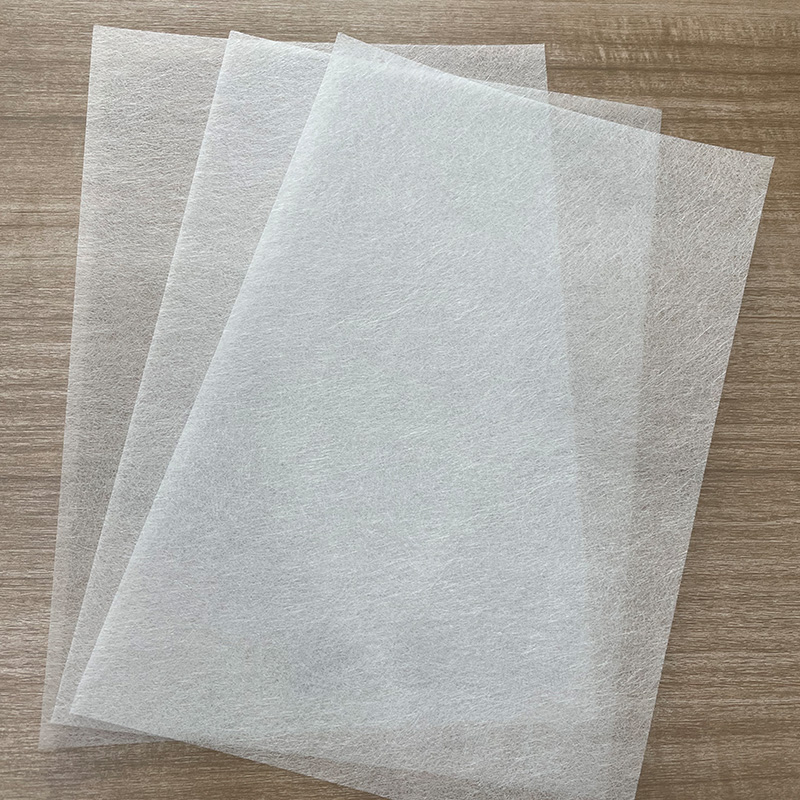
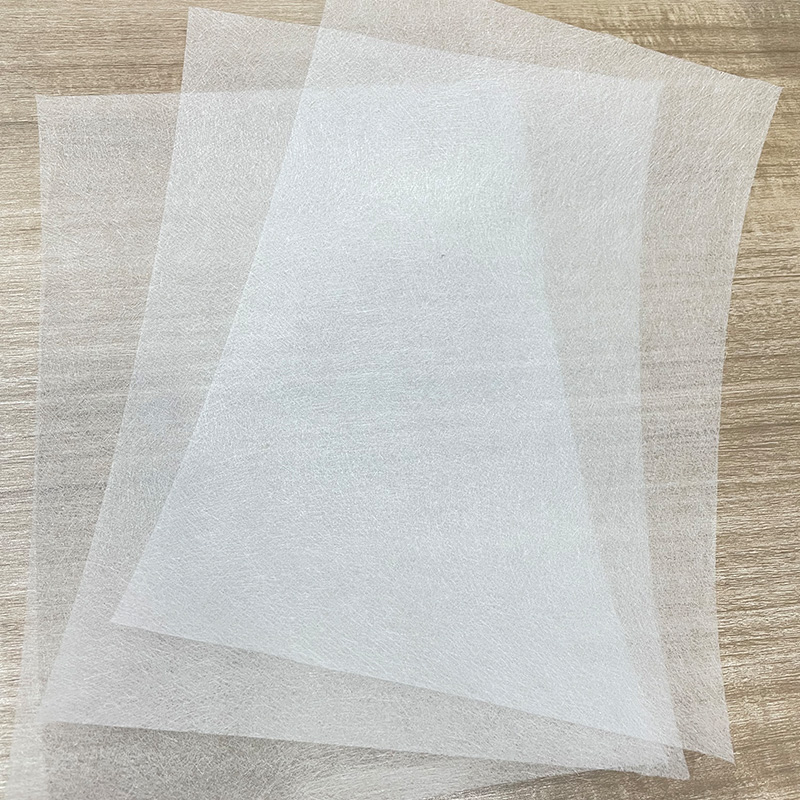
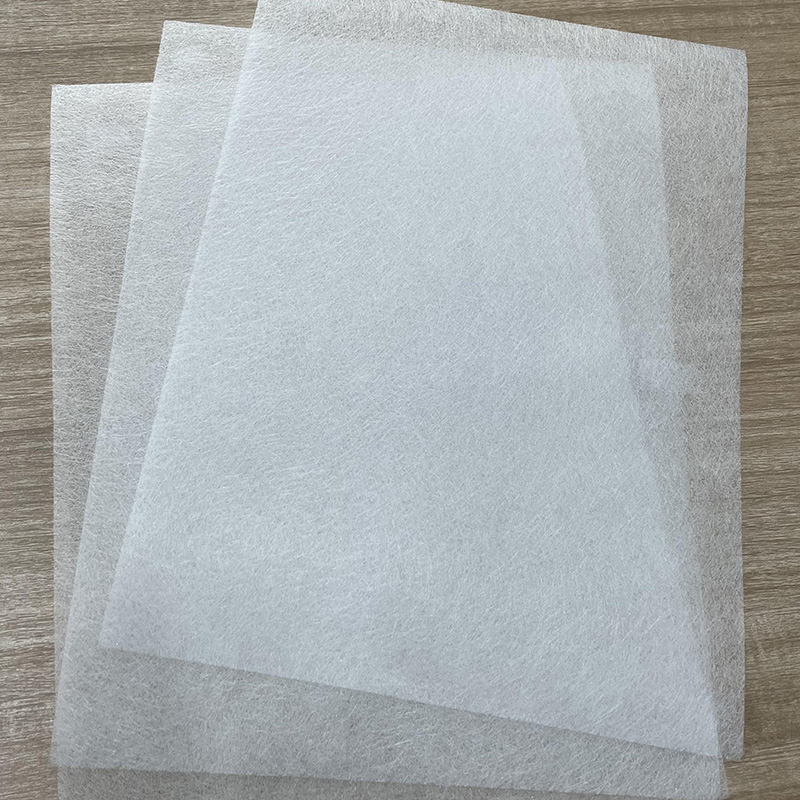
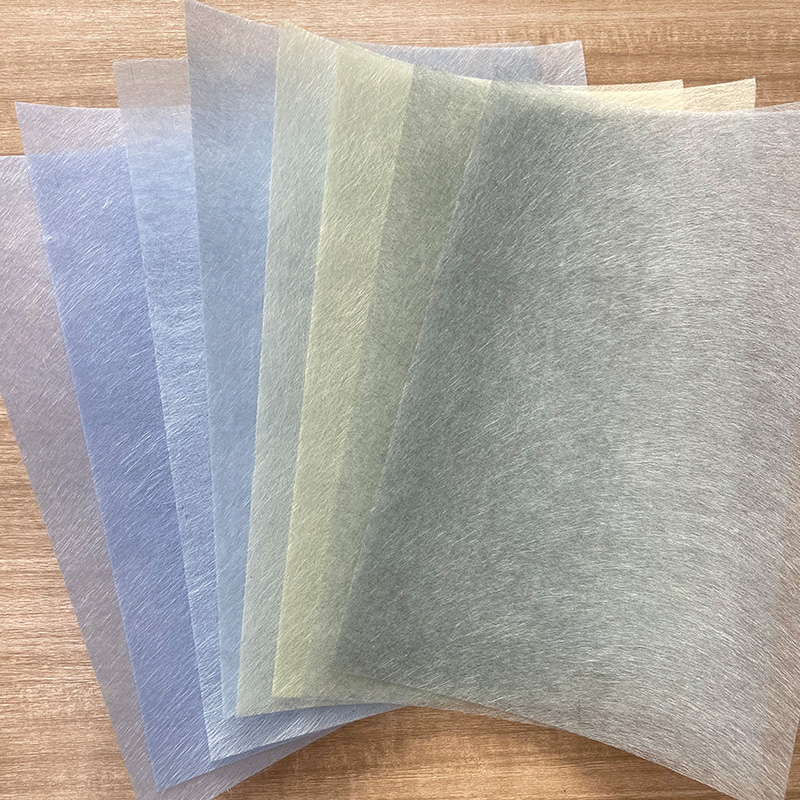
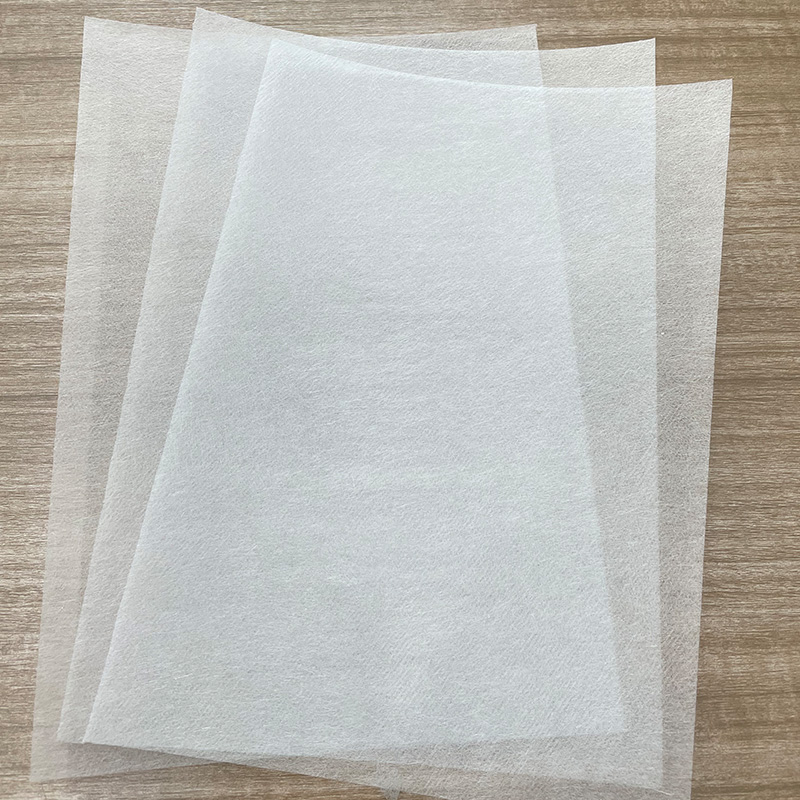
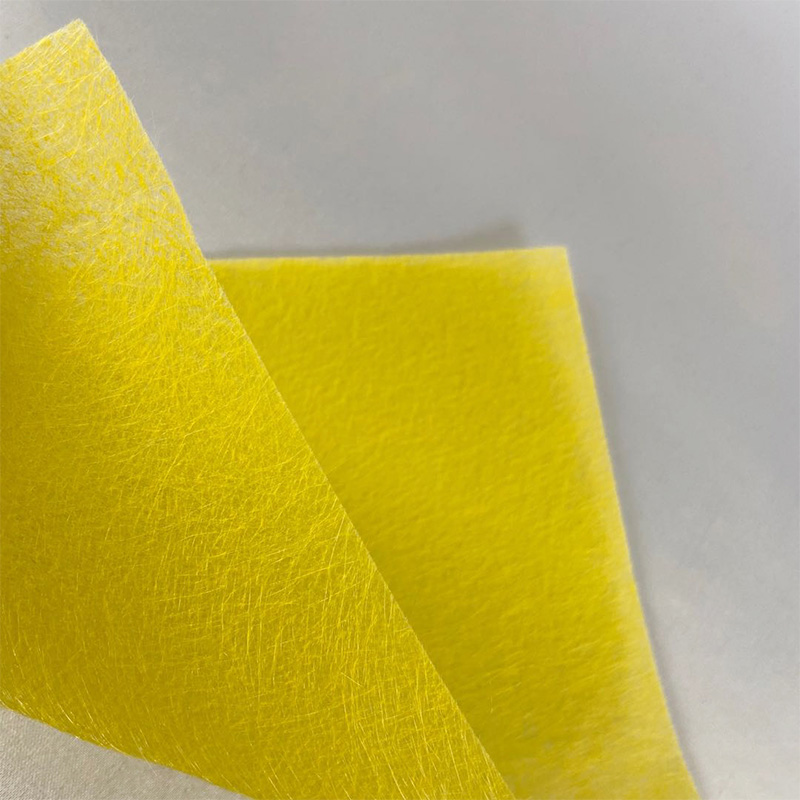
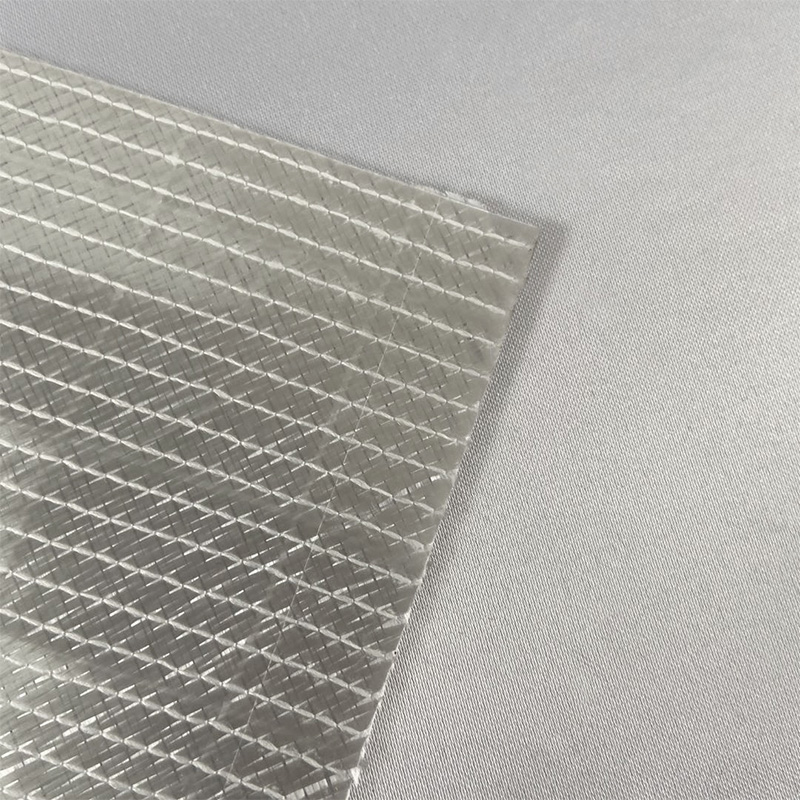
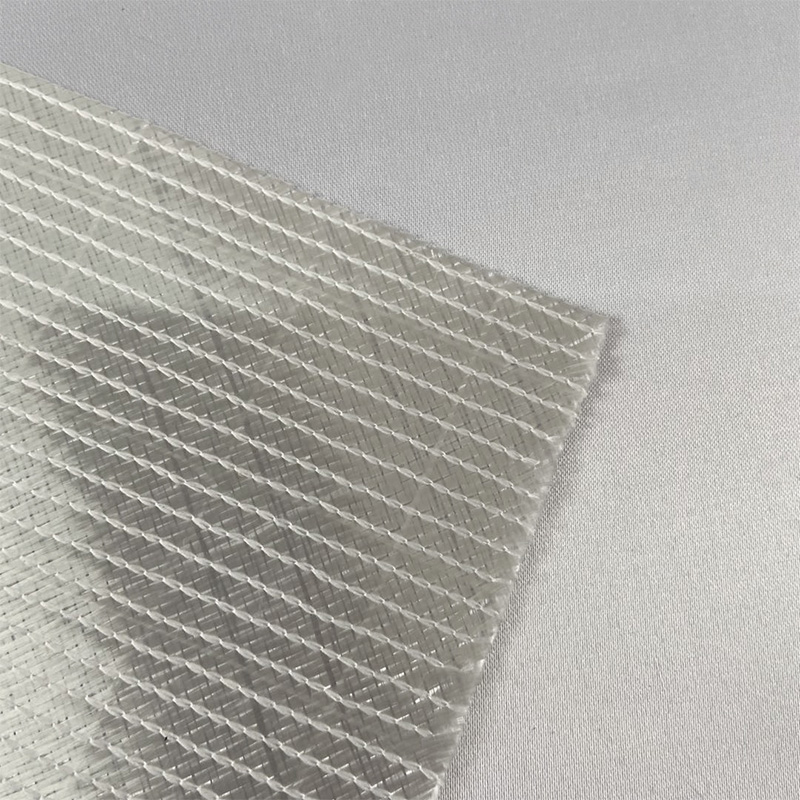
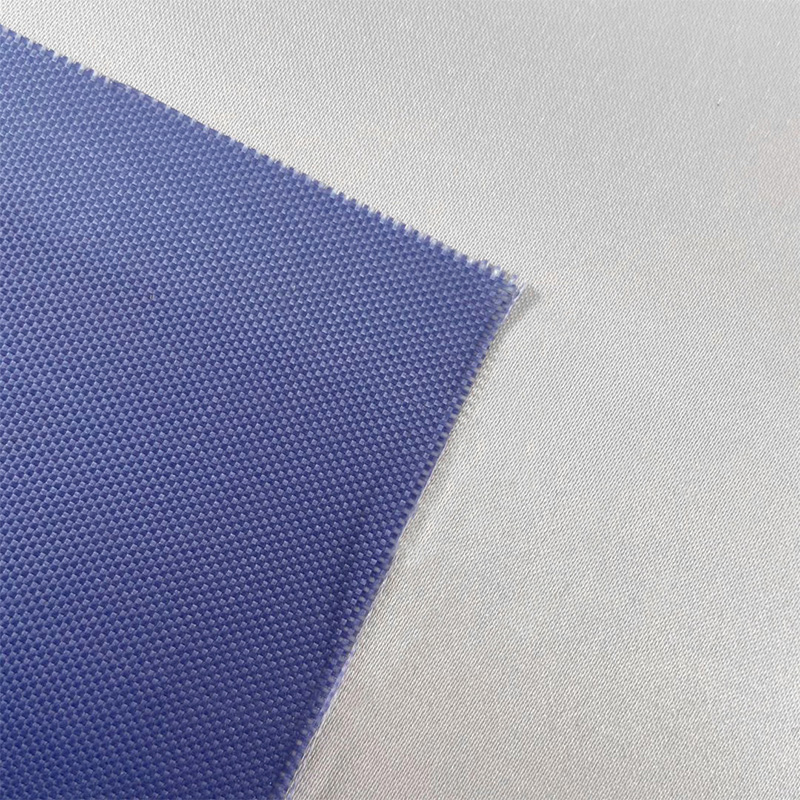
Fiberglass tissue mat/veil is a thin nonwoven material made from randomly distributed E-glass fibers bonded with specialized binders, designed to reinforce and finish the surface of composite products. The structure combines fine glass fibers, binder materials, and a resin-compatible surface treatment that lets the veil bond cleanly with polyester, epoxy, or vinyl ester resin systems during lamination.
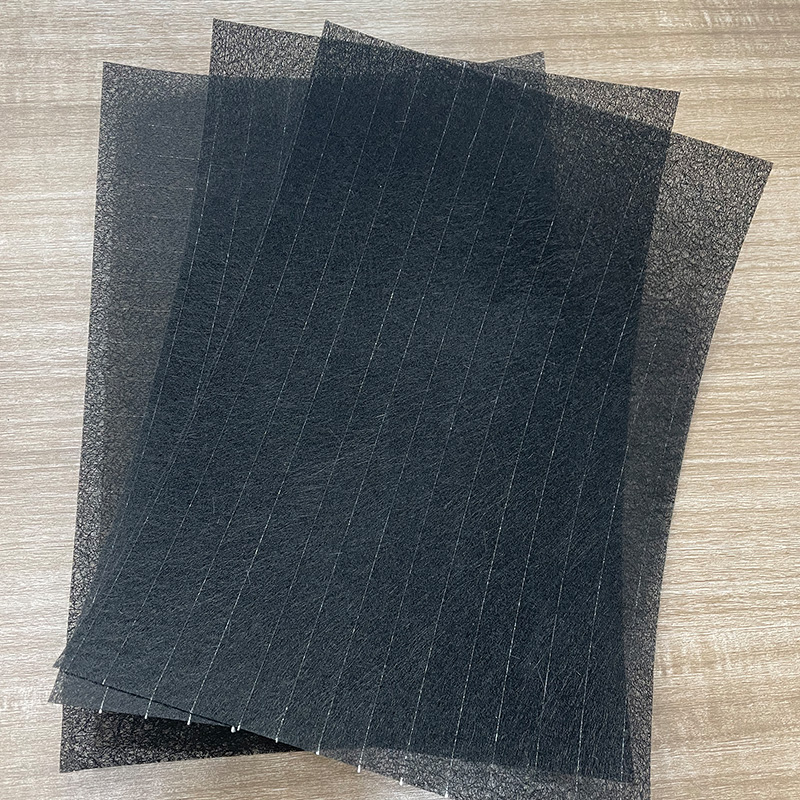
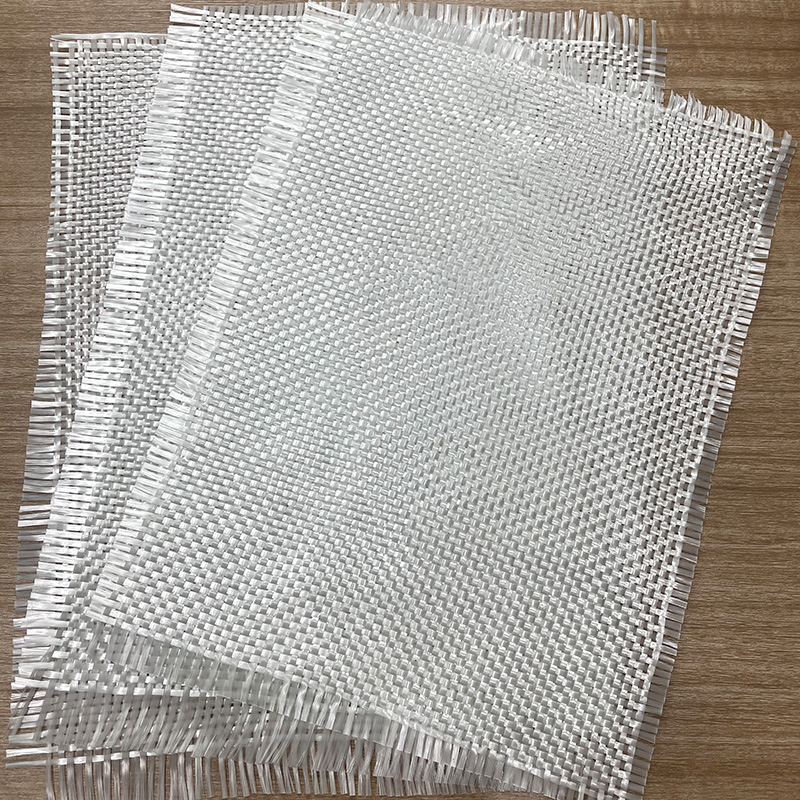
Common product types include general surface tissue mat, roofing fiberglass tissue, pipe wrapping veil, battery separator mat, FRP surface veil, and flame-retardant fiberglass tissue, each formulated with a binder and weight suited to its specific composite application. A fiberglass tissue mat/veil earns its place in a layup by improving surface quality while adding almost no weight to the finished part.
What a Quality Veil Delivers
Surface Finish
Uniform fiber distribution reduces surface defects and print-through on the finished composite.
Corrosion Resistance
Glass fiber structure holds up against moisture and chemical exposure in demanding environments.
Resin Compatibility
Surface treatment bonds cleanly with polyester, epoxy, and vinyl ester resin systems.
Thermal Stability
Maintains reinforcement performance under elevated temperature conditions.
Match weight to purpose: lighter tissue grades suit fine surface finishing, while heavier grades add measurable reinforcement strength to pipeline and tank applications.
Where Fiberglass Tissue Gets Used
Construction and building materials use fiberglass tissue in waterproof roofing membranes and wall reinforcement systems where durability directly extends material lifespan. FRP composite manufacturing depends on the veil for lightweight reinforcement with strong resin bonding across composite panels and industrial components, while pipeline and tank manufacturing relies on the same corrosion resistance to extend equipment service life in chemical environments.
Automotive and Renewable Energy Uses
Automotive composite components use fiberglass tissue to cut weight without sacrificing structural reinforcement, and wind energy manufacturers apply it as a reinforcement layer in turbine blade composites where high strength at low weight is non-negotiable.
Fiberglass Tissue vs Traditional Reinforcement Materials
| Feature | Fiberglass Tissue Mat/Veil | Traditional Reinforcement Material |
| Surface quality | Uniform, reduces defects | Depends on fiber structure |
| Environmental resistance | Strong corrosion and temperature resistance | Often lower resistance |
| Processing | Lightweight, easy to process | May need additional processing |
| Applications | Construction, FRP, automotive, industrial | Limited by material properties |
How to Choose the Right Fiberglass Veil
Define the Application First
Composite type, required strength, environmental exposure, and resin system all shape which fiber weight and binder combination will actually perform in your process.
Verify the Manufacturing Standard
Check fiber composition, binder type, surface treatment, and production technology against your quality standards, then confirm the supplier's manufacturing capacity, customization capability, and technical support before committing to volume orders.
Key Takeaways
The right fiberglass tissue mat/veil improves surface quality, corrosion resistance, and resin bonding across nearly every composite manufacturing process, provided the fiber weight and binder system are matched to the specific application. Getting that match right up front is what separates a smooth, durable finished composite from one prone to surface defects down the line.
 Previous