
 English
 中文简体
中文简体 русский
 Español
Direct Answer: What Are Roofing Tissue and Fiberglass Tissue Mat?
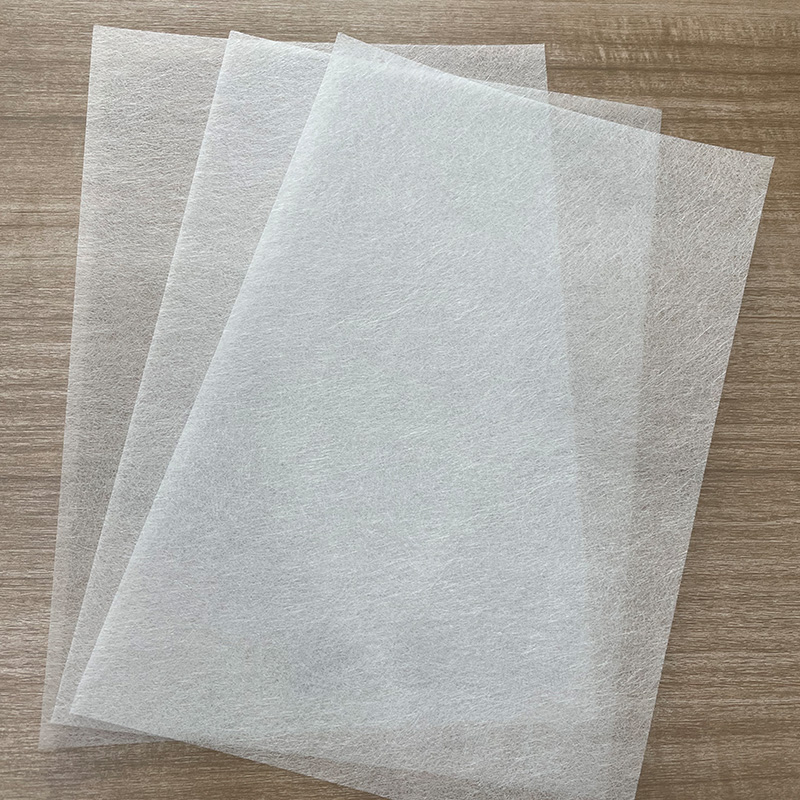
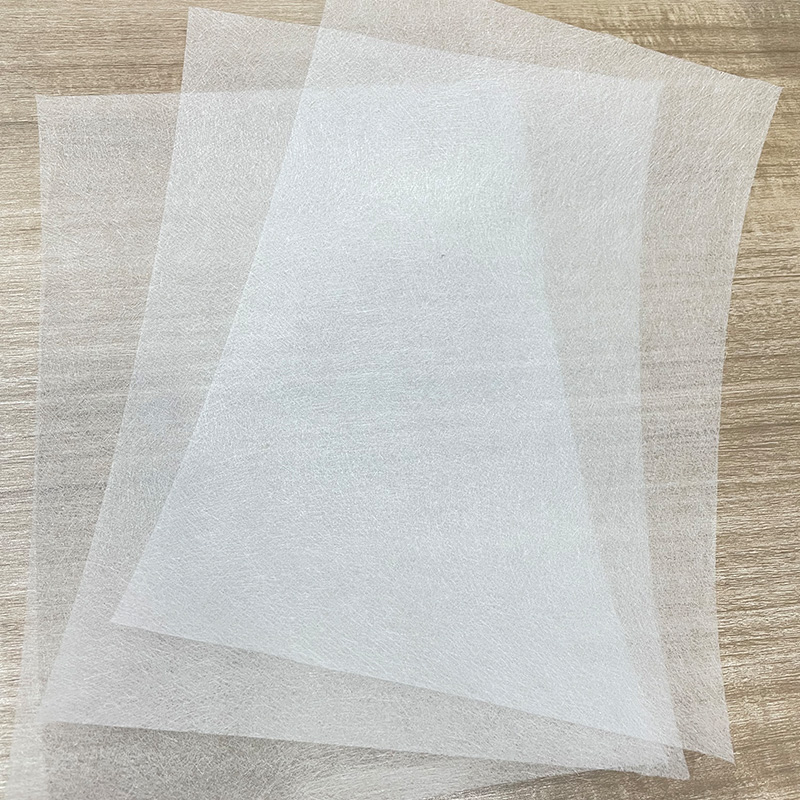
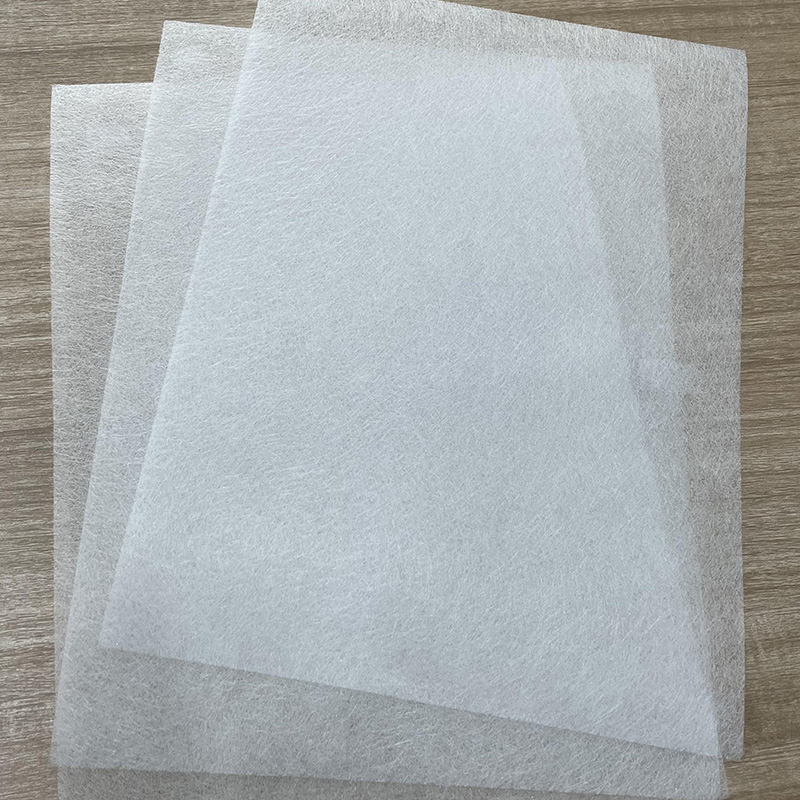
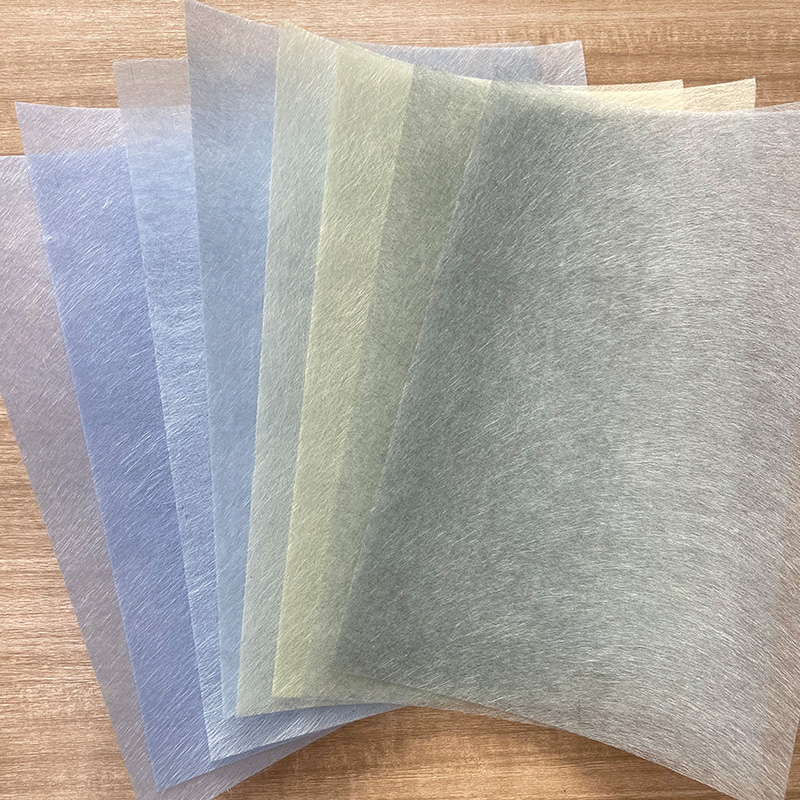
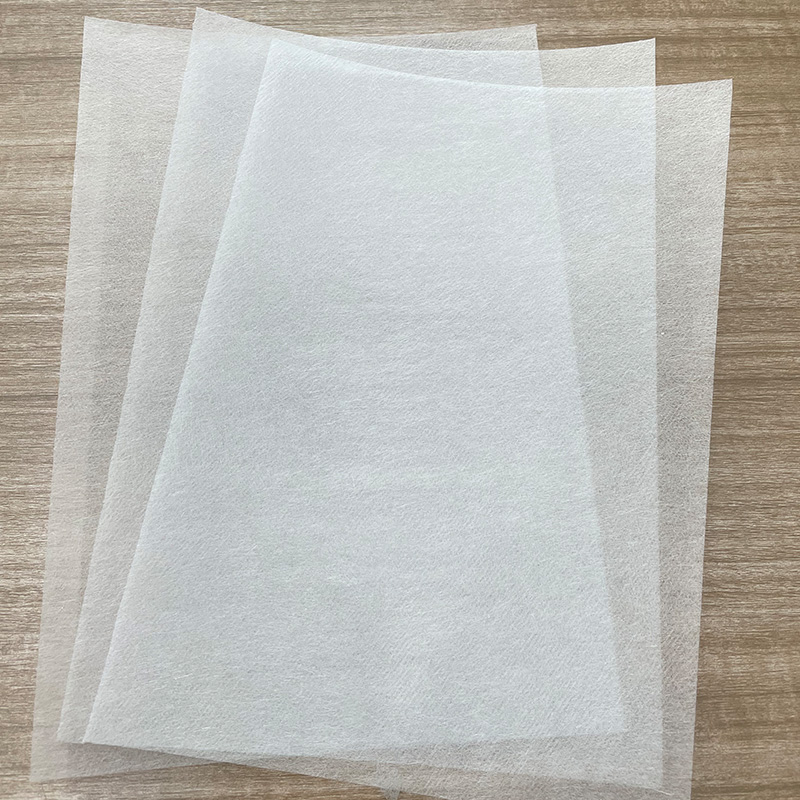
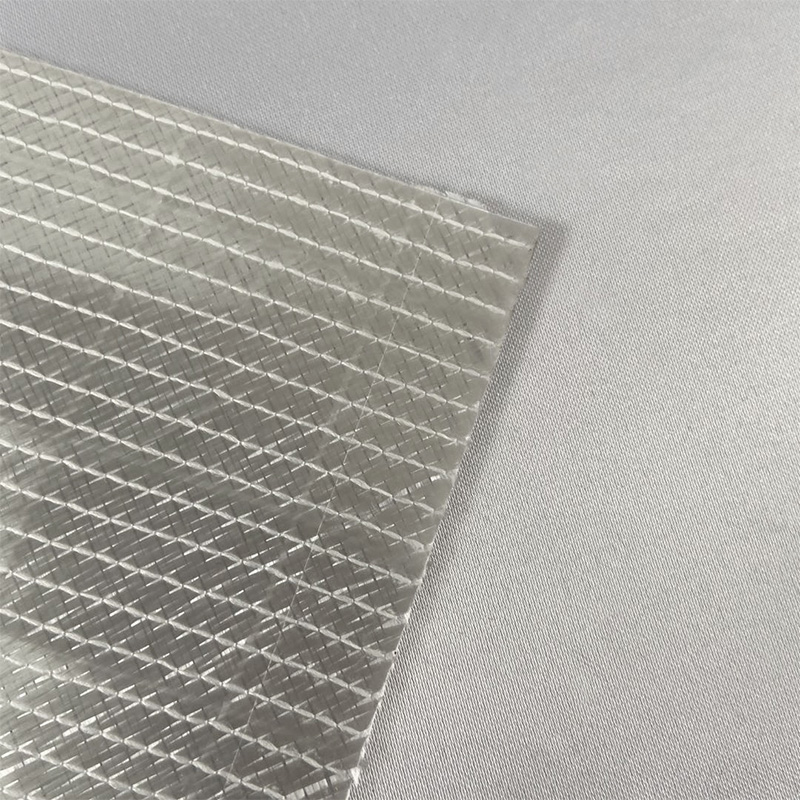
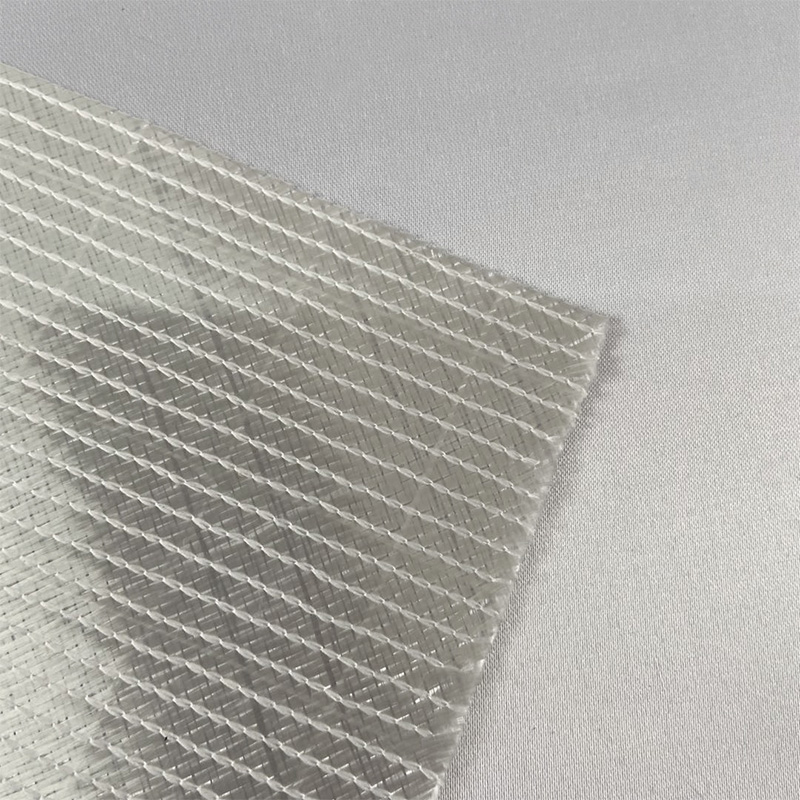
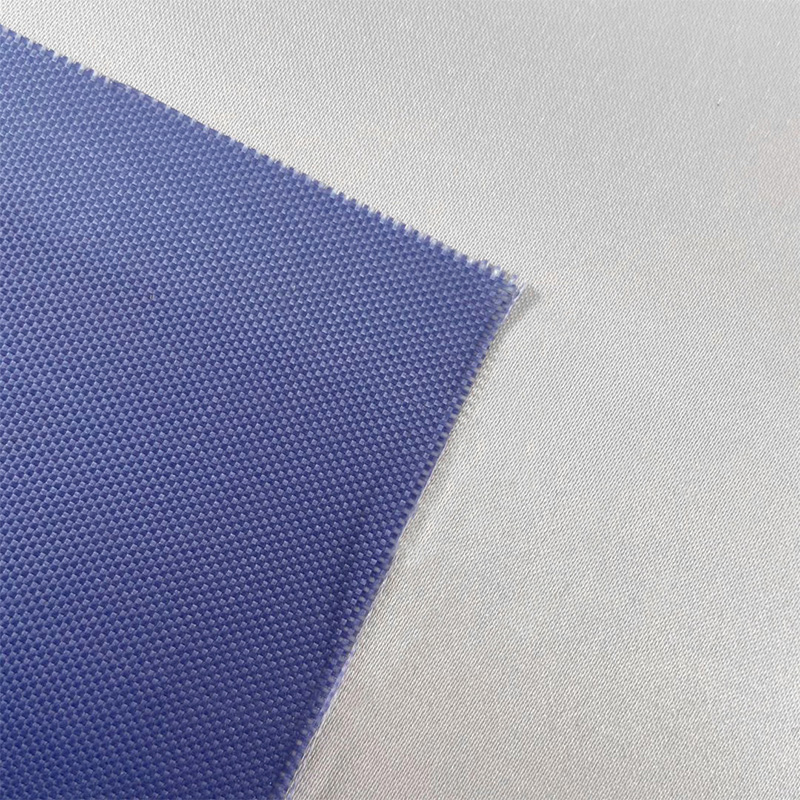
Roofing tissue and fiberglass tissue mat are nonwoven reinforcement materials manufactured from chopped E-glass fibers through a wet-laid process. These materials serve as the structural backbone in waterproofing membranes, providing high tensile strength, dimensional stability, corrosion resistance, and rapid bitumen saturation.
The primary types include standard roofing tissue (for modified bitumen membranes), surfacing tissue (for surface finishing), reinforced tissue (with added directional strength), and coated tissue (with specialty facings). Each type is engineered for specific applications ranging from built-up roofing (BUR) systems to pipe wrapping and foam glass insulation.
Core Material Properties and Performance Characteristics
Fiberglass roofing tissue is defined by several critical performance attributes that distinguish it from organic felt and other reinforcement materials:
- High Tensile Strength: Typical wet tensile strength ranges from 70 N/5cm to over 100 N/5cm depending on basis weight and manufacturing parameters.
- Dimensional Stability: Fiberglass mats exhibit zero thermal memory, meaning they do not shrink or expand with temperature fluctuations—a critical advantage over organic felts.
- Superior Bitumen Absorption: The uniform porosity of fiberglass tissue allows complete bitumen embedment without excessive bleed-through, ensuring optimal membrane adhesion.
- Corrosion and Moisture Resistance: Inorganic glass fibers do not absorb water, hold their shape, and resist fire—unlike cellulose-based organic felts.
- Weight Range: Common basis weights include 45 g/m², 50 g/m², 55 g/m², 60 g/m², 70 g/m², and 90 g/m², with thicknesses ranging from 0.15 mm to 0.40 mm.
Classification of Roofing Tissue Types
Roofing tissue products are classified along multiple dimensions: by mat type, binder system, and application-specific formulation.
By Mat Structure
- Chopped Strand Mat (CSM): Composed of randomly oriented chopped glass fibers bonded with a resin binder. This is the most common type for roofing applications, offering excellent isotropic strength.
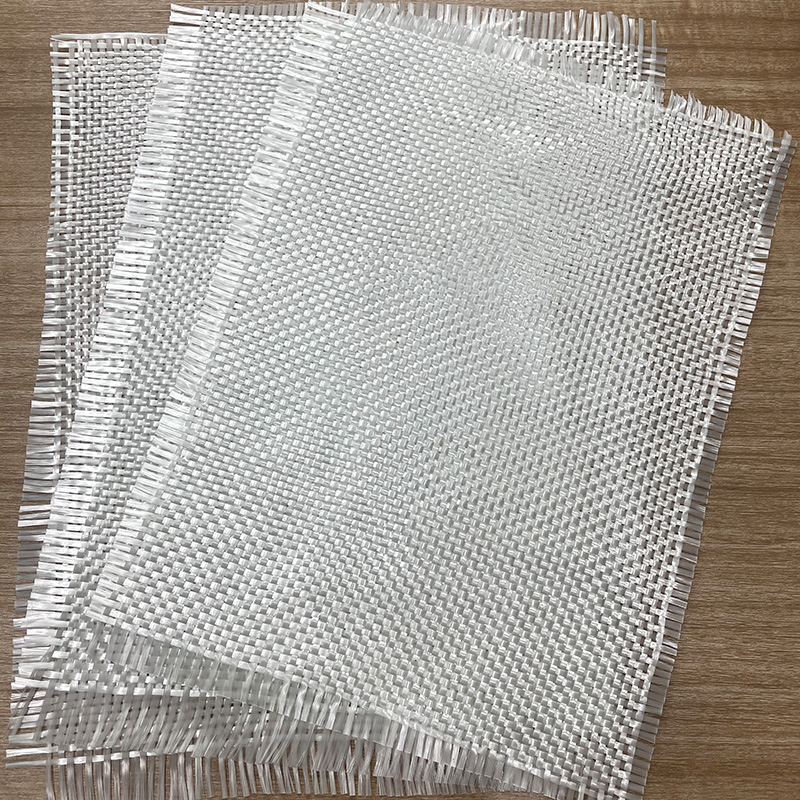
- Continuous Filament Mat: Features continuous bundled yarns, providing superior reinforcement across large surface areas.
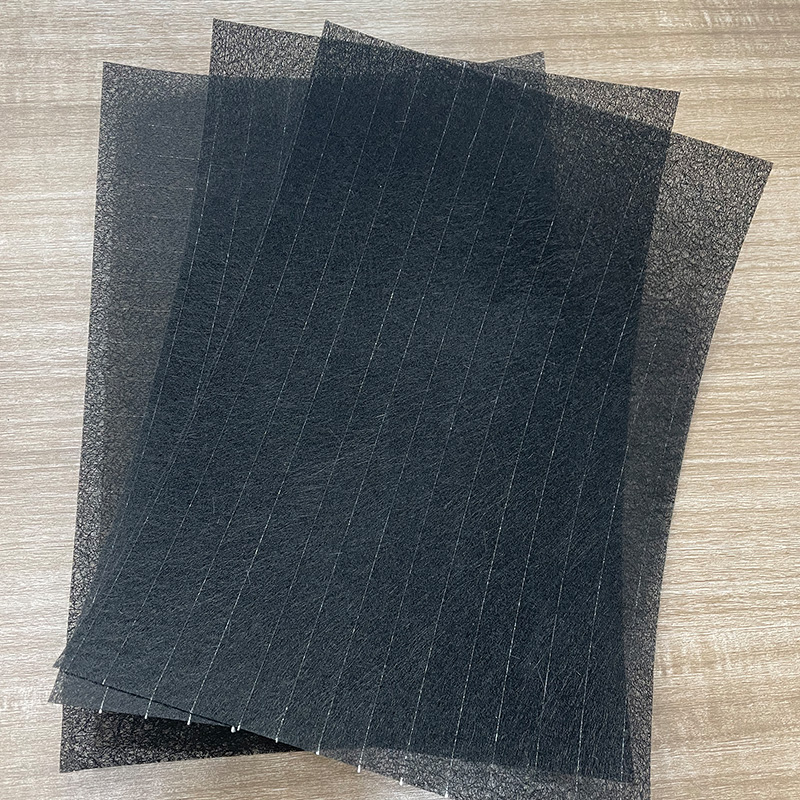
- Compound Base Mat: A combination material that may incorporate mesh or scrim reinforcements for enhanced tear resistance in demanding applications.
By Binder Type
- Powder Bonded: Uses powdered resin binders that provide excellent stiffness and handling characteristics.
- Emulsion Bonded: Utilizes emulsion-based binders for enhanced flexibility and softer hand-feel.
By Application Category
- Asphalt-Saturated Roofing Tissue: Pre-saturated with asphalt for enhanced moisture resistance and immediate compatibility with bituminous systems.
- Non-Saturated Roofing Tissue: Delivered in dry form for on-site saturation or use in specialized membrane formulations.
- Thermal Insulation Roofing Tissue: Engineered for high-temperature resistance and compatibility with foam glass and mineral wool insulation systems.
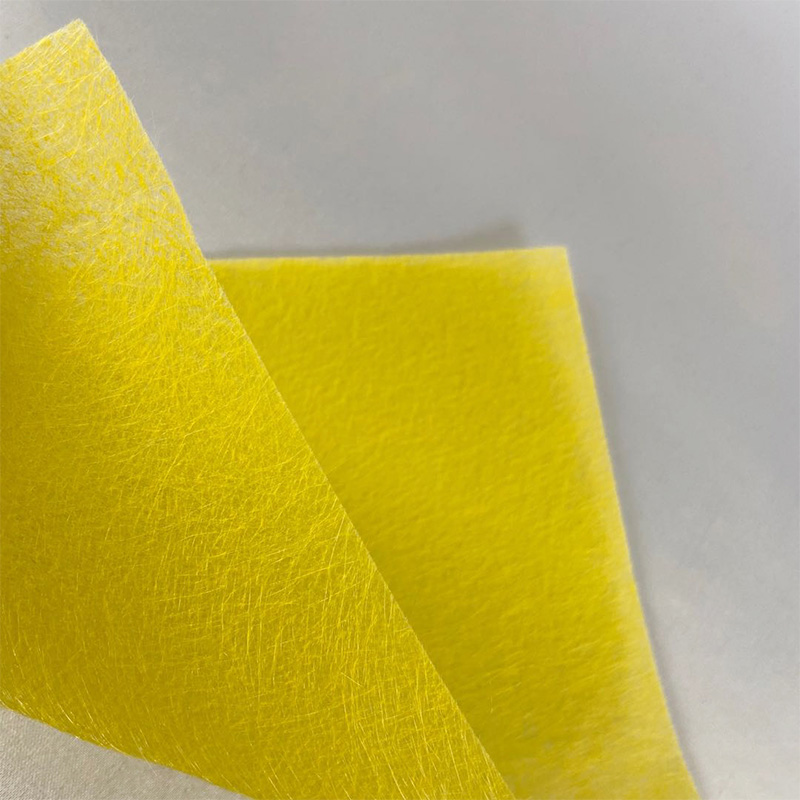
- Surfacing Tissue: A lighter-weight variant (typically 30–50 g/m²) used as a surface veil to provide a smooth, uniform finish.
Primary Applications of Roofing Tissue and Fiberglass Mat
Modified Bitumen Membranes (SBS and APP)
Fiberglass roofing tissue is widely used as the substrate material for both SBS (styrene-butadiene-styrene) and APP (atactic polypropylene) modified bitumen membranes. The tissue provides the dimensional stability and tensile strength required to withstand thermal cycling and mechanical stress while the bitumen coating delivers waterproofing performance.
Built-Up Roofing (BUR) Systems
In built-up roofing systems, fiberglass mats serve as interply reinforcement layers between bitumen moppings. The mat's uniform porosity ensures complete bitumen penetration without excessive bleed-through, creating a cohesive, multi-layered membrane with exceptional durability. Research has demonstrated that fiberglass reinforcement increases tensile strength from 23 to 73 lb/in in built-up membrane specimens.
Roofing Underlayment
Fiberglass mat serves as the reinforcing backbone in both asphalt-saturated felt underlayment and self-adhered membrane underlayment. Unlike organic felt, fiberglass-based underlayment does not absorb moisture, maintains dimensional stability, and provides fire resistance.
Shingle Reinforcement
Fiberglass mats are used as the reinforcing substrate in asphalt shingle manufacturing, providing the tear resistance and dimensional stability that distinguishes premium shingles from organic-based alternatives.
Pipe Wrapping and Industrial Waterproofing
Roofing tissue is extensively used for pipe wrapping, tank lining, and industrial equipment protection where corrosion resistance and moisture barrier properties are essential.
Gypsum Board and Insulation Facings
Fiberglass tissue serves as a facing material for gypsum roof boards and foam insulation panels, providing a mold-resistant, moisture-resistant surface that enhances panel durability.
Selection Criteria: How to Choose the Right Roofing Tissue
Selecting the appropriate roofing tissue requires careful consideration of the following factors:
Comparison: Fiberglass Tissue vs. Organic Felt
Understanding the differences between fiberglass tissue and traditional organic felt is essential for informed material selection:
Manufacturing Process Overview
Fiberglass roofing tissue is produced through a wet-laid process, which involves the following key stages:
- 1. Chopping: E-glass fibers are chopped into specified lengths
- 2. Dispersion: Chopped fibers are dispersed in a water-based slurry
- 3. Web Formation: The slurry is deposited onto a moving wire screen to form a uniform fiber web
- 4. Binder Application: Resin binder is applied (powder or emulsion type)
- 5. Drying and Curing: The mat passes through drying ovens to cure the binder
- 6. Winding: The finished tissue is wound into rolls for shipping and installation
Frequently Asked Questions
What is the difference between roofing tissue and roofing felt?
Roofing tissue is a nonwoven fiberglass mat that serves as reinforcement within a membrane, while roofing felt is a saturated product (typically asphalt-impregnated) that functions as an underlayment or finished membrane layer. Tissue is the reinforcing substrate; felt is the finished sheet material.
What basis weight of roofing tissue should I choose?
Selection depends on the application: 45–60 g/m² for standard modified bitumen membranes and surfacing applications; 70–90 g/m² for high-strength requirements, heavy-duty membranes, and reinforced systems.
Is fiberglass roofing tissue fire-resistant?
Yes. Fiberglass is an inorganic material that does not support combustion. This is a significant advantage over organic felts, which are combustible.
Can fiberglass tissue be used in cold-applied roofing systems?
Yes. Fiberglass tissue is compatible with both hot-applied and cold-applied bituminous systems, as well as self-adhered membranes.
How does fiberglass tissue improve membrane performance?
Fiberglass tissue provides dimensional stability, tensile strength, tear resistance, and a uniform reinforcement layer that distributes stress evenly across the membrane.
 Previous