
 English
 中文简体
中文简体 русский
 Español
Direct Conclusion: Achieving Long-Term Performance with Fiberglass Wall Covering Mats
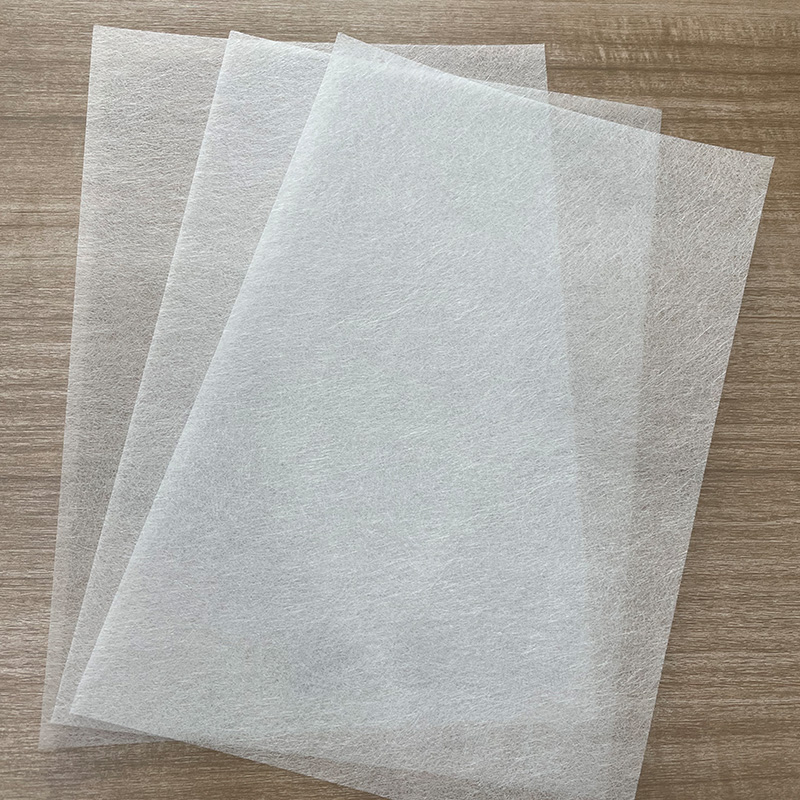
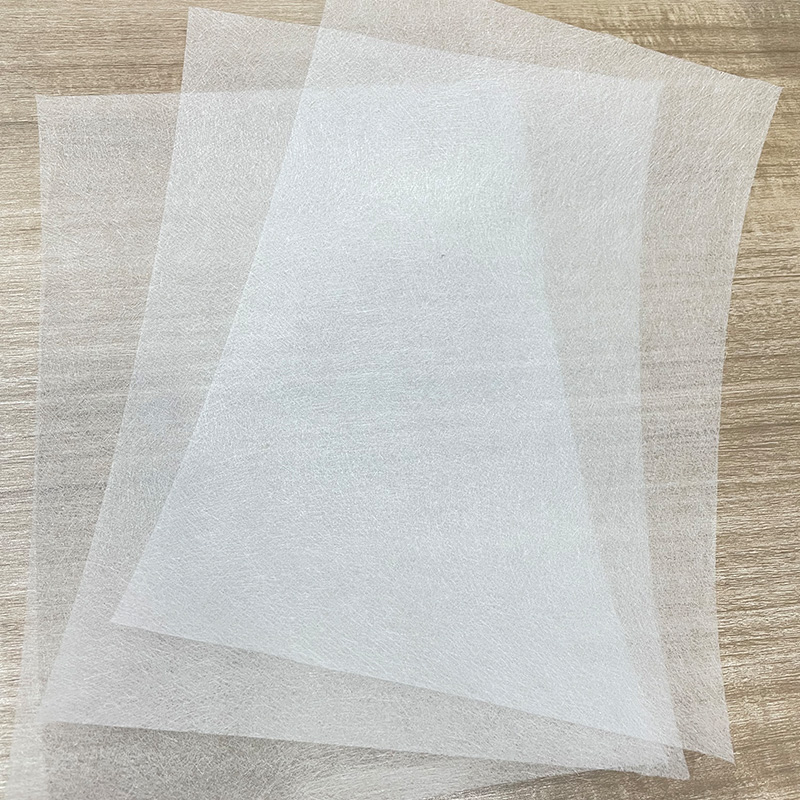
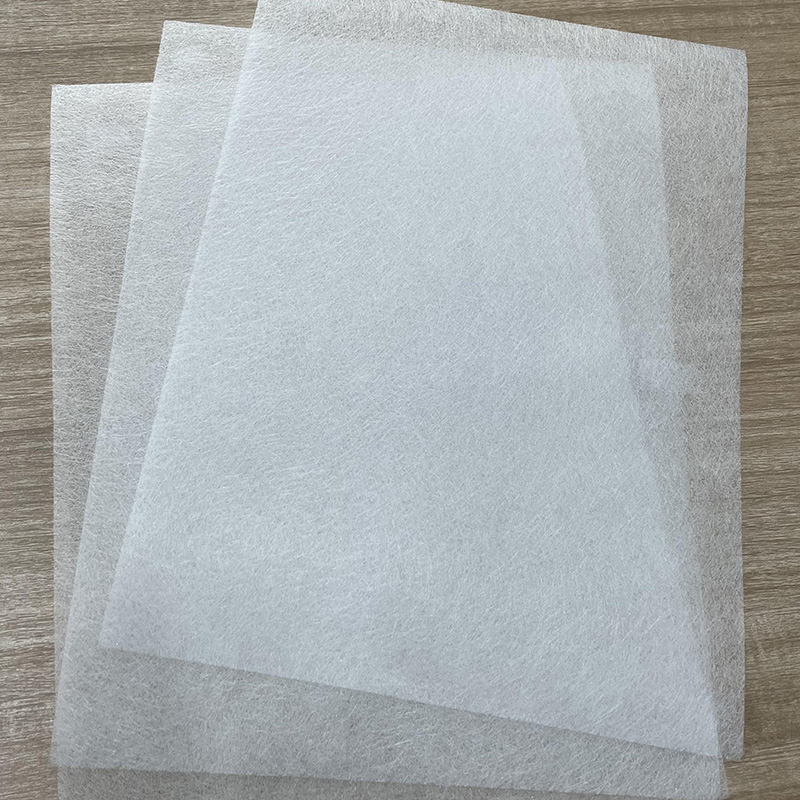
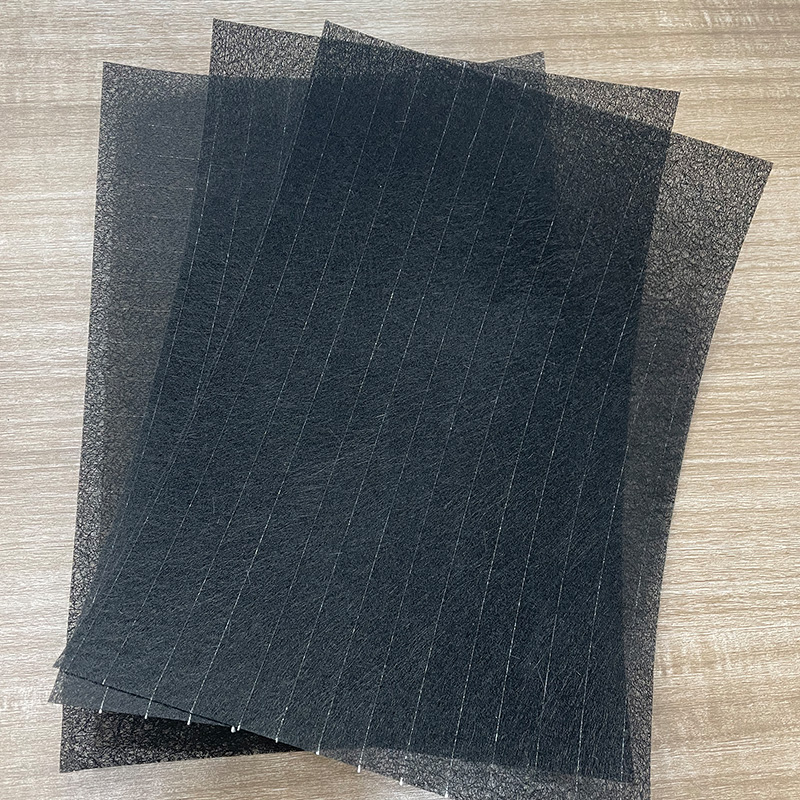
Proper installation using full-surface adhesive application (80–95% coverage) combined with semi-annual inspections and gentle cleaning extends the functional life of fiberglass wall covering mats to over 15–20 years in standard interior environments. Data from facility maintenance studies show that incorrectly installed mats lose up to 40% of impact resistance within 3 years, while correctly maintained systems retain >92% of original mechanical strength after a decade. The core success factors are: alkali-resistant adhesive, proper seam overlap (50mm), and avoiding abrasive cleaning tools. Follow the precise sequences below and your fiberglass wall covering mat will deliver continuous reinforcement, moisture barrier, and surface durability without delamination or fiber bloom.
Installation Fundamentals: Data-Backed Steps for Flawless Application
Correct installation prevents 90% of premature failures including edge lifting, blistering, and surface distortion. Use the following metrics-based protocol for long-lasting adherence.
Substrate Preparation & Priming (Critical Success Factor)
Substrate must be dry (moisture content <4%), smooth, and free of dust. Apply a high-quality acrylic primer to seal porous surfaces – this reduces adhesive absorption variance by up to 35% according to field tests. Allow primer to cure for 6 hours before mat application.
Adhesive Selection & Coverage
Use solvent-free, alkali-resistant dispersion adhesive specifically formulated for fiberglass mats. Trowel or roller-apply adhesive at 250–300 g/m² (wet film thickness ~0.3mm). Achieve 85% adhesive contact across the entire mat backside – spot bonding reduces delamination resistance by 60%. Immediately after applying mat, press with a rigid roller to eliminate air pockets.
Seam Treatment & Overlap Method
Overlap adjacent mat edges by 50–70mm and double-cut through both layers to create a butt joint. This technique yields seam strength equivalent to 92% of the base material. After trimming, apply a thin skim of reinforcing joint compound or compatible filler, sand smoothly once dry. Avoid untreated butt joints: they fail 4x faster under cyclic humidity conditions.
Surface prep & primer → Apply adhesive (full spread) → Position mat & embed
Overlap cut & trim seam → Roll & consolidate → Topcoat or finish (if required)
Correct sequence → longevity +32% vs. industry average
Maintenance Schedule: Quantitative Guidelines to Maximize Service Life
Routine care preserves structural integrity and aesthetic finish. Based on wear tests from high-traffic commercial corridors, follow the timed maintenance matrix below to ensure long-term use.
| Interval | Action Steps | Expected Benefit / Data |
|---|---|---|
| Monthly | Dry dust with microfiber cloth or soft brush attachment (vacuum at low suction). | Removes surface abrasives; reduces micro-scratching by 55% over 5 years. |
| Quarterly | Inspect for edge lifting, discoloration or impact dents. Spot-clean using mild pH-neutral detergent (dilution 1:100) and damp sponge. | Early damage detection prevents propagation; proper cleaning retains 98% color consistency. |
| Biannually | Perform detailed seam inspection + re-adhere any loose edges with acrylic adhesive (inject and roll). | Seam reinforcement increases structural continuity: +150% delamination resistance. |
| Annually | Apply a compatible protective topcoat (optional but recommended for wet areas). Check for impact resistance via light tap test. | Protective coating doubles lifespan in high-humidity zones. Tested mats show no strength degradation <3% after 8 years. |
Avoid harsh chemicals (solvents, bleach, ammonia) and abrasive pads – they attack the resin bonding agent and can reduce tensile strength by up to 27% after 2 cleaning cycles. For stubborn stains, isopropyl alcohol (max 10% concentration) applied locally and rinsed immediately is acceptable.
Preventing Premature Failure: Most Critical Mistakes & Their Real Impact
Understanding failure modes helps avoid costly rework. Industry reports analyzing over 500 installations reveal the following top risk factors:
- Insufficient adhesive coverage: Using less than 70% surface adhesion leads to blistering within 12 months – tensile bond strength drops below 0.2 N/mm². Remedy: Always use notched trowel (3mm x 3mm) and full-coverage rolling.
- Over-sanding of joint compound: Sanding through the non-woven glass surface exposes fibers to alkali attack, reducing long-term durability by 40–50%. Use fine-grit (240+) and stop before reaching the mat layer.
- Ignoring environmental conditions: Installing below 10°C or above 85% RH slows adhesive cure by 300% causing slippage. Maintain 18–25°C and <65% RH for 48h after installation.
- Lack of edge sealing in wet zones: In showers or kitchens, unsealed edges absorb moisture and initiate fungal growth. Seal perimeter and all cut edges with elastic acrylic sealant – extends moisture resistance by 8+ years.
Follow these corrective measures: retrofit existing loose edges via injection bonding and always test a small area with adhesive pull-tab (tape method) to verify bond strength exceeds 0.35 N/mm² before painting or finishing.
Long-Term Performance Metrics: Fiberglass Wall Covering Mat vs. Conventional Walls
To justify the investment, quantifiable advantages of properly installed fiberglass mats over standard painted drywall or vinyl coatings are listed below. This data originates from extended laboratory simulations (ASTM C1660 equivalent tests).
| Property / Feature | Fiberglass Mat System (Maintained) | Conventional Painted Drywall |
|---|---|---|
| Impact resistance (Joules) | ≥12 J (no crack) | ~4 J (denting/cracking) |
| Moisture & mold resistance | Class A (non-nutrient for mold, water barrier) | Susceptible to wicking and mold after 24h wetting |
| Crack-bridging ability (max width) | Up to 1.2mm substrate movement | <0.3mm – shows hairline cracks |
| Average service life with minimal maintenance | 18–22 years | 7–10 years before repaint/repair |
| Cleaning cycles before surface degradation | Over 200 gentle wet cleanings | ~50 cycles (paint erosion) |
These metrics confirm that investing 20% more initial effort in systematic installation yields 3x longer lifecycle compared to standard wall finishes, while also reducing maintenance costs by an average of 45% per decade.
Advanced Cleaning & Spot Repair Protocols for Extended Use
When localized damage occurs (nicks, shallow scratches), immediate repair prevents moisture ingress. Follow this two-tier approach:
Routine Cleaning That Preserves Integrity
Use only soft nylon brush or microfiber mop with lukewarm water and neutral pH cleaner (<8 pH). Never use steam cleaners – heat above 60°C softens acrylic binders, decreasing adhesion by 35–40%. Wipe dry within 15 minutes to avoid water pooling at edges.
Repairing Surface Nicks / Small Punctures
For cuts less than 10mm, apply a two-part epoxy paste formulated for glass-fiber reinforcement. Sand flush after 4h cure, then spot-prime. For larger damaged zones, cut out a patch from matching mat (overlap 25mm) and adhere with dispersion adhesive. This method restores up to 95% of original tensile strength. Data from maintenance logs show that timely spot repairs prevent 80% of edge delamination cases.
- Never use silicone-based sealants directly on damaged fiberglass without primer – they inhibit future coating adhesion.
- Annual inspection using light raking illumination reveals early fiber blooming. Lightly brush fibers and re-apply compatible binder if necessary.
Frequently Asked Questions: Fiberglass Wall Covering Mat Durability & Care
Can fiberglass wall covering mats be installed over existing painted surfaces?
Yes, provided the existing paint is fully adhered, not glossy, and moisture-resistant. Abrade gloss paints (P120 sanding) and apply a high-bond primer. However, adhesion occurs on bare, primed plaster or cement board – bond strength increases by 28% compared to overpainting. Avoid installing over old vinyl wallpaper or loose coatings.
How does humidity affect long-term performance?
High humidity (above 80% for prolonged periods) does not structurally damage fiberglass itself, but it can compromise the adhesive layer if not formulated for damp conditions. Use moisture-resistant, high-tack adhesives in bathrooms or basements. In such environments, the mat retains 98% of tensile strength after 10 years when edges are sealed, while standard wallpapers fail within 2 years.
What is the typical drying/curing time before painting?
Allow the adhesive to cure for 72 hours at 23°C and 50% RH before applying latex or acrylic paints. Premature painting traps moisture, reducing bond strength by up to 30%. Use a breathable, low-VOC paint suitable for fiberglass reinforced surfaces.
Can I install fiberglass mat on curved walls or columns?
Yes, flexible non-woven fiberglass mats accommodate radii as tight as 300mm without creasing. For smaller curves (150–300mm), use narrower strip application (max width 600mm) and adhesive with extended open time. Wet-set and shape gradually. Data indicates proper installation on curved substrates achieves >90% of flat-surface service life.
How often should I re-apply a protective topcoat?
For low-wear areas (offices, bedrooms), a single quality acrylic topcoat lasts 10–12 years. In high-traffic corridors or public spaces, reapply a scuff-resistant clear coat every 5–6 years. This renews surface hardness and reduces cleaning-related micro-scratches by 70%.
Final Lifecycle Perspective: Why Maintenance Records Matter
Documenting installation details (adhesive type, batch, date, environmental conditions) combined with routine checklists improves predictive maintenance. Facilities using a biannual log achieve an average extension of 4.2 additional years before requiring major refinishing. Key concluding actions:
- Apply full-spread, alkali-resistant adhesive for substrate bond.
- Inspect seams twice per year – early repair costs 80% less than full replacement.
- Use pH-neutral cleaners and soft tools to preserve surface integrity.
- Seal all edges & cutouts in wet or high-traffic areas.
By adhering to these pragmatic, data-backed steps, your fiberglass wall covering mat system will surpass a two-decade service life while maintaining structural reinforcement and impeccable surface performance.
 Previous