
 English
 中文简体
中文简体 русский
 Español
When managing large-scale commercial renovations or high-end residential projects, selecting the right wall finish is a critical decision that impacts both immediate budgets and future maintenance costs. For decades, traditional wallpaper has been the standard option for adding texture, pattern, and color to interior spaces. However, modern material science has introduced advanced alternatives, notably wall covering tissue.
To determine which option is truly more cost-effective, project managers and property owners must look beyond the initial purchase price. A comprehensive evaluation requires analyzing installation efficiency, lifespan, environmental resilience, and long-term maintenance requirements.
Understanding the Material Composition
The fundamental difference between these two interior finishes lies in their structural composition, which directly dictates how they perform over time under various environmental stressors.
Traditional Wallpaper
Traditional wallpaper is typically manufactured from paper pulp, vinyl, or woven textiles. While vinyl-coated options offer some moisture resistance, paper-based products remain susceptible to structural tearing, moisture absorption, and fading when exposed to consistent sunlight.
Wall Covering Tissue
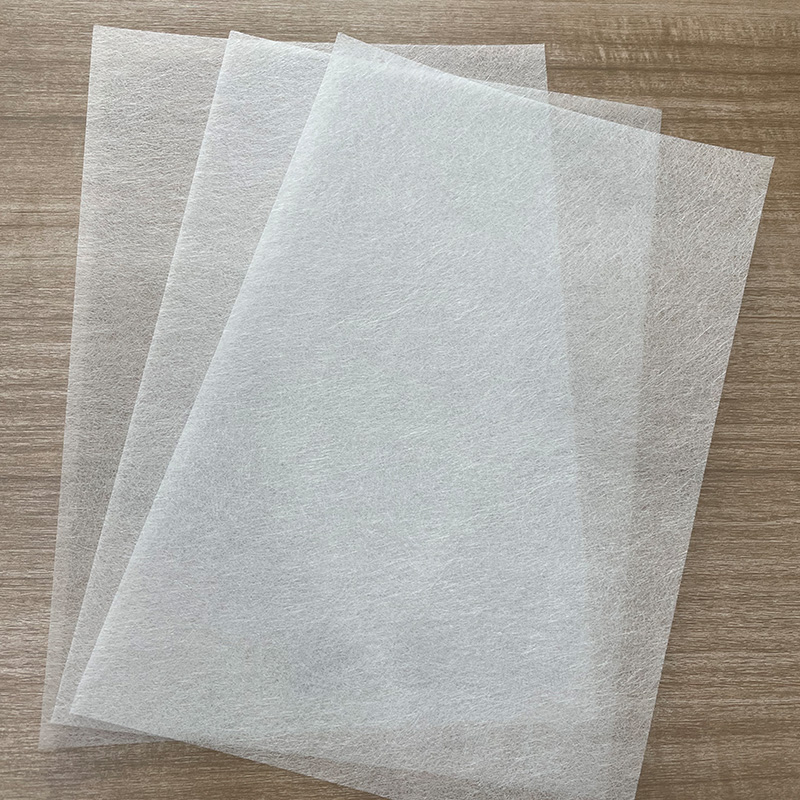
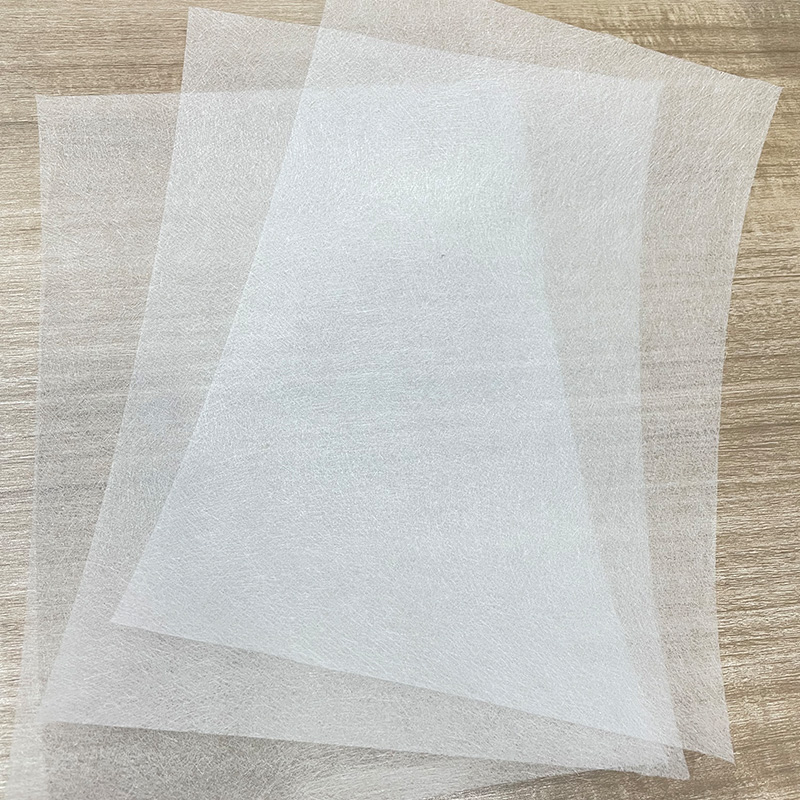
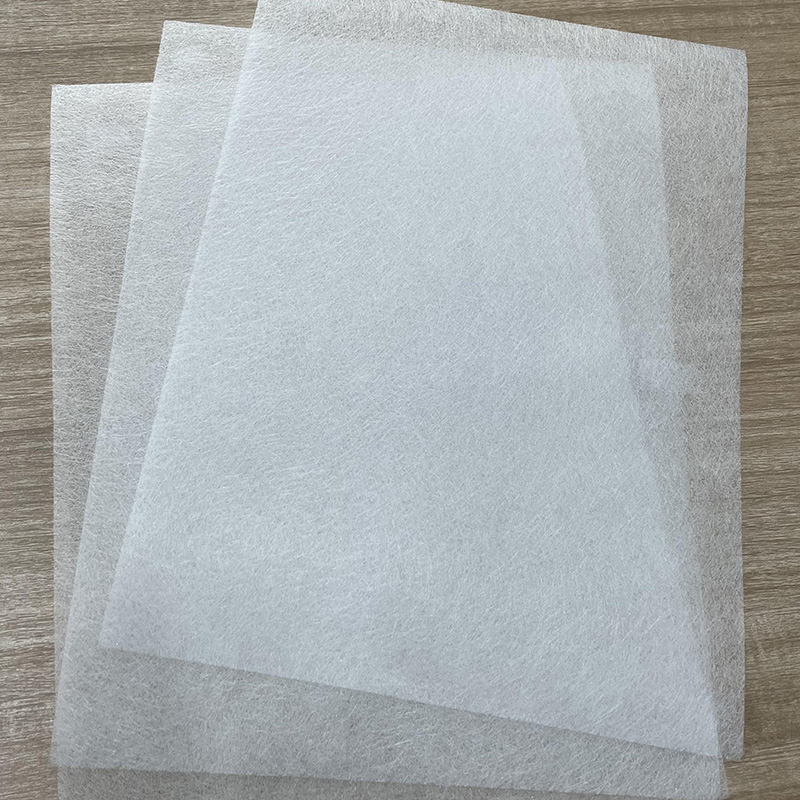
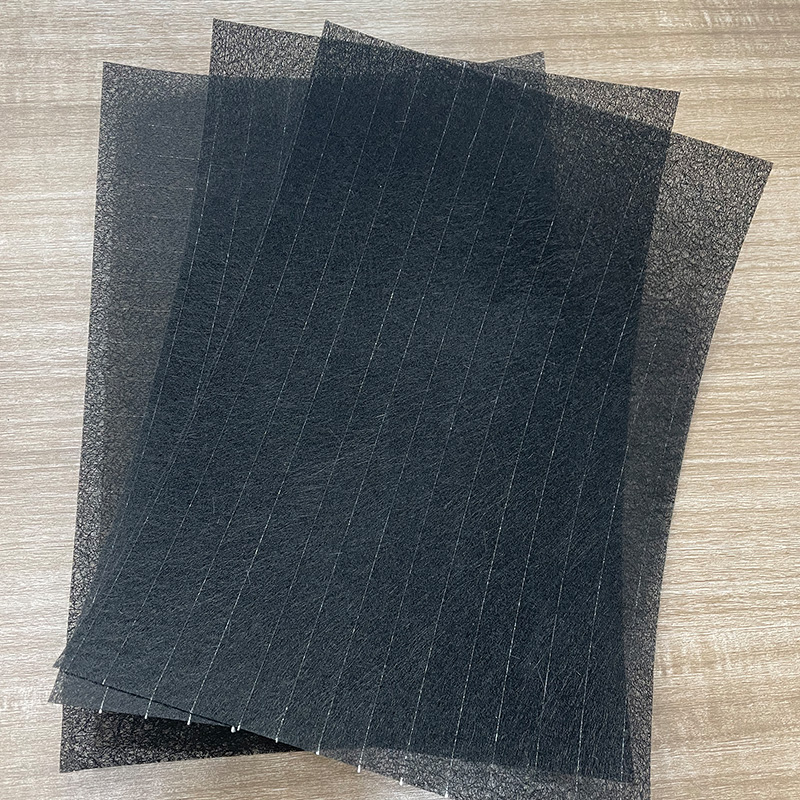
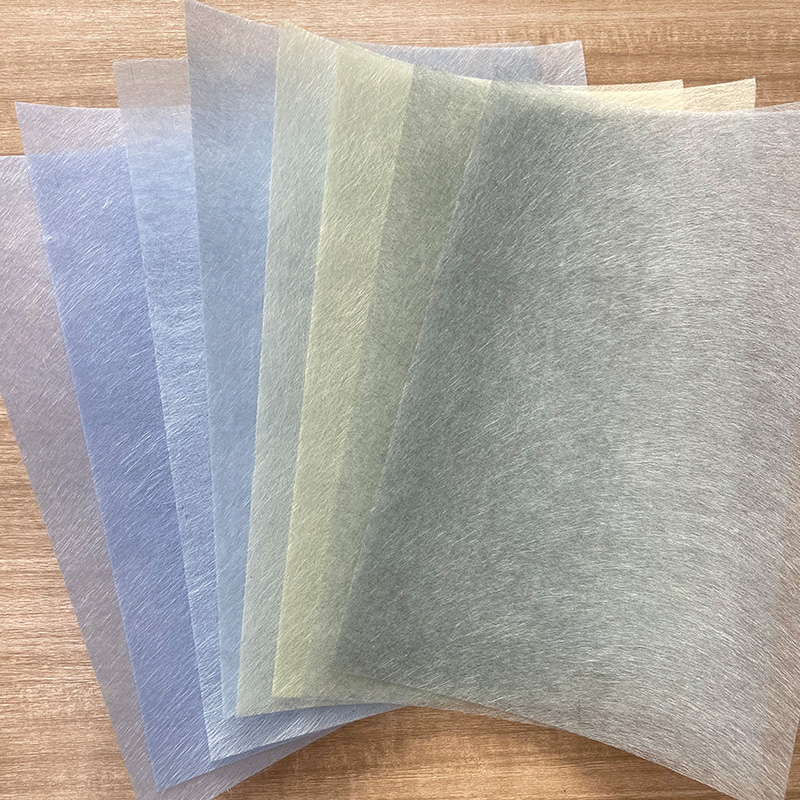
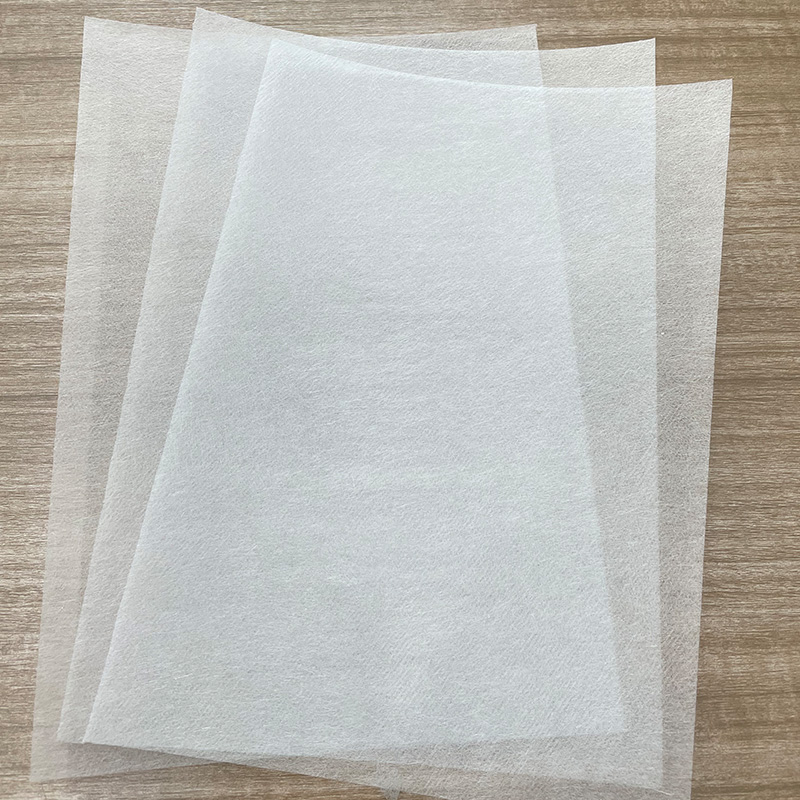
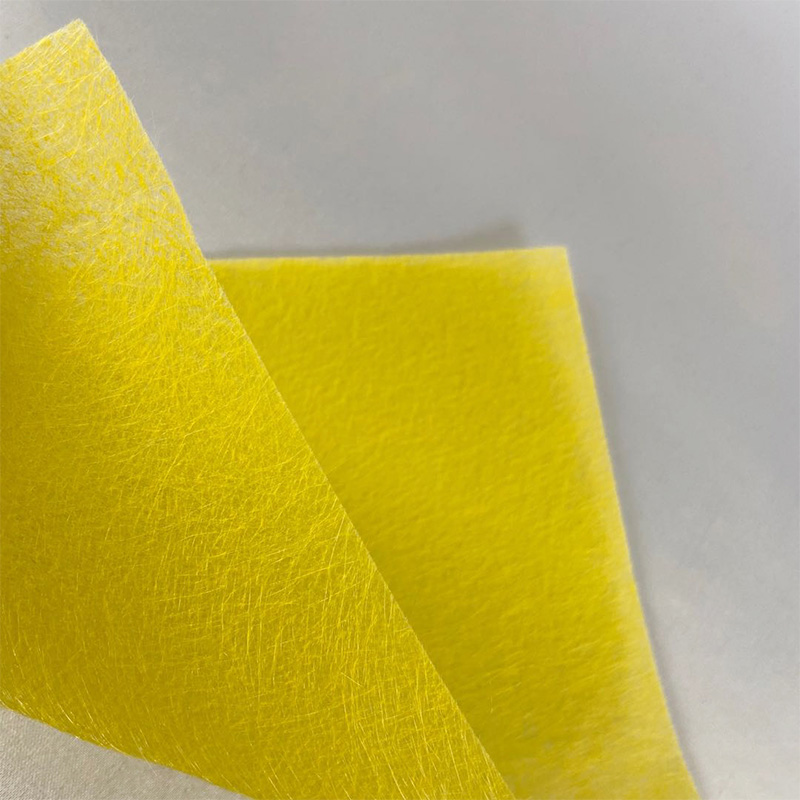
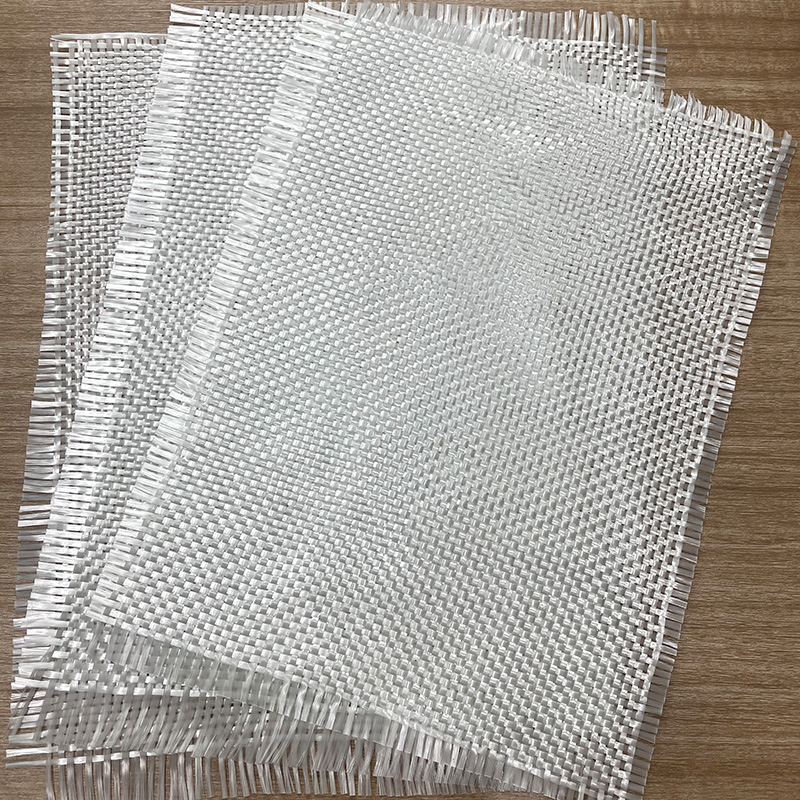
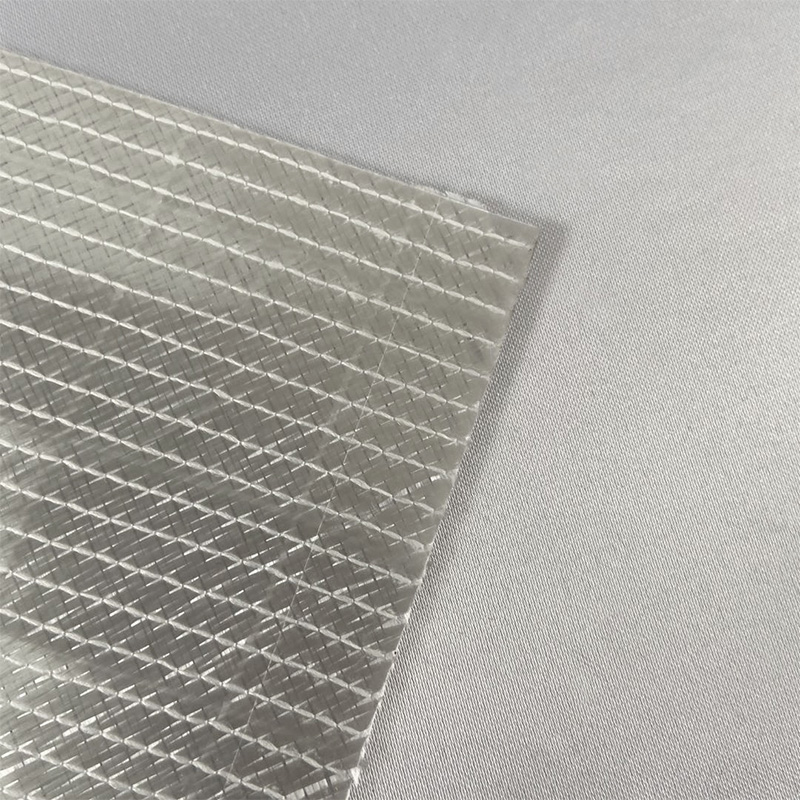
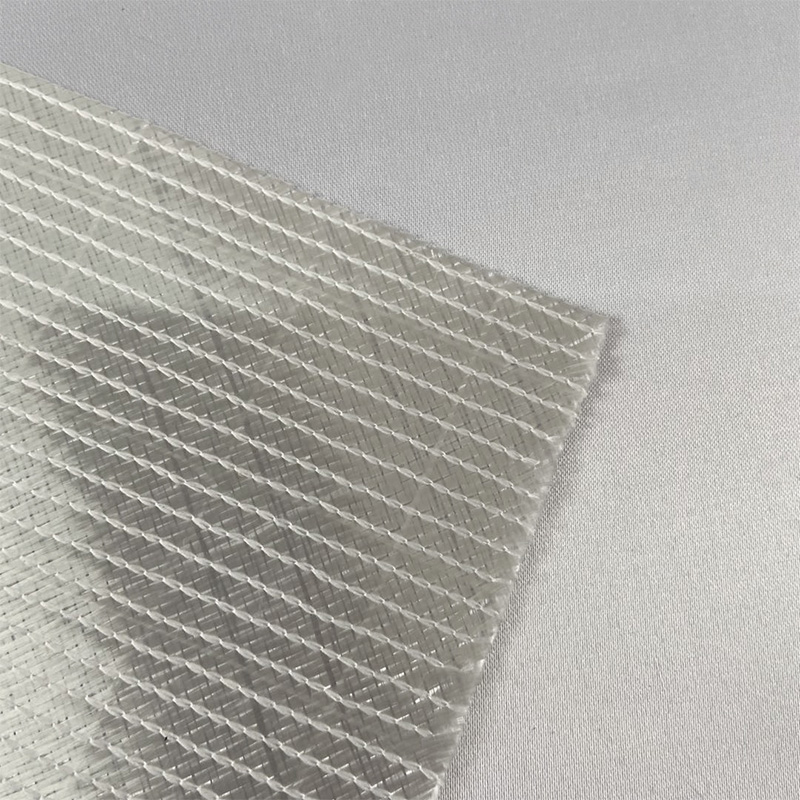
In contrast, wall covering tissue—often referred to as a fiberglass wall covering mat—is engineered from non-woven glass fibers distributed uniformly to create a dimensionally stable sheet. This specific manufacturing process yields an inherently robust material that behaves differently than organic paper fibers.
Direct Cost Comparison: Initial Investment vs. Lifecycle Value
A common misstep in interior procurement is equating the upfront procurement cost with true cost-effectiveness. A detailed breakdown reveals how expenses shift over the lifecycle of the building.
| Cost Component | Traditional Wallpaper | Wall Covering Tissue |
|---|---|---|
| Initial Material Cost | Low to moderate (highly dependent on design complexity) | Moderate |
| Substrate Preparation | High (requires perfectly smooth, flawless walls) | Low to moderate (bridges minor cracks automatically) |
| Installation Labor | High (requires precise pattern matching and delicate handling) | Moderate (uniform application without pattern alignment) |
| Lifespan | 5 to 7 years (susceptible to peeling and fading) | 15 to 20+ years (highly durable matrix) |
| Maintenance & Repair | High (often requires full section replacement if damaged) | Low (can be repainted and easily patched) |
Performance Factors Influencing Total Cost of Ownership
To understand why a fiberglass wall covering mat presents economic value over time, it is necessary to examine how it addresses the primary causes of wall degradation.
Crack Resistance and Structural Stability
Buildings naturally settle over time, causing micro-cracks in plaster and drywall. Traditional wallpaper lacks the tensile strength to withstand this movement, resulting in visible tearing or buckling. Because wall covering tissue possesses high impact resistance and inherent crack resistance, it acts as a reinforcing layer over the substrate. This prevents structural micro-cracks from telegraphing to the surface, saving significant sums on periodic drywall repairs.
Moisture Management and Mildew Prevention
In humid climates or high-traffic facilities like hospitals and hotels, moisture accumulation is a constant threat to interior surfaces. Paper and vinyl wallpapers trap moisture behind the sheet, creating an environment ripe for mold growth, which necessitates complete removal and remediation. Glass fiber tissue features a highly breathable, porous structure. It exhibits mildew-evidence and anti-corrosion properties, allowing moisture to evaporate naturally rather than degrading the adhesive layer.
Fire Safety and Compliance
Commercial properties must adhere to strict fire safety codes. Traditional wall treatments often require expensive secondary chemical treatments to achieve basic flame retardancy. A specialized fiberglass wall covering mat is inherently flame retardant due to its inorganic composition. Utilizing fire-resistant materials reduces insurance premiums and eliminates the need for post-application safety treatments.
Application Versatility and Installation Efficiency
Labor costs represent a substantial portion of any renovation budget. The physical characteristics of wall covering tissue streamline the installation process across diverse architectural environments.
Modern glass fiber felt can be effortlessly cut into exclusive shapes and sizes as wished. This makes it exceptionally smooth to apply to numerous boards, including:
- Standard drywall and plaster
- Smooth wood boards
- Engineered plastic forums
- Industrial metal forums
Because the material does not expand or shrink when wet with adhesive, installers do not have to contend with shifting seams or bubbles. Furthermore, because it provides a uniform, neutral surface decoration impact, it serves as a base for premium paints, requiring fewer coats to achieve a flawless finish compared to bare drywall or textured wallpaper.
Sustainable Value in Premium Environments
High-end commercial and public venues experience continuous foot traffic and physical wear. Spaces such as conference halls, famous person resorts, busy inns, shopping malls, cinemas, and schools demand finishes that maintain an elegant and noble surface look without requiring constant closure for renovations.
Traditional wallpaper in a high-traffic corridor easily scuffs, stains, or peels at the joints when bumped by luggage, carts, or equipment. Once stained, cleaning options are severely limited. Conversely, treated wall covering tissue is thoroughly cleanable and can withstand commercial cleaning agents without losing structural integrity. If a color change or aesthetic refresh is desired after several years, the surface can simply be repainted, entirely bypassing the messy, labor-intensive stripping process associated with old wallpaper.
Frequently Asked Questions
Is wall covering tissue difficult to remove if a design change is needed?
Unlike traditional wallpaper that bonds aggressively to drywall paper and tears it during removal, wall covering tissue acts as a reinforced structural layer. If a design change is required, it can either be painted over directly or skim-coated. If removal is necessary, it strips away more cleanly because of the strength of the fiberglass matrix.
Can wall covering tissue be used in wet environments like commercial bathrooms?
Yes. Thanks to its anti-corrosion and mildew-evidence traits, it performs exceptionally well in high-humidity areas where traditional paper-based wallpaper would quickly bubble, peel, or succumb to mold growth.
How does the material contribute to environmental sustainability?
The extended lifespan of glass fiber products means significantly less material is sent to landfills over the life of a building. Additionally, because it preserves the integrity of the underlying drywall, it reduces the consumption of raw building materials during renovations.
Final Verdict on Economic Efficiency
While traditional wallpaper offers a vast array of temporary aesthetic choices with a lower initial material price point, its vulnerability to tearing, moisture damage, and general wear makes it a costly long-term investment.
For property owners focused on minimizing the total cost of ownership, wall covering tissue emerges as the clear, economically option. Its unique combination of flame retardant properties, impact resistance, and ease of maintenance ensures that public and private spaces retain an immaculate, professional appearance for decades, making it the cost-effective choice for modern interior architecture.
 Previous