
 English
 中文简体
中文简体 русский
 Español
Introduction
In recent years, glass fiber mat composites have become increasingly important in various industries, including automotive, construction, and marine. These composites, made by embedding glass fiber mats into resin or polymer matrices, combine the strength and flexibility of fibers with the lightweight properties of synthetic materials. Understanding the mechanical properties of glass fiber mat composites is crucial for optimizing their use in structural applications.
The Composition of Glass Fiber Mat Composites
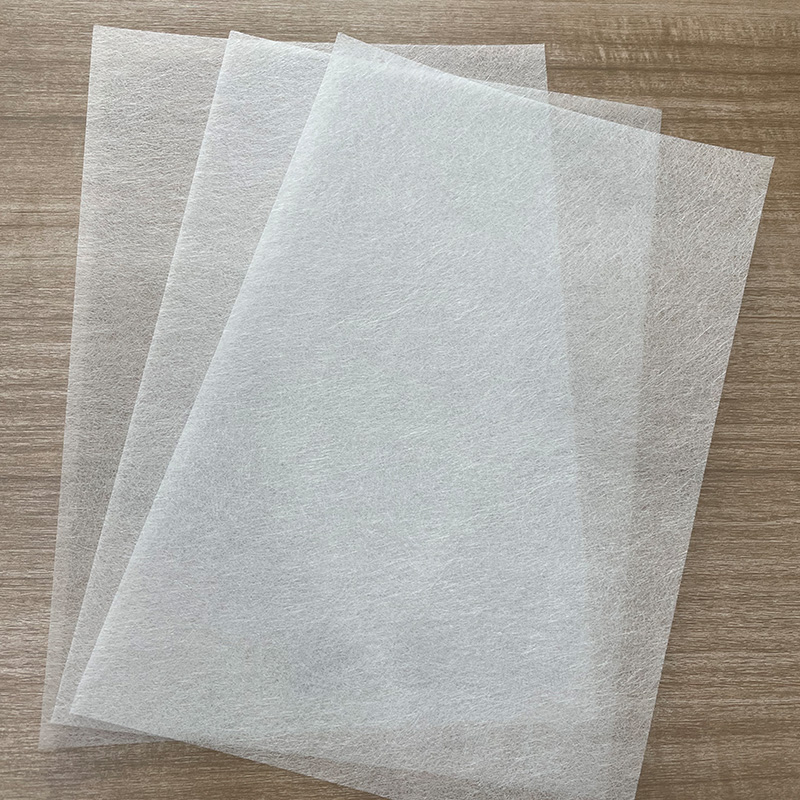
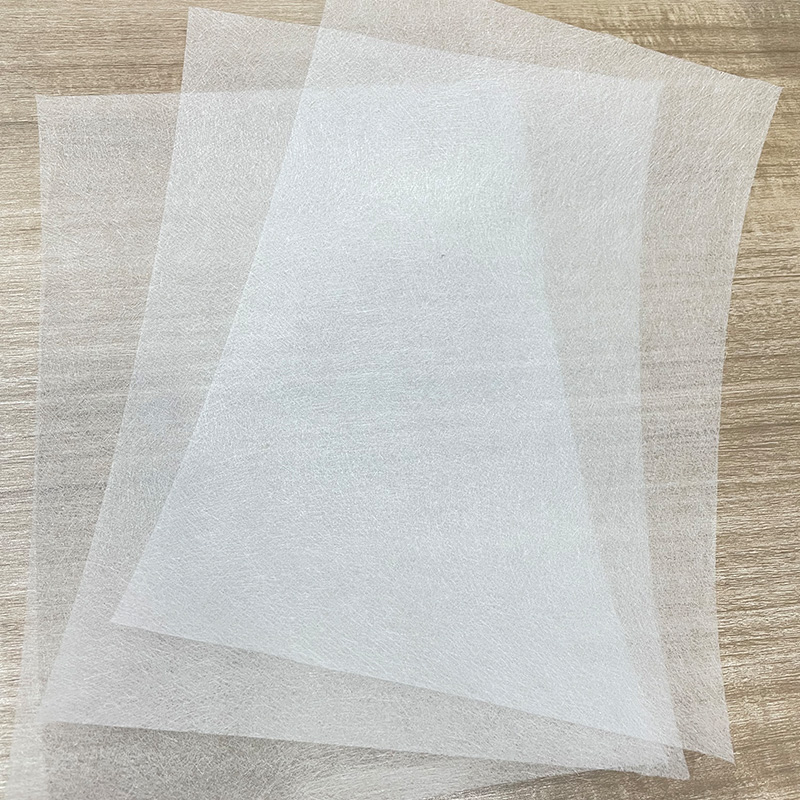
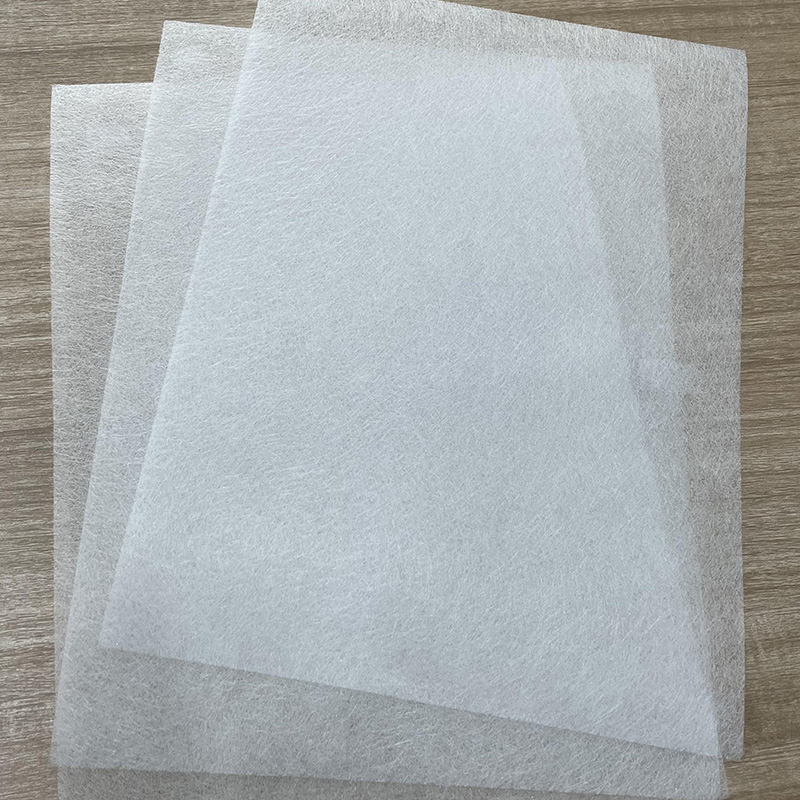
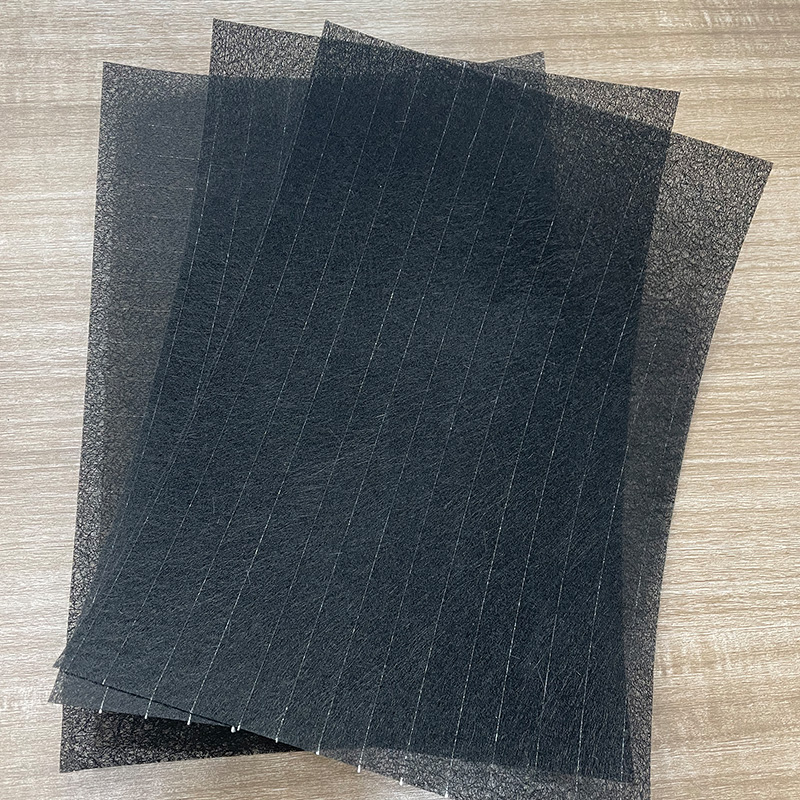
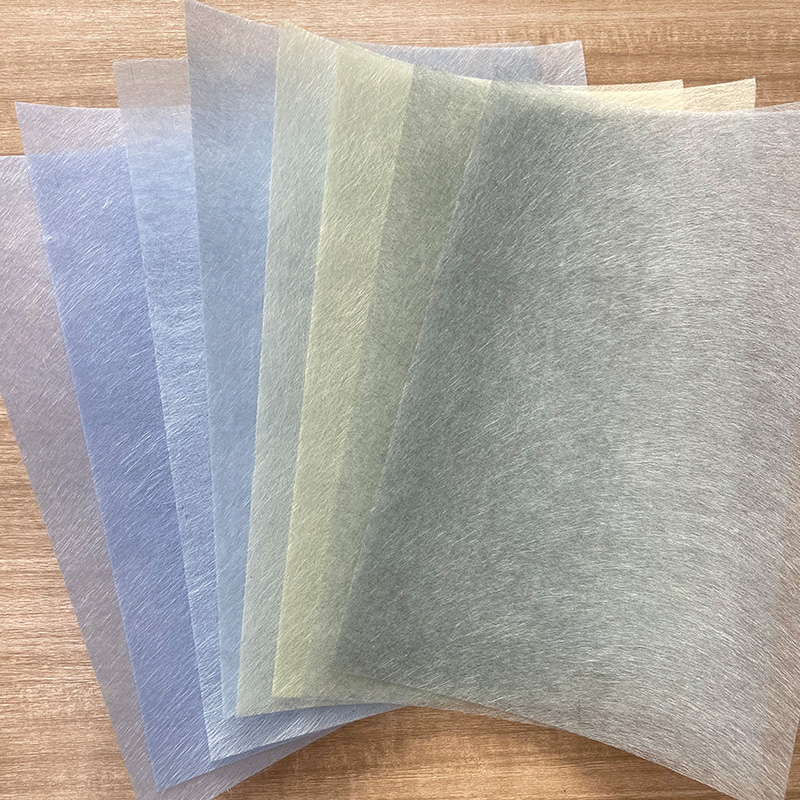
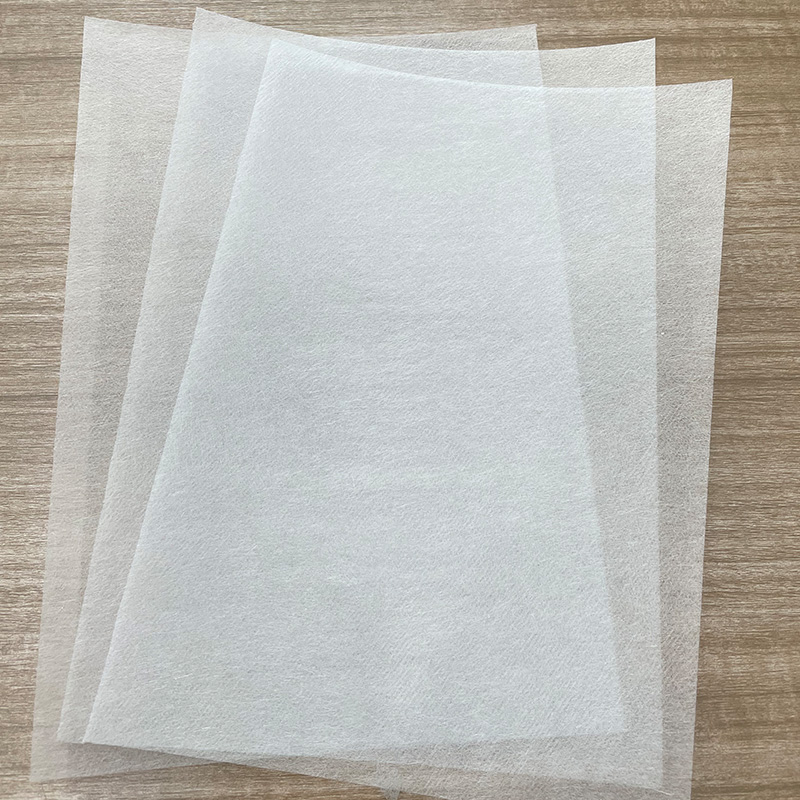
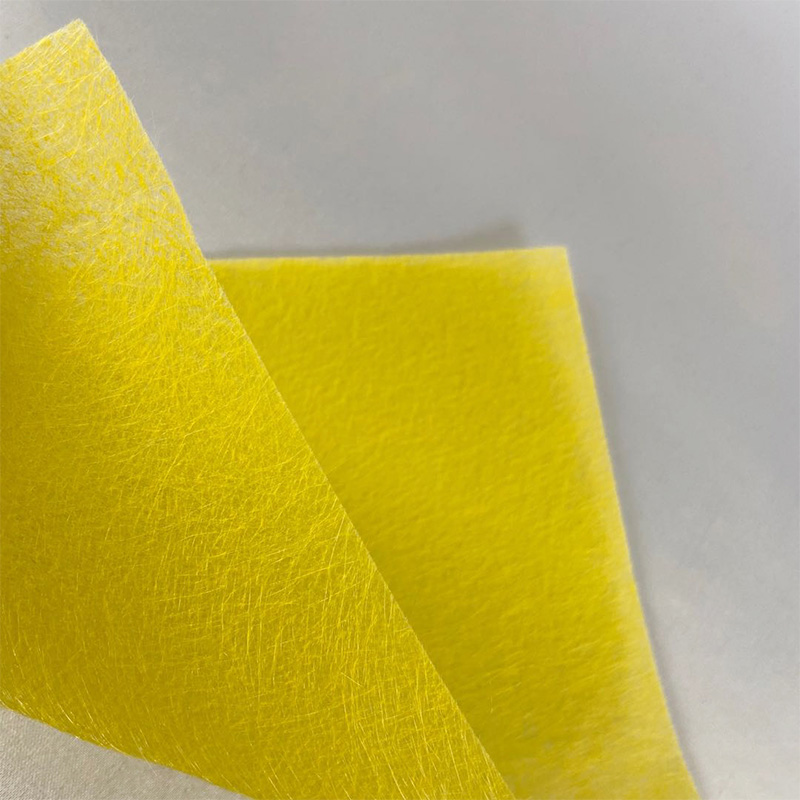
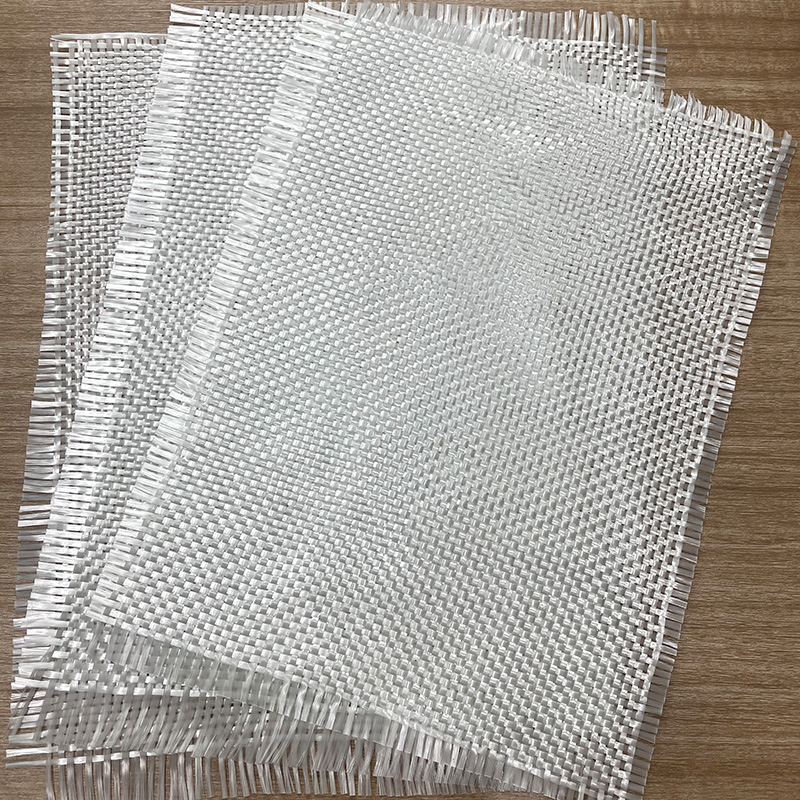
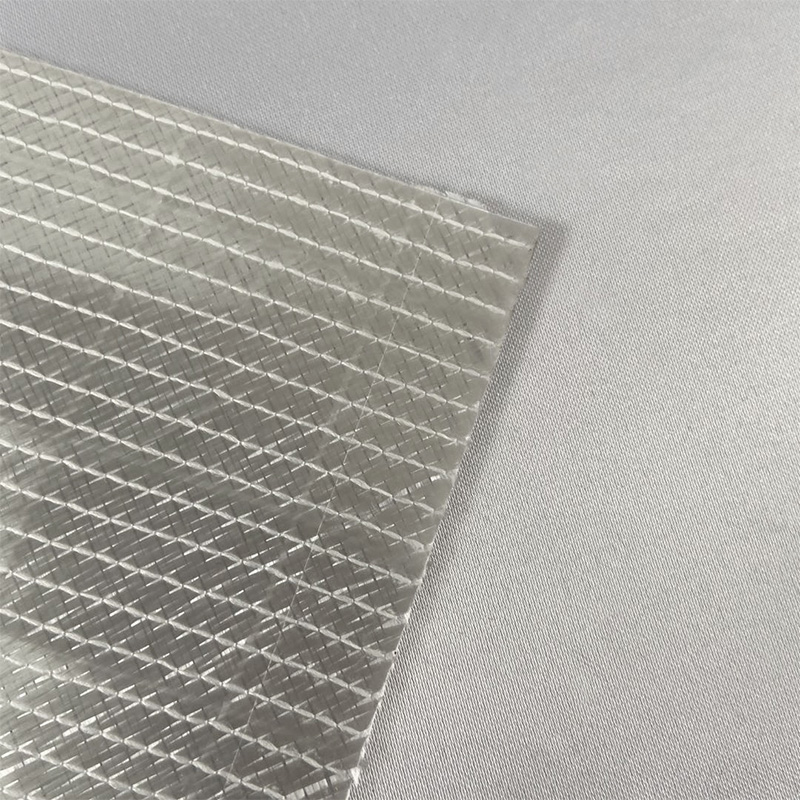
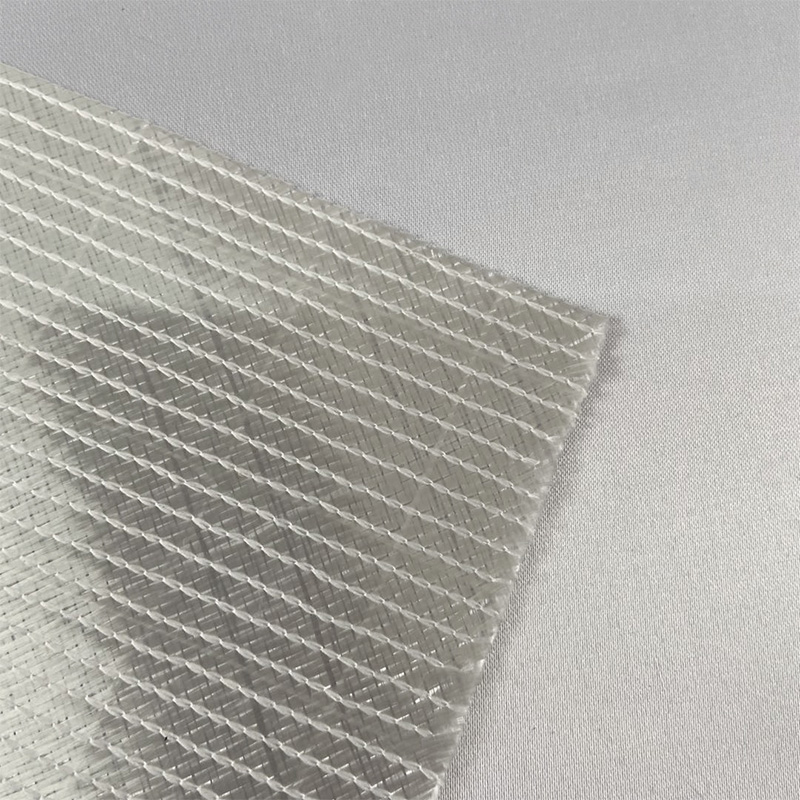
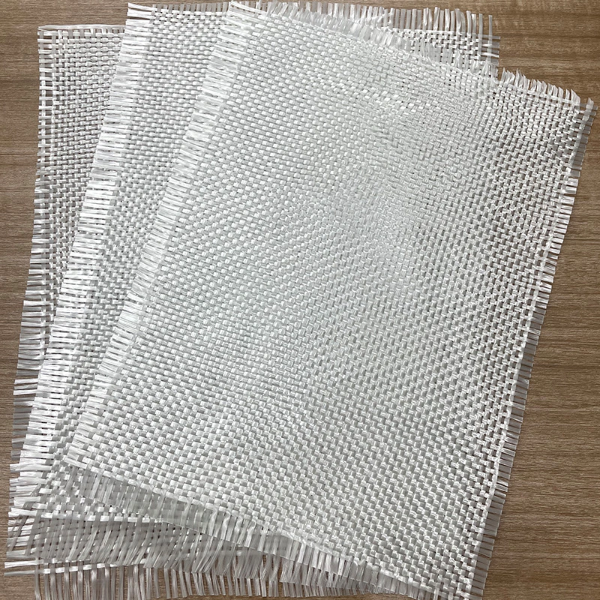
The glass fiber mat used in composite materials is typically woven or non-woven, consisting of glass fibers that are randomly distributed or aligned. The mat serves as the reinforcement in the composite, providing strength and stability. When combined with a resin matrix such as epoxy, polyester, or vinyl ester, the result is a composite material that exhibits a unique set of mechanical properties.
The type of resin matrix used, along with the orientation and density of the glass fibers, significantly impacts the overall performance of the composite. These materials are often chosen for their high strength-to-weight ratio, resistance to corrosion, and versatility in manufacturing processes such as molding, casting, and lay-up techniques.
Mechanical Properties of Glass Fiber Mat Composites
Tensile Strength
Tensile strength is one of the important mechanical properties of glass fiber mat composites. It refers to the material’s ability to resist forces that attempt to pull it apart. Glass fiber mats, when properly impregnated with resin, exhibit impressive tensile strength. The alignment of fibers plays a crucial role in this property, with unidirectional fibers offering higher tensile strength compared to random fibers.
Flexural Strength
Flexural strength measures the composite’s ability to resist deformation under bending. Glass fiber mat composites are known for their high flexural strength, especially when the fibers are oriented in a way that resists bending forces. This makes them ideal for structural applications that involve bending, such as in automotive panels and construction materials.
Impact Resistance
Impact resistance refers to the material’s ability to absorb energy when subjected to a sudden force or shock. Glass fiber mat composites generally have good impact resistance due to their fibrous structure, which distributes the energy across a wide area. This makes them suitable for use in applications that experience frequent or mechanical shocks.
Compressive Strength
Compressive strength is the ability of a material to withstand axial loads that push or compress the material. Glass fiber mat composites have a relatively high compressive strength, which makes them effective in applications where they must support heavy loads without buckling or collapsing.
Shear Strength
Shear strength refers to the material’s resistance to forces that cause sliding or shearing between internal layers. Glass fiber mat composites typically exhibit shear strength, particularly when combined with resins that form strong bonds with the fibers. This property makes them suitable for applications such as automotive parts and industrial machinery, where shear forces are commonly encountered.
Fatigue Resistance
Fatigue resistance is the ability of a material to withstand repeated stress cycles without failing. Glass fiber mat composites exhibit good fatigue resistance, especially when the fibers are properly aligned and the resin matrix is cured correctly. This makes them ideal for applications that involve continuous loading and unloading, such as in the automotive and aerospace industries.
Factors Influencing the Mechanical Properties of Glass Fiber Mat Composites
Fiber Orientation
The orientation of the fibers within the glass fiber mat is a crucial factor that determines the mechanical properties of the composite. Unidirectional fibers provide strength in a single direction, while multidirectional fibers can enhance properties in multiple directions. The alignment of fibers is particularly important for applications requiring specific strength characteristics.
Fiber Density
The density of the glass fiber mat affects the strength and durability of the composite material. Higher fiber density typically results in stronger composites, as there are more fibers to resist the applied forces. However, this also increases the weight of the material, which may not be desirable for all applications.
Resin Matrix Selection
The type of resin used in the composite plays a significant role in determining its mechanical properties. Resins such as epoxy offer high tensile strength and good adhesion to glass fibers, while polyester resins are typically more cost-effective and offer adequate performance for many applications. The curing process of the resin also influences the final mechanical properties of the composite.
Manufacturing Process
The method used to manufacture the glass fiber mat composite can significantly affect its mechanical properties. For example, processes such as hand lay-up, vacuum infusion, and compression molding all produce composites with different characteristics. The quality of the resin impregnation, the curing process, and the alignment of the fibers are all affected by the manufacturing technique used.
Environmental Factors
Environmental conditions such as temperature, humidity, and exposure to UV radiation can degrade the mechanical properties of glass fiber mat composites over time. Proper protective coatings or additives can help improve the durability of these materials in harsh environments.
Applications of Glass Fiber Mat Composites
The mechanical properties of glass fiber mat composites make them suitable for a wide range of applications, including:
- Automotive Industry: Used for lightweight body panels, bumpers, and other structural components.
- Construction: Employed in reinforcing concrete, as well as in the fabrication of insulation materials.
- Marine: Used in boat hulls, decks, and other parts exposed to harsh environmental conditions.
Conclusion
Glass fiber mat composites are an essential material in many industries due to their mechanical properties. Understanding these properties allows manufacturers to optimize the design and application of these materials to meet specific performance requirements.
FAQ
1. What are the main advantages of using glass fiber mat composites in automotive applications?
Glass fiber mat composites provide a lightweight, strong material that reduces the overall weight of vehicles, improving fuel efficiency and performance. They also offer high corrosion resistance and durability.
2. How does fiber orientation affect the mechanical properties of glass fiber mat composites?
Fiber orientation determines the direction of strength in the composite. Unidirectional fibers offer high strength in one direction, while multidirectional fibers provide balanced strength in multiple directions.
3. What are the typical resin types used with glass fiber mats?
Common resin types include epoxy, polyester, and vinyl ester. Each resin type has different properties, such as tensile strength, flexibility, and cost, making them suitable for various applications.
4. Can glass fiber mat composites withstand environmental conditions?
While glass fiber mat composites have good resistance to heat, moisture, and chemicals, exposure to UV radiation can degrade their properties over time. Protective coatings or additives can improve their environmental durability.
5. What are the key factors in manufacturing glass fiber mat composites?
The key factors include the quality of resin impregnation, fiber alignment, the curing process, and the choice of manufacturing technique, such as hand lay-up, vacuum infusion, or compression molding.
 Previous