
 English
 中文简体
中文简体 русский
 Español
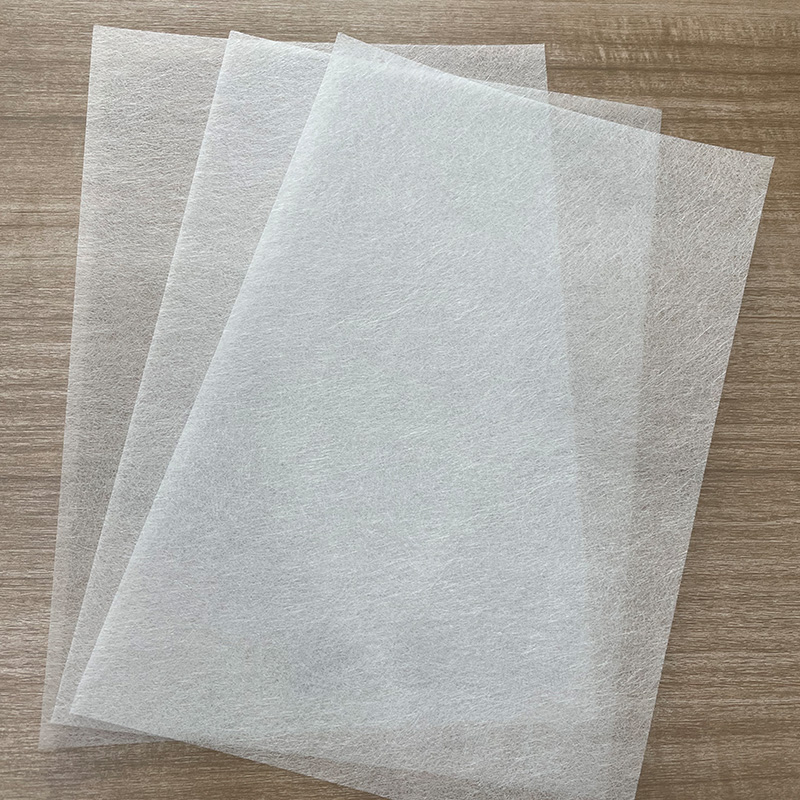
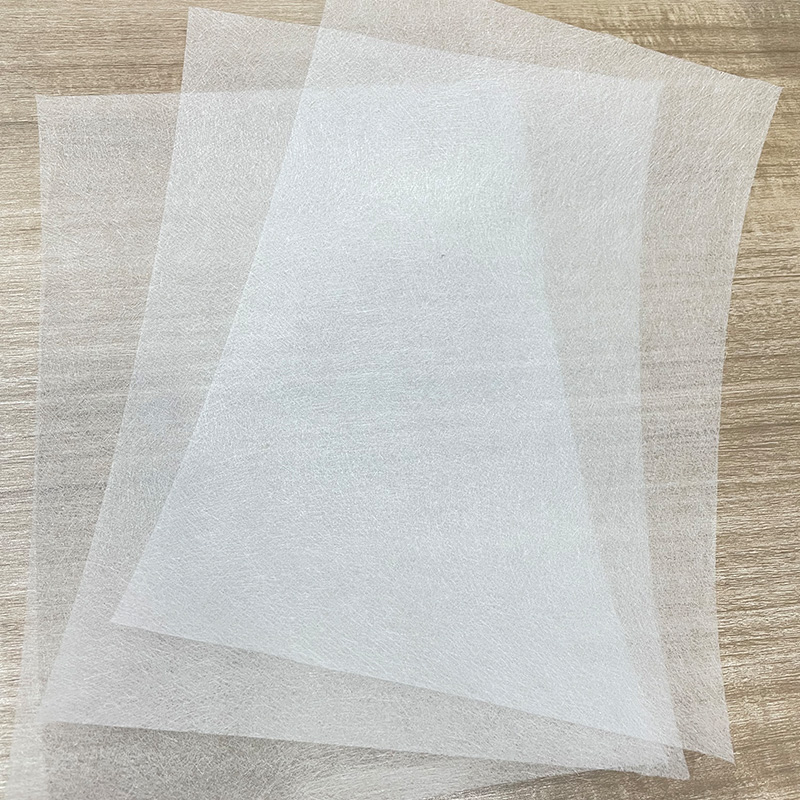
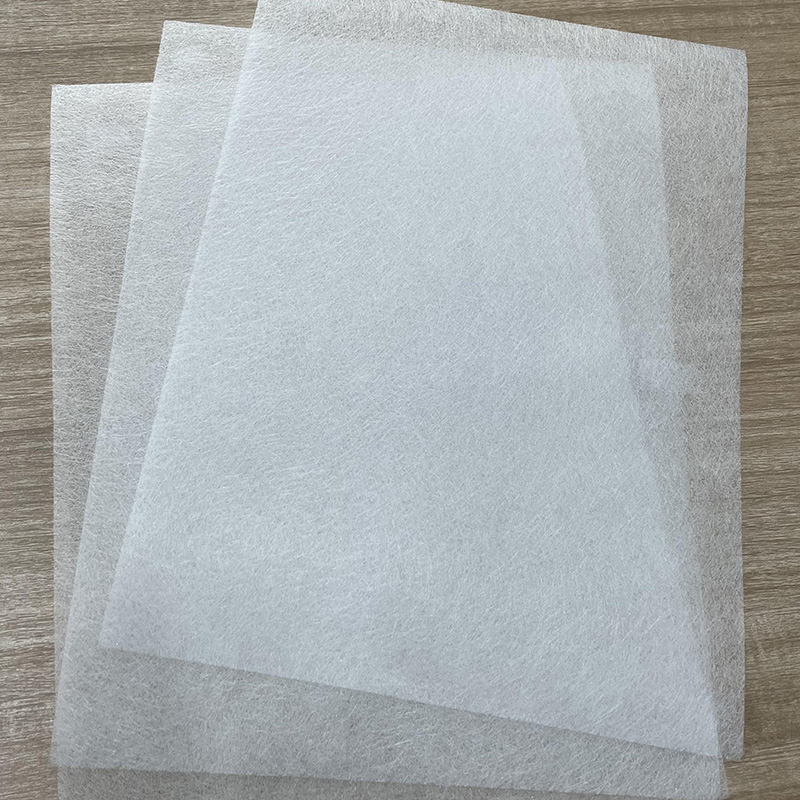
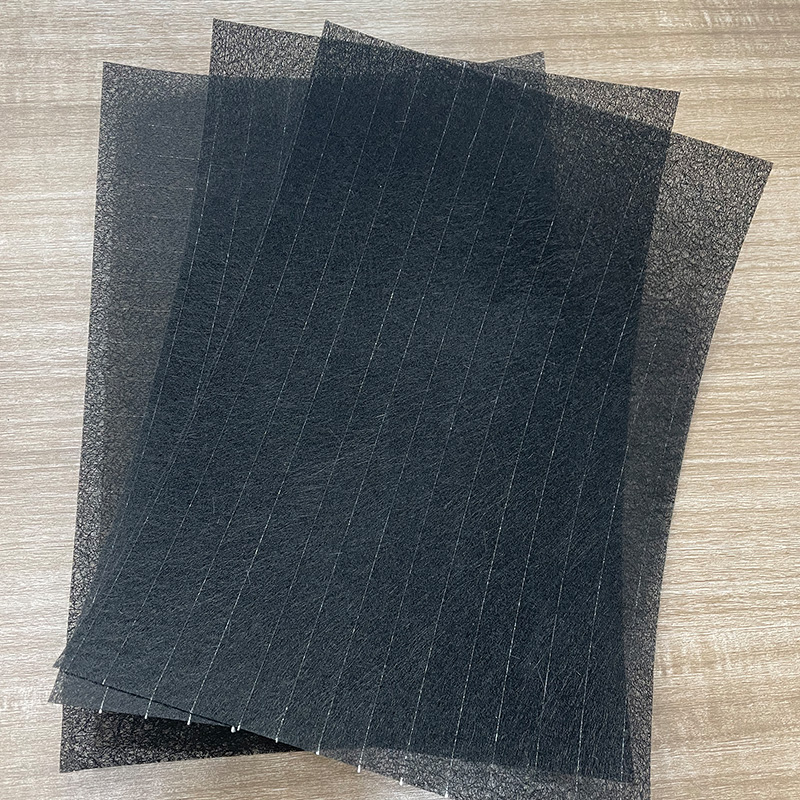
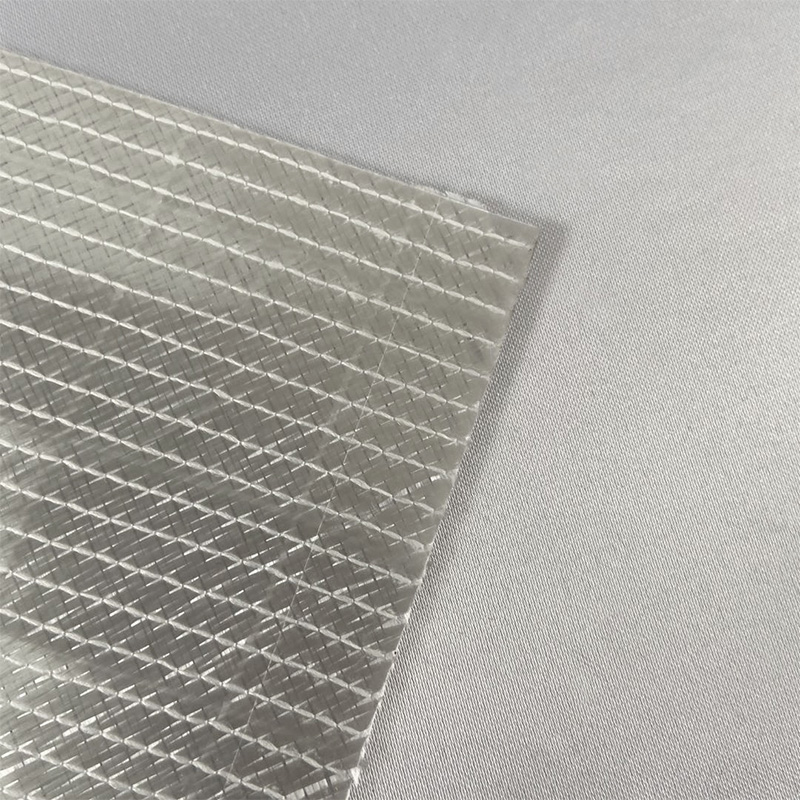
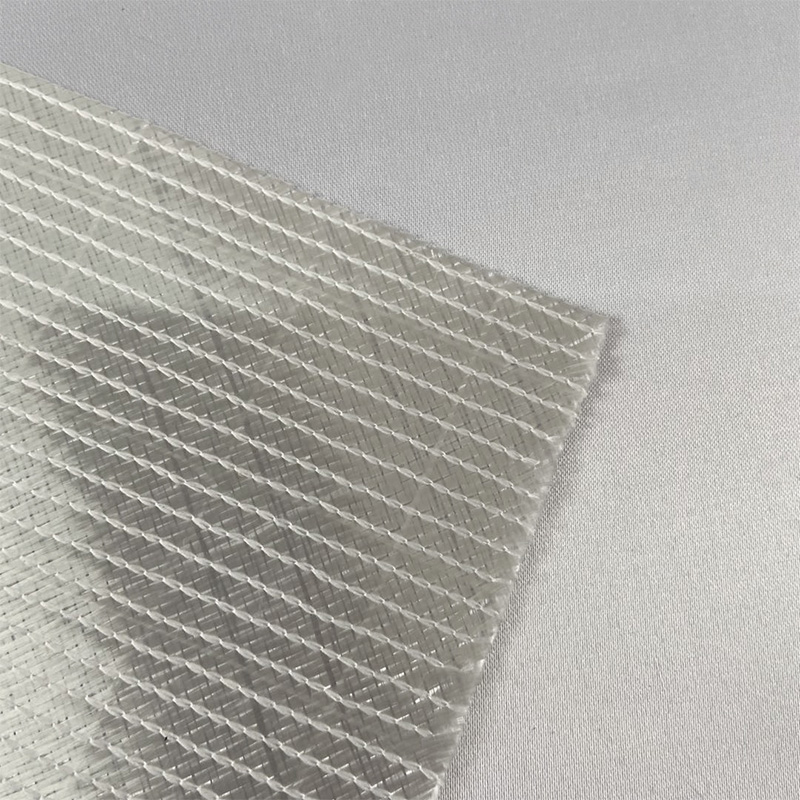
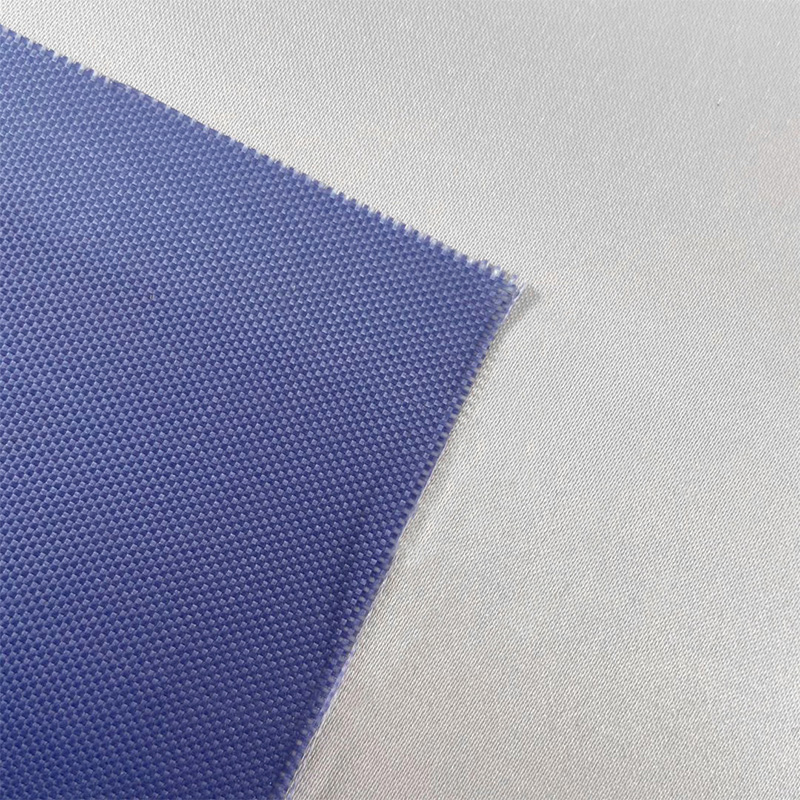
Fiberglass surfacing veil, also known as fiberglass tissue mat, is a specialized material that plays an essential role in various industries, especially in the construction, automotive, and electrical sectors. This versatile product has unique properties that make it suitable for a wide range of applications, offering enhanced durability, strength, and protective qualities.
Introduction to Fiberglass Surfacing Veil
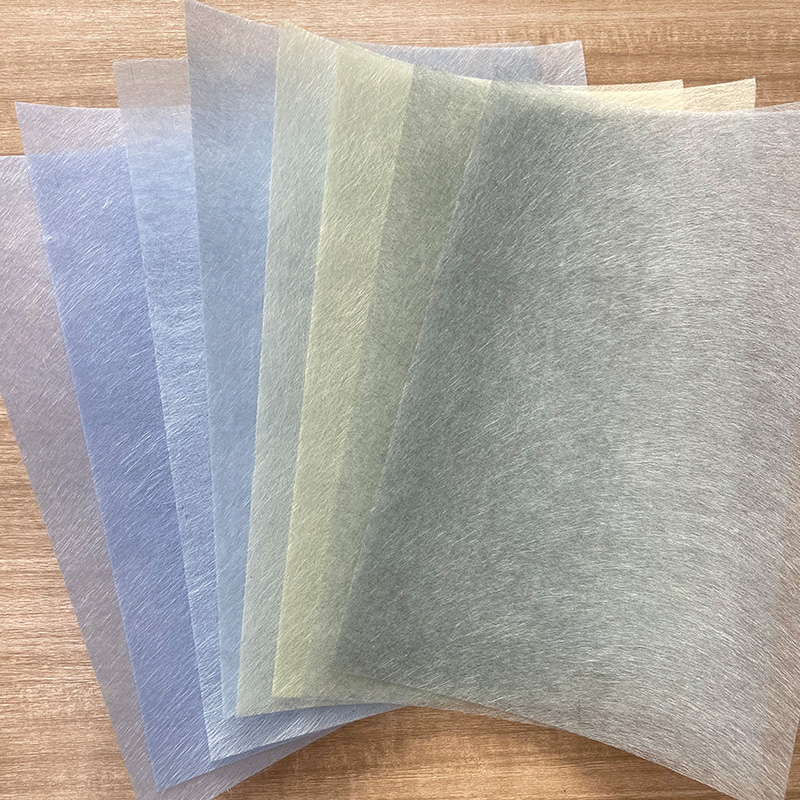
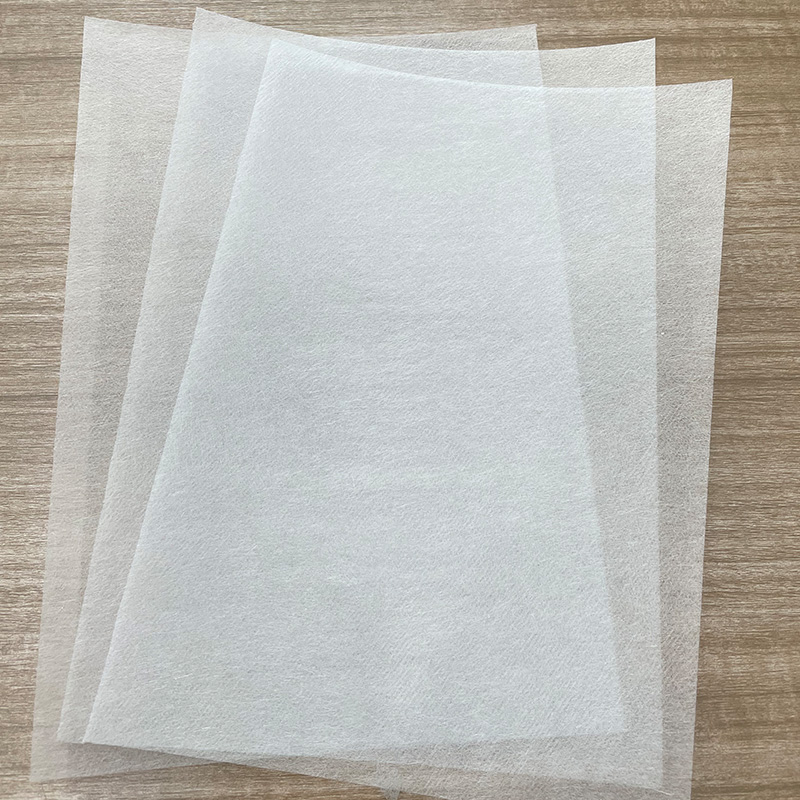
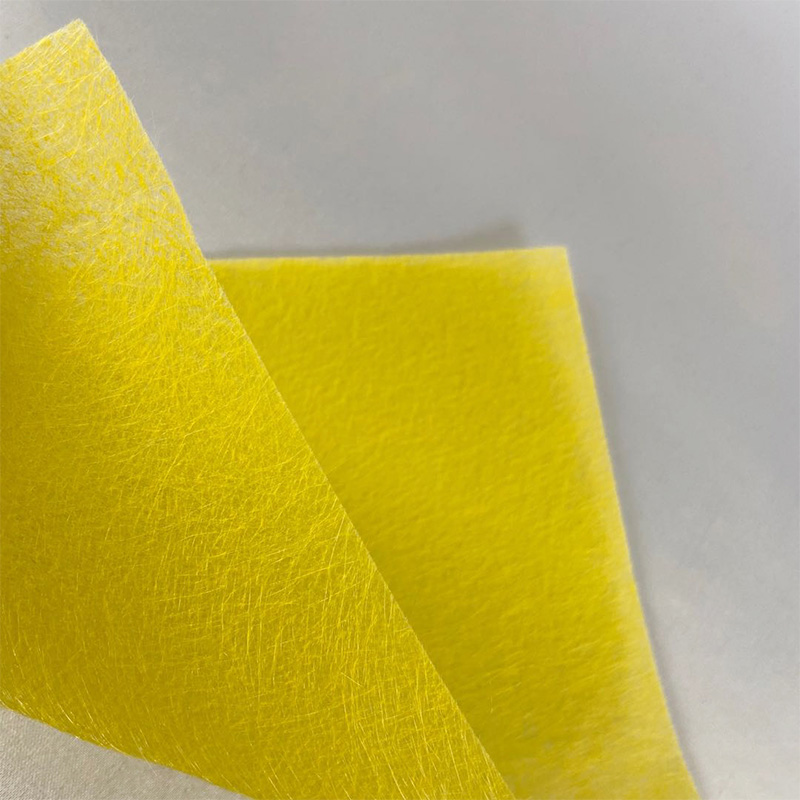
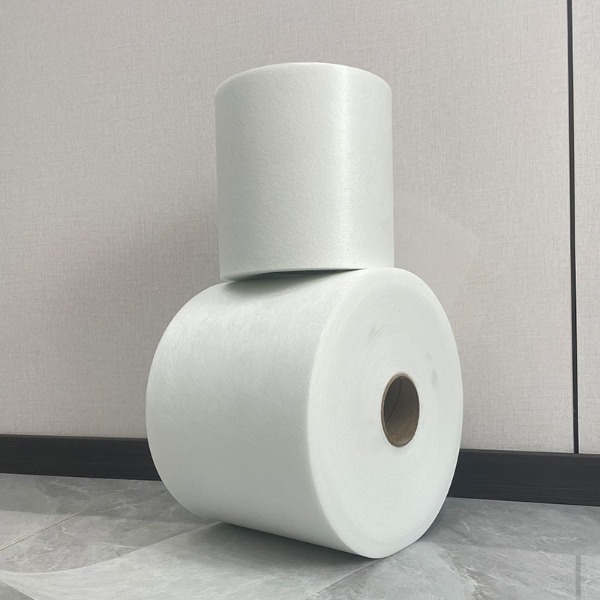
Fiberglass surfacing veil is a type of reinforcement material made from fine, chopped glass fibers that are bonded together in a tissue-like structure. Unlike traditional fiberglass mats, which have thicker and coarser fibers, the surfacing veil is characterized by its thin, lightweight, and flexible nature. This product is commonly used in composite materials to improve surface appearance, protect underlying layers, and add other functional benefits.
Fiberglass surfacing veil is manufactured through a wet-laying process, in which chopped fiberglass strands are dispersed in water and then bonded together to form a mat. This process ensures that the resulting product has a uniform distribution of fibers, providing consistent performance and ease of handling.
Key Properties of Fiberglass Surfacing Veil
Fiberglass surfacing veil is renowned for its properties that make it suitable for a variety of demanding applications. Here are some of the key characteristics of this product:
Fire Retardancy
Fiberglass surfacing veil is inherently fire-resistant, which makes it an ideal choice for applications where fire safety is a priority. The material does not support combustion, making it an effective barrier against the spread of flames.
Anti-Corrosion
One of the primary advantages of fiberglass surfacing veil is its resistance to corrosion. This property makes it especially useful in environments exposed to moisture, chemicals, or other corrosive agents.
Shock Resistance
Fiberglass surfacing veil can absorb impacts and resist shock, making it suitable for applications that require a durable and resilient material.
Crack Resistance
The fine fibers in the fiberglass veil help prevent the formation of cracks in composite materials, enhancing the structural integrity of the final product.
Water Resistance
Fiberglass surfacing veil is highly water-resistant, which adds to its versatility in outdoor and marine applications where exposure to moisture is common.
Air Permeability
This material allows air to pass through it, making it ideal for applications that require breathability while maintaining structural integrity.
Applications of Fiberglass Surfacing Veil
The fiberglass surfacing veil is used across various industries for different purposes. Below are some of the common applications:
Construction
In the construction industry, fiberglass surfacing veil is used to enhance the performance of composite materials. It is often incorporated into roofing systems, wall panels, and flooring to improve their durability, resistance to wear, and overall strength.
Automotive
In automotive manufacturing, fiberglass surfacing veil is used to reinforce parts like body panels, bumpers, and interiors. Its lightweight nature contributes to overall vehicle efficiency, while its strength enhances the vehicle’s longevity.
Electrical Insulation
The electrical insulation properties of fiberglass tissue mats make them ideal for use in electrical components. Fiberglass surfacing veil is used in electrical insulation products to ensure safety, stability, and protection from electrical hazards.
Marine
Due to its resistance to water and corrosion, fiberglass surfacing veil is widely used in the marine industry. It is commonly applied in boat hulls, decks, and other marine structures to provide added protection against water damage and wear.
Wind Energy
Fiberglass surfacing veil plays an essential role in the manufacturing of wind turbine blades. The material contributes to the overall strength and durability of the blades, helping them withstand harsh environmental conditions and improve their lifespan.
Advantages of Using Fiberglass Surfacing Veil
When incorporated into composite materials, fiberglass surfacing veil provides several advantages that make it a preferred choice for many industries. Some of these benefits include:
-
Improved Surface Quality
Fiberglass surfacing veil enhances the surface finish of composite products. Its thin, smooth texture helps create a uniform surface, reducing imperfections and improving the overall aesthetic of the final product. -
Enhanced Durability
The material significantly improves the durability of composites by offering resistance to cracking, corrosion, and other forms of damage. This makes it ideal for products that need to endure harsh conditions over an extended period. -
Lightweight Yet Strong
Despite being lightweight, fiberglass surfacing veil offers strength, making it an ideal material for applications where weight reduction is important without sacrificing structural integrity. -
Cost-Effective
Fiberglass surfacing veil is a cost-effective solution compared to other reinforcement materials. Its ease of handling, processing, and application contribute to reduced manufacturing costs.
Fiberglass Tissue Mat vs. Fiberglass Surfacing Veil
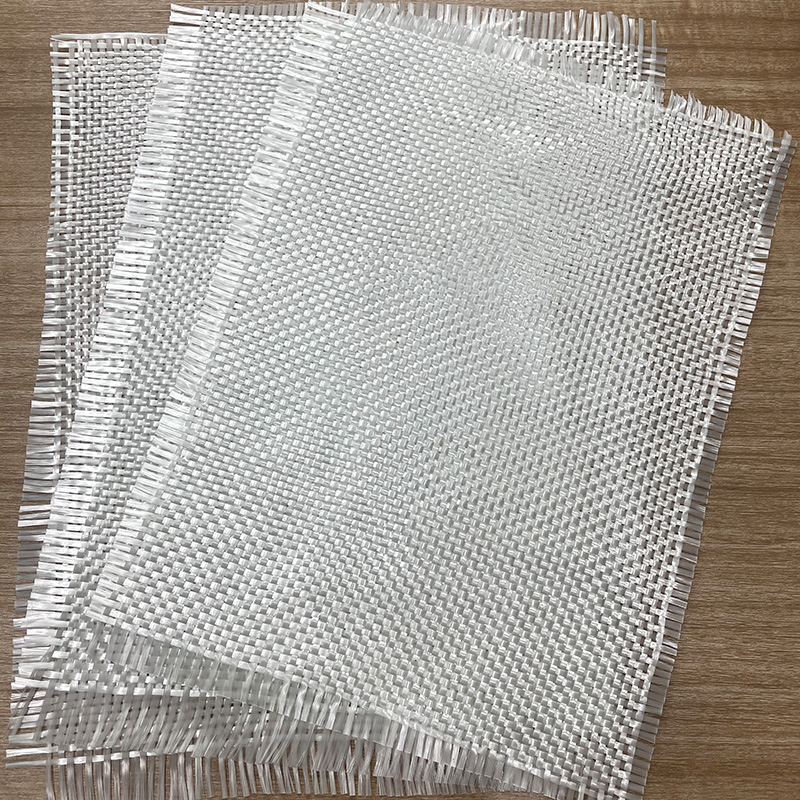
Both fiberglass tissue mat and fiberglass surfacing veil are made from glass fibers, but they differ in structure and application.
| Property | Fiberglass Tissue Mat | Fiberglass Surfacing Veil |
|---|---|---|
| Fiber Length | Chopped Fibers | Chopped Fibers |
| Thickness | Thicker | Thinner |
| Primary Use | Reinforcement and core material | Surface treatment and appearance enhancement |
| Water Resistance | Moderate | High |
| Fire Resistance | High | High |
| Flexibility | Low | High |
As seen from the comparison table, fiberglass tissue mat is generally thicker and more rigid, making it suitable for reinforcement in composite materials, while fiberglass surfacing veil is thinner and more flexible, making it ideal for surface enhancement and protection.
Manufacturing Process of Fiberglass Surfacing Veil
The production of fiberglass surfacing veil begins with the preparation of glass fibers, which are chopped into short lengths. These fibers are then combined with a binder to create a uniform mat through the wet-laying process. Once the mat is formed, it is cured to ensure that the fibers are securely bonded together.
The quality of the surfacing veil is carefully monitored throughout the manufacturing process to ensure consistency in fiber distribution, thickness, and strength. This process ensures that the final product will meet the specific requirements of its intended application.
Conclusion
Fiberglass surfacing veil is a highly versatile material that offers numerous advantages in various industries. Its lightweight nature, combined with fire resistance, shock resistance, and crack prevention properties, makes it an ideal choice for use in composites. Whether for construction, automotive, electrical insulation, or marine applications, fiberglass surfacing veil provides enhanced durability and surface quality.
FAQ
1. What is the primary difference between fiberglass tissue mat and fiberglass surfacing veil?
Fiberglass tissue mat is thicker and used primarily for reinforcement, while fiberglass surfacing veil is thinner and used for surface treatment and enhancement.
2. Can fiberglass surfacing veil be used in outdoor applications?
Yes, fiberglass surfacing veil is water-resistant and suitable for outdoor applications such as roofing, marine structures, and wind turbine blades.
3. How does fiberglass surfacing veil improve the durability of composite materials?
Fiberglass surfacing veil enhances durability by providing resistance to cracking, corrosion, and wear, which helps improve the longevity of composite products.
4. Is fiberglass surfacing veil cost-effective?
Yes, fiberglass surfacing veil is cost-effective due to its ease of manufacturing and application, making it an affordable solution for many industries.
5. What are the key applications of fiberglass surfacing veil?
Fiberglass surfacing veil is widely used in construction, automotive, electrical insulation, marine, and wind energy industries, primarily for surface enhancement and protection.
 Previous