
 English
 中文简体
中文简体 русский
 Español
●
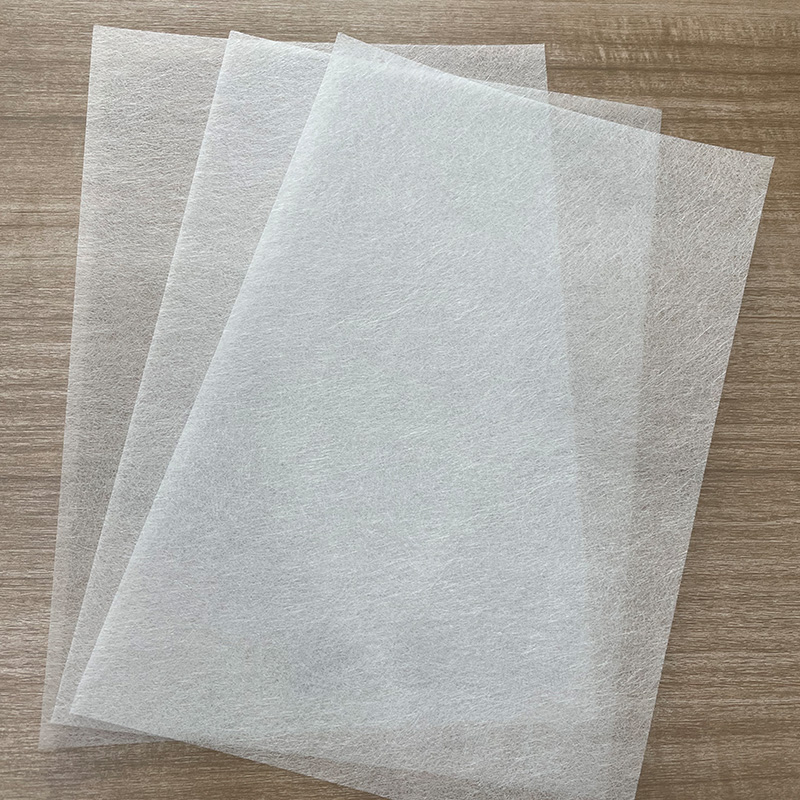
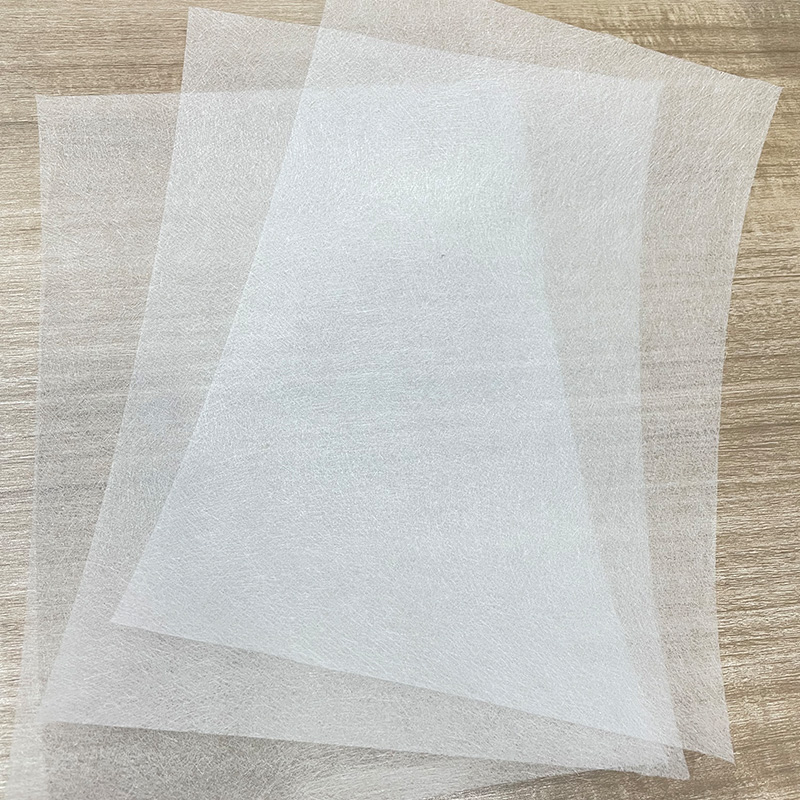
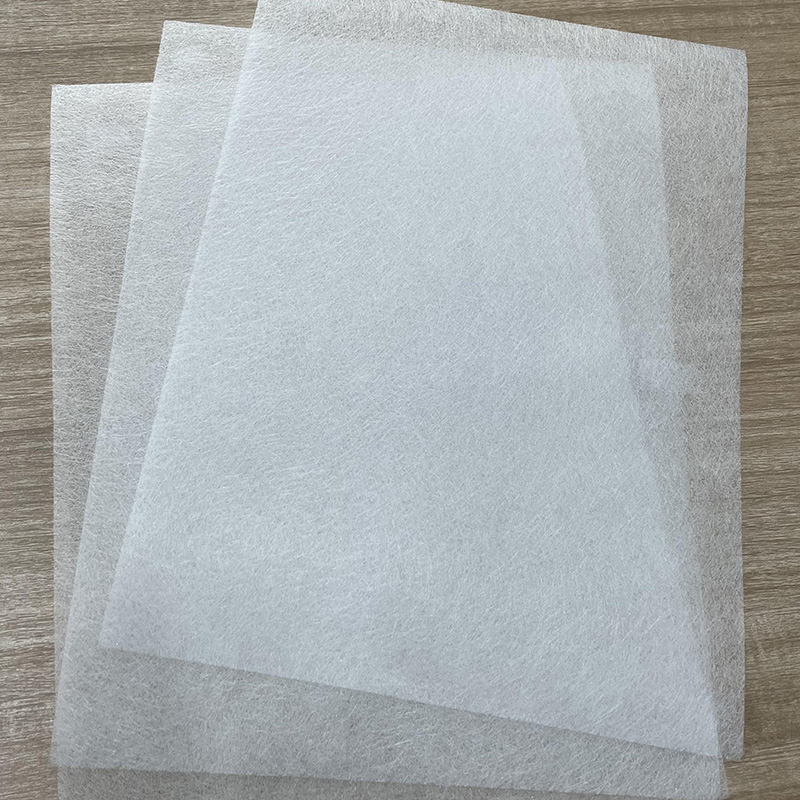
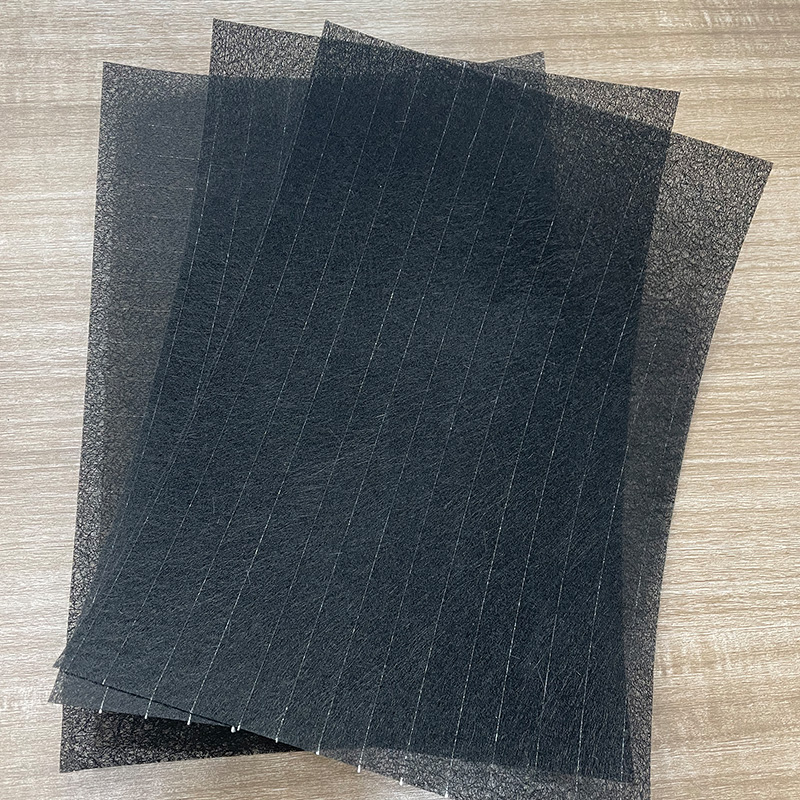
Quick reference A fiberglass surface mat is defined by fiber diameter (9–13 µm), weight (18–100 g/m²), and binder type (emulsion or powder). Selection starts with resin system — emulsion binders suit polyester and vinyl ester; powder binders are preferred for epoxy. Weight determines surface thickness: 18–30 g/m² for fine finish, 40–60 g/m² for corrosion protection, 70–100 g/m² for structural surfacing.
9–13 µm fiber diameter
18–100 g/m² weight range
2 binder types (emulsion/powder)
3 resin systems compatible
— — —
Fiber diameter and surface coverage
The fiber diameter of a fiberglass surface mat directly influences surface coverage and resin absorption. Standard E-glass fibers used in surface mats range from 9 to 13 microns — significantly finer than the 14–18 micron fibers used in structural chopped strand mats. This finer diameter enables better surface coverage: a 30 g/m² mat with 11 µm fibers covers approximately 95% of the surface area, compared to 70–80% coverage from a structural mat of equivalent weight. Finer fibers also improve resin wet-out by increasing capillary action, resulting in a smoother, more resin-rich surface that resists weathering and chemical attack.
9–11 µm Ultra-fine · Premium finish · 95%+ coverage
11–13 µm Standard · Good finish · 90–95% coverage
14–18 µm Structural mat · Moderate finish · 70–80% coverage
— — —
Weight and thickness selection
Fiberglass surface mat weight is measured in grams per square metre (g/m²) and directly correlates with thickness and resin consumption. Lightweight mats (18–30 g/m²) produce a thin resin-rich surface layer ideal for decorative panels and applications where minimal weight addition is critical. Medium-weight mats (30–50 g/m²) provide balanced surface finish and corrosion protection, suitable for pipes and tanks. Heavyweight mats (50–100 g/m²) deliver maximum surface reinforcement and are used in high-wear applications such as industrial flooring and marine structures. Each 10 g/m² increase adds approximately 0.02–0.03 mm of cured composite thickness and consumes 50–80 g/m² of additional resin.
Weight range Thickness Resin consumption Primary application
18–30 g/m² 0.08–0.12 mm 120–180 g/m² Decorative · Fine finish
30–50 g/m² 0.12–0.20 mm 180–280 g/m² Pipes · Tanks · Corrosion
50–100 g/m² 0.20–0.40 mm 280–450 g/m² Industrial · Marine · High wear
— — —
Binder systems and resin compatibility
Binder selection is one of the most critical decisions when choosing a fiberglass surface mat. Emulsion binders are water-based and dissolve rapidly in styrene-containing resins (polyester, vinyl ester), providing excellent wet-out and fiber dispersion. They are the standard choice for most FRP applications. Powder binders are thermoplastic materials that remain intact during resin application, maintaining mat integrity during handling and producing a more uniform surface finish. Powder binders are preferred for epoxy systems where styrene is not present. Binder content typically ranges from 4–12% of mat weight — higher binder content improves handling but can increase resin viscosity requirements.
Emulsion binder Dissolves in styrene · Polyester/vinyl ester Fast wet-out · Standard choice Most common
Powder binder Thermoplastic · Epoxy compatible Superior handling · Uniform surface Premium
— — —
Resin system compatibility
Fiberglass surface mats must be compatible with the resin system used in the composite. Polyester resin is the most common, compatible with both emulsion and powder binders — emulsion provides faster wet-out, powder offers better surface uniformity. Vinyl ester resins, used for enhanced corrosion resistance, perform well with emulsion binders that dissolve rapidly. Epoxy resins require powder binders, as the absence of styrene prevents emulsion binder dissolution. Some manufacturers offer binder systems specifically formulated for epoxy, providing optimal wet-out and adhesion. Always verify binder compatibility with your resin supplier to avoid wet-out issues or surface defects.
Polyester Emulsion · Powder Fast wet-out with emulsion
Vinyl ester Emulsion · Powder Emulsion preferred
Epoxy Powder only Specialty binder required
— — —
Application-specific selection
FRP pipes and tanks 30–50 g/m² · Emulsion binder · Corrosion grade
Decorative panels 18–30 g/m² · Emulsion/powder · Fine finish
Marine composites 40–60 g/m² · Powder binder · Water resistance
Wind turbine components 30–50 g/m² · Epoxy compatible · Fatigue resistance
— — —
Quality verification checklist
Weight consistency (tolerance ±5% of specified g/m²)
Binder content and type verification
Fiber diameter specification (9–13 µm standard)
Resin wet-out test with your specific resin
Moisture content (typically <1%)
Tensile strength and elongation data
Selection summary: Choose a fiberglass surface mat by matching fiber diameter to surface finish requirements (9–11 µm for premium), weight to application (18–30 g/m² for decorative, 30–50 g/m² for corrosion, 50–100 g/m² for industrial), and binder to resin system (emulsion for polyester/vinyl ester, powder for epoxy). Verify weight consistency, wet-out performance, and moisture content through supplier testing.