
 English
 中文简体
中文简体 русский
 Español
Glass fiber mat is a foundational reinforcement material widely used across multiple industrial sectors. As manufacturing technologies evolve and performance requirements become more demanding, this material continues to gain relevance due to its balanced combination of strength, versatility, and cost efficiency.
Understanding Glass Fiber Mat
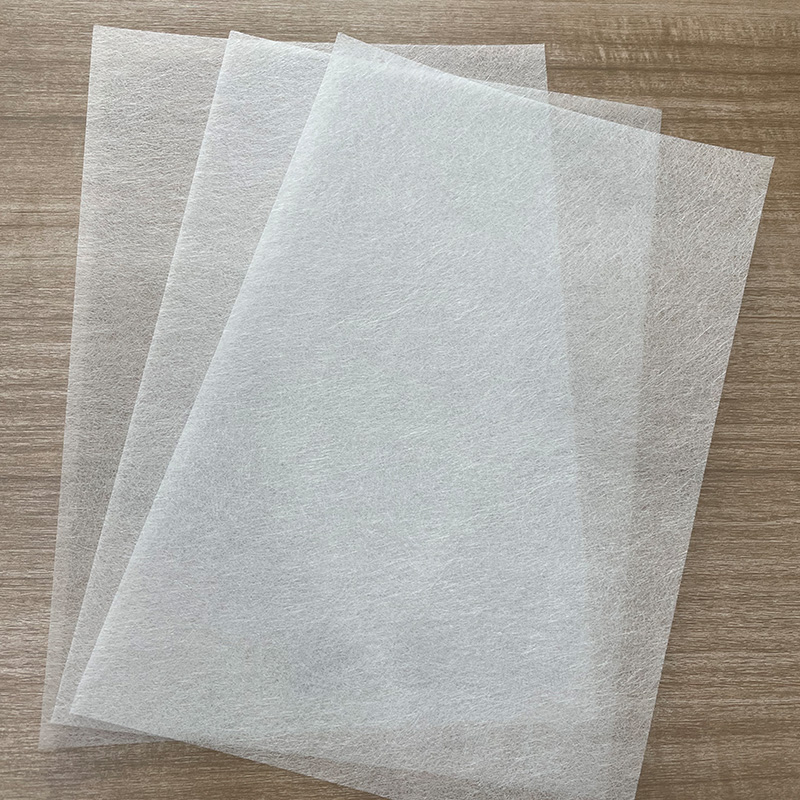
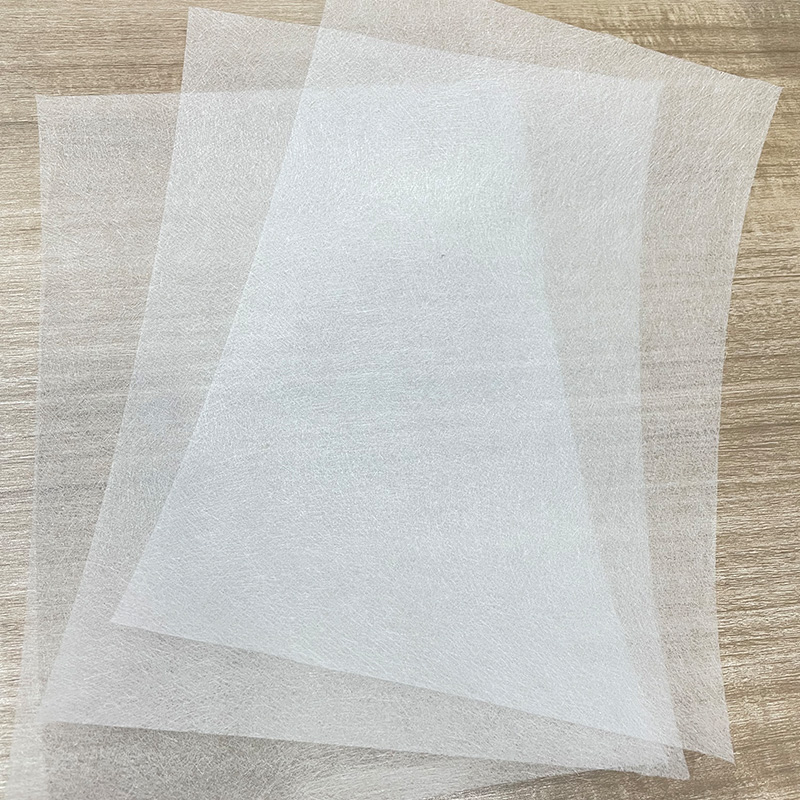
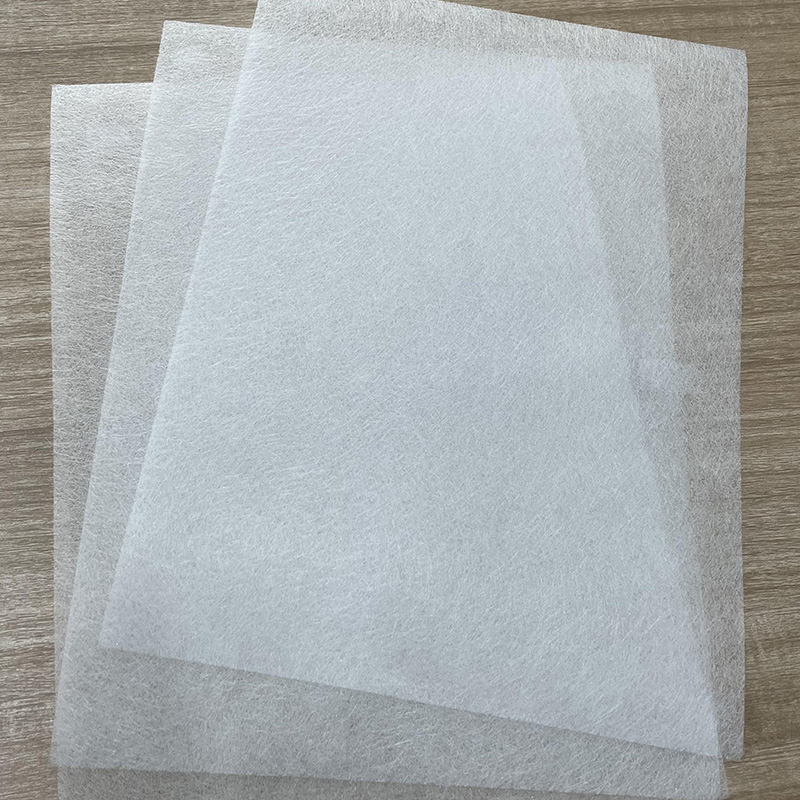
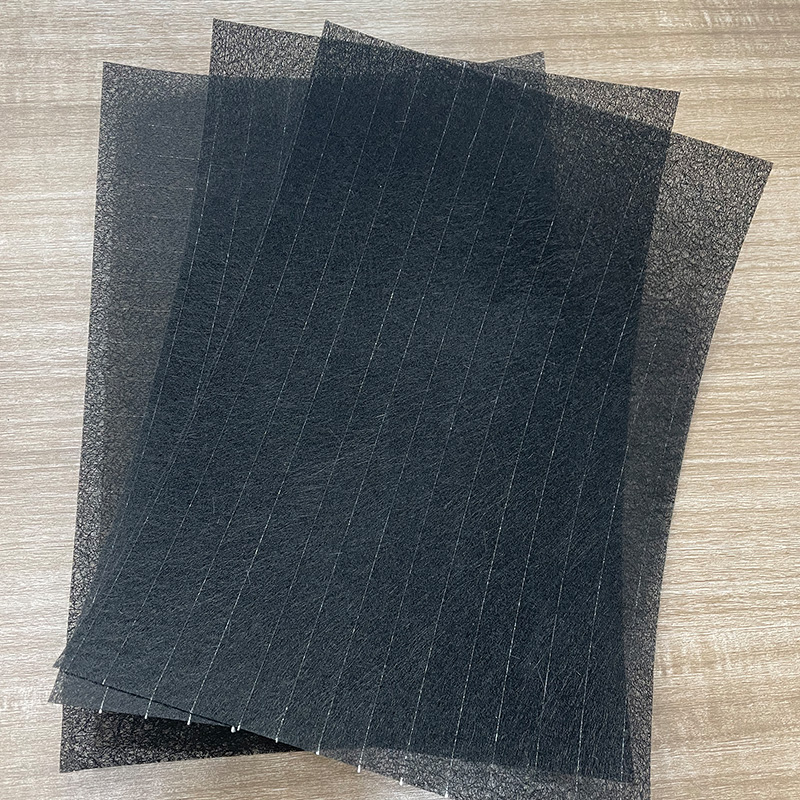
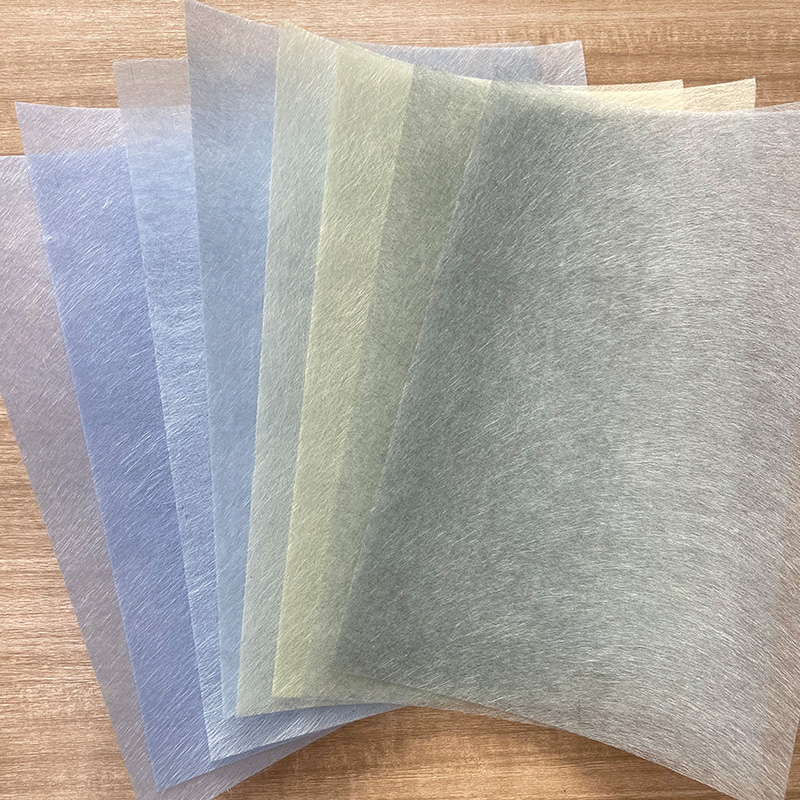
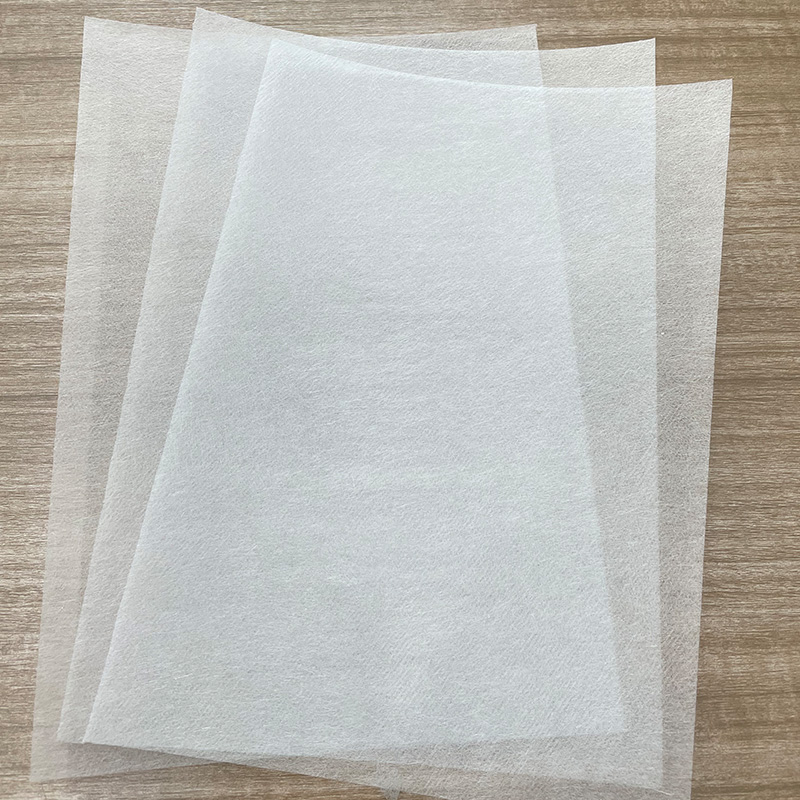
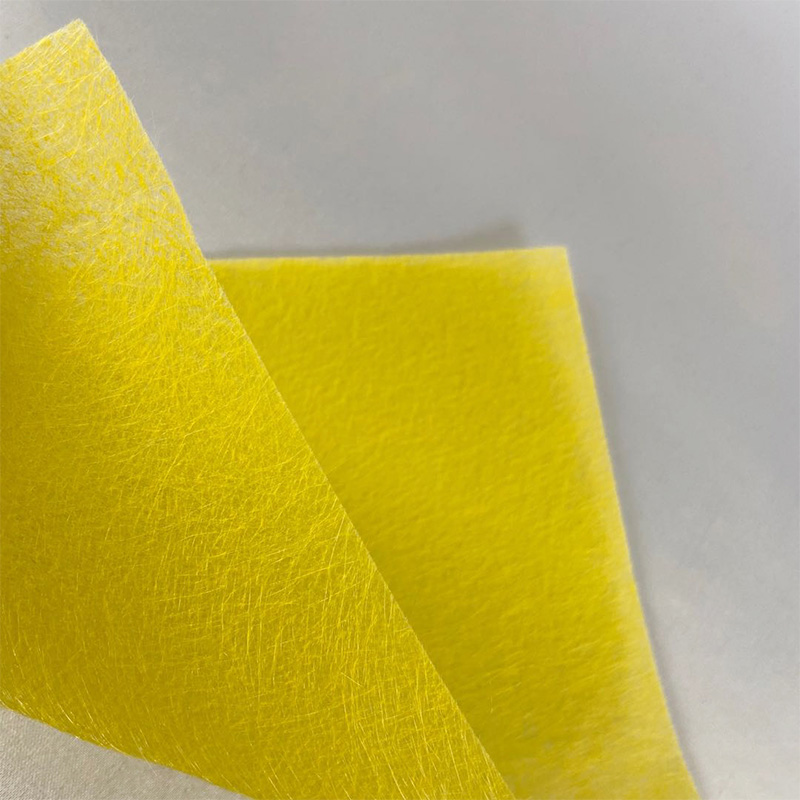
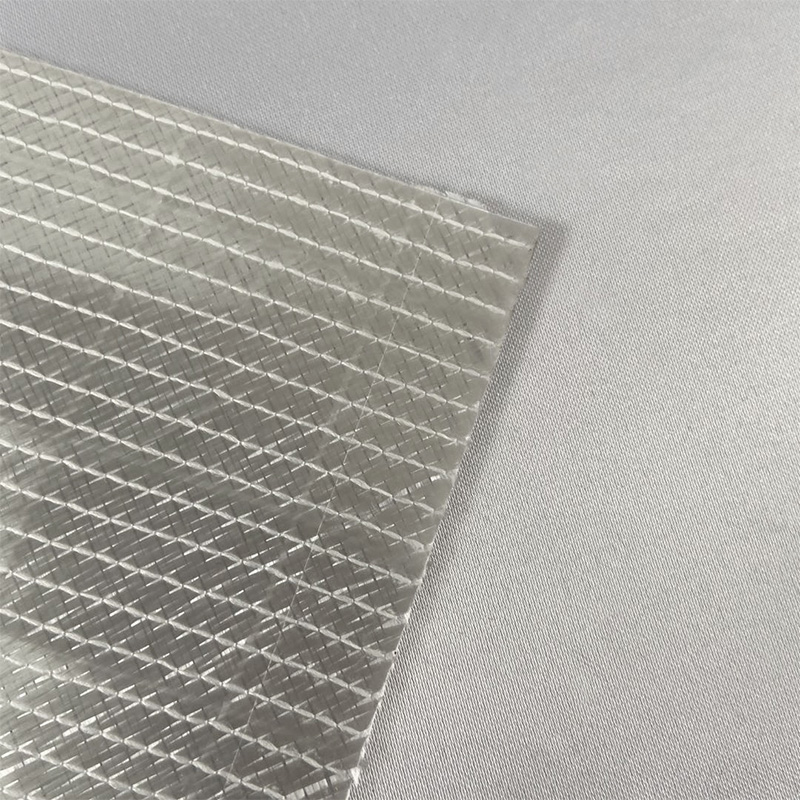
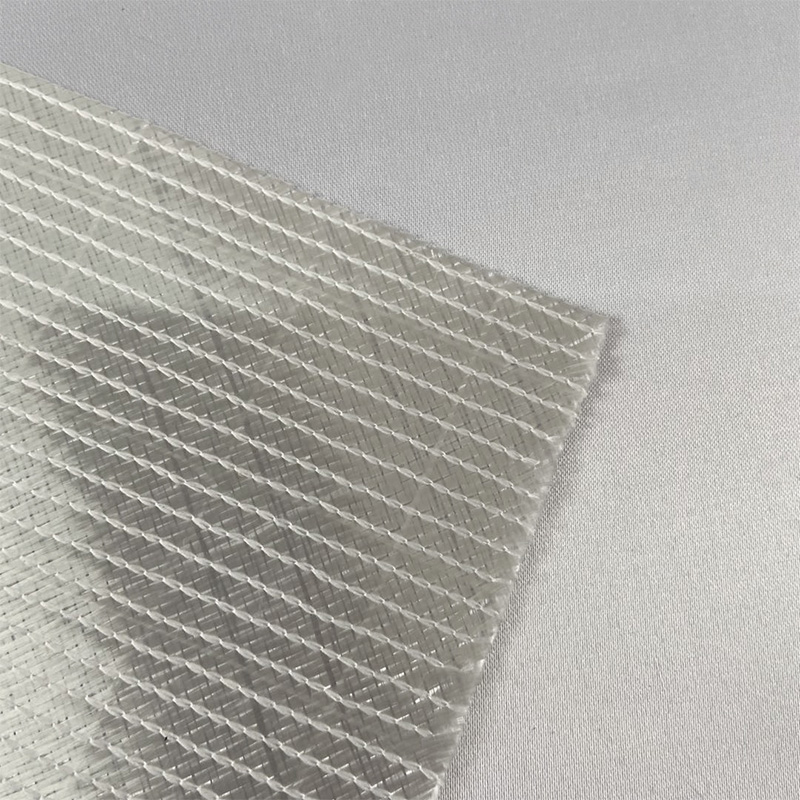
At its core, glass fiber mat is a non-woven reinforcement material composed of randomly oriented glass fibers bonded together by chemical or mechanical means. Unlike woven fabrics, the fibers in a glass fiber mat are distributed in multiple directions, which gives the material isotropic strength and consistent performance across surfaces.
Glass fiber mat is typically supplied in roll or sheet form and is designed to be compatible with various resin systems. Its structure allows resins to penetrate easily, forming a strong composite after curing. Because of this property, it is widely used as a reinforcing layer in composite manufacturing processes.
Manufacturing Process of Glass Fiber Mat
The production of glass fiber mat follows a relatively standardized yet technically precise process. It begins with molten glass that is extruded through fine nozzles to form continuous filaments. These filaments are then chopped into short lengths or laid continuously, depending on the type of mat being produced.
Once the fibers are prepared, they are evenly dispersed onto a conveyor belt to form a uniform layer. A binder is applied to hold the fibers together, and the mat is then cured through controlled heating. The final step involves trimming, rolling, and quality inspection.
The simplicity of this process contributes to the material’s scalability and consistent quality, making glass fiber mat suitable for both mass production and specialized applications.
Types of Glass Fiber Mat
Glass fiber mat can be classified based on fiber length, bonding method, and intended use. The common categories include chopped strand mat and continuous filament mat. Each type offers distinct advantages depending on the performance requirements.
| Type of Glass Fiber Mat | Fiber Structure | Key Characteristics | Typical Uses |
|---|---|---|---|
| Chopped strand mat | Short, randomly oriented fibers | Excellent conformability, easy resin absorption | General composite reinforcement |
| Continuous filament mat | Long, continuous fibers | Higher tensile strength, smoother surface | Structural and surface layers |
| Powder-bonded mat | Fibers bonded with powder binder | Good compatibility with specific resins | Molded components |
| Emulsion-bonded mat | Fibers bonded with emulsion | Flexible and easy handling | Hand lay-up processes |
This classification allows manufacturers and engineers to select the appropriate glass fiber mat for their specific production needs.
Key Properties and Performance Characteristics
Glass fiber mat is valued for a combination of mechanical, chemical, and physical properties. These characteristics make it suitable for demanding industrial environments.
Mechanical Strength
Although the fibers are randomly oriented, glass fiber mat provides reliable tensile and flexural strength when combined with resin systems. The resulting composite exhibits good load distribution and resistance to cracking.
Chemical Resistance
Glass fibers are inherently resistant to many chemicals, including acids and moisture. This resistance makes glass fiber mat suitable for applications exposed to harsh environments.
Thermal Stability
Glass fiber mat maintains its structural integrity across a wide temperature range. While it does not provide insulation on its own, it contributes to the thermal stability of composite structures.
Processability
One of the significant advantages of glass fiber mat is its ease of use. It can be cut, shaped, and layered without complex tooling, making it ideal for both automated and manual manufacturing processes.
Applications Across Industries
The versatility of glass fiber mat has led to its adoption in numerous industries. Its role is primarily as a reinforcement material, enhancing the mechanical performance of composite products.
Construction and Infrastructure
In construction, glass fiber mat is commonly used to reinforce panels, roofing materials, and wall components. Its dimensional stability and resistance to environmental factors help extend the service life of building materials.
Transportation
Glass fiber mat plays an important role in the production of lightweight composite parts for transportation applications. These components benefit from reduced weight without compromising structural integrity.
Industrial Equipment
Many industrial products rely on glass fiber mat for reinforcement in housings, covers, and protective components. Its resistance to corrosion and fatigue makes it suitable for long-term use.
Energy and Utilities
Glass fiber mat is also used in components that require electrical insulation or structural support. Its non-conductive nature adds an additional layer of safety in such applications.
Comparison with Other Reinforcement Materials
When selecting a reinforcement material, engineers often compare glass fiber mat with alternatives such as woven fabrics or other non-woven reinforcements. Glass fiber mat stands out due to its balanced performance and cost efficiency.
| Property | Glass Fiber Mat | Woven Glass Fabric | Other Non-Woven Mats |
|---|---|---|---|
| Fiber orientation | Random | Directional | Varies |
| Resin wet-out | Excellent | Moderate | Good |
| Conformability | High | Lower | Moderate |
| Cost efficiency | High | Moderate | Varies |
| Surface finish | Uniform | Textured | Depends on structure |
This comparison highlights why glass fiber mat remains a preferred choice for many general-purpose composite applications.
Role in Composite Manufacturing Processes
Glass fiber mat is compatible with a wide range of composite manufacturing techniques. Its adaptability is one of the reasons for its widespread use.
In hand lay-up processes, glass fiber mat is favored for its ease of handling and ability to conform to complex molds. In compression molding and resin transfer molding, it provides uniform reinforcement and consistent thickness. The material also integrates well into automated production lines, supporting efficient large-scale manufacturing.
Quality Control and Selection Guidelines
Selecting the appropriate glass fiber mat requires careful consideration of application requirements. Key factors include areal weight, binder type, fiber length, and compatibility with the chosen resin system.
Quality control measures typically focus on uniformity, moisture content, and tensile performance. Consistency in these parameters ensures predictable behavior during processing and long-term use.
FAQ
Q1: What is the main purpose of glass fiber mat in composites?
Glass fiber mat is primarily used as a reinforcement material to improve strength, durability, and structural stability in composite products.
Q2: How does glass fiber mat differ from woven glass fabric?
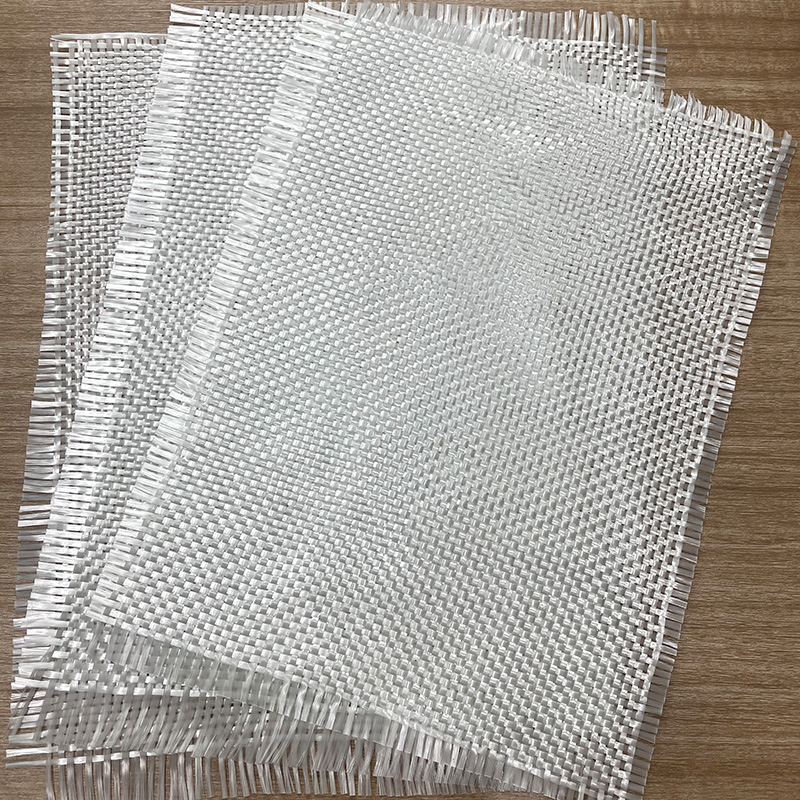
Glass fiber mat has randomly oriented fibers, providing uniform strength in all directions, while woven fabrics offer directional strength based on weave patterns.
Q3: Is glass fiber mat compatible with different resin systems?
Yes, glass fiber mat is designed to work with a wide range of resin systems, making it highly versatile in composite manufacturing.
Q4: Can glass fiber mat be used in automated production processes?
Glass fiber mat is suitable for both manual and automated processes due to its consistent structure and ease of handling.
Q5: What factors should be considered when choosing a glass fiber mat?
Important factors include fiber type, areal weight, binder compatibility, and the specific performance requirements of the application.
 Previous