
 English
 中文简体
中文简体 русский
 Español
Introduction
Carbon fiber cloth is a lightweight and high-strength textile material made from interwoven fibrous carbon fibers. The unique properties of carbon fiber—its high tensile strength, light weight, and stiffness—make it one of the sought-after materials for a wide range of industrial, automotive, aerospace, and consumer applications. As technology advances and new applications emerge, understanding the different types of carbon fiber cloth and their specific uses becomes essential.
Understanding Carbon Fiber Cloth
Carbon fiber cloth is manufactured from carbon fiber filaments that are woven together into a fabric. The filaments are typically made from polyacrylonitrile (PAN), pitch, or rayon, which are processed at high temperatures to create carbon fibers. These fibers are extremely strong yet light, with a low coefficient of thermal expansion. Carbon fiber cloth is known for its resistance to heat, corrosion, and fatigue, making it an ideal material for applications requiring strength and durability without adding excessive weight.
Different Types of Carbon Fiber Cloth
There are several types of carbon fiber cloth, each suited to different applications based on factors such as fiber orientation, weave pattern, and fabric weight. Let’s examine the common types:
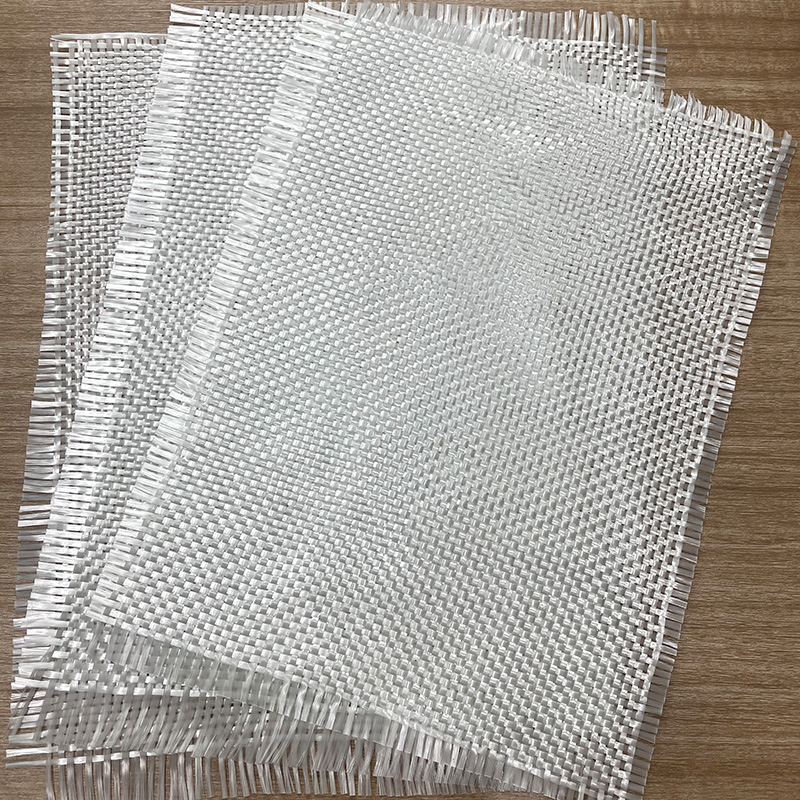
Plain Weave Carbon Fiber Cloth
- Description: The plain weave pattern is one of the common and simple types of carbon fiber cloth. In this weave, each fiber alternates over and under each neighboring fiber, creating a balanced structure that is both flexible and strong.
- Uses: This type of carbon fiber cloth is often used for general-purpose applications where strength, rigidity, and uniformity are required. It is commonly used in automotive parts, sporting goods, and general composite applications.
Twill Weave Carbon Fiber Cloth
- Description: In twill weave carbon fiber cloth, the fibers are woven in a diagonal pattern, typically over two or more fibers before going under. This creates a distinctive diagonal pattern on the fabric surface. The twill weave provides greater flexibility and drape compared to the plain weave.
- Uses: Twill weave carbon fiber cloth is frequently used in applications requiring improved drapeability and strength, such as in the aerospace industry for aircraft structures, and for automotive body panels, and racing components.
Satin Weave Carbon Fiber Cloth
- Description: Satin weave features a more complex interlacing pattern that results in a smoother surface with a glossy finish. The fibers are interwoven in such a way that they form a smooth surface with a slight sheen, making the material aesthetically pleasing.
- Uses: Satin weave carbon fiber cloth is commonly used in applications where appearance is important, such as in luxury cars, motorcycles, and premium consumer products, in addition to structural uses where high surface quality is desired.
Unidirectional Carbon Fiber Cloth
- Description: Unidirectional carbon fiber cloth is made up of fibers that run in a single direction. This configuration provides high strength along the direction of the fibers, making it particularly effective for certain load-bearing applications.
- Uses: Unidirectional carbon fiber cloth is commonly used in aerospace, marine, and high-performance automotive applications, where strength is required in a specific direction. It is also frequently used in composite layups where specific reinforcement is needed in one direction.
Hybrid Carbon Fiber Cloth
- Description: Hybrid carbon fiber cloth combines carbon fibers with other fibers, such as aramid, glass, or basalt fibers. This creates a composite fabric with unique properties derived from each fiber type.
- Uses: Hybrid cloth is used in applications where a balance between strength, impact resistance, and cost-effectiveness is required. For example, hybrid carbon fiber cloth can be used in automotive components and sporting equipment where impact resistance is critical.
3K Carbon Fiber Cloth
- Description: 3K refers to the number of individual filaments (3,000) bundled together to form a single tow of carbon fiber. This type of cloth offers a balance between strength, weight, and cost, making it a versatile option for a wide range of applications.
- Uses: 3K carbon fiber cloth is often used in industries such as automotive, aerospace, and sports equipment manufacturing, providing strength and rigidity for structural components.
12K Carbon Fiber Cloth
- Description: 12K carbon fiber cloth contains 12,000 filaments per tow, making it thicker and more robust than 3K cloth. The higher filament count improves the cloth’s overall strength and performance.
- Uses: This type of cloth is typically used for larger, more demanding structural components, such as in the construction of aerospace structures, wind turbine blades, and industrial applications.
Key Properties of Carbon Fiber Cloth
Understanding the key properties of carbon fiber cloth is essential for selecting the right type for specific applications. Some important properties to consider include:
- Tensile Strength: Carbon fiber has a tensile strength, meaning it can withstand significant pulling forces without breaking.
- Flexibility: Some carbon fiber cloths, like twill and satin weaves, offer more flexibility and drapability, making them easier to shape and mold.
- Weight: One of the key benefits of carbon fiber is its lightweight nature. This makes it ideal for applications where weight reduction is critical, such as in automotive and aerospace industries.
- Corrosion Resistance: Carbon fiber is naturally resistant to corrosion, making it ideal for use in harsh environments, such as marine and chemical processing.
- Thermal Conductivity: Carbon fiber cloth can withstand high temperatures, making it suitable for high-performance applications, such as in heat shields, brake pads, and exhaust systems.
Applications of Carbon Fiber Cloth
Aerospace
In the aerospace industry, carbon fiber cloth is used to manufacture structural components such as wings, fuselages, and control surfaces. The material’s lightweight yet strong characteristics help reduce the weight of aircraft, improving fuel efficiency and performance.
Automotive
Carbon fiber cloth is widely used in the automotive industry to manufacture lightweight parts like body panels, bumpers, and interior components. The use of carbon fiber helps reduce the weight of vehicles, thereby improving fuel efficiency and performance.
Marine
The marine industry uses carbon fiber cloth to reinforce hulls, decks, and other structural components. Carbon fiber’s corrosion resistance and strength make it an ideal material for building durable boats and yachts.
Sports Equipment
Sports equipment such as bicycles, golf clubs, tennis rackets, and skis are often made with carbon fiber cloth. Its lightweight properties help improve performance, while its strength ensures durability under high stress.
Industrial Manufacturing
Carbon fiber cloth is also used in industrial manufacturing, especially for parts exposed to conditions, such as in the production of wind turbine blades, race car components, and military equipment.
Carbon Fiber Cloth vs. Other Reinforcing Fabrics
While carbon fiber cloth is one of the popular reinforcing materials, it is not the only option. Other materials, such as fiberglass, aramid, and natural fibers, are also used for similar applications. A comparison of these materials can help determine the option based on factors such as cost, performance, and specific requirements.
| Material | Weight | Tensile Strength | Cost | Applications |
|---|---|---|---|---|
| Carbon Fiber Cloth | Light | High | Expensive | Aerospace, Automotive |
| Fiberglass | Heavy | Moderate | Low | General composites |
| Aramid Fiber | Moderate | High | Moderate | Ballistic, Aerospace |
| Natural Fibers | Light | Low | Low | Eco-friendly composites |
Conclusion
Carbon fiber cloth is a versatile and valuable material with a wide range of uses across various industries. From automotive to aerospace, the different types of carbon fiber cloth—each with its unique properties—enable manufacturers to select the right fabric for specific needs. Understanding these types and their uses will ensure the selection of the material for any given application, ensuring both performance and cost-effectiveness.
FAQ
1. What is the difference between plain weave and twill weave carbon fiber cloth?
Plain weave offers a simple, balanced structure, while twill weave has a diagonal pattern, providing better drapability and flexibility.
2. Can carbon fiber cloth be used for outdoor applications?
Yes, carbon fiber is highly resistant to corrosion, making it suitable for outdoor applications like marine and automotive components.
3. What makes unidirectional carbon fiber cloth special?
Unidirectional cloth is designed to provide strength in a single direction, making it ideal for load-bearing applications.
4. Why is carbon fiber cloth used in aerospace?
Its lightweight yet strong properties make it for reducing the weight of aircraft, improving fuel efficiency and performance.
5. Is carbon fiber cloth easy to work with?
Carbon fiber cloth can be challenging to cut and shape due to its rigidity, but its high strength and light weight make it worthwhile for demanding applications.
 Previous