
 English
 中文简体
中文简体 русский
 Español
When working on a project that requires strong, durable, and heat-resistant materials, selecting the right glass fiber mat is crucial. Glass fiber mats are an essential component in various industries, from construction to automotive to marine applications. These mats are made of woven glass fibers that provide excellent mechanical strength and thermal resistance. However, choosing the right glass fiber mat involves understanding several factors, including material composition, thickness, weave pattern, and the specific requirements of the project.
Understanding Glass Fiber Mats
What Is a Glass Fiber Mat?
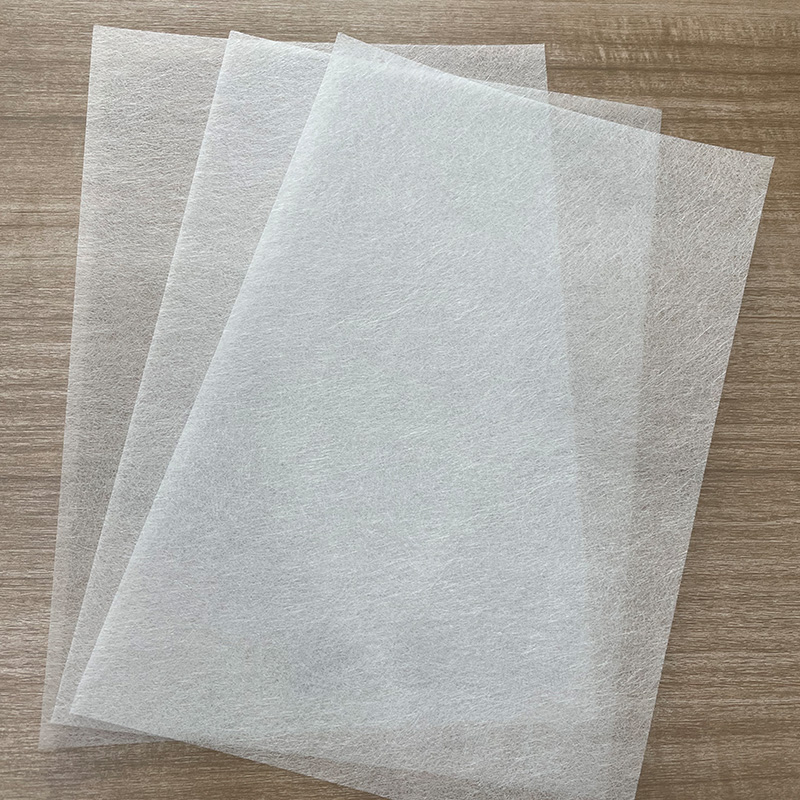
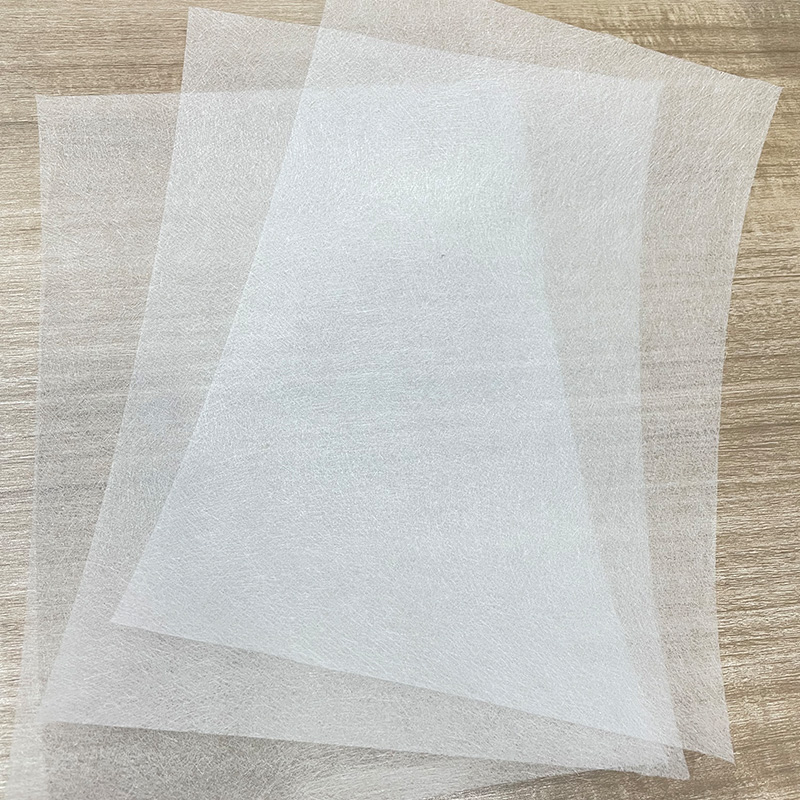
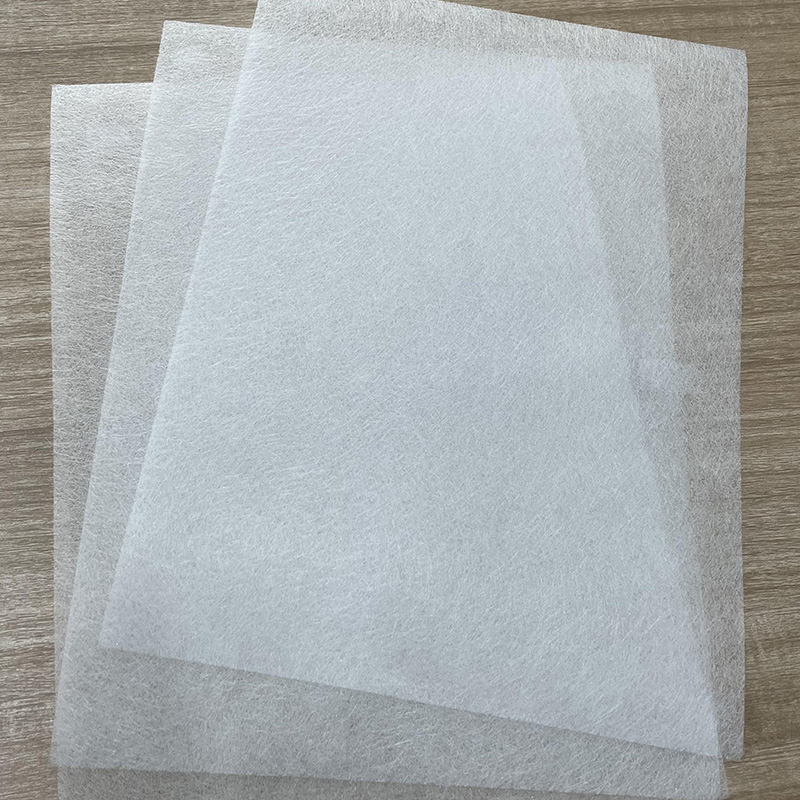
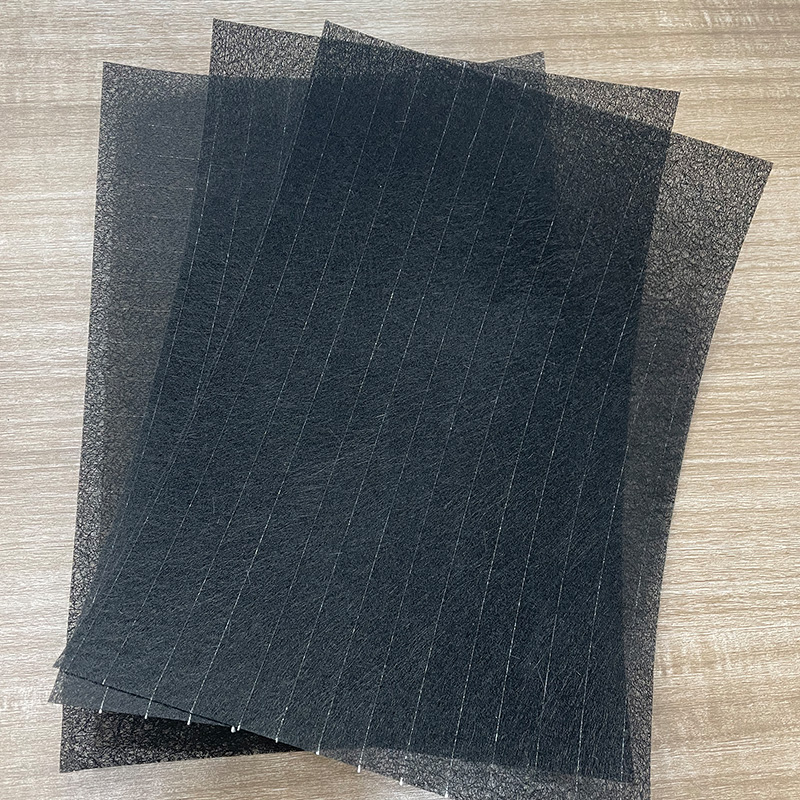
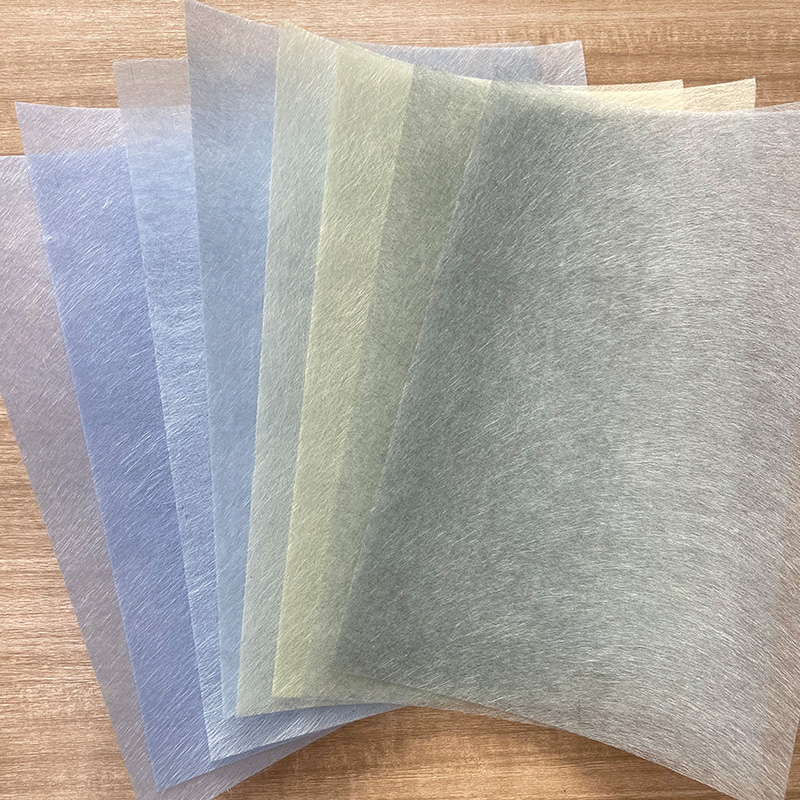
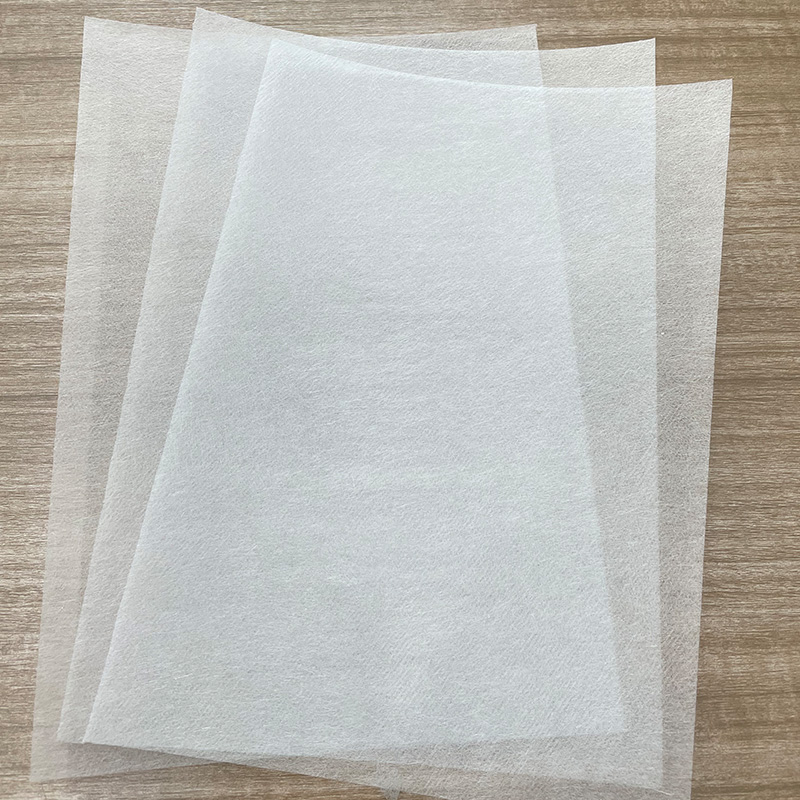
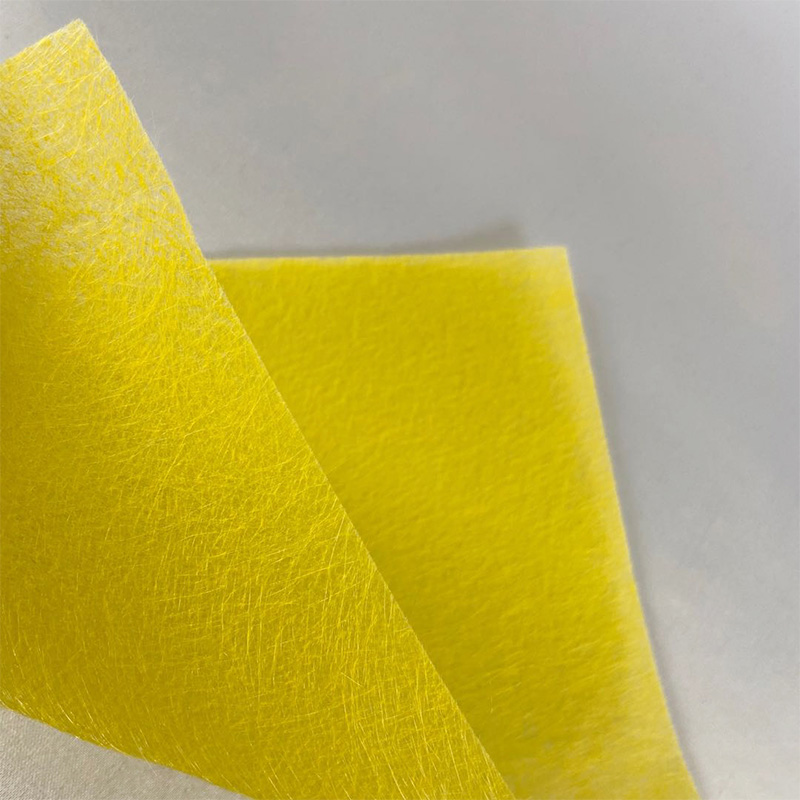
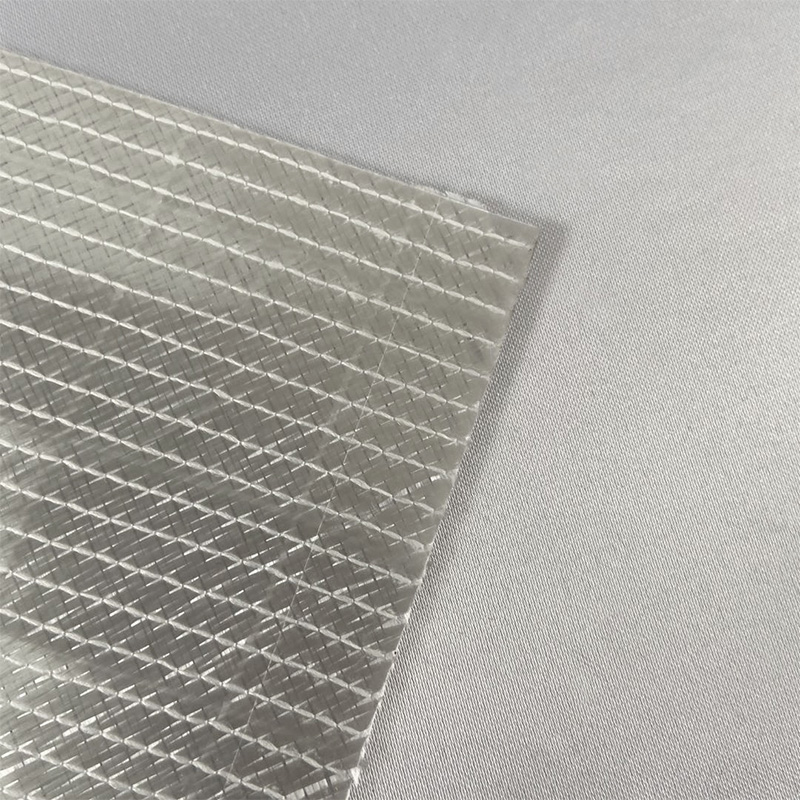
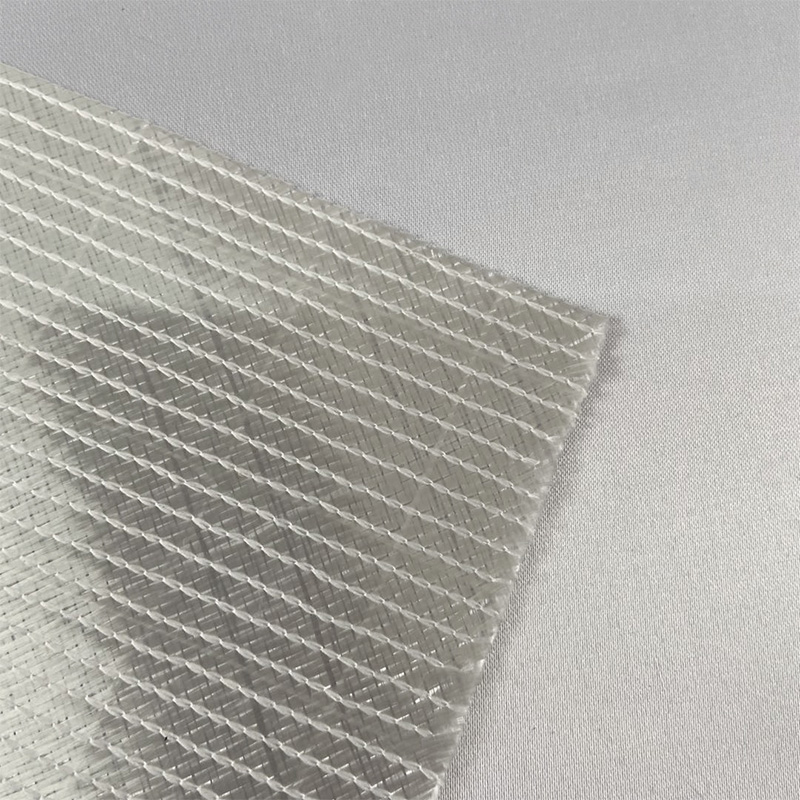
A glass fiber mat is a non-woven fabric made of fine glass fibers. These fibers are bound together to form a mat that can be used in various industrial applications. Glass fiber mats offer excellent mechanical properties, such as high tensile strength, low shrinkage, and exceptional heat resistance. They are commonly used in reinforcement applications, such as in composites, roofing, and insulation materials.
Types of Glass Fiber Mats
There are several types of glass fiber mats, each designed for specific uses:
- Chopped Strand Mat (CSM): Made from short glass fibers bonded together with a resin binder. CSM is commonly used in applications that require high flexibility and good surface finish.
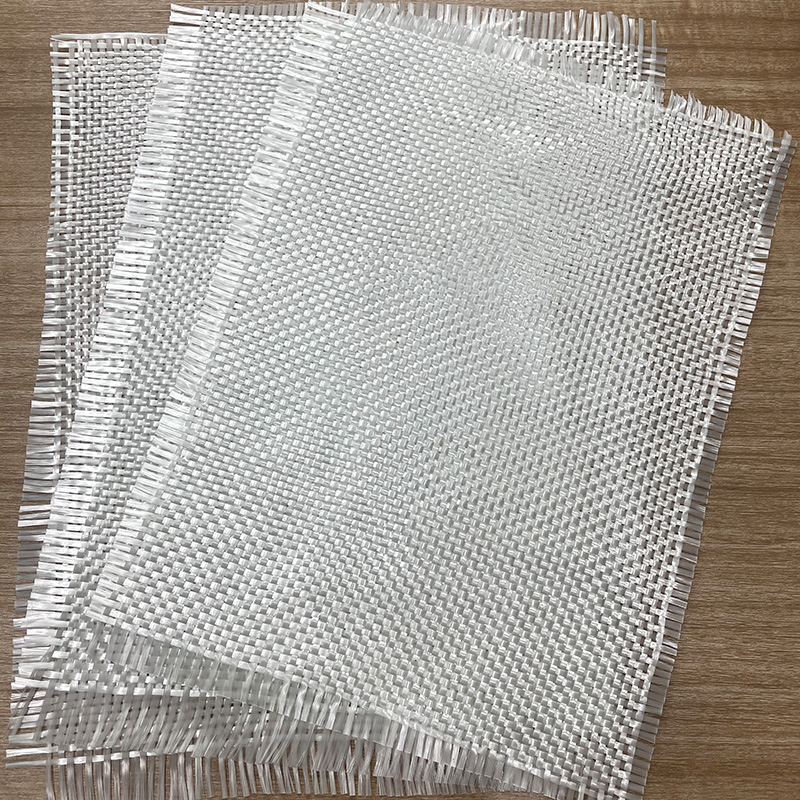
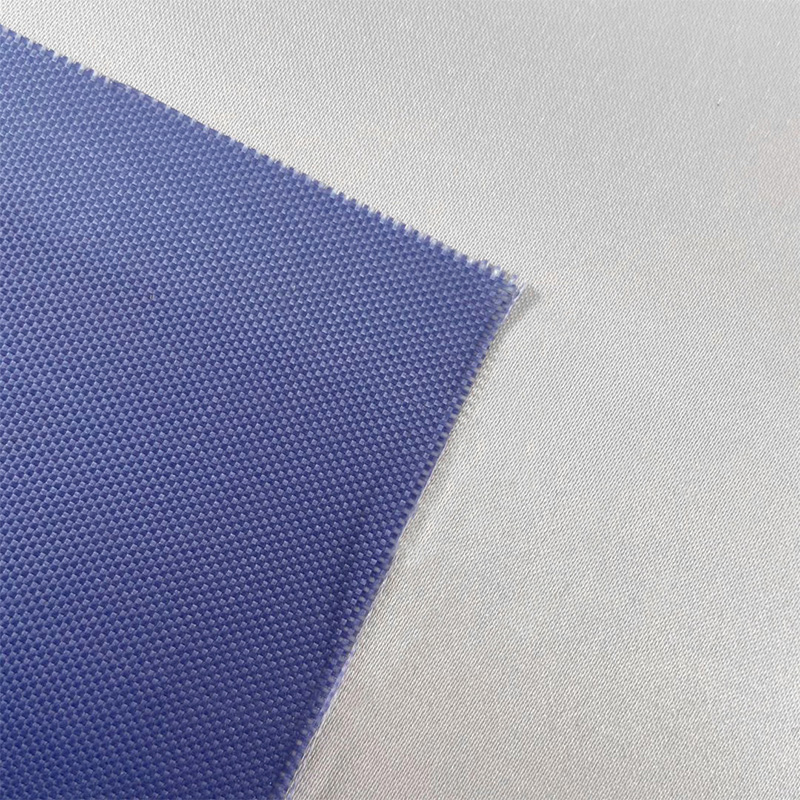
- Woven Roving Mat: This mat consists of continuous glass fibers woven together into a fabric, making it ideal for structural reinforcement.
- Needle-punched Mat: Created by mechanically interlocking fibers using a needle-punching process, providing a denser and stronger mat for heavy-duty applications.
- Unidirectional Mat: Fibers in this mat are aligned in one direction, providing superior strength in that specific orientation.
Each type of mat has distinct advantages depending on the application, and the choice will be guided by factors such as the required strength, flexibility, and type of resin used.
Factors to Consider When Choosing a Glass Fiber Mat
To select the right glass fiber mat, several factors need to be considered:
Material Composition
The composition of the glass fiber mat plays a critical role in determining its performance. Common materials used for glass fiber mats include E-glass and S-glass fibers.
- E-glass: This is the most commonly used glass in fiber mats due to its excellent mechanical properties, corrosion resistance, and electrical insulation capabilities.
- S-glass: S-glass offers superior strength and is used in applications requiring high performance under extreme conditions.
Choose the type of glass fiber based on your project’s requirements. For most general applications, E-glass will suffice, but for heavy-duty or high-performance needs, S-glass might be necessary.
Thickness
The thickness of the glass fiber mat will directly impact its strength, flexibility, and suitability for your project. Thicker mats offer increased strength and durability but can be less flexible, making them better for structural applications. Thinner mats are more flexible and lightweight, making them ideal for applications that require more intricate shapes.
Glass Fiber Mat Thickness and Application
| Thickness Range (mm) | Application | Characteristics |
|---|---|---|
| 0.2 - 1.0 | Decorative coatings | Lightweight, easy to handle |
| 1.0 - 2.0 | Reinforced composites | High strength, flexible |
| 2.0 - 4.0 | Structural reinforcement | Strong and rigid, ideal for heavy-duty applications |
| Above 4.0 | Industrial uses | Very strong, suitable for demanding projects |
Weave Pattern
The weave pattern refers to how the glass fibers are arranged in the mat. Common weave patterns include plain weave, twill weave, and satin weave. The pattern impacts the flexibility, strength, and surface finish of the mat.
- Plain Weave: Offers excellent durability and is commonly used in applications that require balanced strength in both directions.
- Twill Weave: Provides a smoother finish and is slightly more flexible than plain weave mats. It is ideal for applications where a good surface finish is required.
- Satin Weave: Offers the highest flexibility and smoothest surface finish, often used in applications requiring a high-quality aesthetic appearance.
Choosing the right weave pattern is essential for achieving the desired strength and aesthetic finish in your project.
Resin Compatibility
The resin used to bond the glass fibers together is equally important when choosing a glass fiber mat. Glass fiber mats are compatible with various resins, including polyester, vinyl ester, epoxy, and phenolic. The choice of resin will depend on factors such as the environmental conditions and mechanical properties required.
- Polyester Resin: Commonly used for general-purpose applications due to its cost-effectiveness.
- Vinyl Ester Resin: Offers superior corrosion resistance and is ideal for applications exposed to harsh chemicals.
- Epoxy Resin: Provides excellent adhesion and high strength, suitable for high-performance applications.
- Phenolic Resin: Best for high-heat applications.
Check the resin compatibility when choosing a glass fiber mat, as it affects the mat’s overall performance and durability.
Strength Requirements
For projects that require higher mechanical strength, a higher glass content is essential. Look for mats with a higher fiber content if your project demands exceptional durability, load-bearing capacity, or resistance to impact. Conversely, lower fiber content might be sufficient for less demanding projects.
Surface Finish
The surface finish of the glass fiber mat affects the final appearance of the product. If your project requires a smooth, polished surface, you may need a mat that offers a finer finish, such as those with a satin weave. For rougher applications, a coarser mat, such as a chopped strand mat, might be suitable.
Applications of Glass Fiber Mats
Glass fiber mats are used in a variety of industries, including:
- Construction: Used for reinforcement in concrete, plaster, and flooring materials.
- Automotive: Used in the manufacturing of vehicle parts such as bumpers, hoods, and body panels.
- Marine: Glass fiber mats are used in boat hulls and other marine structures due to their excellent corrosion resistance and durability.
- Sports Equipment: Used in the production of high-performance sports equipment, such as surfboards and bicycle frames.
Each of these industries requires specific properties from the glass fiber mat, such as flexibility, strength, or heat resistance. Understanding these needs will help in choosing the right mat.
Common Mistakes to Avoid
Overlooking Resin Compatibility
Selecting a glass fiber mat that is incompatible with the chosen resin can lead to poor bonding and diminished performance.
Ignoring Project Requirements
Choosing a mat without thoroughly understanding the project requirements, such as strength or flexibility, can lead to issues like mat failure or poor performance.
Opting for the Cheapest Option
While it’s tempting to choose the least expensive option, a cheap glass fiber mat might not offer the durability or strength needed for your project. Always weigh cost against performance.
FAQ
Q1: What is the difference between chopped strand mat and woven roving mat?
A chopped strand mat is made of short glass fibers and is ideal for applications requiring flexibility, while woven roving mats are made of long, continuous fibers, offering higher strength for structural applications.
Q2: Can I use glass fiber mat for outdoor applications?
Yes, glass fiber mats are durable and resistant to environmental factors such as moisture and UV rays, making them suitable for outdoor applications, especially when combined with UV-resistant resin.
Q3: How do I choose the right thickness for my project?
The thickness depends on the required strength and flexibility of your project. Thicker mats are stronger but less flexible, while thinner mats are more flexible but offer less structural support.
Q4: Is glass fiber mat resistant to chemicals?
Yes, glass fiber mats are resistant to many chemicals, particularly when combined with vinyl ester or epoxy resins. However, specific chemical resistance depends on the resin used.
Q5: How do I install glass fiber mats?
Glass fiber mats can be installed by bonding them with resin and applying pressure. Ensure proper ventilation during installation to allow the resin to cure and bond effectively.
By considering the material composition, thickness, weave pattern, resin compatibility, and specific project needs, you can make an informed decision about the best glass fiber mat for your project. Whether for construction, automotive, or marine applications, the right choice will ensure durability, strength, and long-term performance.
 Previous