
 English
 中文简体
中文简体 русский
 Español
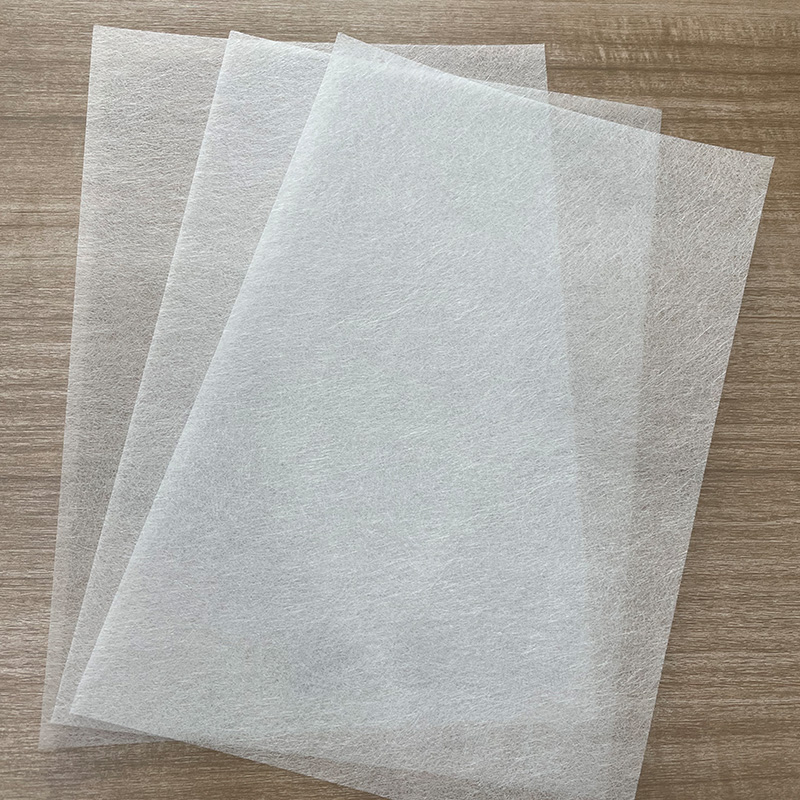
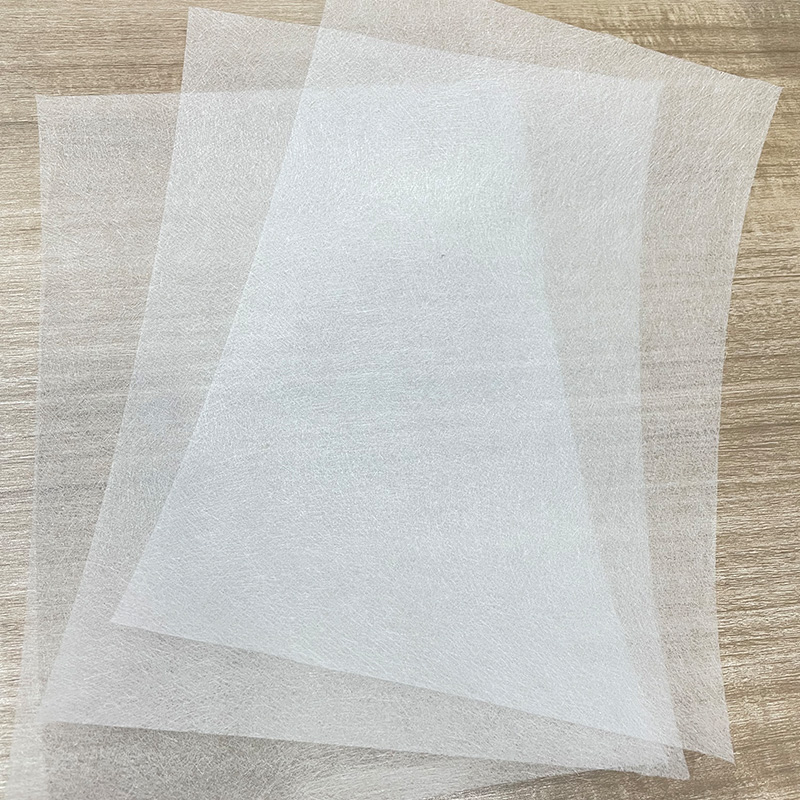
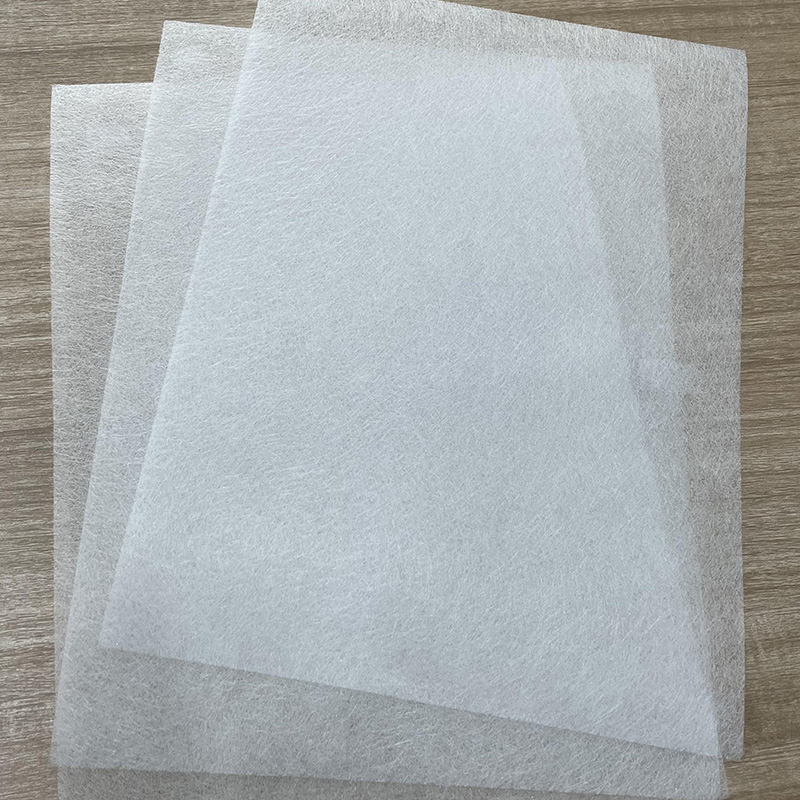
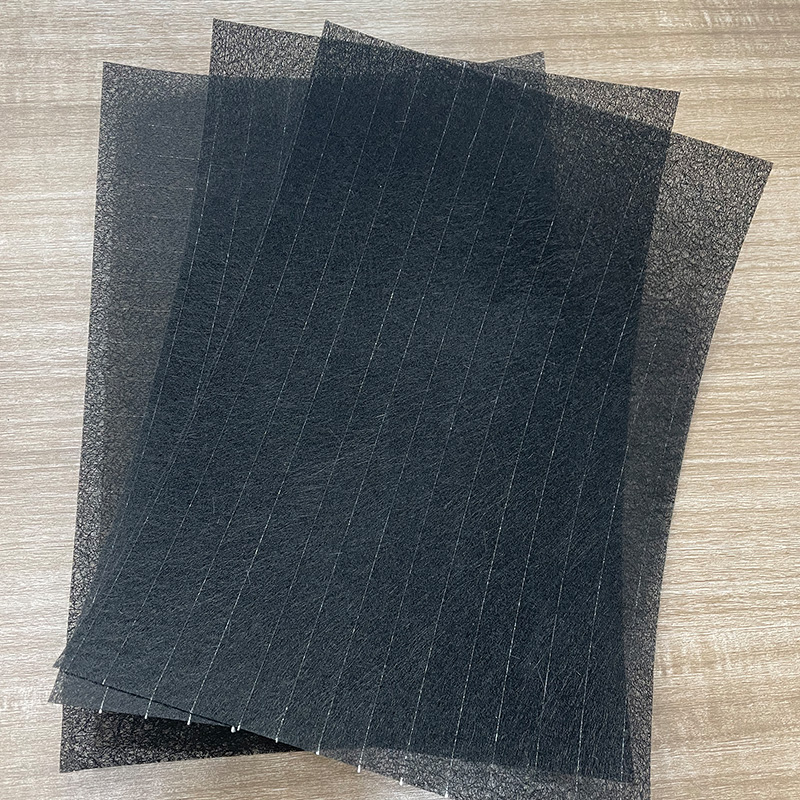
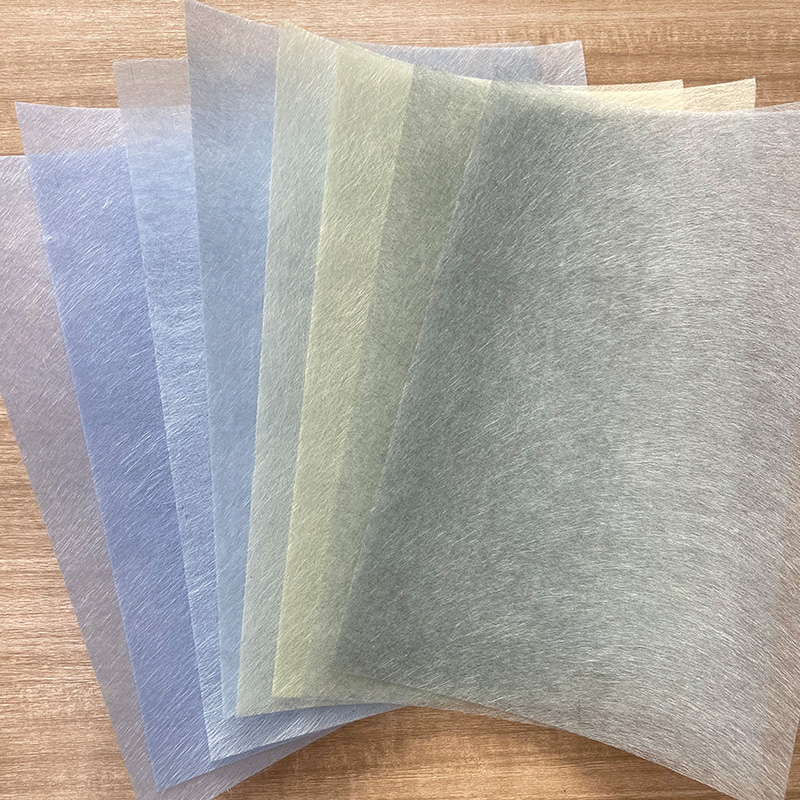
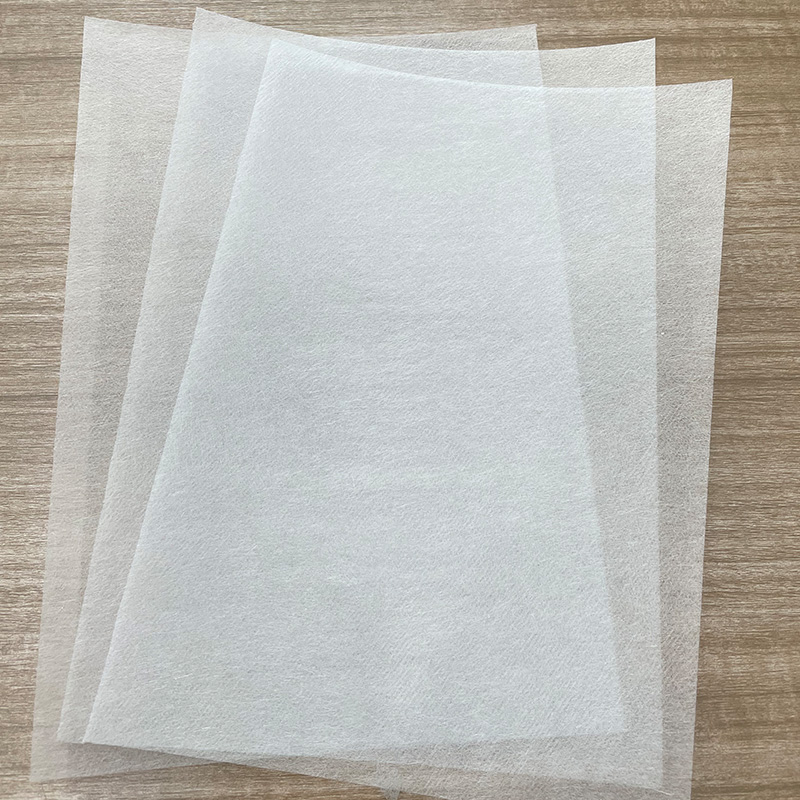
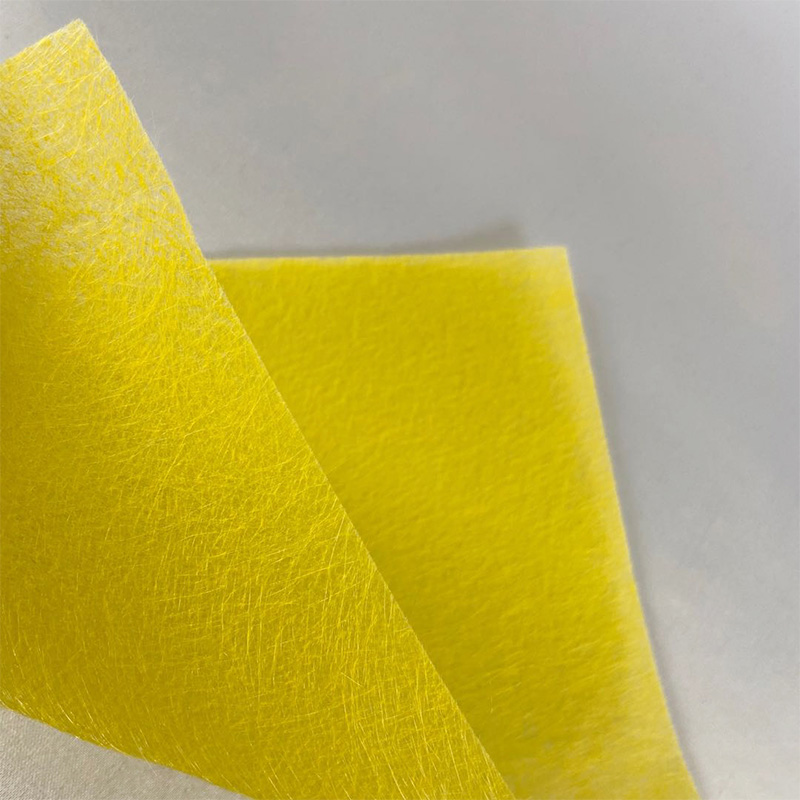
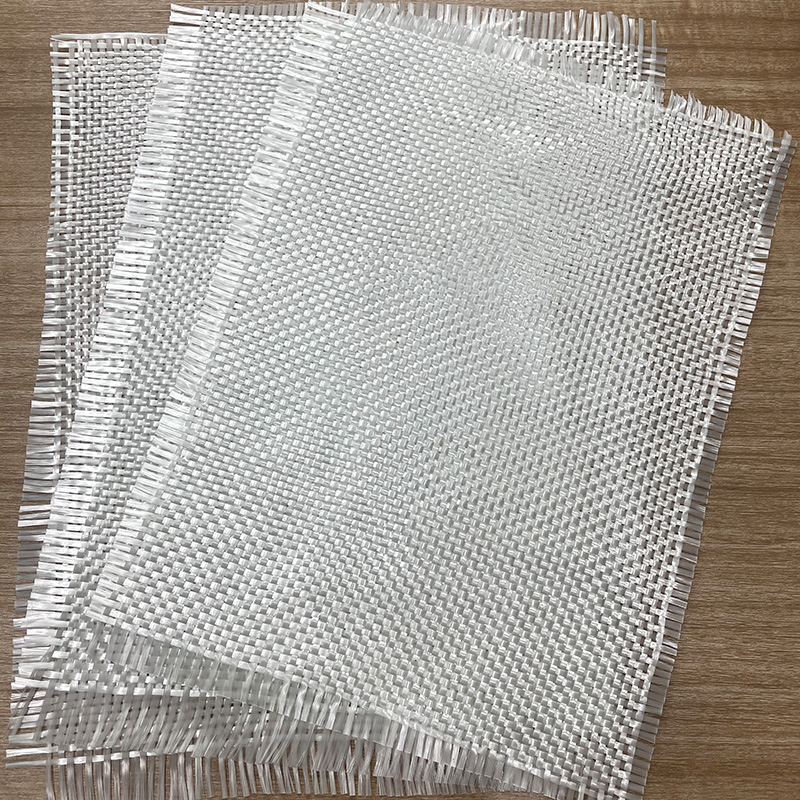
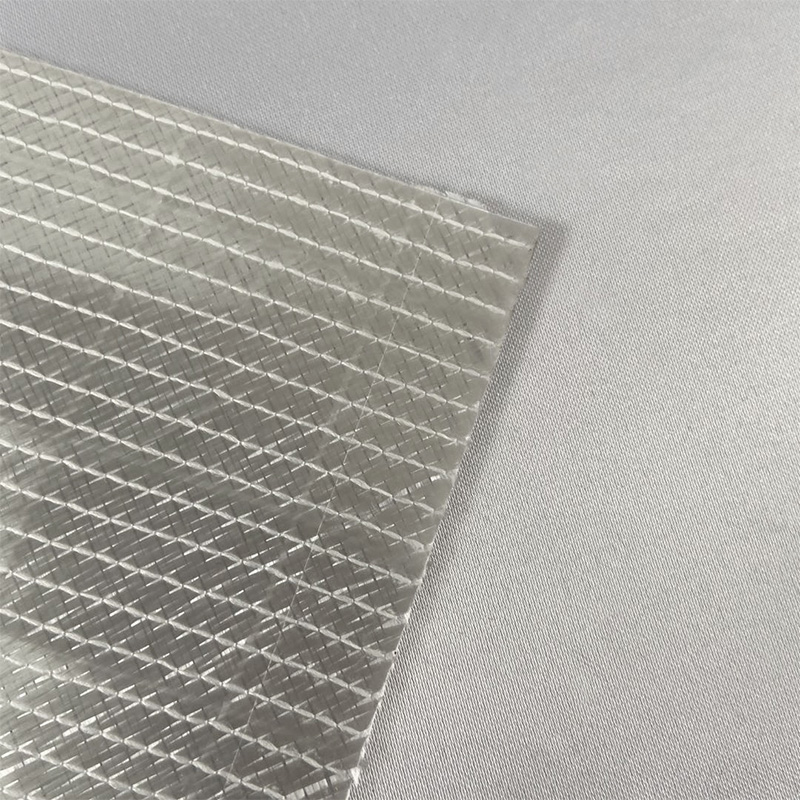
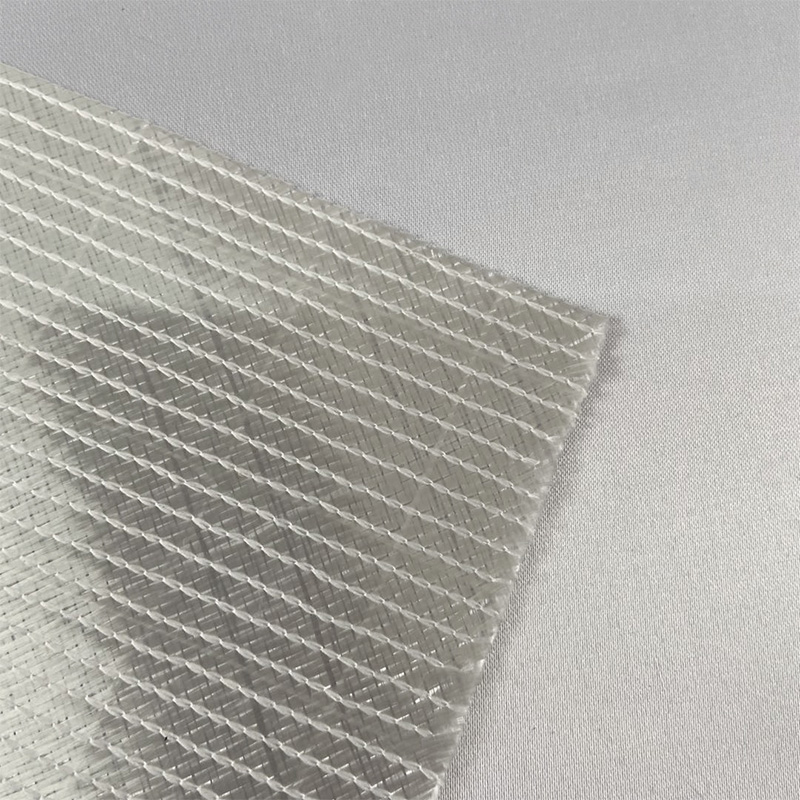
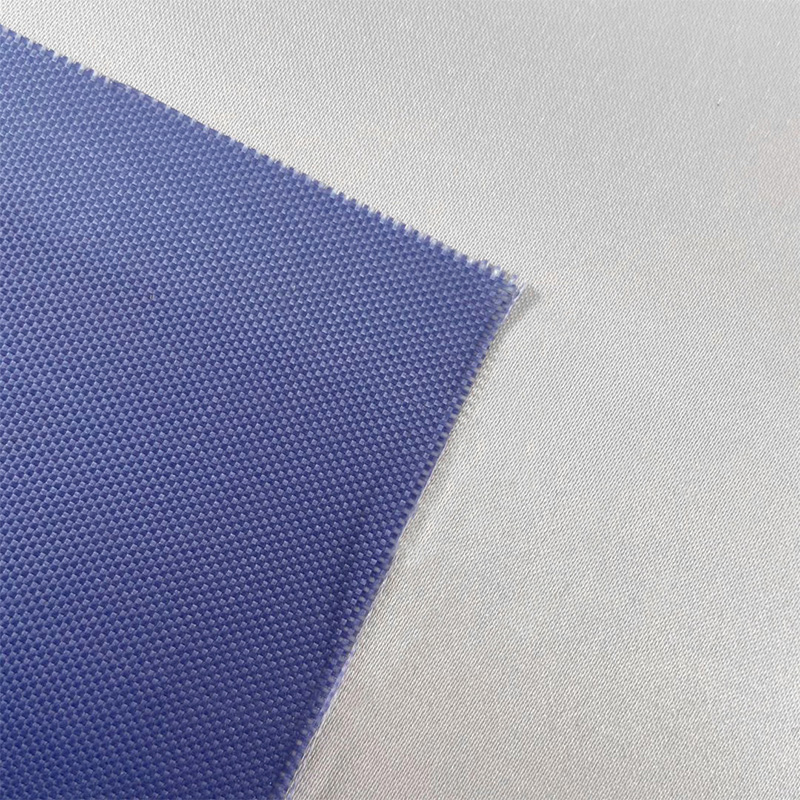
As a core reinforcement material in the composite materials industry, the glass fiber mat plays a crucial role in automotive components, building materials, FRP pipes, insulation systems, filtration media, and various structural composites. With global demand shifting toward lightweight, corrosion-resistant and high-performance materials, the manufacturing processes, material formulations, and quality standards of glass fiber mats continue to evolve.
Raw Materials Used in Glass Fiber Mat Manufacturing
The performance of a glass fiber mat is largely determined by the composition of the glass, the fiber diameter, and the type of binder used to form the mat structure. These three factors influence strength, resin compatibility, thickness consistency, and long-term durability.
Glass Composition
Most glass fiber mats are manufactured using silicate-based glass blends, with SiO₂ forming the primary network structure. The composition is adjusted using oxides such as Al₂O₃, CaO, MgO, and Na₂O to optimize chemical stability, melt viscosity, and fiber-forming behavior. Common types include:
- E-glass: Strong, electrically insulating, and widely used across general composite applications.
- C-glass: Superior resistance to chemical corrosion; suitable for acid- or alkali-exposed environments.
- AR-glass: Designed for enhanced alkali resistance, often used in cement-based reinforcement systems.
Fiber Diameter
Glass fibers used for mats typically range from 7–16 μm in diameter. Finer fibers improve dispersion, resin wet-out, and surface quality, while coarser fibers are used where higher tensile strength and stiffness are required. The final choice depends on the target application and the mechanical requirements of the end product.
Binder System
The binder acts as the structural glue of the glass fiber mat, bonding fibers together and determining flexibility, internal cohesion, and dimensional stability.
Typical binder types include:
- Powder binders: Rapid curing and suitable for high-volume production.
- Emulsion binders: Excellent uniformity, improved softness, and stable mechanical properties.
- Thermoplastic binders: Low-emission, environmentally friendly, and increasingly used where sustainability is prioritized.
The binder formulation directly affects processing efficiency and compatibility with downstream composite manufacturing processes.
Manufacturing Processes of Glass Fiber Mats
Glass fiber mats are primarily produced using two methods: the wet-laid process and the dry-laid process. Each process offers distinct advantages in thickness control, structural uniformity, and mechanical characteristics.
Wet-Laid Process
The wet-laid method is widely used to produce mats with exceptional uniformity and thin-layer precision. In this process, fibers are dispersed in water and then deposited into a controlled web through filtration and dewatering.
Fiber Chopping
Continuous glass fibers are chopped to lengths typically between 6–50 mm. The selected length ensures proper dispersion and mat performance.
Water Dispersion
The chopped fibers are uniformly mixed in water. Dispersing agents are sometimes added to prevent fiber agglomeration and promote a stable suspension.
Web Formation
The fiber suspension flows across a forming screen, where water drains away and fibers settle into a consistent, interlocked layer. This creates the initial mat structure.
Binder Application
The mat passes through binder application stages—either spraying or impregnation—to introduce the bonding agent that stabilizes the fiber network.
Drying and Curing
The mat is dried and thermally cured to fix the binder, establishing the final structural integrity and ensuring dimensional consistency.
Wet-laid glass fiber mats are favored for products requiring refined surface appearance, thin profiles, and precise resin distribution.
Dry-Laid Process
The dry-laid process is suited for mats requiring higher tensile strength, thicker cross-sections, and high-volume continuous production. It does not rely on water dispersion, instead using air-laying or mechanical spreading to form the web.
Typical Dry-Laid Steps Include:
- Fiber Opening: Fibers are loosened and individualized to prepare for even distribution.
- Web Forming: Airflow or mechanical shuffling distributes fibers into a layered structure.
- Binder Application: The web is bonded using spray or dip application of binders.
- Thermal Curing: Controlled heating solidifies the binder and stabilizes the mat.
Dry-laid mats are widely used in composite panels, FRP pipe winding, insulation components, and structural laminates where strength and rigidity are required.
Key Performance Indicators of Glass Fiber Mats
Industry evaluation of glass fiber mats places emphasis on mechanical, physical, thermal, and chemical performance metrics. These indicators determine suitability for various composite systems, processing environments, and end-use conditions.
Common Performance Indicators of Glass Fiber Mats
| Category | Typical Indicators | Significance |
|---|---|---|
| Physical | Mass per unit area, thickness, binder content | Affects mat uniformity, resin uptake, and laminate stability |
| Mechanical | Tensile strength, tear resistance, elongation at break | Determines reliability during processing and long-term durability |
| Chemical | Acid/alkali resistance, water-soluble content | Critical for corrosive environments and filtration applications |
| Thermal | Thermal stability, softening point, dimensional stability | Influences performance in heat-cured composite processes |
| Surface | Fiber dispersion, surface uniformity | Impacts adhesion, laminate smoothness, and surface finish |
These performance benchmarks help ensure consistent quality and predictable behavior in downstream fabrication.
Industry Standards for Glass Fiber Mat Products
International standards for glass fiber mats vary slightly across regions but generally revolve around material consistency, mechanical reliability, and environmental compliance.
Material Consistency Standards
These standards regulate:
- Thickness uniformity
- Mass per unit area variations
- Binder distribution uniformity
Consistency is essential for automated production lines and laminate structures requiring precise reinforcement ratios.
Mechanical Performance Requirements
Mechanical performance standards ensure that mats maintain their integrity during handling and processing. Requirements include:
- Minimum tensile strength values
- Defined tear resistance thresholds
- Bend and flex retention criteria
Such metrics support reliable performance under tension, pressure, or repeated stress during composite fabrication.
Thermal Property Standards
Thermal standards assess:
- High-temperature dimensional stability
- Residual strength after heat aging
- Softening behavior under thermal loads
These requirements are particularly important for applications involving hot curing, thermoset resins, and structural laminates.
Environmental Compliance
Environmental standards cover:
- Low-emission requirements
- Restrictions on hazardous additives
- Sustainable material guidelines
As global industries shift toward greener manufacturing, low-VOC binders and environmentally responsible material selections are becoming increasingly mainstream.
Conclusion
The manufacturing of glass fiber mats involves precise formulation, controlled fiber processing, and rigorous thermal bonding techniques. From glass composition to binder selection and curing conditions, each step is essential to ensuring product functionality and long-term reliability.
FAQ
1. What is a glass fiber mat used for?
It is commonly used for reinforcing composite materials in applications such as building panels, FRP pipes, automotive components, insulation layers, and filtration media.
2. What are the advantages of using a glass fiber mat in composite structures?
It offers lightweight reinforcement, corrosion resistance, strong mechanical properties, thermal stability, and good resin compatibility.
3. How do wet-laid and dry-laid glass fiber mats differ?
Wet-laid mats provide uniformity and thin-layer precision, while dry-laid mats offer higher strength, greater thickness ranges, and suitability for continuous production.
4. How is the quality of a glass fiber mat evaluated?
Quality is assessed through indicators such as tensile strength, mass per unit area, thickness deviation, chemical resistance, thermal stability, and surface uniformity.
5. What binder systems are commonly used in glass fiber mats?
Powder binders, emulsion binders, and thermoplastic binders are widely used depending on flexibility, cost, processing needs, and environmental requirements.
 Previous