
 English
 中文简体
中文简体 русский
 Español
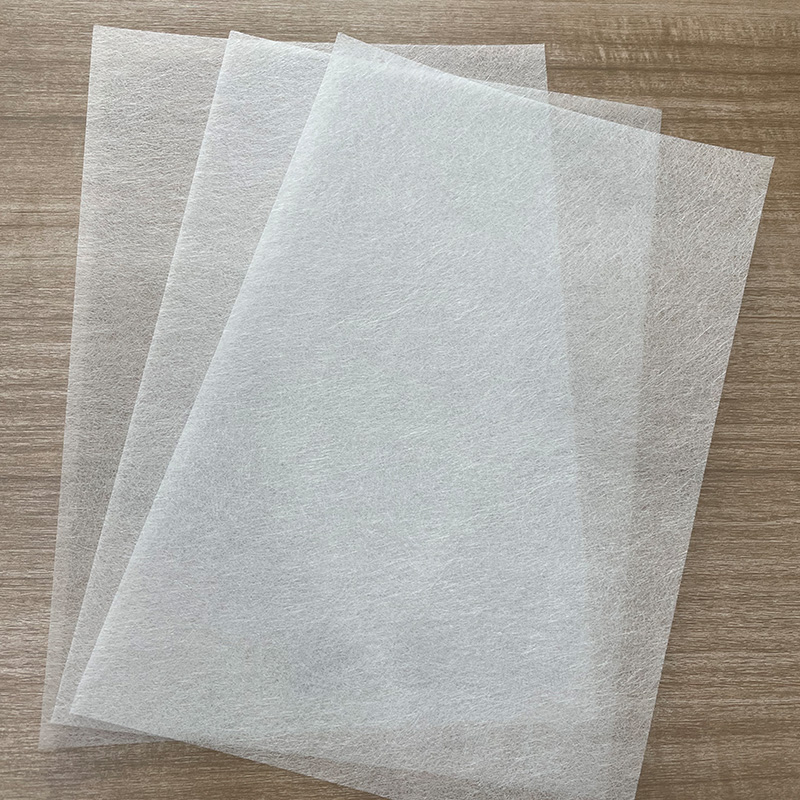
In recent years, composite materials have gained significant traction across a wide range of industries due to their impressive strength-to-weight ratio, durability, and versatility. Among the many components that contribute to the properties of composites, the fiberglass surfacing veil, also known as fiberglass tissue mat, plays a critical role in enhancing the surface characteristics and overall performance of these materials.
Introduction to Fiberglass Surfacing Veil
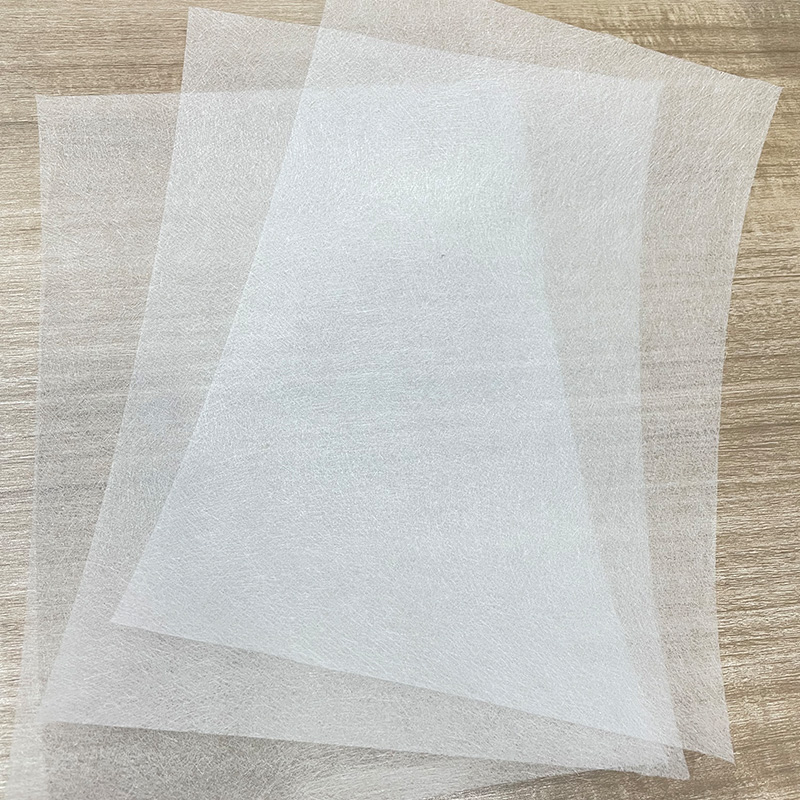
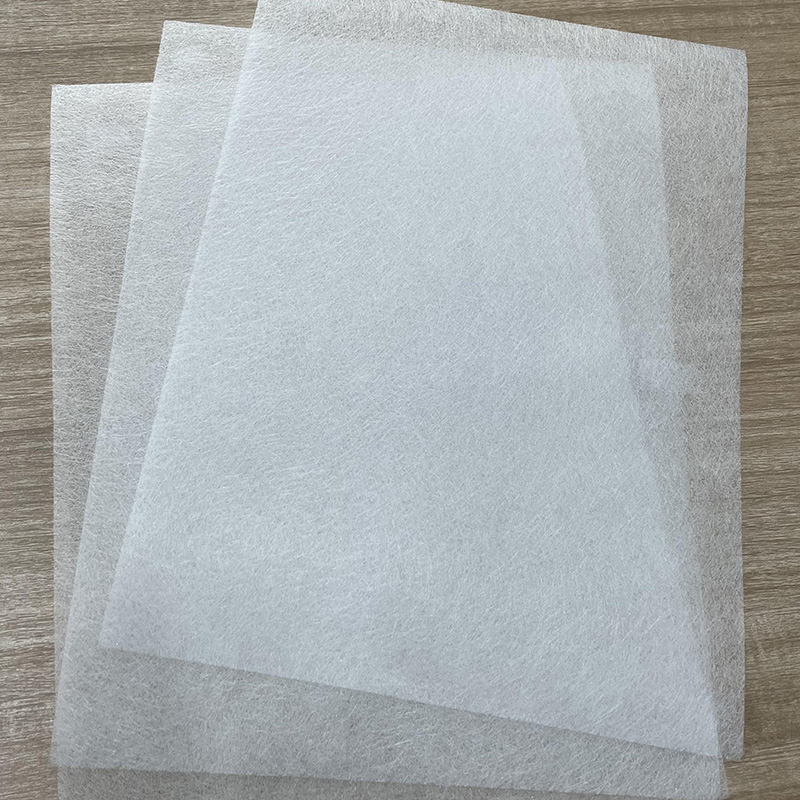
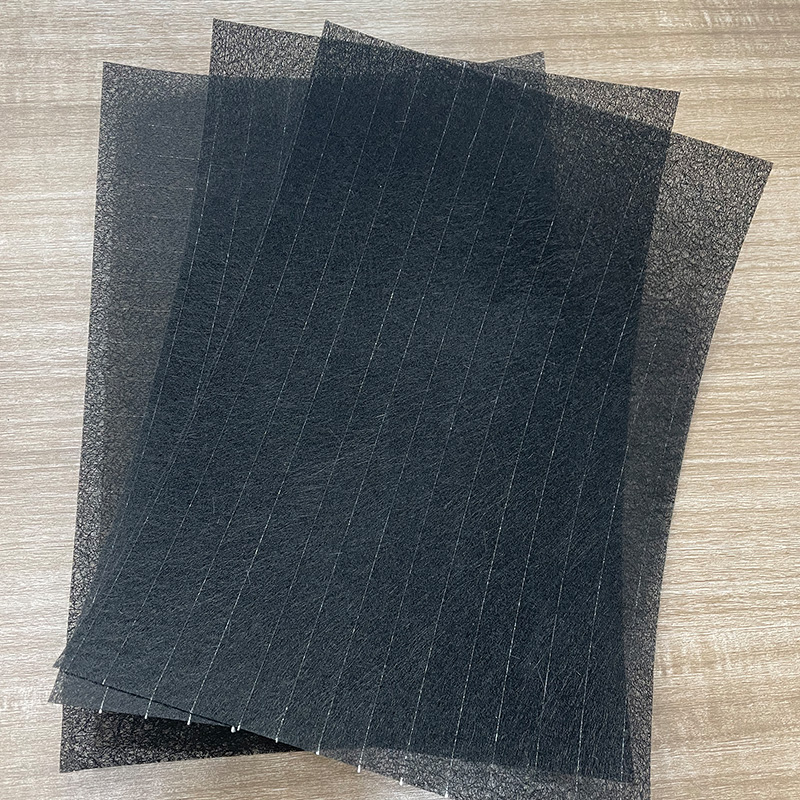
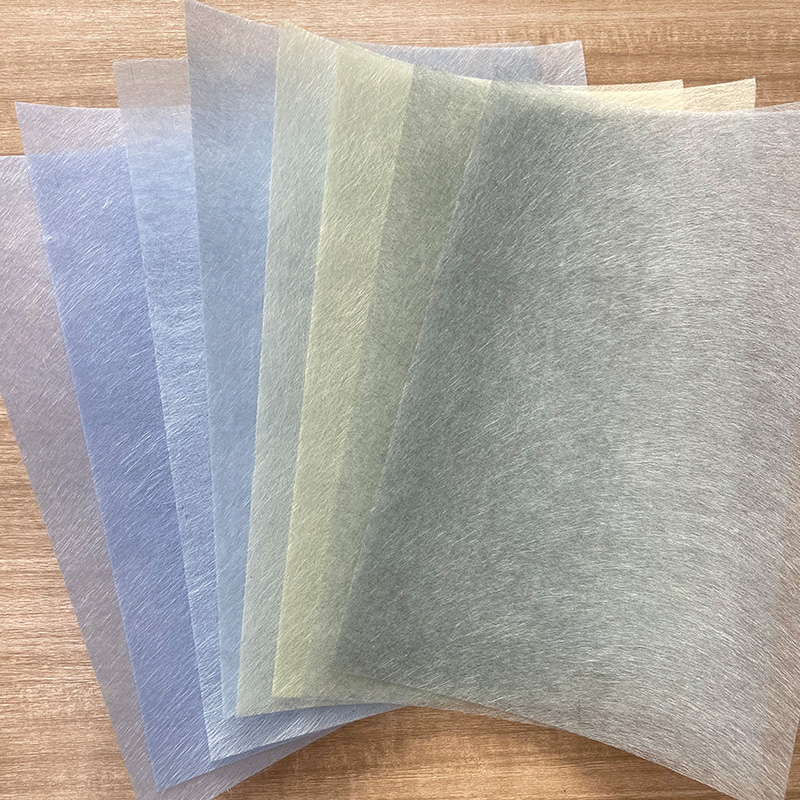
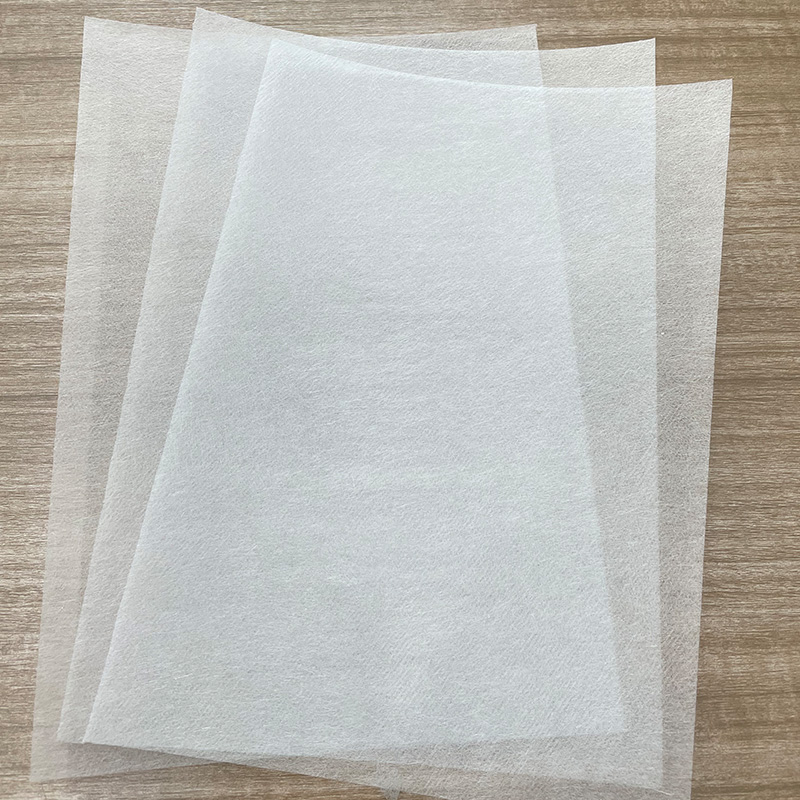
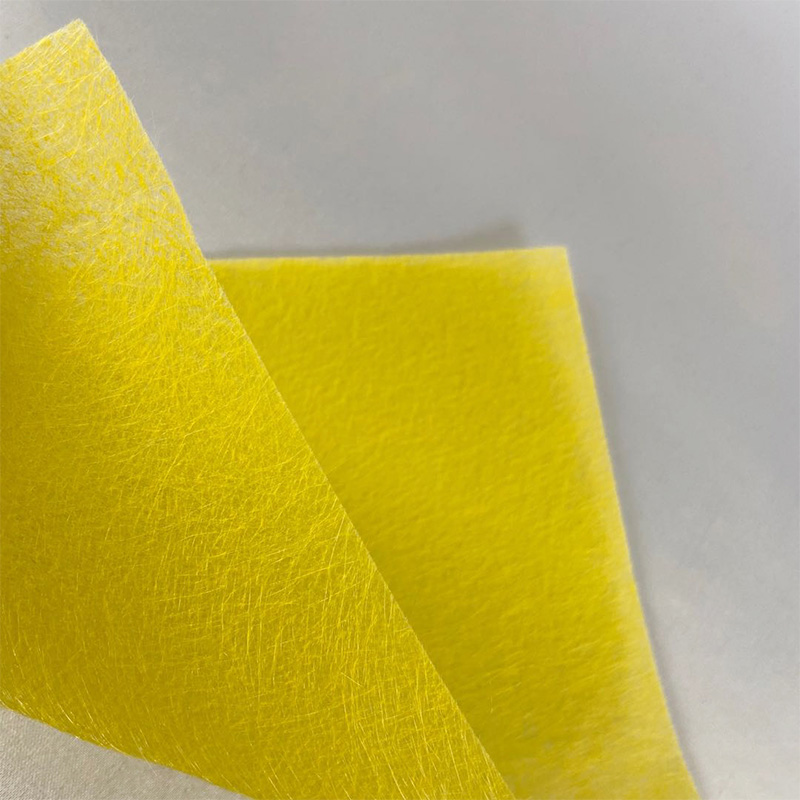
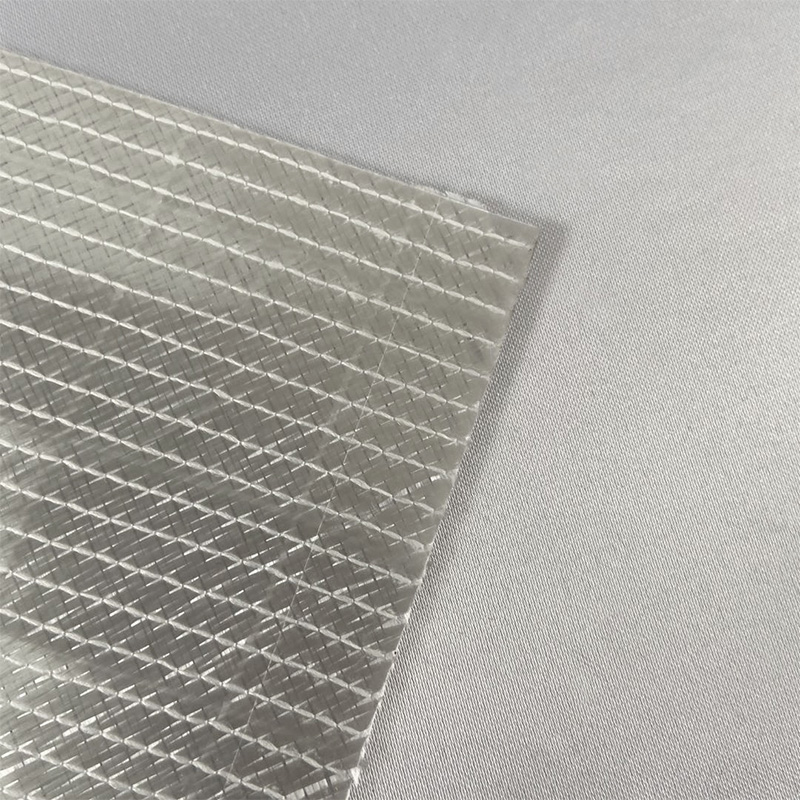
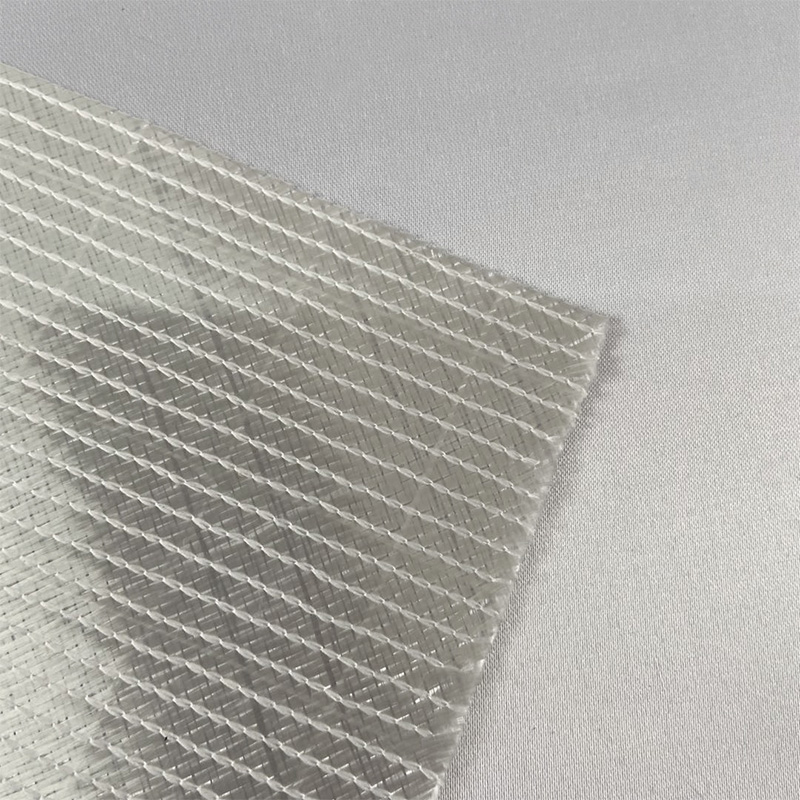
Fiberglass surfacing veils, commonly referred to as fiberglass tissue mats, are thin layers of nonwoven fibers made from glass. They are primarily used in composite manufacturing to improve the surface finish and mechanical properties of the final product. The tissue mat is typically applied to the surface of composite laminates to prevent defects such as surface porosity and to provide a smooth, durable finish.
While fiberglass tissue mats are lightweight and thin, they significantly contribute to the durability and aesthetic appeal of composite materials. These veils are especially important in industries like automotive, construction, marine, and aerospace, where both functional and aesthetic qualities are essential.
Functions of Fiberglass Surfacing Veil
The key functions of fiberglass surfacing veils in composite materials are manifold. Some of the critical functions are:
Surface Protection
One of the crucial roles of fiberglass tissue mats is their ability to protect the surface of composite materials. When applied to the top layer of composite laminates, the veil prevents issues like surface porosity, which could otherwise result in corrosion, degradation, or a rough finish. By acting as a barrier, fiberglass veils ensure that the composite surface is free from imperfections, ensuring a smooth and glossy finish. This protective quality is particularly important in applications such as boat hulls, automotive parts, and aircraft surfaces, where aesthetic and protective qualities are equally important.
Enhanced Aesthetic Appearance
In addition to providing functional protection, fiberglass surfacing veils enhance the visual appearance of composite materials. The veil improves the surface’s finish by providing a smooth, uniform layer that enhances the visual appeal of the product. This is especially important for applications where the composite will be visible to consumers, such as in furniture, boat decks, or decorative construction materials. The fine, nonwoven texture of fiberglass veils allows for high-quality surface aesthetics, which can be further enhanced with coatings or paints.
Improved Durability
Another key function of fiberglass surfacing veils is improving the durability of composite materials. The veil provides a protective barrier against environmental factors like moisture, chemicals, and UV radiation, which can degrade the material over time. The fiberglass tissue mat acts as a shield, reducing the likelihood of surface damage and prolonging the lifespan of the composite structure. This function is especially valuable in industries like marine and automotive manufacturing, where the materials are exposed to harsh conditions.
Increased Mechanical Strength
Though thin, fiberglass surfacing veils contribute to the overall mechanical strength of composite materials. The veil reinforces the laminate by improving the resin distribution during the curing process. It helps to increase the bond between the layers of the composite, resulting in better overall strength. This enhanced bonding results in composites that are more resistant to delamination, cracking, and other forms of mechanical failure, which is vital in structural applications.
Moisture and Chemical Resistance
Fiberglass tissue mats contribute to the resistance of composites to moisture and chemicals. The veil prevents the absorption of water and harmful chemicals that can weaken the composite material. This is crucial in applications where the composite material will come into contact with water, oils, or other potentially corrosive substances. For instance, fiberglass veils are used in construction and marine applications to protect structures from moisture-related degradation.
Control of Resin Flow
Fiberglass surfacing veils are often used in combination with other reinforcements to help control the flow of resin during the lay-up and curing process. This control of resin distribution ensures that the composite laminate is uniformly saturated with resin, which improves the overall quality of the material. The veil helps to eliminate the formation of air pockets and voids in the laminate, ensuring better consistency in the final product.
Applications of Fiberglass Surfacing Veils
Fiberglass surfacing veils are widely used in various industries where high-performance composite materials are required. Some of the common applications include:
Automotive Industry
In the automotive industry, fiberglass surfacing veils are used in the production of body panels, bumpers, and other components. The veil ensures that the surface is smooth, strong, and resistant to the wear and tear that automotive parts often experience. Additionally, the veil helps to maintain the vehicle’s appearance over time by preventing surface degradation caused by environmental factors.
Marine Industry
Fiberglass surfacing veils are particularly popular in the marine industry for boat hulls, decks, and other exposed surfaces. The veil protects against moisture, saltwater, and UV radiation, making the composite materials more resistant to corrosion and enhancing their longevity. The smooth, aesthetic finish provided by the veil is also a key factor in the visual appeal of marine products.
Construction Industry
In construction, fiberglass tissue mats are often used for decorative panels, insulation, and other composite-based materials. The veil helps to improve the surface finish of these materials, making them more suitable for high-quality, durable architectural applications. Additionally, the moisture-resistant properties of the fiberglass veil make it an ideal choice for use in buildings and structures exposed to harsh environmental conditions.
Advantages of Using Fiberglass Surfacing Veils
Using fiberglass tissue mats in composite manufacturing offers several advantages, including:
- Cost-effective Solution: Fiberglass veils provide an affordable way to enhance the surface finish of composite materials without adding significant weight.
- Easy to Apply: The lightweight, nonwoven structure of fiberglass veils makes them easy to integrate into the composite manufacturing process.
- Versatility: Fiberglass surfacing veils can be used with various types of resins, including polyester, vinyl ester, and epoxy, making them highly versatile for different applications.
- Environmental Protection: The veil’s ability to protect against moisture, UV radiation, and chemicals enhances the overall durability of composite materials, especially in demanding environments.
Fiberglass Tissue Mat vs. Other Surfacing Materials
Fiberglass surfacing veils are not the only materials used for surface finishing in composites. Other materials, such as polyester veils, polypropylene veils, and aramid fibers, are also used in some applications. However, fiberglass veils are preferred in many cases due to their balance of cost, performance, and availability.
The primary advantage of fiberglass tissue mats over other surfacing materials is their mechanical properties, such as tensile strength and impact resistance. Additionally, fiberglass veils offer better moisture resistance and UV protection than many other materials, making them particularly well-suited for outdoor and marine applications.
Comparison of Fiberglass Tissue Mat with Other Surfacing Materials
| Feature | Fiberglass Tissue Mat | Polyester Veil | Polypropylene Veil | Aramid Fiber Veil |
|---|---|---|---|---|
| Strength | High | Moderate | Moderate | Very High |
| UV Resistance | Excellent | Good | Fair | Good |
| Moisture Resistance | Excellent | Fair | Good | Good |
| Surface Finish | Smooth and Glossy | Smooth | Smooth | Rough |
| Cost | Moderate | Low | Low | High |
| Durability | Excellent | Good | Moderate | Excellent |
FAQ
1. What is the main purpose of fiberglass surfacing veil?
The main purpose of fiberglass surfacing veils is to provide a smooth, protective surface layer that enhances the aesthetic appearance and durability of composite materials, preventing surface porosity, and improving resistance to moisture and UV radiation.
2. How does fiberglass tissue mat improve the surface quality of composites?
Fiberglass tissue mats help eliminate surface imperfections like porosity and roughness, creating a smooth, uniform surface that enhances both the functional and visual quality of the composite material.
3. Can fiberglass surfacing veils be used with all types of resins?
Yes, fiberglass tissue mats are highly versatile and can be used with various types of resins, including polyester, vinyl ester, and epoxy resins.
4. Why is fiberglass preferred over other surfacing materials?
Fiberglass is preferred due to its strength, UV resistance, moisture resistance, and ability to enhance the surface quality of composite materials without significantly increasing weight.
5. What industries benefit the from fiberglass surfacing veils?
Industries such as automotive, marine, and construction greatly benefit from the use of fiberglass surfacing veils due to their ability to improve surface quality and durability in demanding environments.
 Previous